项目概况Project Overview
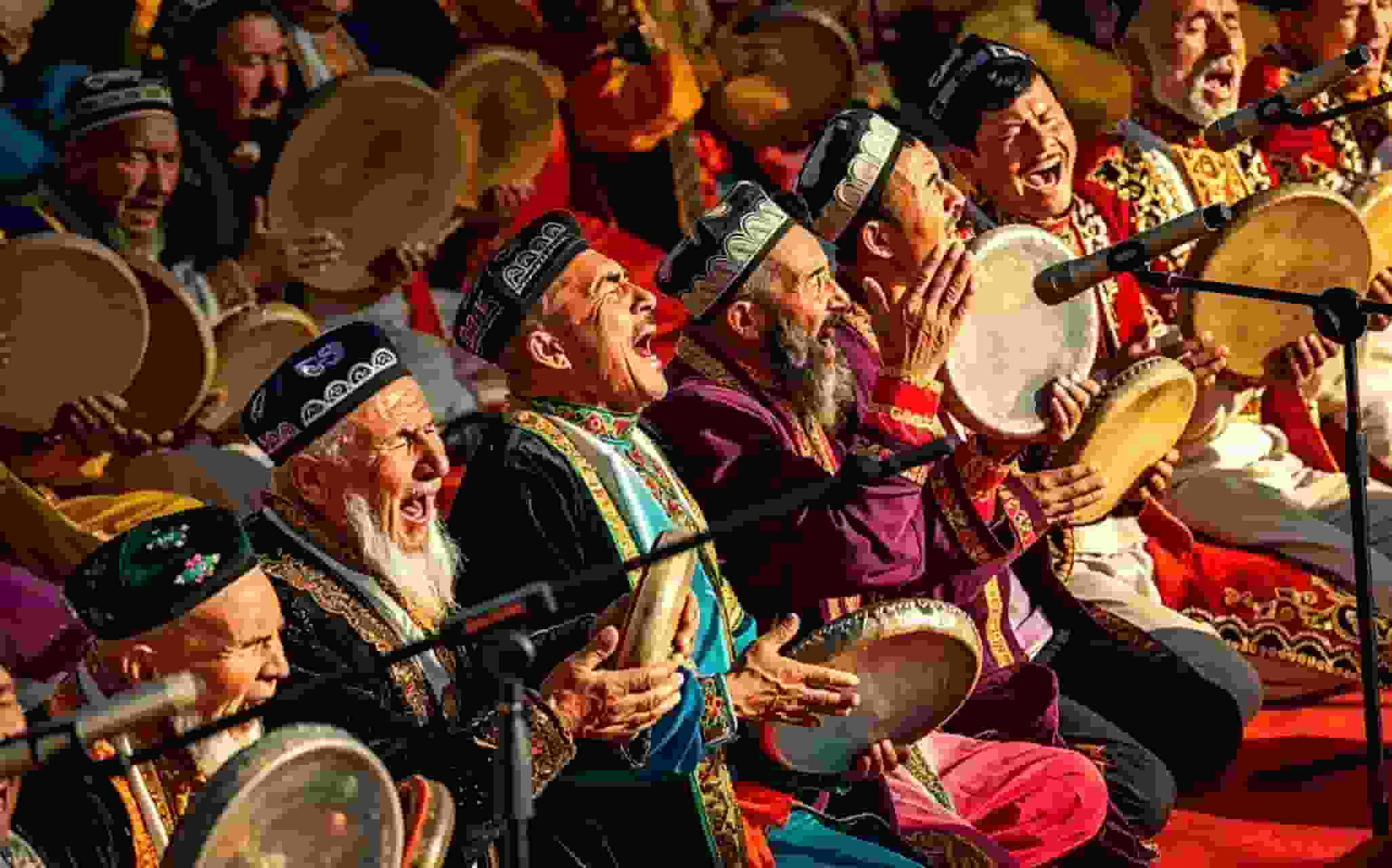
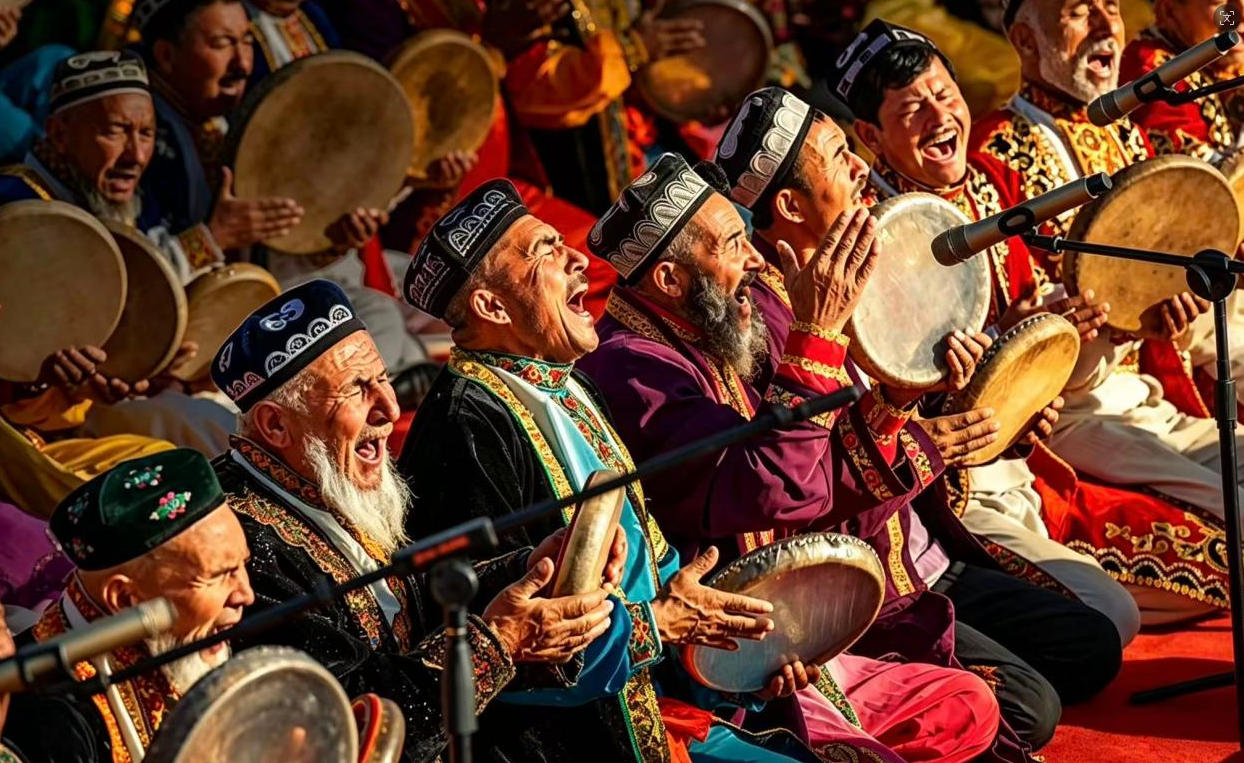
刀郎木卡姆是刀郎人历史与地域文化的活态记录,承载着刀郎人对自由、爱情、生活的情感表达,也是刀郎人坚韧不拔、豪爽勇武的民族精神的象征。音乐高亢粗犷、节奏强烈,常用"游移音"形成独特韵味;舞蹈刚劲奔放,多模拟狩猎场景;唱词为当地维吾尔民谣,即兴性强;每套木卡姆由五部分组成,伴奏乐器丰富,能形成复杂多声部效果。
The Dolan Mugam serves as a living record of the Dolan people's history and regional culture. It embodies the Dolan people's emotions toward freedom, love and life, and symbolizes their national spirit of perseverance, boldness and bravery. Its music is loud, rough and rhythmically intense, featuring unique tones generated by portamento. The accompanying dances are vigorous and unrestrained, often imitating hunting scenes. The lyrics are local Uyghur folk songs with strong improvisation. Each set of Muqam consists of five movements. Rich accompanying musical instruments create complex polyphonic effects.
刀郎木卡姆带有浓郁的草原与沙漠文化特征,风格与南疆绿洲文化紧密关联。发展中融合了伊斯兰文化元素,同时和刀郎人渔猎、畜牧、农耕的传统生活习俗紧密结合,是当地民俗文化的重要组成部分。
It bears distinct characteristics of grassland and desert culture, and its style is closely connected with the oasis culture of southern Xinjiang. It has absorbed elements of Islamic culture during its evolution. Closely integrated with the Dolan people's traditional customs of fishing, hunting, animal husbandry and farming, it forms an essential part of local folk culture.
项目基本信息Project Basic Information
Collection Key Points
Description
Full Chinese Name of the Project
Xinjiang Uyghur Muqam Art (Dolan Muqam)
Level of Intangible Cultural Heritage
National Intangible Cultural Heritage
Batch & Serial Number of Inclusion
Inscribed in the First National List of Intangible Cultural Heritage (No. Ⅰ1-70)
Applicant Region / Protecting Institution
Markit County, Xinjiang Uygur Autonomous Region
Distribution Area
Markit County and Bachu County, Xinjiang Uygur Autonomous Region
起源与发展Origin and Development
维吾尔木卡姆的起源可追溯至 1400 多年前,明确记载至少有 500 多年历史。公元前 123 年张骞出使西域,带回"摩诃兜勒",后龟兹乐与中原音乐结合。公元 11 世纪,喀喇汗王朝的喀什噶尔地区将包含"盐、趋、乱"式的大曲称为"琼乃额曼",伊本·西纳创建的十二个调式成为其音乐基础。13 世纪,音乐家苏菲丁·艾尔玛首次使用"木卡姆"术语。16 世纪,在叶尔羌汗国阿曼尼莎王后支持下,喀迪尔汗对木卡姆进行整理,保留"琼乃额曼"曲式结构。19 世纪,经艾里姆·赛里姆、赛提瓦尔地等民间艺人再次整理,形成更庞大曲式结构的木卡姆,并精缩成 12 部套曲。
The origins of the Uygur Muqam can be traced back more than 1,400 years, with well-documented history spanning at least over 500 years. In 123 BCE, Zhang Qian embarked on his second mission to the Western Regions and brought back the musical piece Mokhaduole. Later, Qiuci music merged with Central Plains music.
In the 11th century, during the Karakhanid Dynasty in Kashgar, large-scale musical suites structured in three sections—yan (introduction), qu (allegro movement) and luan (coda)—were known as Chong Naiman (Great Suite). The twelve modal system devised by Ibn Sina laid the musical foundation for this art form.
In the 13th century, the musician Safi al-Din al-Urmawi first introduced the term "muqam" in written records. In the 16th century, under the patronage of Queen Amannisa of the Yarkand Khanate, musician Qadir Khan collated Muqam while preserving the structural framework of the Chong Naiman.
In the 19th century, folk artists including Elim Selim and Seti Wardi revised Muqam once again, developing an expanded, grander suite structure and condensing the repertoire into twelve complete sets of suites.
文化价值与社会意义Cultural Value and Social Significance
民族精神象征:它是维吾尔族人民智慧的结晶和民族精神的象征,体现了维吾尔族人民对生活的热爱、对美好未来的向往以及坚韧不拔的民族性格,在维吾尔族的文化传承和民族认同中发挥着重要作用。
A Symbol of National Spirit: As the crystallization of the wisdom of the Uygur people and a symbol of their national spirit, it embodies the Uygur people's love for life, yearning for a bright future, and unwavering national character. It plays a vital role in the cultural inheritance and ethnic identity of the Uygur people.
文化交流纽带:作为丝绸之路文化交流的产物,新疆维吾尔木卡姆艺术见证了不同文化之间的交流与融合,对于促进各民族之间的文化交流与团结,增进不同国家和地区之间的友谊与合作具有重要意义。
A Bond for Cultural Exchange: A fruit of cultural communication along the Silk Road, the Xinjiang Uygur Muqam art bears witness to exchanges and integration between diverse cultures. It is of great significance for boosting cultural communication and solidarity among all ethnic groups, as well as fostering friendship and cooperation between various countries and regions.
文化内涵与特色Cultural Connotations and Features
Meaning of Cultural Symbols
The Dolan Mugam serves as a living record of the Dolan people's history and regional culture. It embodies the Dolan people's emotions toward freedom, love and life, and symbolizes their national spirit of perseverance, boldness and bravery.
Artistic Features
Its music is loud, rough and rhythmically intense, featuring unique tones generated by portamento. The accompanying dances are vigorous and unrestrained, often imitating hunting scenes. The lyrics are local Uyghur folk songs with strong improvisation. Each set of Muqam consists of five movements. Rich accompanying musical instruments create complex polyphonic effects.
Regional Characteristics
It bears distinct characteristics of grassland and desert culture, and its style is closely connected with the oasis culture of southern Xinjiang.
Religious and Customary Connections
It has absorbed elements of Islamic culture during its evolution. Closely integrated with the Dolan people's traditional customs of fishing, hunting, animal husbandry and farming, it forms an essential part of local folk culture.
历史与地域文化的活态记录:刀郎木卡姆起源于刀郎人(维吾尔族分支)在叶尔羌河至塔里木河流域的渔猎、畜牧时期,其唱词多为当地广为流传的维吾尔民谣,真实记录了刀郎人狩猎、游牧、农耕的生活场景,以及他们对自由、爱情、生活的情感表达,是刀郎地区历史与地域文化的活态记录。
A living record of history and regional culture: Dolan Muqam originated in the fishing, hunting and pastoral period of the Dolan people (a branch of the Uyghur ethnic group) in the area from the Yarkand River to the Tarim River. Its lyrics are mostly widely circulated local Uyghur folk songs, which truly record the Dolan people's life scenes of hunting, nomadism and farming, as well as their emotional expressions of freedom, love and life. It is a living record of the history and regional culture of the Dolan area.
民族精神的生动体现:刀郎人曾历经颠沛流离,刀郎木卡姆中高亢粗犷的旋律和刚劲奔放的舞蹈,充分体现了刀郎人面对极端困苦环境时苦中作乐、坚韧不拔、豪爽勇武的民族性格。
A vivid embodiment of national spirit: The Dolan people have experienced displacement and hardship. The high-pitched and bold melodies as well as the vigorous and unrestrained dances in Dolan Muqam fully reflect the Dolan people's national character of finding joy in adversity, perseverance, forthrightness and bravery in the face of extremely harsh environments.
多元文化的交融结晶:刀郎木卡姆在发展中融合了西域土著文化、漠北牧猎文化、蒙古游牧文化以及伊斯兰文化,是古代丝绸之路文化交流的产物,体现了刀郎文化"多元一体"的包容性。
A product of multicultural integration: In its development, Dolan Muqam has integrated the indigenous culture of the Western Regions, the hunting and pastoral culture of the northern desert, the Mongolian nomadic culture and Islamic culture. It is a product of cultural exchanges on the ancient Silk Road, reflecting the inclusive "diversity in unity" feature of Dolan culture.
音乐高亢粗犷,节奏强烈:曲调高亢粗犷,节奏强烈,具有自由奔放的个性。音乐形态丰富,包含多种音律、繁复的调式以及多样的节拍、节奏,常使用"游移音"形成婉转悠远的独特韵味。
High-pitched and bold music with strong rhythm: The tune is high-pitched and bold with strong rhythm, showing a free and unrestrained personality. It has rich musical forms, including various tones, complex modes, as well as diverse meters and rhythms. It often uses "wandering notes" to form a unique gentle and distant charm.
舞蹈刚劲奔放,动作质朴:舞蹈步伐质朴有力,动作刚劲奔放,与高亢的音乐紧密配合,充分展现刀郎地区人民的豪爽与热情,舞蹈动作常模拟狩猎场景,具有浓郁的草原与沙漠文化特色。
Vigorous and unrestrained dances with simple movements: The dance steps are simple and powerful, and the movements are vigorous and unrestrained. They cooperate closely with the high-pitched music to fully show the forthrightness and enthusiasm of the people in the Dolan area. The dance movements often simulate hunting scenes, with strong grassland and desert cultural characteristics.
唱词丰富,即兴性强:唱词全为刀郎地区流传的维吾尔民谣,内容广泛,涵盖喜怒哀乐、爱情、生活感叹等,且无固定规范,演唱时根据表演者的情绪和技巧即兴变化,极具感染力。
Rich lyrics with strong improvisation: All lyrics are Uyghur folk songs spread in the Dolan area, covering a wide range of contents such as emotions of joy, anger, sorrow and happiness, love and reflections on life. There are no fixed norms, and the lyrics are changed improvisationally according to the performer's mood and skills during singing, which is highly infectious.
结构独特,乐器丰富:每套木卡姆(现存9套,如《巴希巴雅宛》等)均由"木凯迪满"(散板序唱)、"且克脱曼"、"赛乃姆"、"赛勒凯斯"、"色利尔玛"五部分组成,为不同节拍、节奏的歌舞套曲。伴奏乐器以刀郎艾捷克、刀郎热瓦甫、卡龙为主,配以多面达普(手鼓)击节,常奏出复调,与声乐形成复杂的多声部效果。
Unique structure and rich musical instruments: Each set of Muqam (9 sets exist today, such as Baxi Bayawn) consists of five parts: Mukaddime (free rhythm prelude), Qeketman, Sainaimu, Sailikes and Selilma, forming a suite of songs and dances with different meters and rhythms. The accompanying instruments are mainly Dolan Ghijak, Dolan Rawap and Qanun, supplemented by multiple dap (hand drums) to beat the rhythm. They often play polyphony, forming a complex multi-phonic effect with the vocal music.
传承与保护现状Current Status of Inheritance and Protection
Representative Inheritors
Yusup Yaya
Mode of Inheritance
Family inheritance
Protection Measures
1. Set up Dolan Mugam art classes and training courses for successors of intangible cultural heritage. 2. Organize performances in various regions to promote the art.
Challenges Faced
Aging of the group of inheritors; insufficient young successors.
麦盖提县特聘国家级非遗传承人玉素因·亚亚等为专业教师,在县职业中等专业学校开设刀郎木卡姆艺术班和非遗项目接班人培训班,加强刀郎民间艺人协会队伍建设。
Maigaiti County has specially engaged national-level intangible cultural heritage inheritors including Yüsüp Yaya as professional teachers. It has launched Dolang Muqam art classes and training courses for successors of intangible cultural heritage programs at the county Vocational Secondary Specialized School, and strengthened the development of the Dolang Folk Artists Association.
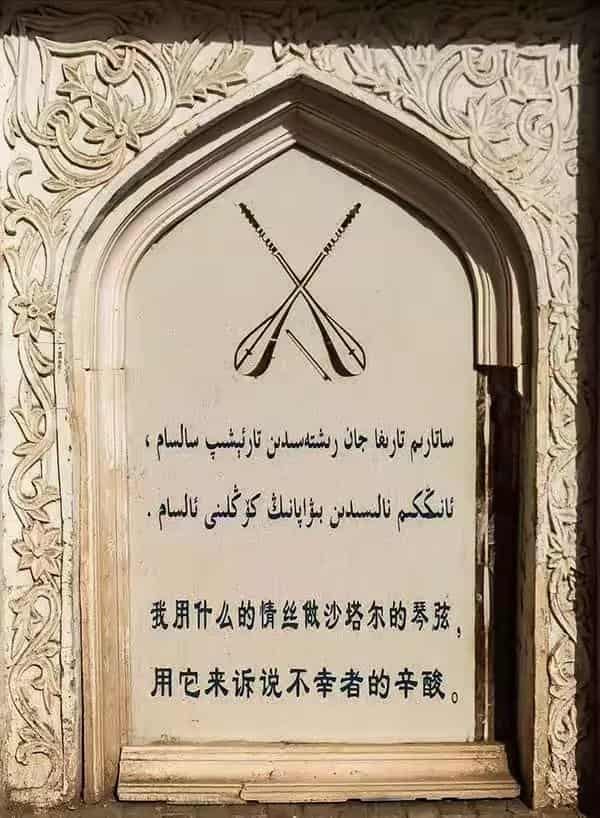
麦盖提县的刀郎木卡姆艺术团经常在各地演出,如"萨塔尔的琴弦"舞台、喀什高台民居室外小剧场等,还走进新疆国际大巴扎"疆来城"进行免费表演,让更多人了解这一艺术形式。
The Dolang Muqam Art Troupe of Maigaiti County puts on performances across many venues, such as the stage Strings of the Satar and the open-air small theatre at Kashgar's Gaotai Residential Complex. The troupe also stages free shows at Jianglaicheng within Xinjiang International Grand Bazaar, enabling more people to learn about this art form.
图片展示Photo Gallery
工艺流程图片Craft Process Photos
刀郎木卡姆b1
Dolan Muqam B1
木卡姆 阿曼尼莎王后
Muqam & Queen Amannisa
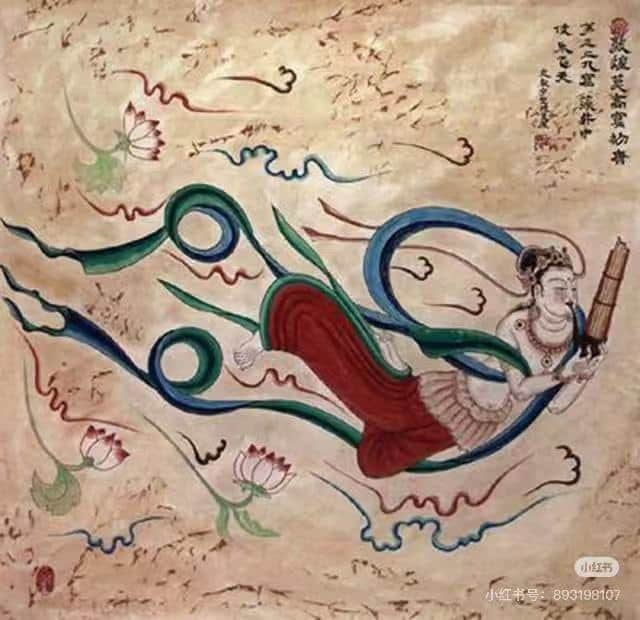
木卡姆 龟兹乐
Muqam & Qiuci Music
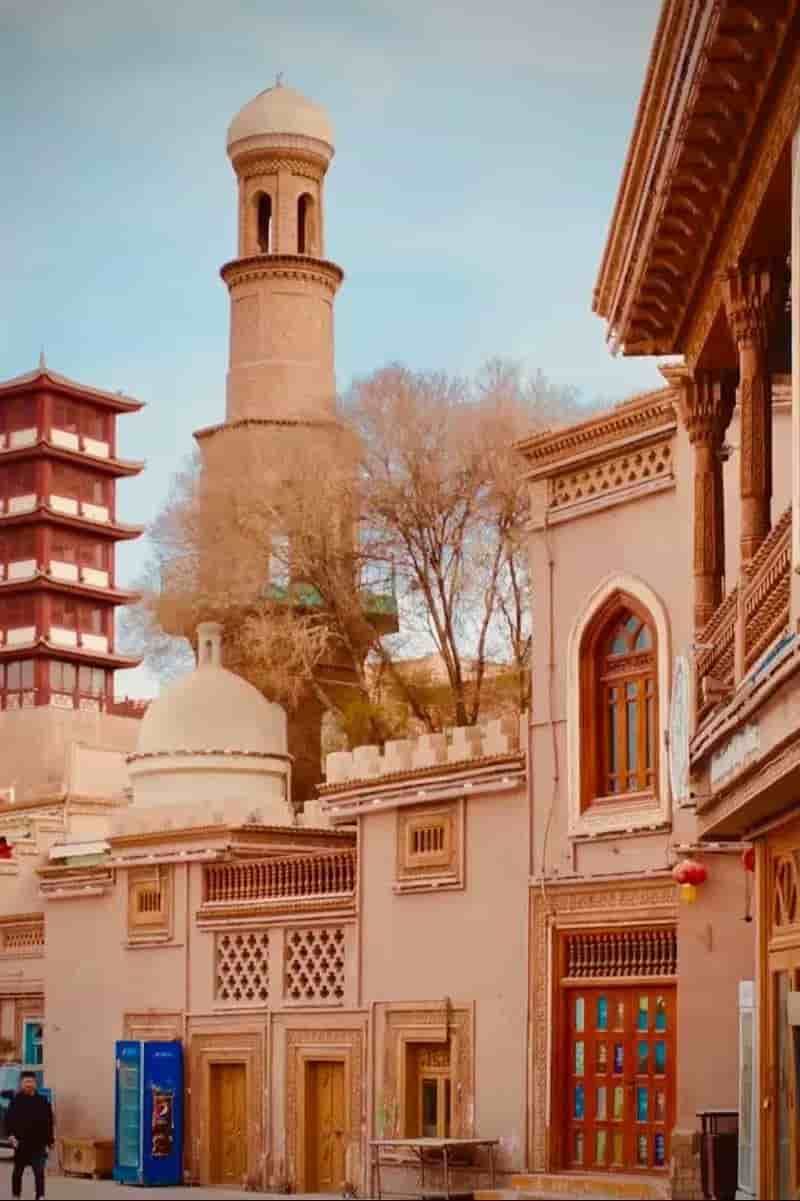
木卡姆 喀什噶尔
Muqam & Kashgar
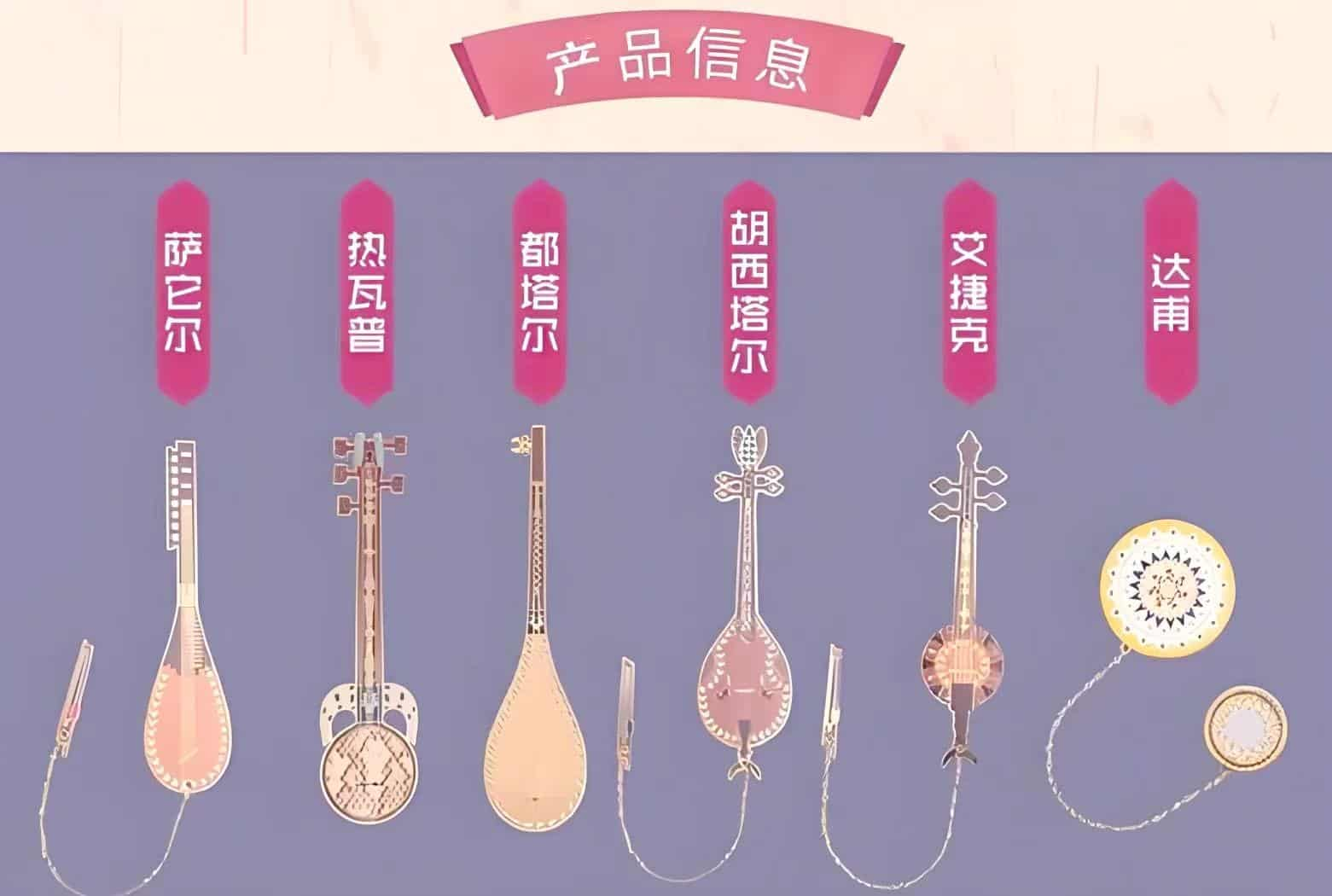
木卡姆 乐器
Muqam Musical Instruments
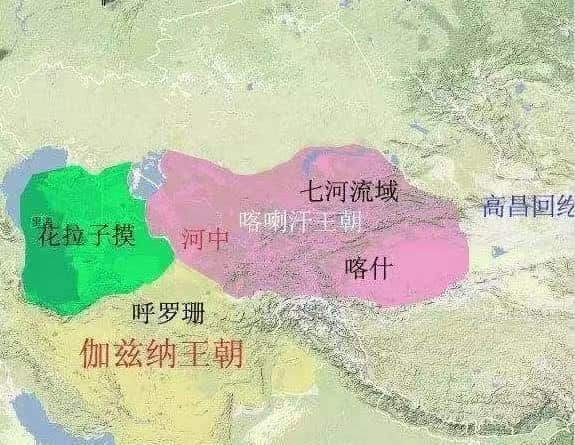
木卡姆 喀喇汗王朝
Muqam & Kara-Khanid Khanate
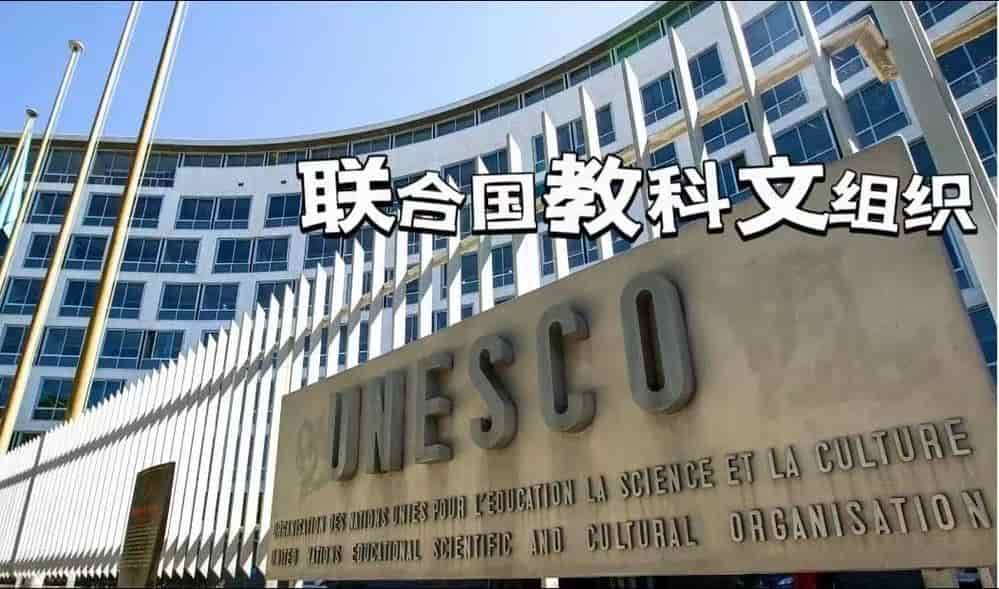
木卡姆 联合国教科文组织
Muqam & UNESCO
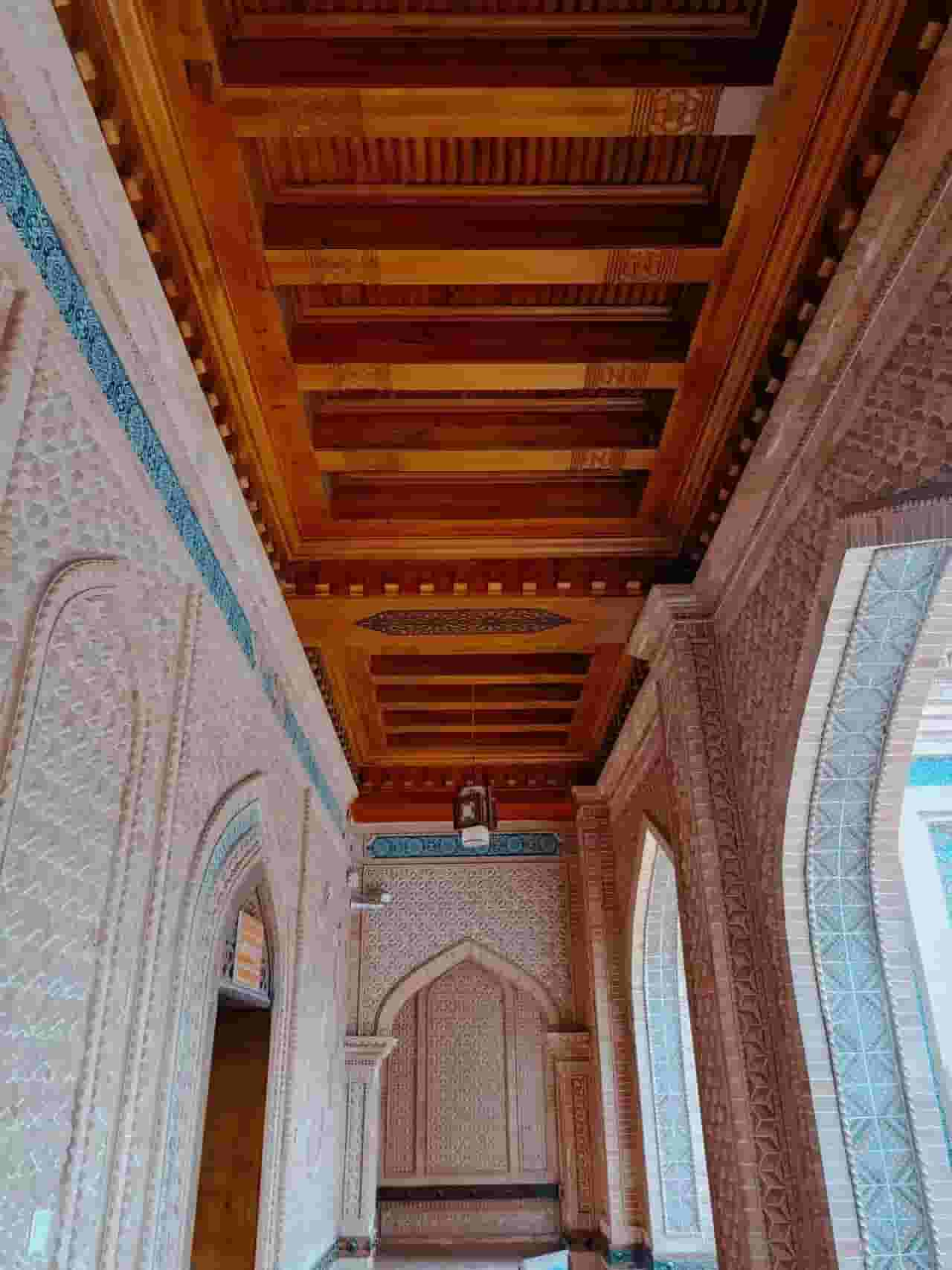
木卡姆 叶尔羌汗国
Muqam & Yarkent Khanate
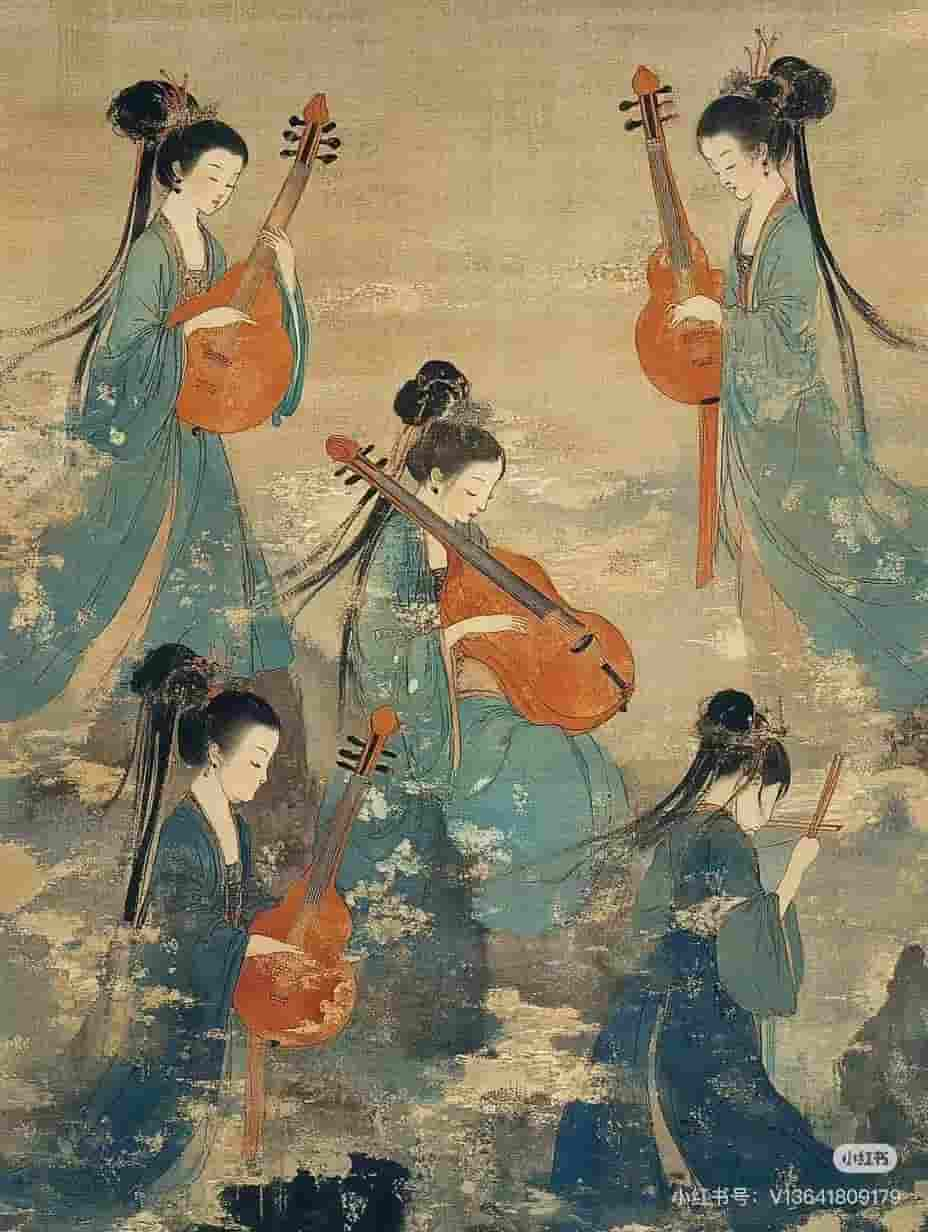
木卡姆 中原音乐
Muqam & Central Plains Music
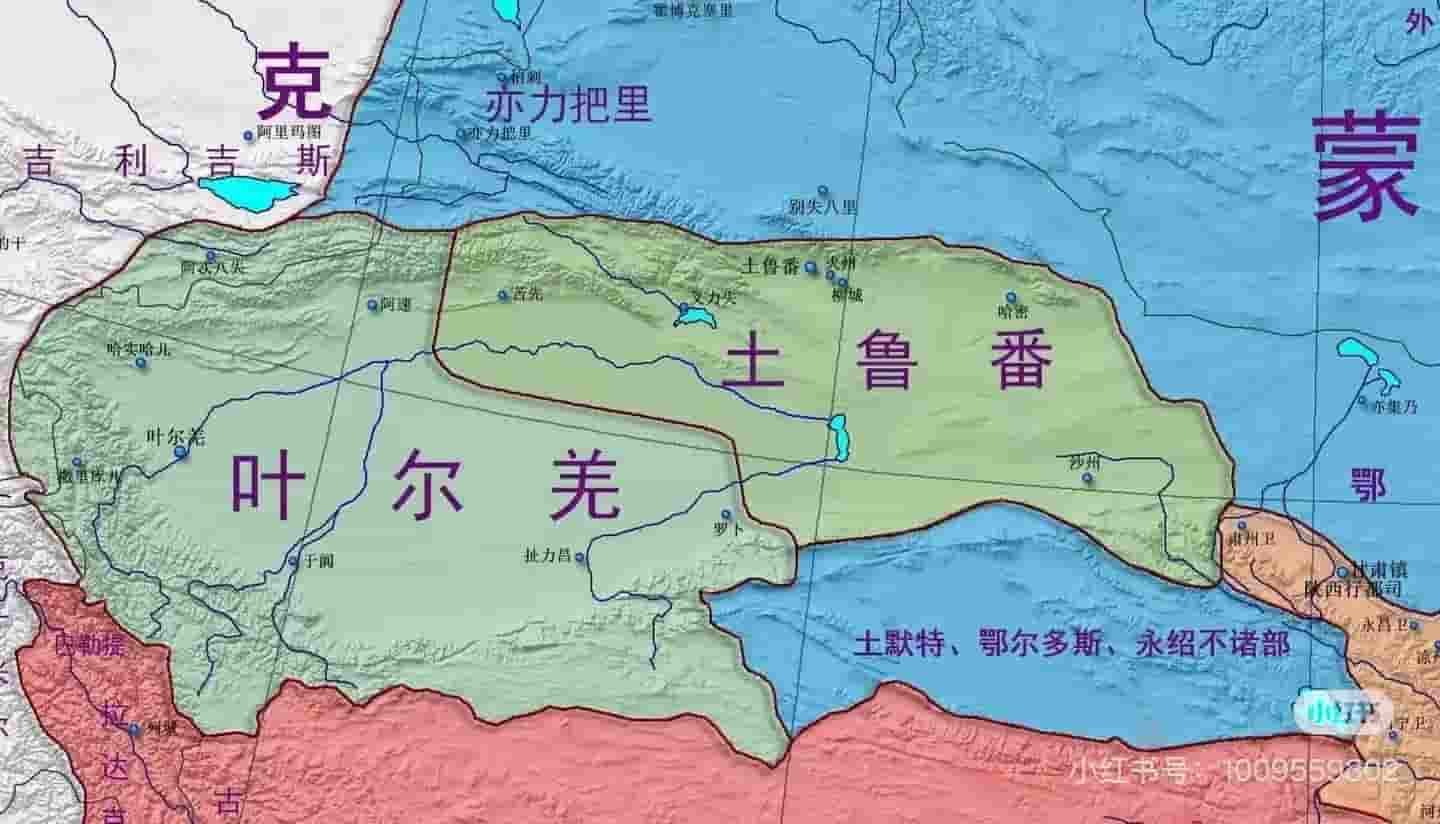
木卡姆 叶尔羌汗国_
Muqam & Yarkent Khanate_
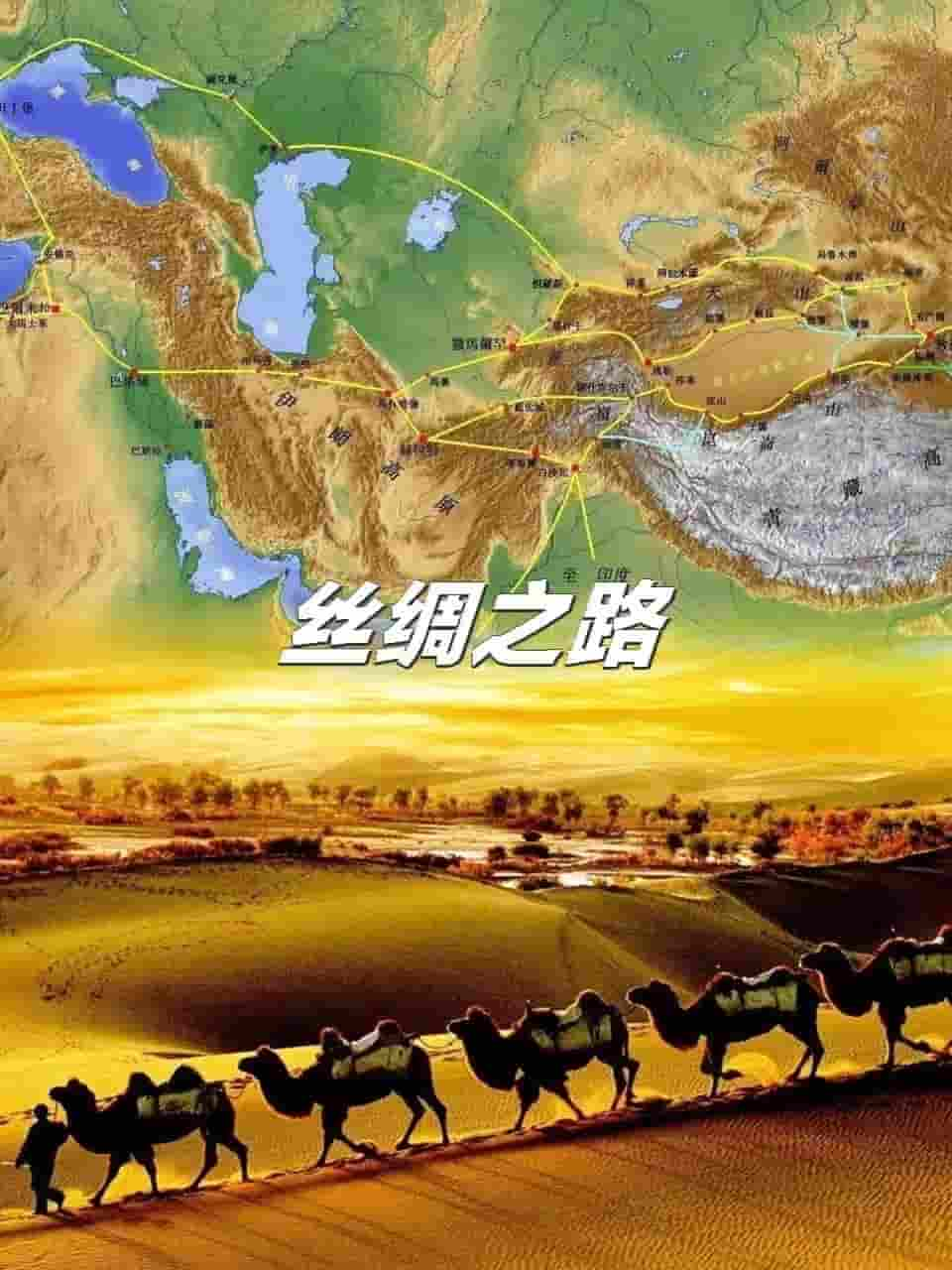
木卡姆 丝绸之路
Muqam & the Silk Road
视频展示Video Gallery
视频资料Video Resources
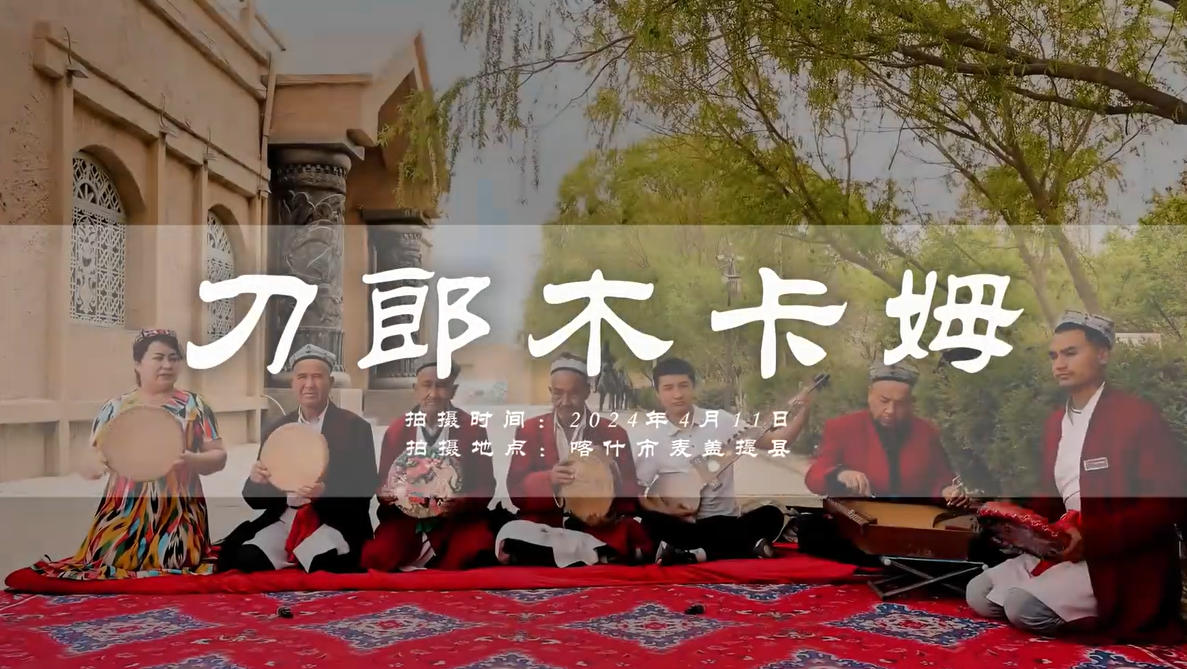
刀郎木卡姆
Dolan Muqam
参考文献与资料来源References and Data Sources
中国非物质文化遗产网·中国非物质文化遗产数字博物馆. 新疆维吾尔木卡姆艺术(刀郎木卡姆)[EB/OL]. https://www.ihchina.cn/project_details/12598.html
新疆世界文化遗产. 新疆维吾尔木卡姆艺术(刀郎木卡姆)[EB/OL]. https://www.travelxj.cn:8443/XJCulturalHeritage/zh-cn/ICH/ed7917e8f1f75e5c2f85dd710e600f93.html
刀郎木卡姆是如何在新疆麦盖提县有序传承的?[EB/OL]. 搜狐网. https://www.sohu.com/a/743764914_121620820
注:以上来源均为政府官网、国家非遗平台、新华社或中央媒体等权威来源;英文内容为依据中文权威资料整理、翻译和概括。访问日期:2026-07-22。