项目概况Project Overview
Collection Key Points
Description
Full Official Chinese Name
Uyghur Darwaz
Level of Intangible Cultural Heritage
National Intangible Cultural Heritage
Batch & Serial Number of Inclusion
Inscribed in the First National List of Intangible Cultural Heritage (No.VI-5)
Applicant Region/Protecting Institution
Xinjiang Uygur Autonomous Region
Distribution Area
The regions around Hotan, Yarkand, Yengisar and Kashgar, and later spread to Kuqa, Turpan, Hami, Ili and Urumqi.
历史渊源Historical Origins
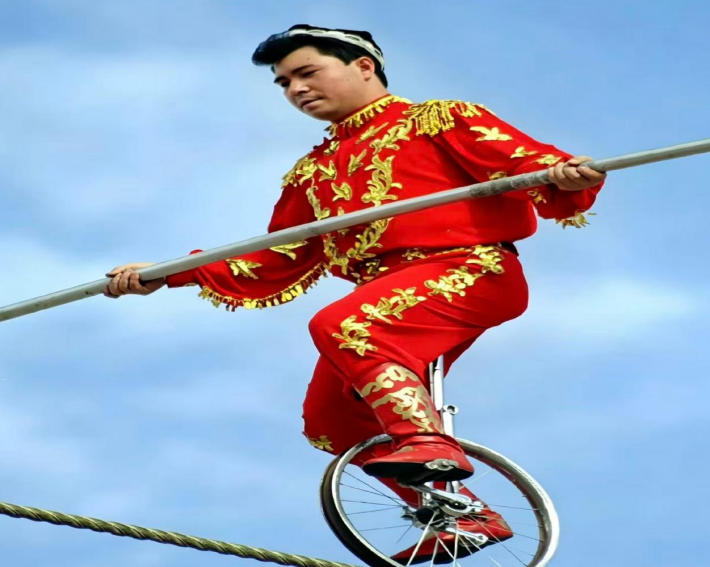
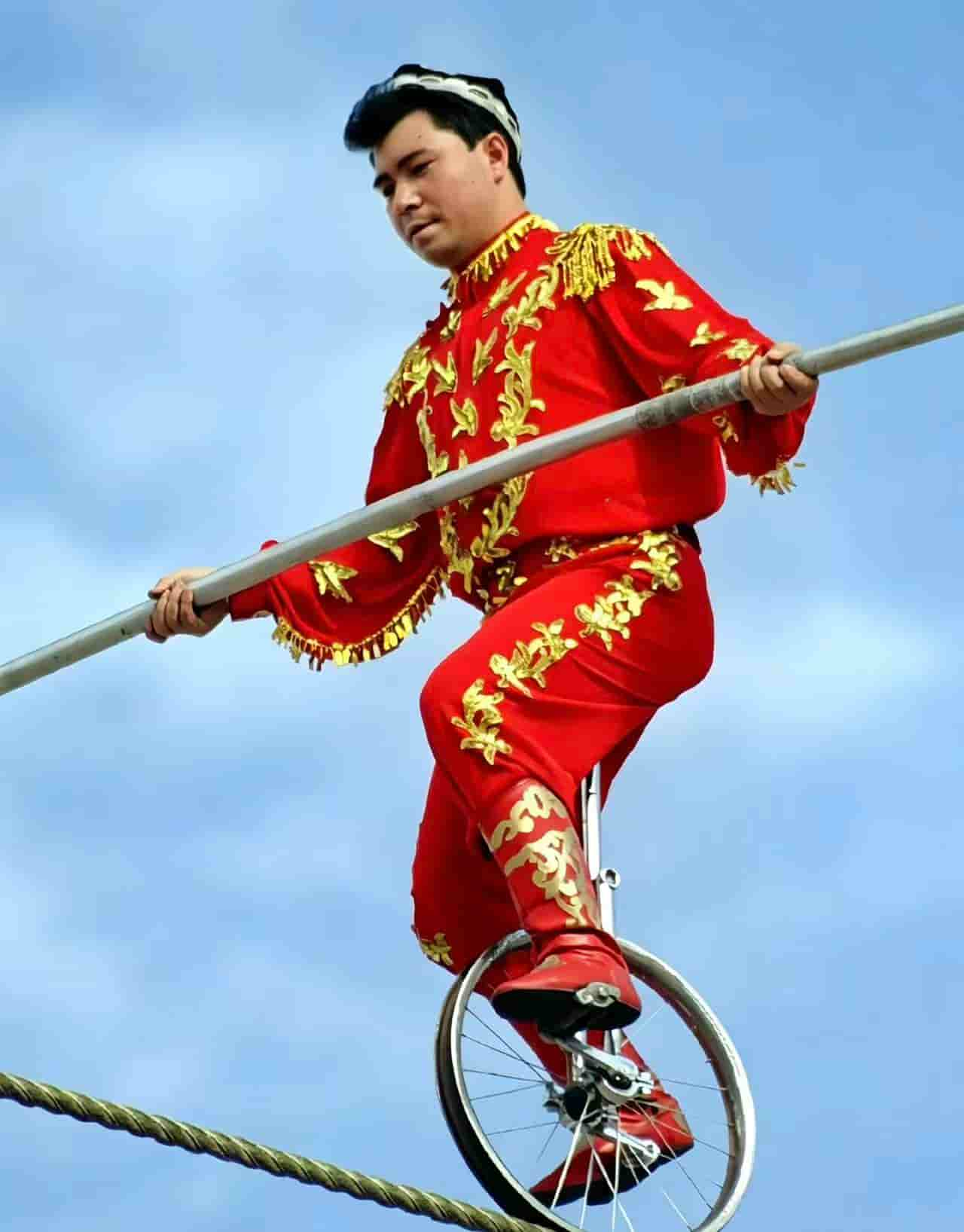
“达瓦孜”是新疆维吾尔族一种古老的传统杂技艺术,“达”在维吾尔族是“悬空”之意,“瓦孜”是指嗜好做某件事的人,“达瓦孜”便是专指高空走绳。在新疆出现两千多年的历史,衰败于民国时期,新中国成立后,在英吉沙县重新崛起。达瓦孜起源有着许多美丽的传说。相传古时有一种在空中作孽的妖怪,经常呼风唤雨,残害和欺凌百姓,让人民苦不堪言。有一名维吾尔族青年闻听此事,义愤填膺,决心拯民于水火,他在地面上竖起一根30米高的长杆,用一根60米长的绳子连接杆顶,然后赤脚沿着大绳走到杆顶与妖怪展开搏斗刺杀妖怪,拯救了平民百姓。
Dawaz is an ancient traditional acrobatic art of the Uyghur people in Xinjiang. In the Uyghur language, "da" means suspended in the air, and "waz" refers to a person who is fond of doing something. Thus, dawaz specifically denotes tightrope walking at high altitudes.
With a history of over 2,000 years in Xinjiang, this art declined during the Republic of China era. After the founding of the People's Republic of China, it experienced a revival in Yingisar County. There are many beautiful legends about the origin of Dawaz.
According to legend, in ancient times, an evil monster roamed the sky, summoning wind and rain at will to torment and bully local people, plunging them into deep suffering. Upon hearing of the people’s plight, a young Uyghur man was filled with righteous indignation and resolved to save them from disaster.
He erected a 30-meter-tall pole on the ground and fastened a 60-meter rope to its top. Barefoot, he walked along the rope all the way to the pole’s summit, where he fought and killed the monster, rescuing the common folk.
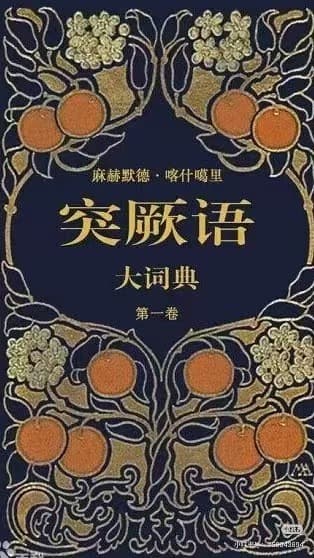
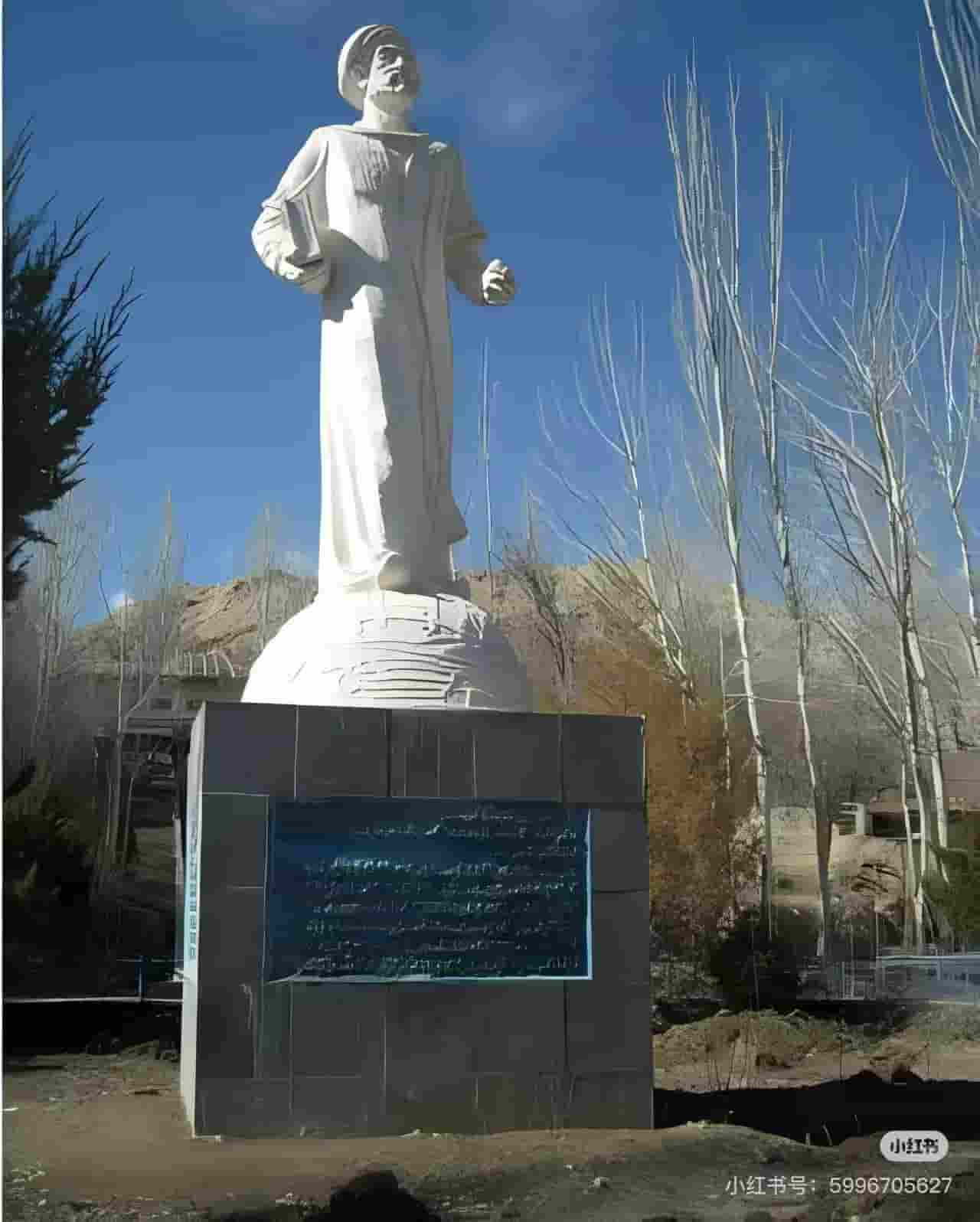
“达瓦孜”一词最早出现在成书于1072至1074年撰写的《突厥语大词典》中。该书作者穆罕穆德喀什葛里是维吾尔族人民的著名学者,11世纪出生在喀什。在他的著作中有人们表演“达瓦孜”的记载。
The term "Dawaz" first appeared in Diwan Lughat al-Turk(Compendium of Turkic Dialects), compiled between 1072 and 1074. Its author, Mahmud al-Kashgari, was a renowned Uyghur scholar born in Kashgar in the 11th century. His work contains records of people performing Dawaz.
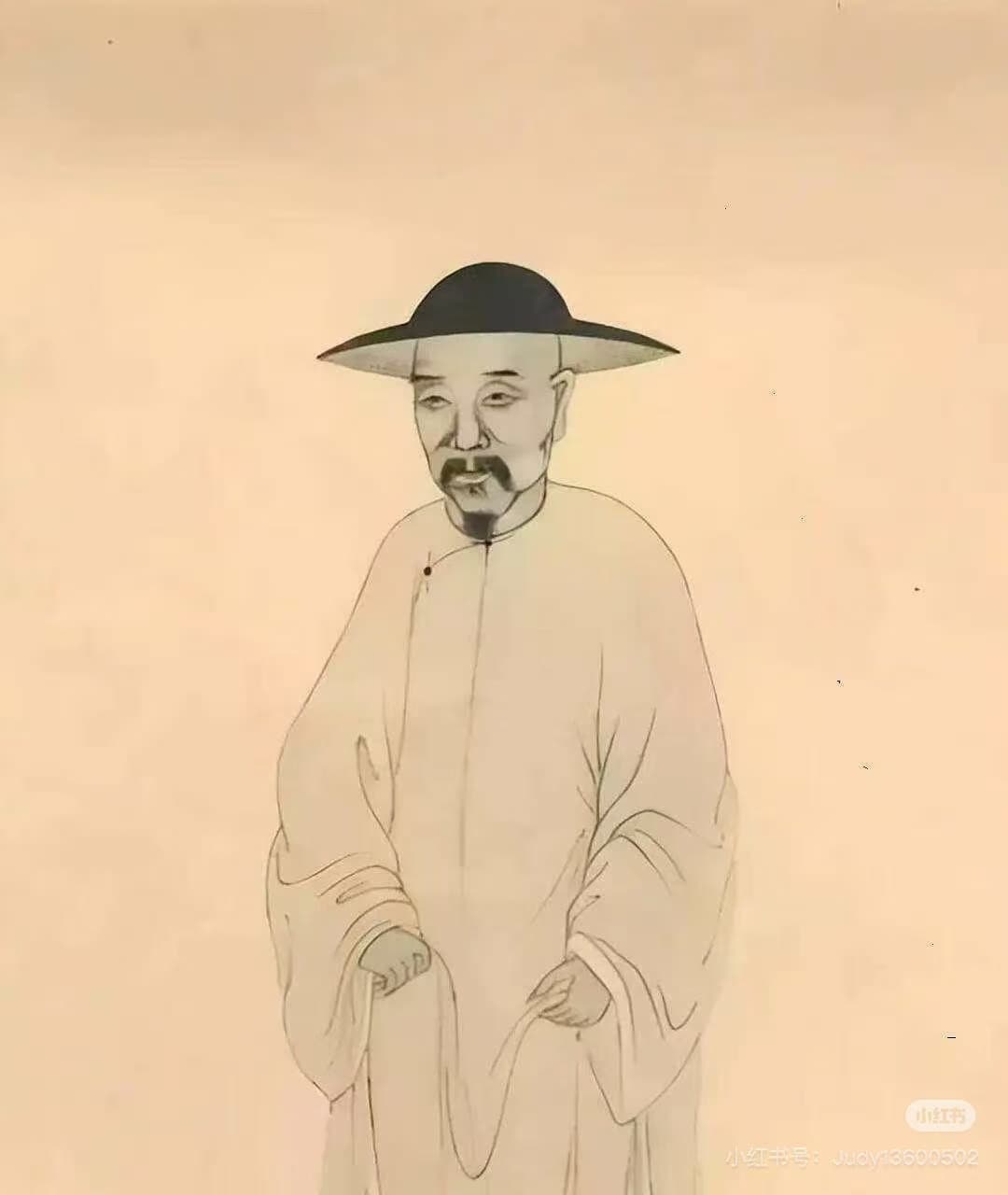
在汉文史籍中明确记载了达瓦孜演出活动,是清朝乾隆喜庆年间的文学家赵翼,其所著的“檐曝杂记”中有一段描述关于当时回人(维吾尔族)走大绳的详细与经过,其走法与现代“达瓦孜”一样,从而证实了在当时就有此活动。
Among Chinese historical documents, clear accounts of Dawaz performances can be found in writings by Zhao Yi, a literary figure during the Qianlong reign of the Qing Dynasty. In his book *Notes Written Under the Eaves*, he gave a detailed description of tightrope-walking by the Hui people (an old term for Uyghurs back then). The stunts they performed were identical to modern Dawaz, proving that this art was already prevalent at that time.
文化价值与社会意义Cultural Value and Social Significance
达瓦孜的文化内涵博大精深,文化价值是达瓦孜所衍生出来的相关文化,它包括物质文化和非物质文化两部分。物质文化主要包括达瓦孜的遗址、器械服饰、文物等;非物质文化则是指知识、情感、技能 “活体传承” 及其精神文化等 "。并且达瓦孜具有很强的文化特征,如极强的民族风情、独特的传承方式、艺术表现形式、体育与杂技交融。达瓦孜表演作为少数民族传统体育项目为我国与其他各国人民的文化交流起了重要作用。达瓦孜的神话传说就寄托了人们对勤劳、勇敢、幸福的美好期望。现在这种期望精神已经转化为了民族群体精神,融进了民族本质的最深处。
Dawaz carries extensive and profound cultural connotations. Its cultural value lies in the derivative cultures associated with it, which are divided into material culture and intangible culture. Material culture mainly consists of Dawaz historical sites, performance tools, costumes, cultural relics and more. Intangible culture refers to the living inheritance of relevant knowledge, sentiments and skills, along with its spiritual culture.
Furthermore, Dawaz possesses distinctive cultural traits: rich ethnic customs, unique inheritance models, exclusive artistic expressions, and an integration of sports and acrobatics. As a traditional sport of ethnic minorities in China, Dawaz performances have played a pivotal role in cultural exchanges between Chinese people and people of other nations.
Myths and legends surrounding Dawaz embody people’s noble yearnings for diligence, bravery and a happy life. Today, these aspirations have evolved into the shared spirit of the ethnic group, embedded deep within the ethnic identity.
达瓦孜不仅可以娱乐而且可以锻炼人的意志和胆识。每到维吾尔族各种传统节日及婚俗、祭典等都会出现其精彩的表演,并且在早期的达瓦孜表演中,用来伴奏的唢呐和鼓以及表演者的民族服装,表演前走场用的马,都是达瓦孜表演中很重要的组成部分,整个表演过程惊心动魄,妙趣横生,场面极具震撼,极富新疆维吾尔族特色。
Dawaz is not only a form of entertainment but also a way to temper people’s will and courage. Wonderful Dawaz shows are staged on various traditional Uyghur festivals, weddings, sacrificial ceremonies and other occasions. In early Dawaz performances, the suonas and drums for accompaniment, the performers’ ethnic costumes, as well as horses paraded before the show were all vital parts of the art. The entire performance is breathtaking, full of wit and fun, spectacular to behold, and brimming with unique characteristics of Xinjiang’s Uyghur people.
在达瓦孜表演者身价不断提高的过程中,达瓦孜运动对新疆旅游产业的发展起着决定性的作用,他们不仅把游客吸引到新疆参观旅游,同时把新疆的旅游产业传播到世界其他范围,让更多的人来了解中国、认识中国。
As Dawaz performers gain growing recognition and prestige, the Dawaz art has become a decisive driving force for the development of Xinjiang’s tourism industry. It not only draws swarms of tourists to visit Xinjiang, but also promotes Xinjiang’s tourism worldwide, enabling more people to learn about and understand China.
文化内涵与特色Cultural Connotations and Features
Collection Key Points
Description
Meaning of Cultural Symbols
It embodies the spiritual core of the nation: daring to challenge limits and staying calm in crises.
Artistic Features
High difficulty, strong visual appeal and rich ethnic characteristics
Regional Characteristics
It is a unique folk entertainment popular in southern Xinjiang.
Religious and Customary Connections
Performances by Dawaz artists liven up festive occasions, symbolizing peace, smooth lives, good fortune and prosperity.
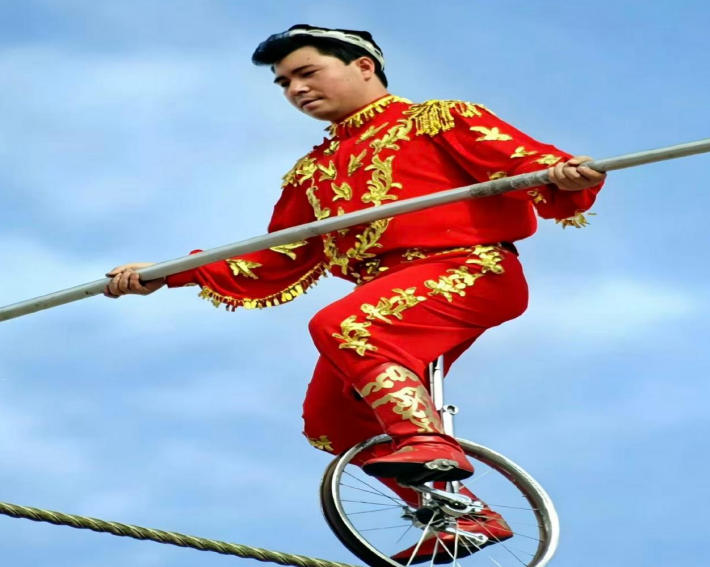
达瓦孜具有浓厚的民族特色。表演入场时,一般骑一匹青马,马头上缀着三色绸彩带,马颈上一串铜铃叮咚作响,马臀盖布上绣有车型图案,马鞍上搭一块漂亮的金丝绒或其他料子的盖布,表演者头戴扁形皮帽,外缠带色的头巾,也有戴顶花帽,身穿袖子和前胸绣有维吾尔传统花边图案的圆领汗衫,绣有花边的灯笼裤,腰带为黑色或紫色,短上衣为紫红色,赤脚。整件服饰的色彩绚丽。通过优美欢快的民族乐曲或者家喻户晓的十二木卡姆传统音乐,营造出热烈喜庆的气氛,造成表演和欣赏的良好氛围,也与表演动作相辅相成,浑然一体。
Dawaz bears strong ethnic characteristics. For the entrance, performers usually ride a dark green horse decorated with three-coloured silk ribbons on its head. A string of copper bells hung around the horse’s neck tinkles. The cloth covering the horse’s hindquarters is embroidered with wheel patterns, and the saddle is covered with an exquisite cloth made of gold velvet or other materials. Performers wear flat leather hats wrapped with coloured scarves, or Uyghur flower hats. They put on round-neck shirts embroidered with traditional Uyghur lace patterns on the sleeves and chest, lace-trimmed balloon trousers, black or purple waist sashes and fuchsia short jackets, and perform barefoot. The costumes are bright and gorgeous. Beautiful and cheerful ethnic folk music or the well-known traditional Twelve Muqam creates a warm and festive atmosphere, offering a pleasant experience for both performers and audiences, and blends perfectly with the stunts on the rope.
达瓦孜表演特点:难度大,可视性强。上升的第一段坡度较陡,约有40度;第二段坡度稍缓,演员在第二段就可以做些前进后退,蹦绳之类的表演动作;第三段开始六、七米基本是平直的,演员的种种杂技动作在这里表演,表演后就直上牌楼,这段坡度最陡约有45度,演员最为吃力。另外第一段有一对斜拉绳,第二段有两对斜拉绳,第三段有四对斜拉绳,目的在于使主绳稳定。
Features of Dawaz performances: highly difficult and highly viewable.
The first ascending section has a steep slope of about 40 degrees. The second section has a gentler slope, where performers can walk back and forth and bounce on the rope. The six to seven metres of the third section are nearly horizontal, serving as the main area for all kinds of acrobatic tricks. After this section, performers climb straight up to the arch along the steepest slope of roughly 45 degrees, which is the most strenuous part. Besides, there is one pair of diagonal stay ropes for the first section, two pairs for the second and four pairs for the third to stabilise the main tightrope.
传承与保护现状Inheritance and Protection Status
Collection Key Points
Description
Representative Inheritors
Adili Wuxor
Mode of Inheritance
Family inheritance
Protection Measures
government support, Establish inheritance system, Integrate culture and tourism
Challenges Faced
High technical requirements, a shortage of young practitioners and a shrinking market
为守护好这项千年非遗瑰宝,英吉沙县高度重视达瓦孜文化的保护与传承,持续加大资金、场地、师资投入,升级改造训练场馆,完善教学设施,搭建表演展示平台,系统性推进非遗技艺的常态化教学、规范化传承与日常化展演。同时,构建 “文化课 + 专业课” 培养模式,让少年学员兼顾学业与技艺传承,既守护传统文化根脉,也为孩子们搭建追逐梦想、助力成长的舞台,让古老技艺在代代相传中薪火永续。
To safeguard this thousand-year-old intangible cultural heritage treasure, Yengisar County attaches great importance to the protection and inheritance of Dawaz culture. It has continuously increased investment in funds, venues and teaching staff, renovated and upgraded training venues, improved teaching facilities, built performance and exhibition platforms, and systematically carried out regular teaching, standardized inheritance and daily shows of this intangible cultural craft.
Meanwhile, a training model combining cultural courses and professional skill courses has been established to help young students balance their school studies and the inheritance of traditional skills. This measure not only preserves the roots of traditional culture, but also provides a platform for children to pursue their dreams and grow up healthily, allowing this ancient art to be passed down from generation to generation forever.
达瓦孜技艺的传承出现困难,高难度、高危险的表演要求从艺者具备很强的身体平衡能力和良好的心理素质,因此即使是有兴趣学习者也往往难以达到项目既定要求,由此造成达瓦孜传人难觅的状况。再加上现代文艺娱乐活动的冲击,达瓦孜的演出市场近于萎缩,这一古老杂技艺术日益陷入濒危局面。
The inheritance of Dawaz techniques is facing severe difficulties. The highly difficult and dangerous performances demand practitioners to possess exceptional physical balance and sound psychological quality. Therefore, even those interested learners often fail to meet the rigorous standards of this art, resulting in a serious shortage of Dawaz inheritors. Additionally, impacted by diverse modern entertainment forms, the market for Dawaz performances has nearly shrunk, pushing this ancient acrobatic art to the verge of extinction.
图片展示Photo Gallery
工艺流程图片Craft Process Photos
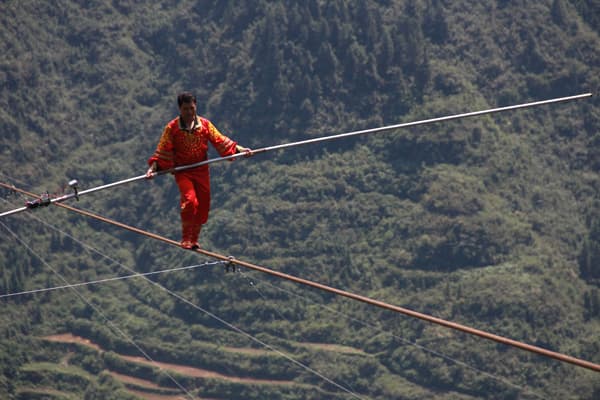
达瓦孜(维吾尔族走钢丝)
Darwaz (Uygur tightrope walking)
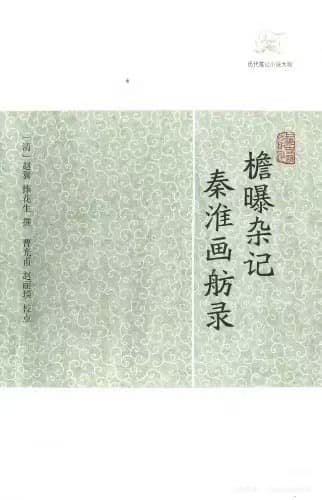
达瓦孜《檐下杂记》
Dawaz: Notes Under the Eaves
新疆维吾尔达瓦孜b1
Xinjiang Uyghur Dawaz B1
达瓦孜《突厥语大词典》
Dawaz: Compendium of Turkic Languages
达瓦孜 赵翼
Dawaz & Zhao Yi
达瓦孜穆罕默德·喀什葛里
Dawaz and Mahmud al-Kashgari
视频展示Video Gallery
视频资料Video Resources
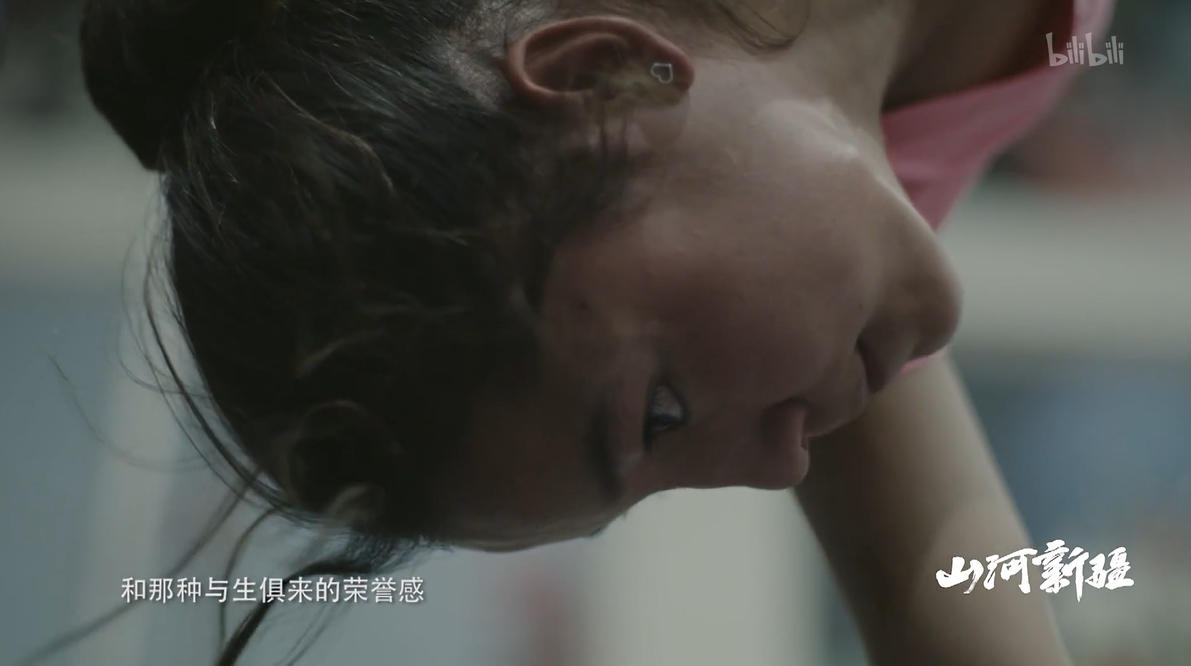
新疆维吾尔达瓦孜 b2
Xinjiang Uyghur Dawaz B2
参考文献与资料来源References and Sources
以下来源均为政府官网、国家非遗平台、新华社或中央主流媒体等权威来源;英文内容为依据中文权威资料整理,翻译和概括。访问日期:202607-22;
The sources below are offcial or authoritative sources. English content is translated and summarized from Chinese authoritative materials Access date:2026-07.22
中国非物质文化遗产网·中国非物质文化遗产数字博物馆 https://www.ihchina.cn/art/detail/id/13781.html
钢丝上的少年 “中国达瓦孜之乡”的千年接力 钢丝逐梦传薪火 非遗少年绽芳华——英吉沙县达瓦孜技艺传承故事 - 中国日报网 https://xj.chinadaily.com.cn/a/202606/10/WS6a292693a310942cc49b1127.html
维吾尔族达瓦孜 _ 百科 https://baike.sogou.com/m/fullLemma?lid=6707094&g_ut=3