项目概况Project Overview
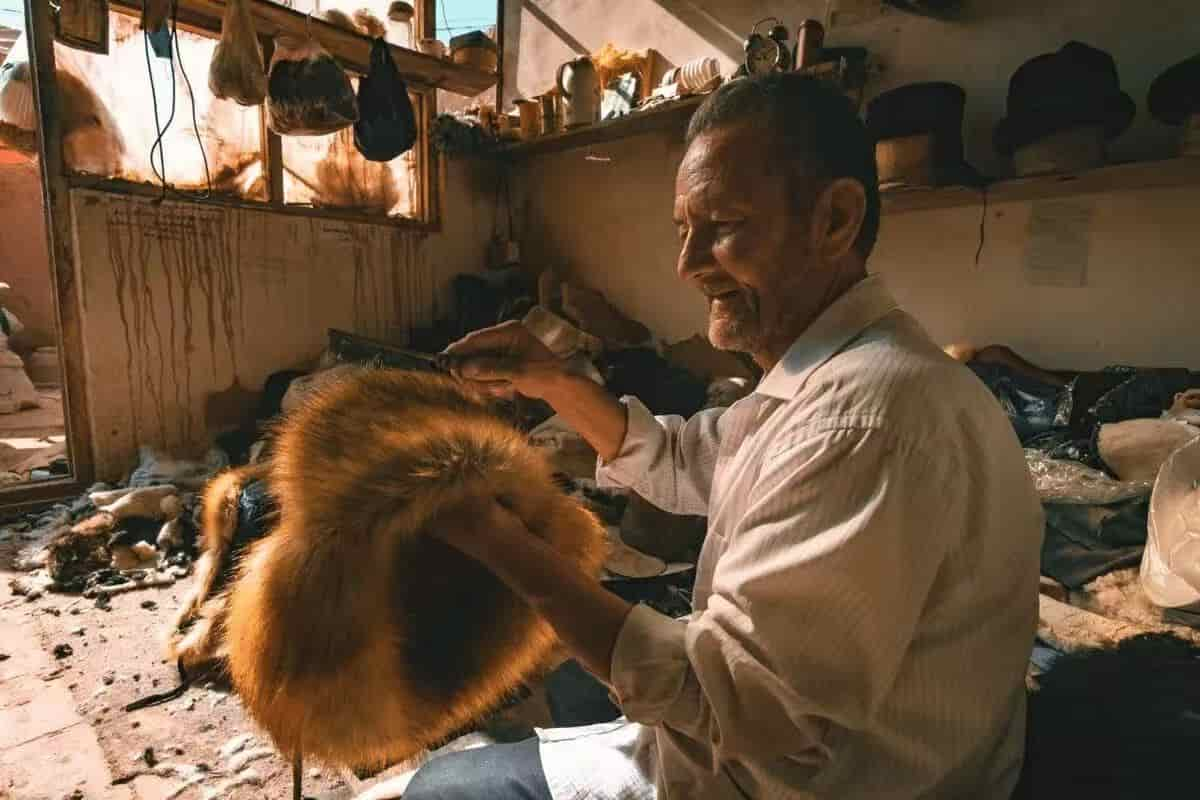
沙雅古属龟兹,地处丝绸之路南疆要道,两千多年前已诞生卡拉库尔胎羔皮帽制作技艺。当地汉代玉什喀特古城遗址出土过胎羔皮帽实物,佐证汉代该工艺已发展成熟。古龟兹融汇中原、波斯、西域多元文明,依托本地特有卡拉库尔羊资源,先民利用胎羔皮保暖、纹理独特的特性,逐步形成鞣皮、裁缝、定型全套手工工序。历经魏晋、唐宋、明清持续传承改良,皮帽成为维吾尔族礼仪、日常穿戴标志性器物,承载绿洲游牧与农耕交融的生活智慧,2008年该技艺列入第二批国家级非遗名录,完成千年民间技艺的官方系统性保护。(资料来源:S1、S3、S4)
Shaya was anciently part of Qiuci and lies on the southern Xinjiang route of the Silk Road. The craftsmanship of making Karakul fetal lambskin hats originated here more than 2,000 years ago. Physical specimens of fetal lambskin hats unearthed at the Yushikat Ancient City Site dating back to the Han Dynasty in the locality prove that this craft had attained maturity by the Han Dynasty. Ancient Qiuci integrated diverse civilizations from the Central Plains, Persia and the Western Regions. Drawing on the locally unique Karakul sheep resources, local ancestors took advantage of the excellent thermal retention and distinctive grain of fetal lambskins and gradually developed a complete set of manual procedures including tanning, tailoring and shaping. Passed down and continuously refined through the Wei-Jin, Tang-Song, Ming and Qing dynasties, the leather hats evolved into iconic apparel for rituals and daily wear among the Uyghur people, embodying the life wisdom forged by the integration of oasis nomadism and farming. In 2008, the craft was inscribed on the second national list of intangible cultural heritage, ushering in systematic official protection for this millennia-old folk skill.(Source: S1、S3、S4)
项目基本信息Project Basic Information
Collection Key Points
Content
English name
Uyghur Karakul Lamb Fur Hat Making Skills
Project Category
Traditional craftsmanship
Heritage Level
National representative intangible cultural heritage project
Inclusion Batch & Number
Second batch, code: VIII-114
Declared Region
Shaya County, Aksu Prefecture, Xinjiang Uygur Autonomous Region
Safeguarding Unit
Shaya County Cultural Center
Representative Inheritor
Yushan Mamat (the 3rd batch of national inheritors, deceased), Emer Tuniyaz (the 5th batch of national inheritors, incumbent)
Main Distribution Area
Shaya County, Aksu Prefecture, Xinjiang, covering the Uyghur-inhabited oasis areas in the Tarim Basin of southern Xinjiang
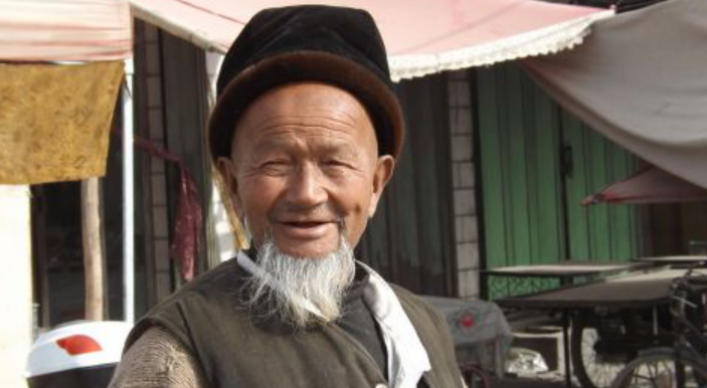
图注:戴上卡拉库尔胎羔皮帽的感觉。 / Caption: The feeling of wearing a Karakul lambskin hat.(图片来源:中国民族文化资源网http://mzwhzykweb1.minwang.com.cn/eportal/ui?pageId=742775&articleKey=647740&columnId=742717、)
历史渊源Historical Origins
沙雅古属龟兹地域,地处古丝绸之路要道,塔里木河谷天然牧场适宜卡拉库尔羊繁育,为技艺诞生提供得天独厚的物产基础。考古资料证实,沙雅汉代玉什喀特古城出土过卡拉库尔胎羔皮及胎羔皮帽,证明该技艺距今已有两千余年历史,至汉代工艺已趋于成熟。历史上这里是多元文明交融之地,中原、波斯、印度、古希腊罗马文化在此交汇,持续推动皮毛加工技艺迭代发展。漫长历史中,卡拉库尔胎羔皮帽依托古商路向外流通,远销中亚、西亚乃至东欧,曾被称作“波斯羊皮帽”。当地长久流传“吐鲁番的葡萄哈密的瓜,龟兹的羊羔一朵花”民间歌谣,印证胎羔皮制品长久以来的重要地位。技艺依靠师徒口传心授世代传承,2007年列入新疆维吾尔自治区级非遗名录,2008年正式列入第二批国家级非物质文化遗产名录。(资料来源:S1、S3、S4、S6)
Shaya was anciently part of the Kucha territory and situated on the vital route of the ancient Silk Road. The natural pastures in the Tarim River valley are suitable for breeding Karakul sheep, laying a unique material foundation for the emergence of this craft. Archaeological evidence confirms that Karakul fetal lambskins and fetal lambskin hats were unearthed at the Yishikat Ancient City in Shaya dating back to the Han Dynasty, proving that this craft boasts a history of more than 2,000 years and had become relatively mature by the Han Dynasty. Historically, this region served as a hub for the integration of diverse civilizations, where cultures from the Central Plains, Persia, India, ancient Greece and Rome converged, continuously driving the evolution and advancement of fur processing techniques. Over the long course of history, Karakul fetal lambskin hats were transported outward along ancient trade routes and sold far to Central Asia, West Asia and even Eastern Europe, once known as "Persian sheepskin hats". A local folk ballad that has been passed down for ages goes: "Turpan’s grapes, Hami’s melons, and Kucha’s lambskins fair as a flower", which attests to the long-standing significance of fetal lambskin products. The craft has been passed down from generation to generation through verbal instruction and hands-on mentoring between masters and apprentices. It was inscribed on the Intangible Cultural Heritage List of Xinjiang Uygur Autonomous Region in 2007 and officially included in the Second Batch of National Intangible Cultural Heritage List in 2008.(Source: S1、S3、S4、S6)
文化价值与社会意义Cultural Value and Social Significance
一、文化价值
I. Cultural Values
维吾尔族卡拉库尔胎羔皮帽制作技艺拥有两千余年传承历史,是龟兹文化与西域多元文明交融的重要实物载体,完整保留了维吾尔族传统鞣革、塑形、缝制的整套手工匠作智慧。该技艺依托本地特有卡拉库尔羊资源形成独特工艺体系,集中展现维吾尔族高超的皮毛加工技艺与传统审美理念。同时,胎羔皮帽是维吾尔族重要的传统服饰符号,在民族民俗文化中象征自尊与互敬的人文内涵,承载着当地民众的生活习俗、礼仪文化与民族审美记忆,是新疆地域特色民族服饰文化不可或缺的组成部分,为研究西域手工业发展史、民族服饰演变史提供了珍贵的活态史料。(资料来源:S1、S3、S4、S5)
The craftsmanship of making Uyghur Karakul fetal lambskin hats boasts a heritage spanning more than 2,000 years. It serves as an important tangible carrier embodying the integration of Qiuci culture and diverse civilizations of the Western Regions, fully preserving the comprehensive handmade craftsmanship wisdom of traditional Uyghur leather tanning, shaping and sewing. Developed based on locally unique Karakul sheep resources, this craft has formed a distinctive technical system, fully demonstrating the superb fur processing skills and traditional aesthetic concepts of the Uyghur people. Meanwhile, the fetal lambskin hat is a vital symbol of traditional Uyghur costumes. It carries the humanistic connotations of self-respect and mutual respect within ethnic folk culture, inheriting the living customs, etiquette culture and ethnic aesthetic memories of local residents. As an indispensable part of Xinjiang’s distinctive ethnic costume culture, it provides precious living historical materials for the research on the development history of handicrafts and the evolution of ethnic costumes in the Western Regions.(Source: S1、S3、S4、S5)
二、社会意义
II. Social Significance
该项国家级非遗技艺是维系地域民族文化认同、传承中华多元民族文化的重要纽带,保护与活化传承该技艺,能够丰富中华优秀传统文化体系、延续少数民族传统匠作文脉。历史上,胎羔皮帽作为丝绸之路特色商贸物产,长期参与中外经贸往来,是新疆与中亚、西亚文化交流、民心互通的重要媒介。在当代,技艺传承有效带动地方非遗文旅融合发展,助力传统手工艺产业化发展、拓宽群众增收渠道,同时通过非遗展示、传承教学等活动,促进传统文化普及传播,增进各民族文化交流交融,具有重要的文化保护、经济发展与社会团结价值。
(资料来源:S1、S3、S4、S5)
This national intangible cultural heritage craft serves as a vital bond sustaining regional ethnic cultural identity and inheriting China's diverse ethnic cultures. Protecting, revitalizing and passing down this craft can enrich the system of fine traditional Chinese culture and carry forward the traditional craftsmanship heritage of ethnic minorities. Historically, lambskin hats, as distinctive trade goods along the Silk Road, were long involved in economic and trade exchanges between China and foreign countries. They acted as an important medium for cultural exchanges and people-to-people connectivity between Xinjiang and Central Asia as well as West Asia. In contemporary times, the inheritance of this craft effectively drives the integrated development of local intangible cultural heritage and cultural tourism, boosts the industrialization of traditional handicrafts and expands income-generating channels for the public. Meanwhile, activities such as intangible cultural heritage exhibitions and inheritance teaching facilitate the popularization and dissemination of traditional culture, and promote cultural exchange and integration among all ethnic groups. Therefore, it bears significant value in cultural preservation, economic development and social solidarity.
.(Source: S1、S3、S4、S5)
工艺特征Craft Characteristics
该技艺依托南疆本地特有卡拉库尔胎羔皮原料,原料获取遵循古法取皮流程,胎羔皮毛质浓密乌黑、自带多种天然卷曲花纹,区别于普通羔皮材料;整套制作全程纯手工完成,完整分为鞣革、整皮干燥、裁剪定型、模具塑形、缝制内衬、精细整修六道标准化工序,配套鞣革桶、木制帽模等18种专属传统工具,鞣制环节采用盐水搭配玉米面的原生态天然鞣料配方,无化学制剂,依靠匠人经验把控皮料软化、塑形、缝合全流程尺度;工艺兼顾功能性与民族审美,依托木质模具定型保障帽型规整,手工细密针脚缝合棉布、毛毡内衬提升佩戴舒适度,成品不易变形、御寒性能优异,同时衍生杜化瓦、吾尼且、杜力昆等多款适配维吾尔民俗礼仪的经典帽型,是西域传统皮毛加工工艺与地域服饰审美融合的典型代表。(资料来源:S1、S3、S4、S7)
This craft relies on Karakur lamb skin raw materials unique to southern Xinjiang; the procurement of these raw materials follows ancient traditional methods. The lamb skin exhibits dense, jet-black texture with natural curly patterns, distinguishing it from ordinary lamb skin materials. The entire production process is completed entirely by hand, consisting of six standardized stages: tanning, skin drying, cutting and shaping, mold-forming, sewing the inner lining, and meticulous finishing. The process utilizes 18 specialized traditional tools, including tanning vats and wooden hat molds. During the tanning stage, an eco-friendly natural tanning formula—comprising saltwater and cornmeal—is employed; no chemical agents are used, and the artisans rely on their extensive experience to precisely control the softening, shaping, and sewing processes throughout the workflow. This craftsmanship balances functionality with ethnic aesthetics: wooden molds ensure a symmetrical hat shape, while hand-sewn cotton or felt inner linings enhance wearing comfort. The finished product resists deformation and offers excellent cold resistance. Additionally, this craft has inspired several classic hat styles tailored to Uyghur folk customs and rituals, such as Duhua Wa, Wuniqie, and Duli Kun, serving as a quintessential example of the fusion between traditional leather and fur processing techniques of the Western Regions and regional fashion aesthetics.(Source:S1、S3、S4、S7).
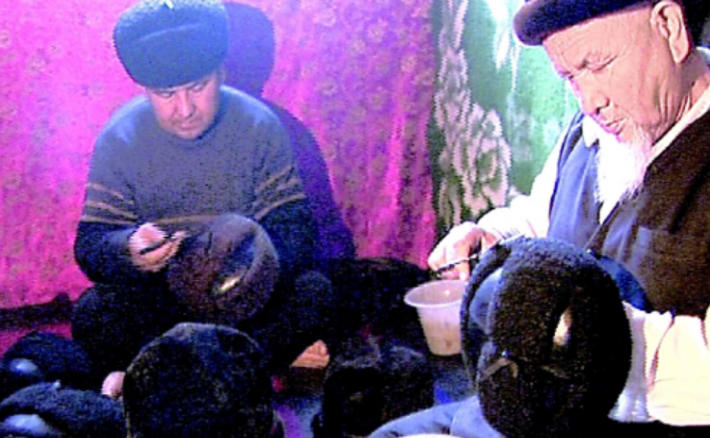
图注:制作卡拉库尔胎羔皮帽。 / Caption:Making Karakul lambskin hats.(图片来源:中国民族文化资源网http://mzwhzykweb1.minwang.com.cn/eportal/ui?pageId=742775&articleKey=647740&columnId=742717、)
工艺流程详解Detailed Craft Process
该皮帽制作技艺遵循传统手工皮毛加工工序,依次完成原料鞣制处理、皮料整形整理、版型裁剪塑形、内衬缝合装配、成品精细修饰五大核心流程。整体采用纯手工制作工艺,依托匠人经验全程手工操作,搭配鞣革桶、木帽模等专用工具处理卡拉库尔胎羔皮原料,最终产出适配新疆地域气候、兼具实用与审美价值的维吾尔族传统皮帽成品.(资料来源:S1、S2、S4、S5)
The craftsmanship of making this leather hat follows traditional manual fur processing procedures, covering five core processes in sequence: raw material tanning treatment, leather shaping and trimming, pattern cutting and forming, lining stitching and assembly, and meticulous finishing of finished products. Entirely handmade, the production relies on artisans’ experience for full manual operations. Special tools such as tanning barrels and wooden hat molds are used to process Karakul fetal lamb pelts, yielding finished traditional Uyghur leather hats suited to Xinjiang’s climate with both practical and aesthetic value. (Source: S1、S3、S4、S5)
代表性术语 / Key terms
Raw material tanning treatment
Soak fetal lamb skin in a natural tannin solution to complete the degreasing, preservative treatment, and softening processes, thereby stabilizing the texture of the leather.
Leather Shaping and Finishing
Air-dry the material, flatten its surface, smooth out the natural curly texture, and standardize the shape of the raw materials.
Pattern cutting and shaping
Cut the leather material according to the paper mold pattern, fix it to the wooden mold for stretching and shaping, and determine the hat's contour.
Inner lining suturing assembly
Hand-sew the leather pieces, sew the felt or velvet lining, and assemble the hat body structure.
Finished product fine finishing
Trim excess hair, soften the fur, and refine edges to optimize both appearance and wearing comfort.
原料鞣制处理 Raw material tanning treatment
挑选品质优良的卡拉库尔胎羔原皮作为原材料,把玉米面和盐水调配成天然鞣制液体,将整张皮料放入鞣液中反复浸泡、揉制,全程不添加各类化学药剂。依靠传统鞣制工艺去除皮料油脂,实现防腐、软化效果,锁住胎羔皮本身自然卷曲的毛纹,防止皮毛变硬、腐坏,等到皮料柔韧程度达到标准后取出,完成原材料基础加工。(资料来源:S1、S3、S4、S5)
Straw clay is made by mixing loess with wheat straw, followed by stewing and pounding. Earthen bricks are formed using moulds and set aside to air-dry naturally. High-quality raw fetal Karakul lambskins are selected as raw materials. Cornmeal and salt water are blended to make a natural tanning liquid. Whole hides are repeatedly soaked and kneaded in the tanning liquid without any chemical agents added throughout the process. Traditional tanning techniques are used to remove grease from the hides to achieve antiseptic and softening effects, preserve the naturally curly grain of the fetal lamb fur, and prevent the fur and hide from hardening and decaying. The hides are taken out once their flexibility meets standards, completing the primary processing of raw materials.(Source: S1、S3、S4、S5)
皮料整形整理 Leather Shaping and Finishing
鞣制完成的皮张平铺放置在阴凉通风区域自然阴干,禁止阳光直晒损伤皮毛;皮料干透后使用专用工具压平皮面褶皱,手工梳理皮毛,理顺天然卷曲花纹,剔除皮料存在的破损、瑕疵,统一皮料厚薄与毛面状态,为下一阶段裁剪工序提供平整规整的原料。(资料来源:S1、S3、S4、S5)
The tanned hides are laid flat in a cool and well-ventilated area for natural air-drying. Direct sunlight is prohibited to prevent damage to the fur. Once the hides are thoroughly dried, special tools are used to flatten wrinkles on the leather surface. The fur is manually combed to straighten natural curled patterns. Damaged and defective hides are eliminated to standardize the thickness of hides and the condition of fur surfaces, providing flat and regular raw materials for the subsequent cutting process.(Source: S1、S3、S4、S5)
版型裁剪塑形 Pattern cutting and shaping
根据需要制作的帽型标准纸样,在整理完毕的皮料上勾勒轮廓,精准裁切出帽顶、帽身、帽檐等独立皮片,裁切时尽量保留皮毛原生花纹;将裁切好的皮料紧密贴合专用木质帽模,人工拉伸、固定皮料,借助模具的支撑定型,塑造出轮廓规整、不易变形的帽子基础外形(资料来源:S1、S3、S4、S5)
Create standard paper patterns for required hat styles, trace outlines on finished leather materials, and precisely cut separate leather pieces including hat crowns, hat bodies and brims, while preserving the natural fur patterns as much as possible during cutting. Attach the cut leather tightly to special wooden hat molds, stretch and fix the leather manually, and shape it with the support of molds to form a well-contoured and dimensionally stable basic hat shape that resists deformation.(Source: S1、S3、S4、S5)
内衬缝合装配 Lining stitching assembly
将定型后的皮料分片从模具取下,使用传统锥针以手工方式缝合各个皮片,拼接成完整的帽体;选用棉布、毛毡或者金丝绒材料制作内衬,手工把内衬缝制在皮帽内侧,加固所有拼接缝隙,提升佩戴舒适感,完成皮帽外皮与内衬的整体组装。(资料来源:S1、S3、S4、S5)
Remove the shaped leather pieces from the mould, then stitch each leather piece manually with traditional awl needles to assemble them into a complete hat body. Select cotton cloth, felt or velvet to make the lining, sew the lining onto the inner side of the leather hat by hand, reinforce all stitching seams to improve wearing comfort, and finish the overall assembly of the leather hat's outer shell and lining. (Source: S1、S3、S4、S5)
成品精细修饰 Finished product fine finishing
把成型的皮帽完整从木模取下,对皮毛进行润软养护处理,修剪表面杂乱多余的杂毛,打磨、压平帽身边角凸起处;细微调整整体帽型,梳理全部毛面,修补缝合位置细小瑕疵,兼顾外观美观度与佩戴手感,最终产出完整的胎羔皮帽成品。
(资料来源:S1、S3、S4、S5)
Remove the formed fur hat intact from the wooden mould, soften and condition the fur, trim messy and excess stray hairs on the surface, and grind and flatten the raised edges and corners of the hat body. Make subtle adjustments to the overall hat shape, comb the entire fur surface, repair tiny defects at stitched seams, balance visual appeal and wearing comfort, and finally produce a finished lambskin hat.(Source: S1、S3、S4、S5)
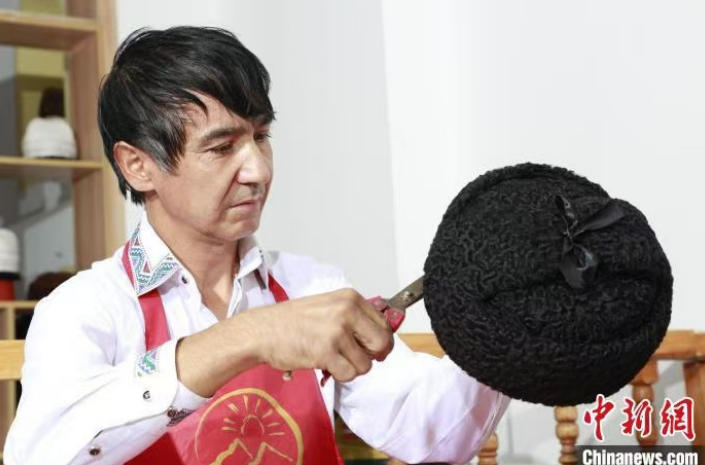
图注:制作卡拉库尔胎羔皮帽。 / Caption:Making Karakul lambskin hats.(图片来源:中国新闻网:https://www.chinanews.com/)
文化内涵与特色Cultural Connotations and Features
Collection Key Points
Bilingual Notes
Meaning of Cultural Symbols
The Uyghur Karakul lambskin hat is a highly representative cultural symbol of traditional Uyghur costumes in Xinjiang. It symbolizes self-respect, solemnity and civility, serving as an external embodiment of Uyghur folk etiquette and national temperament. Meanwhile, this craft originates from the ancient Kuqa Silk Road cultural belt, bearing memories of the integration of diverse civilizations in the Western Regions. It is an important physical marker of cultural exchanges and ethnic interaction and integration along the Silk Road, as well as the most distinctive intangible cultural heritage calling card of Shaya.
Artistic Features
Finished products of this craft rely on Karakul fetal lambskins featuring unique texture with naturally jet-black, glossy fur and inherent curly patterns. No additional dyeing or ornamentation is required, showcasing striking natural beauty. The entire production process adopts purely traditional handcraft techniques, including natural biological tanning, mould shaping and meticulous hand stitching. The finished pieces boast neat and elegant silhouettes with simple and graceful lines. Multiple traditional hat styles feature solemn and harmonious shapes that integrate the beauty of natural materials, the artistry of handcrafts and the traditional aesthetic of the Uyghur people, embodying a distinctive artistic style of Western Regions handicrafts.
Regional Characteristics
This craft is an original handicraft unique to Shaya in Xinjiang. Developed based on the special germplasm resources of Karakul sheep native to the local Tarim River Basin, it is an exclusive characteristic craft of the "Hometown of Chinese Karakul Sheep". Rooted in the land of the ancient Qiuci culture, it has formed a distinctive craft system nurtured by the diverse cultures along the Southern Xinjiang section of the Silk Road. Meanwhile, suited to the arid, windy and frigid desert climate of Southern Xinjiang, this craft features strong regionality, originality and non-replicability, making it a typical Xinjiang regional folk handicraft.
Social Functions
This craft embodies the ethnic living customs and collective memories, serving to sustain ethnic cultural identity and carry forward local cultural heritage. For a long time, leather hats have been widely worn by the Uyghur people for festivals, rituals and daily life, constituting an indispensable part of folk custom. In contemporary times, the inheritance of this craft can enrich cultural and tourism resources, boost the development of folk handicrafts, and facilitate cultural exchange and integration among all ethnic groups. It bears multiple values covering cultural inheritance, preservation of folk customs as well as social, cultural and tourism development.
Sources
传承与保护现状Inheritance and Protection Status
Collection Key Points
Content
Safeguarding Unit
Shaya County Cultural Center
Representative Inheritors
1. Yushan Maimaiti (the Third Batch of National-level Inheritors) 2. Tuniyazi Yusuf (the Second Batch of National-level Inheritors) 3. Aimer Tuniyazi (the Fifth Batch of National-level Inheritors)
Inheritance Mode
1. 家族师徒口传心授 历史上该技艺长期依靠维吾尔族家庭内部世代传递,父辈通过现场实操演示、口头讲解鞣制、裁剪、缝合等工序要点,子女自幼跟随家中长辈观摩、动手实操,无标准化书面教材,依靠长年实操积累匠人经验,玉山·买买提、吐尼牙孜·玉素甫、艾麦尔·吐尼亚孜四代传承均采用此种模式。
Family-based oral tradition of master-to-disciple mentorship Historically, this craft has long been passed down from generation to generation within Uyghur families. Elders demonstrate procedures such as tanning, cutting and stitching through on-site practice and verbal instruction. Young family members observe and practice alongside their seniors from an early age. There are no standardized written manuals, and craftsmanship is built up through years of hands-on experience. This mode of inheritance has been adopted across four generations, including Yusan Mamat, Tuniyaiz Yusup and Aimer Tuniyaiz.
社会化公益传习 沙雅县文化馆搭建公共传习平台,由国家级传承人开设常态化非遗培训班,面向本地群众、青少年集中授课;同时设立非遗展厅,常态化开展现场工艺演示,打破家族传承壁垒,面向社会开放技艺学习渠道。
2.Socialized Public Welfare Education Shaya County Cultural Center has built a public inheritance platform where national-level inheritors offer regular intangible cultural heritage training courses for local residents and teenagers through centralized teaching. Meanwhile, an intangible cultural heritage exhibition hall has been set up to host on-site craft demonstrations on a regular basis. This initiative breaks the barriers of family inheritance and opens channels for the public to learn traditional craftsmanship.
Protection Measures
1. 分级名录认定,建立法律保护基础 2007年该技艺列入新疆维吾尔自治区级非物质文化遗产名录,2008年正式纳入第二批国家级非物质文化遗产名录,获得国家、自治区、县三级非遗专项政策与资金扶持。
1. Recognition through classified catalogs to lay a foundation for legal protection The craft was inscribed on the Xinjiang Uygur Autonomous Region-level Intangible Cultural Heritage List in 2007. In 2008, it was formally included in the Second Batch of National Intangible Cultural Heritage List, receiving special policy and financial support for intangible cultural heritage at national, autonomous regional and county levels.
2. 设立专属非遗展厅,完整留存实物史料 沙雅县文化馆设立卡拉库尔胎羔皮帽制作技艺专属展厅,收集传统制帽工具、历代成品皮帽、老照片、文字口述档案,完成技艺文字、影像资料数字化建档保存。
2. Construction of exclusive intangible cultural heritage exhibition hall to fully preserve physical historical materials The Shaya County Cultural Center has built an exclusive exhibition hall for the craft of making Karakul fetal lamb skin hats. It collects traditional hat-making tools, finished leather hats of different generations, old photos and written oral archives, and completes the digital archiving and preservation of textual and video materials of the craft.
3. 常态化公益传习培训 由保护单位沙雅县文化馆定期开设免费技艺培训班,邀请国家级传承人现场教学,为学员提供实操场地、基础工具,系统性培养青年学徒,扩充传承人群规模。
3. Regular public welfare inheritance training Shaya County Cultural Center, the designated protection institution, regularly offers free skill training courses. National-level inheritors are invited to provide on-site teaching. Trainees are provided with practice venues and basic tools to systematically train young apprentices and expand the group of inheritors.
4. 扶持传承人,保障传承基础条件 对认定的国家级非遗传承人发放专项传承补助,扶持传承人开办家庭传习作坊,支持传承人创新适配现代市场的帽型,打通文旅展示、线下销售渠道,提升技艺经济收益。
4. Support for inheritors to guarantee basic conditions for heritage transmission Special inheritance subsidies are granted to certified national-level intangible cultural heritage inheritors. Inheritors are supported to run family inheritance workshops, develop hat styles adapted to the modern market, facilitate cultural tourism exhibitions and offline sales channels, and increase economic returns from the craft.
5. 全媒体宣传推广 地方融媒体、文旅官方平台持续发布技艺专题图文、短视频,记录匠人制作全过程,面向线上大众普及非遗文化,扩大技艺社会认知度。
5. Omni-media publicity and promotion Local integrated media and official cultural and tourism platforms continuously release themed articles, pictures and short videos about the craft, recording the whole production process of craftsmen. Such efforts popularize intangible cultural heritage culture among online audiences and raise public awareness of the craft.
Challenges
1. 核心原料供给持续缩减 高产肉奶改良羔羊品种大规模推广,本地传统卡拉库尔羊养殖规模持续萎缩,胎羔皮原材料产量大幅下降,直接限制技艺规模化制作与传承练习。
1. Continuous Reduction in the Supply of Core Raw Materials With the large-scale popularization of improved lamb breeds with high meat and milk yields, the breeding scale of local traditional Karakul sheep keeps shrinking. The output of fetal lamb pelts has dropped significantly, which directly restricts the large-scale production of the craft and its inheritance through practice.
2. 工艺门槛高,学习周期漫长 整套工艺包含五大核心手工流程,天然古法鞣制、木模定型、手工缝制等工序全部依靠匠人经验把控,无标准化速成方法,完整掌握全部技艺需要数年实操,年轻人学习意愿偏低,熟练匠人逐年减少。
2. High Technical Barriers and Long Learning Curve The complete craft consists of five core manual procedures. Processes including natural ancient tanning, shaping with wooden moulds and hand stitching all rely on artisans’ experience, with no standardized shortcut methods. It takes years of practical operation to fully master all skills. Young people show low willingness to learn, and the number of skilled artisans declines year by year.
3. 现代服饰冲击传统皮帽市场需求 现代轻便保暖服饰普及,传统胎羔皮帽日常佩戴场景减少,市场消费需求收缩,单纯依靠制帽难以稳定增收,导致年轻群体不愿长期从事该行业。
3. Impact of Modern Garments on Market Demand for Traditional Fur Hats The prevalence of lightweight and warm modern apparel has reduced daily occasions for wearing traditional fetal lamb fur hats, leading to shrinking market demand. Stable income cannot be guaranteed merely by hat-making, discouraging young people from engaging in this trade for the long term.
4. 传统原生家族传承模式逐步弱化 城镇化进程加快,年轻劳动力外出务工,传统家庭内部代代传习的模式难以维系,仅依靠文化馆短期培训班难以快速填补传承人群缺口。
4. Gradual Weakening of the Traditional Original Family Inheritance Model Accelerated urbanization drives young laborers to seek jobs elsewhere, making it hard to sustain the traditional intergenerational family inheritance model. Short-term training courses organized by cultural centers alone cannot rapidly fill the gap of inheritors.
Sources
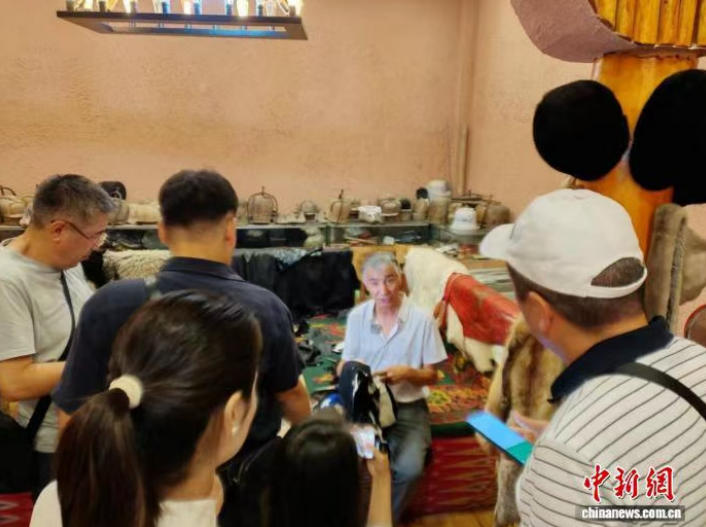
图注:传承卡拉库尔胎羔皮帽场景图。 / Caption:Scene Image of Inheriting Karakul Lambskin Hats(图片来源:中国西藏网官方纪实拍摄,沙雅县文化馆非遗展厅多款传统皮帽成品集中陈列,可直观对比不同帽型样式)
图片展示Photo Gallery
工艺流程图片Craft Process Photos
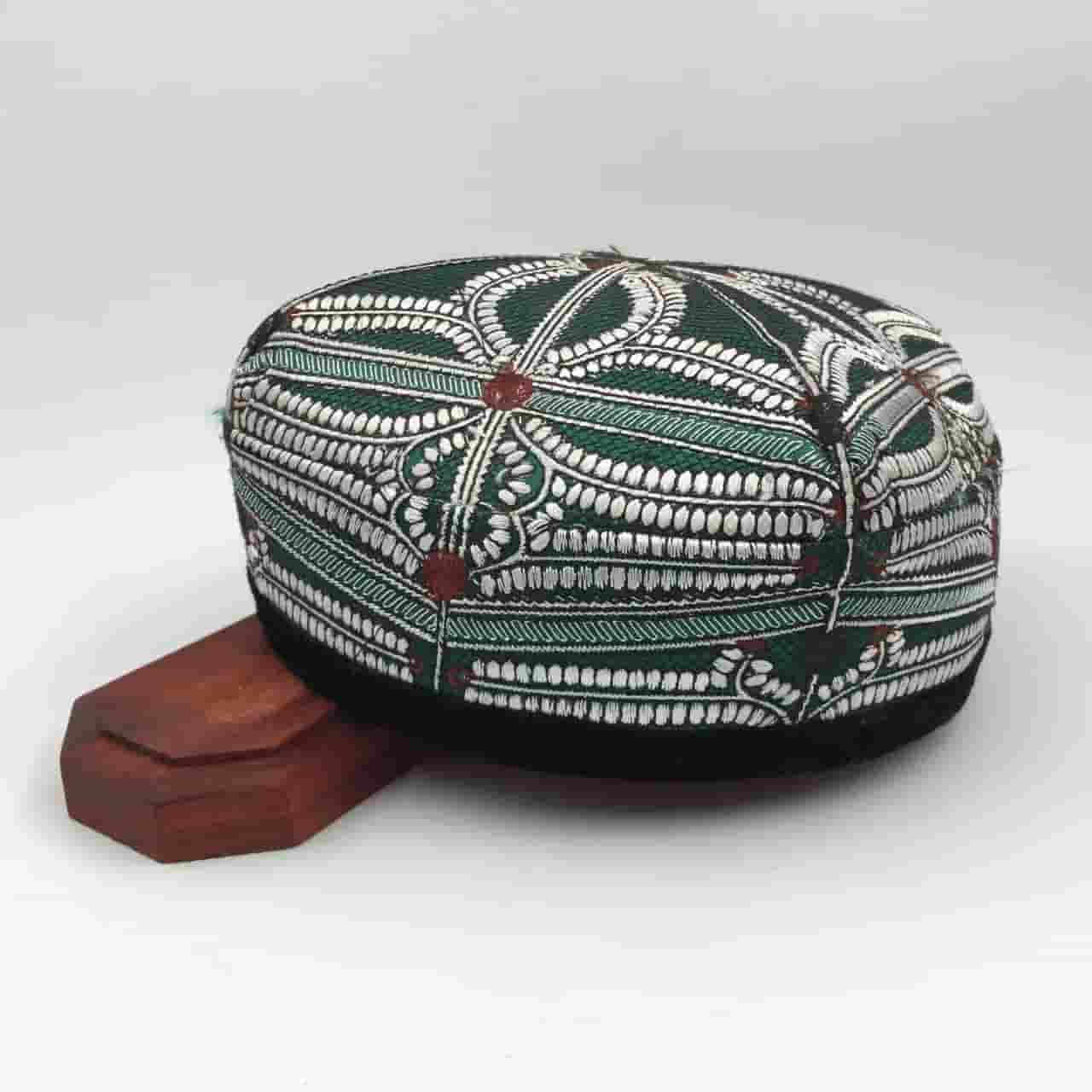
维吾尔族卡拉库尔胎羔皮帽成品 (2)
Uyghur Karakul Lamb Fur Hat Finished Product (2)
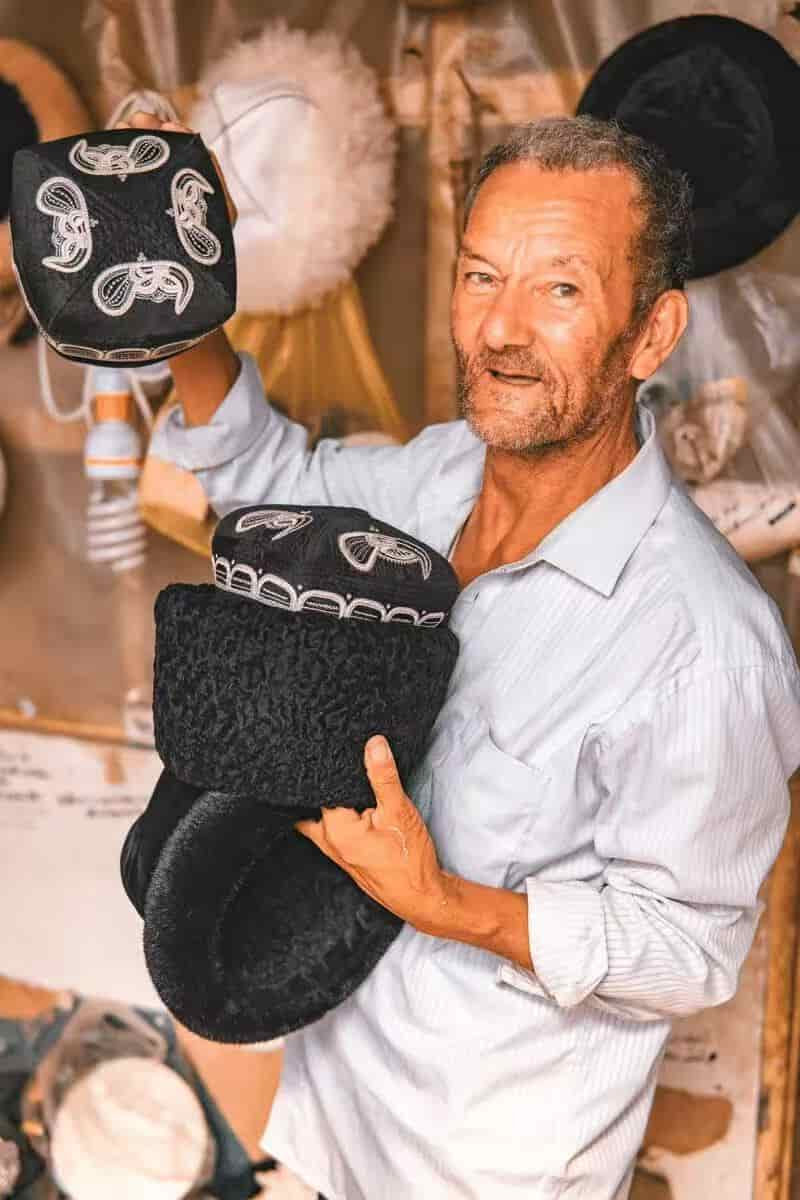
维吾尔族卡拉库尔胎羔皮帽成品 (1)
Uyghur Karakul Lamb Fur Hat Finished Product (1)
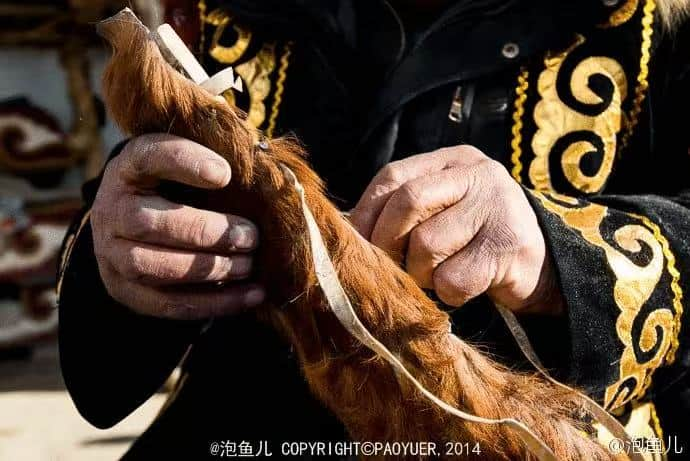
维吾尔族卡拉库尔胎羔皮帽制作过程 (3)
Production Process of Uyghur Karakul Lamb Fur Hat (3)
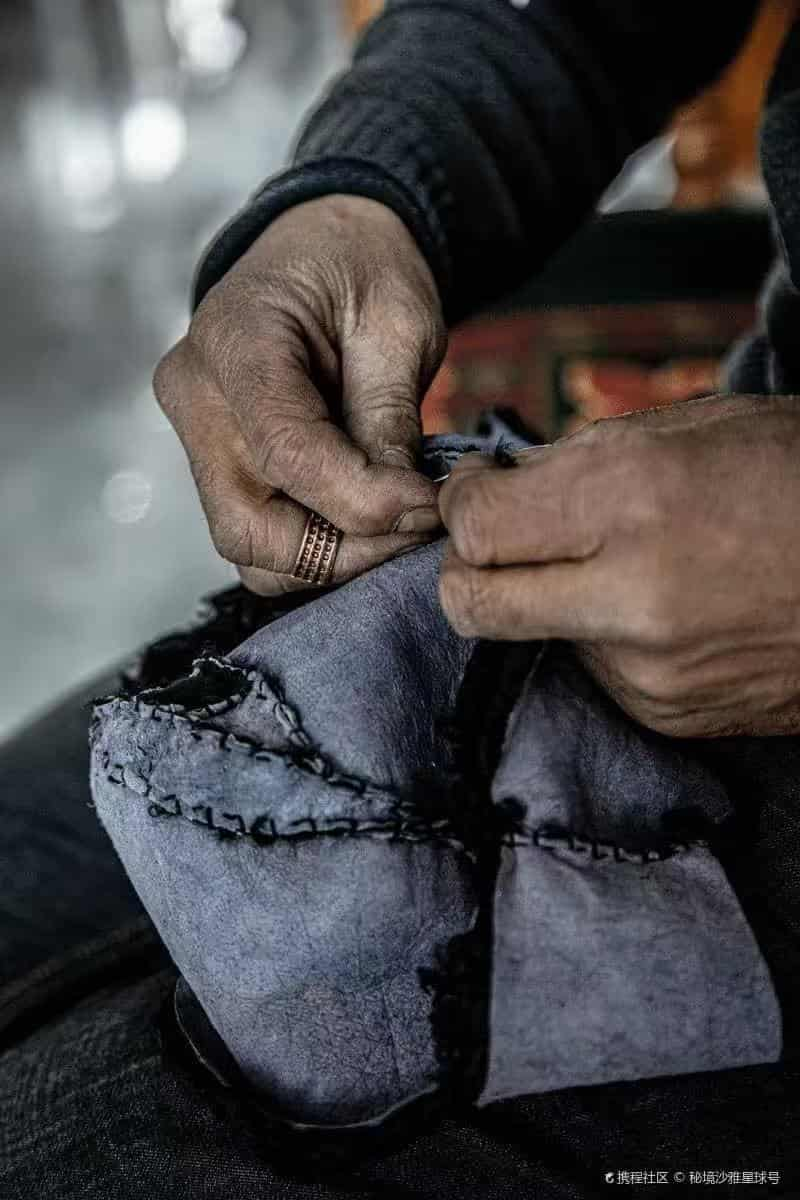
维吾尔族卡拉库尔胎羔皮帽制作过程
Production Process of Uyghur Karakul Lamb Fur Hat
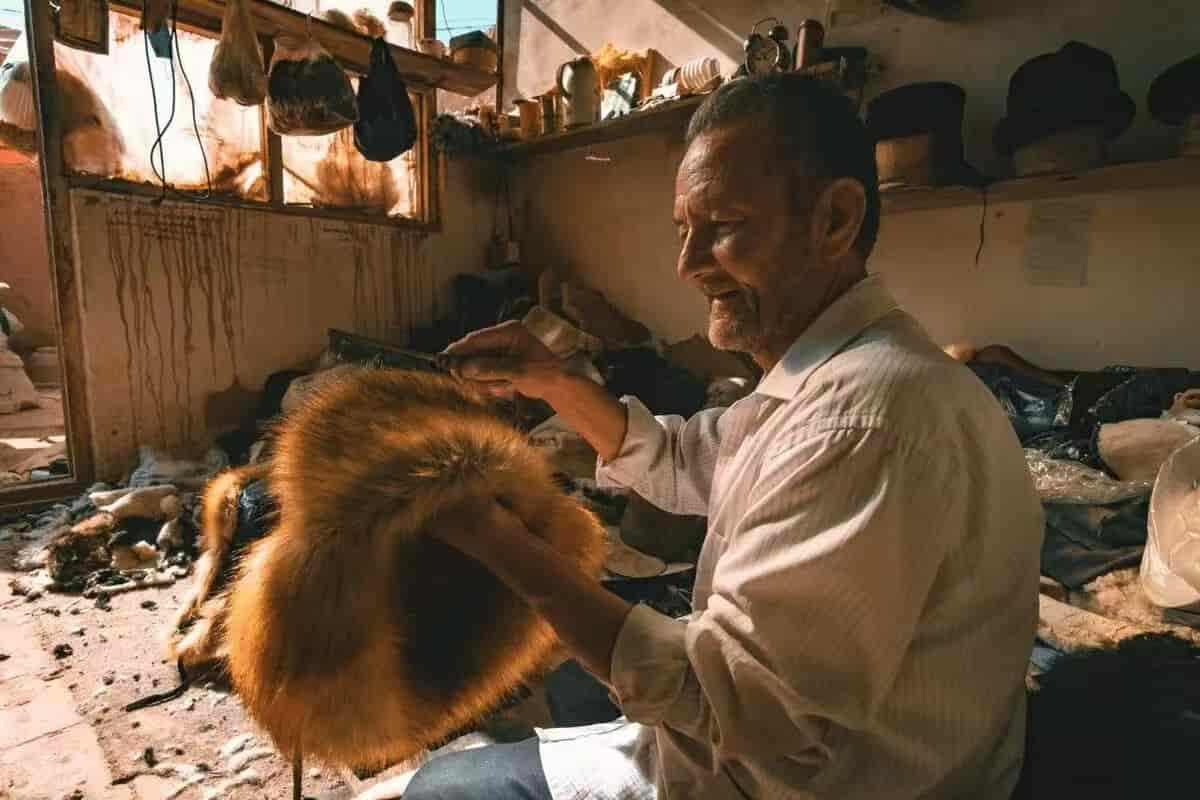
维吾尔族卡拉库尔胎羔皮帽制作过程 (2)
Production Process of Uyghur Karakul Lamb Fur Hat (2)
参考文献与资料来源References and Sources
以下来源均为政府官网、国家非遗平台、新华社或中央主流媒体等权威来源;英文内容为依据中文权威资料整理、翻译和概括。访问日期:2026-07-20。
The sources below are official or authoritative sources. English content is translated and summarized from Chinese authoritative materials. Access date: 2026-07-20.
中国非物质文化遗产数字博物馆官网 https://www.ihchina.cn/project_details/14510.html
国家级非遗传承人公示页面 https://www.ihchina.cn/ccr_detail/3120/、https://www.ihchina.cn/search_result/p/1048/keyword/%E7%BB%B4%E5%90%BE%E5%B0%94%E6%97%8F%E5%8D%A1%E6%8B%89%E5%BA%93%E5%B0%94%E8%83%8E%E7%BE%94%E7%9A%AE%E5%B8%BD%E5%88%B6%E4%BD%9C%E6%8A%80%E8%89%BA
国家民委中国民族文化资源网 http://mzwhzykweb1.minwang.com.cn/eportal/ui?pageId=742775&articleKey=647740&columnId=742717
沙雅县融媒体中心官方发布(魅力沙雅)
http://m.toutiao.com/group/7667402768738452022/
阿克苏地区行政公署官网 http://www.aks.gov.cn/zjaks/lysp/20210531/i688064.html)