项目概况Project Overview
英吉沙小刀对应的国家级非遗项目名称为“维吾尔族传统小刀制作技艺”。中国非物质文化遗产网显示,该项目属于传统技艺类,2008年入选第二批国家级非物质文化遗产代表性项目名录,项目编号为Ⅷ-122,申报地区为新疆维吾尔自治区喀什地区英吉沙县,保护单位为英吉沙县文化馆。(资料来源:S1、S2)
The national ICH project corresponding to Yengisar knives is named Traditional Uygur Knife-making Craftsmanship. China's national ICH platform lists it as a traditional craftsmanship project, included in the second batch of national representative ICH projects in 2008, with project code VIII-122. The submitting area is Yengisar County, Kashgar Prefecture, Xinjiang, and the safeguarding unit is Yengisar County Cultural Center. (Source: S1、S2)
新疆维吾尔自治区农业农村厅转载的官方报道称,英吉沙有“达瓦孜、土陶、小刀、模戳印花”4项国家级非物质文化遗产,被称为“非遗古镇”;其中英吉沙小刀有400多年的制刀史,并形成了较完整的生产、展示、销售和旅游体验空间。(资料来源:S3)
An official report republished by the Xinjiang Department of Agriculture and Rural Affairs states that Yengisar has four national ICH items, Dawaz, pottery, knives, and mould-stamped cloth printing, and is known as an ancient town of intangible cultural heritage. Yengisar knives have a knife-making history of more than 400 years and have formed relatively complete spaces for production, display, sales, and tourism experience. (Source: S3)
项目基本信息Project Basic Information
Collection Key Points
Content
Project Name(English name)
Traditional Uyghur Knife-making Craft / Yengisar Knife-making Craft
Heritage Level
National Representative Intangible Cultural Heritage Project
Inclusion Batch & Number
Second Batch of National Representative Intangible Cultural Heritage List, Code: VIII-122
Announcement Date
2008
Declared Region
Yengisar County, Kashgar Prefecture, Xinjiang Uygur Autonomous Region
Safeguarding Unit
Yengisar County Cultural Center
Main Area
Centered in Yengisar County, Kashgar Prefecture, mainly reflected in knife-making, sales and exhibition venues such as Kalabashlangan Village, Mangxin Town
Sources
历史渊源Historical Origins
英吉沙位于南疆绿洲交通与手工业传统交汇地带,小刀制作长期服务于日常生活、集市交易和地方审美。官方报道中“400多年制刀史”的表述,说明该技艺不是单一工坊的现代产品,而是在区域生产生活中逐渐沉淀下来的复合型手工传统。(资料来源:S3)
Yengisar lies in a southern Xinjiang oasis area where transportation routes and handicraft traditions meet. Knife making has long served everyday life, bazaar exchange, and local aesthetics. The official description of a history of more than 400 years shows that this craft is not a modern product of a single workshop, but a composite handmade tradition gradually accumulated in regional production and daily life. (Source: S3)
从历史形态看,英吉沙小刀兼具工具、商品和礼品属性:作为工具,它强调锋利、坚固和握持;作为商品,它进入合作社、店铺和旅游消费场景;作为礼品或陈列品,它依靠刀把、刀鞘和纹样装饰体现地方审美。三种属性叠加,使英吉沙小刀在南疆非遗传播中具有很高辨识度。(资料来源:S1、S3、S4)
Historically, Yengisar knives combine the attributes of tool, commodity, and gift. As tools, they emphasize sharpness, strength, and grip; as commodities, they enter cooperatives, shops, and tourism consumption; as gifts or display objects, they express local aesthetics through handles, sheaths, and decorative patterns. These three attributes together make Yengisar knives highly recognizable in the communication of southern Xinjiang ICH. (Source: S1、S3、S4)
文化价值与社会意义Cultural Value and Social Significance
英吉沙小刀的文化价值首先体现在“材料知识+手工经验+地方审美”的结合。钢、铜、银、玉石、木材、牛羊角、兽骨、皮革等材料分别承担结构、握持、装饰和保护功能;工匠需要在硬度、重量、纹理、色泽和耐用性之间作出判断。(资料来源:S1、S3)
The cultural value of Yengisar knives first lies in the combination of material knowledge, handwork experience, and local aesthetics. Steel, copper, silver, jade, wood, horn, bone, and leather perform structural, gripping, decorative, and protective functions. Artisans must judge hardness, weight, grain, color, and durability together. (Source: S1、S3)
其次,英吉沙小刀已与乡村就业和文旅融合紧密联系。人民网新疆频道报道,喀拉巴什兰干村通过小刀合作社带动村民就业增收;新疆农业农村厅转载报道也提到“小刀村”有80%以上的农民从事小刀制作、销售,现有55个小刀店铺,店铺内从事做刀的工匠达200余人。(资料来源:S3、S4)
Second, Yengisar knives are closely linked with rural employment and culture-tourism integration. People's Daily Online Xinjiang reported that knife cooperatives in Karabashlangan Village helped villagers gain employment and income. The report republished by the Xinjiang Department of Agriculture and Rural Affairs also notes that more than 80 percent of farmers in Xiaodao Village engage in knife making and sales, with 55 knife shops and more than 200 artisans working in the shops. (Source: S3、S4)
工艺特征Craft Characteristics
英吉沙小刀的工艺特征可以概括为材料复合、工序细密、装饰鲜明和手工经验突出。公开报道提到,英吉沙小刀有29道工序,核心工艺包括淬火、锻打、开刃等;这说明其制作不是简单装配,而是从金属加工到装饰修整的连续手工系统。(资料来源:S3)
The craft features of Yengisar knives can be summarized as composite materials, detailed procedures, strong decoration, and prominent hand experience. Public official reports mention that Yengisar knives involve 29 procedures and that core processes include quenching, forging, and sharpening. This shows that the craft is not simple assembly, but a continuous handwork system from metal processing to decorative finishing. (Source: S3)
在外观上,刀身、刀把和刀鞘构成完整造型。刀身要求线条明确、比例协调;刀把常通过木、角、骨、玉石等材料形成握持与装饰效果;刀鞘既保护刀身,也是图案、材质和色彩集中呈现的部位。(资料来源:S1、S6、S7、S8)
In appearance, the blade, handle, and sheath form a complete object. The blade requires clear lines and balanced proportion; the handle often uses wood, horn, bone, or jade to create both grip and ornament; and the sheath protects the blade while also concentrating patterns, materials, and colors. (Source: S1、S6、S7、S8)
新华社图片:传承人在工作台前进行英吉沙小刀细部加工。 / Xinhua photo: an inheritor carries out detailed bench work on a Yengisar knife.
工艺流程详解Detailed Craft Process
依据官方公开资料,可将英吉沙小刀制作概括为以下流程;其中“29道工序”来自官方报道,以下分步为面向双语传播和教学的归纳性说明。
选料设样 -> 锻打成形 -> 热处理与定形 -> 打磨开刃 -> 刀把制作 -> 镶嵌装饰 -> 刀鞘制作 -> 总装修整 -> 检验展示
Based on official public materials, the production may be summarized as: material selection and layout -> forging -> heat treatment and shaping -> grinding and sharpening -> handle making -> inlay and decoration -> sheath making -> assembly and finishing -> inspection and display.
需要说明的是,公开资料没有把全部29道工序逐项展开;因此本文不写未经证实的车间秘技,而是围绕官方明确提到的材料、核心工艺和现场图片,对可公开传播的流程作细化说明。(资料来源:S1、S3、S5、S6)
It should be noted that public sources do not list all 29 procedures one by one. Therefore, this document does not invent workshop-specific techniques; instead, it elaborates the communicable process around officially disclosed materials, core techniques, and on-site images. (Source: S1、S3、S5、S6)
3.2.1 选料与设样 3.2.1 Material selection and layout planning
制作开始于选料和设样。工匠先区分刀身、刀把、刀鞘、装饰件的功能,再选择钢、铜、银、玉石、木材、牛羊角、兽骨、皮革等材料。设样时要提前考虑刀身弧度、刀把长度、刀鞘比例和装饰主题,使成品在使用、携带和观赏之间保持平衡。(资料来源:S1、S3)
Production begins with material selection and layout planning. The artisan first distinguishes the functions of the blade, handle, sheath, and decorative parts, then selects materials such as steel, copper, silver, jade, wood, horn, bone, and leather. During layout, curvature, handle length, sheath proportion, and decorative theme are planned in advance so that the finished knife balances use, carrying, and display. (Source: S1、S3)
工具与材料:钢材、铜银装饰件、木料、角料、骨料、玉石、皮革、标尺、画样工具。
Tools and materials: Steel, copper and silver ornaments, wood, horn, bone, jade, leather, rulers, and marking tools.
技术要点:选料不是简单挑选贵重材料,而是判断材料能否承受锻打、钻孔、镶嵌、打磨和长期使用。
Technical points: Material selection is not simply choosing expensive materials; it is judging whether a material can withstand forging, drilling, inlay, grinding, and long-term use.
3.2.2 锻打成形 3.2.2 Forging
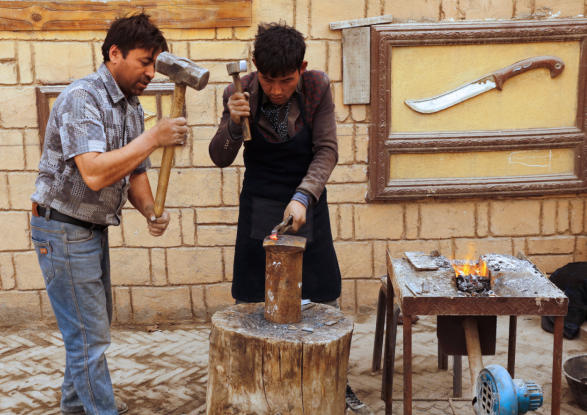
锻打是英吉沙小刀最具现场感的工序。工匠将金属坯料加热后置于砧面,通过反复捶击使其逐渐延展、压实并形成刀坯。新疆文旅厅图片中,两名制作者在火炉旁配合锻打,能够直观看到火候、力道和协作在这一环节中的重要性。(资料来源:S3、S5)
Forging is one of the most vivid procedures in Yengisar knife making. After heating the metal blank, artisans place it on the anvil and repeatedly hammer it so that it stretches, compacts, and becomes a blade blank. The Xinjiang culture and tourism image shows two makers forging beside a furnace, clearly presenting the importance of heat, force, and cooperation. (Source: S3、S5)
工具与材料:火炉、铁砧、铁锤、夹钳、金属坯料。
Tools and materials: Furnace, anvil, hammer, tongs, and metal blank.
技术要点:火候太低则不易成形,火候过高又可能影响材料性能;捶打方向和力度会影响刀身厚薄、刀背曲线与重心。
Technical points: If the heat is too low the blank is hard to shape; if too high, material performance may be affected. Hammer direction and force influence thickness, spine curve, and center of gravity.
新疆维吾尔自治区文化和旅游厅图片:小刀传承人在英吉沙县小刀村景区制作小刀。 / Xinjiang Department of Culture and Tourism photo: inheritors make knives at Xiaodao Village Scenic Area in Yengisar County.
3.2.3 热处理与定形 3.2.3 Heat treatment and shaping
刀坯形成后,需要通过热处理进一步稳定性能。官方报道提到淬火是英吉沙小刀核心工艺之一。热处理之后,工匠还会修正刀身线条,使刀尖、刀背、刀刃之间保持协调。(资料来源:S3)
After the blade blank is formed, heat treatment further stabilizes performance. Official reporting mentions quenching as a core process of Yengisar knife making. After heat treatment, the artisan also corrects blade lines so that the tip, spine, and edge remain coordinated. (Source: S3)
工具与材料:火炉、淬火用具、冷却介质、夹钳、校形工具。
Tools and materials: Furnace, quenching tools, cooling medium, tongs, and straightening tools.
技术要点:热处理要兼顾硬度和韧性,定形则要兼顾外观和后续装柄、入鞘的精度。
Technical points: Heat treatment balances hardness and toughness, while shaping must consider both appearance and the precision needed for handle fitting and sheathing.
3.2.4 打磨与开刃 3.2.4 Grinding and sharpening
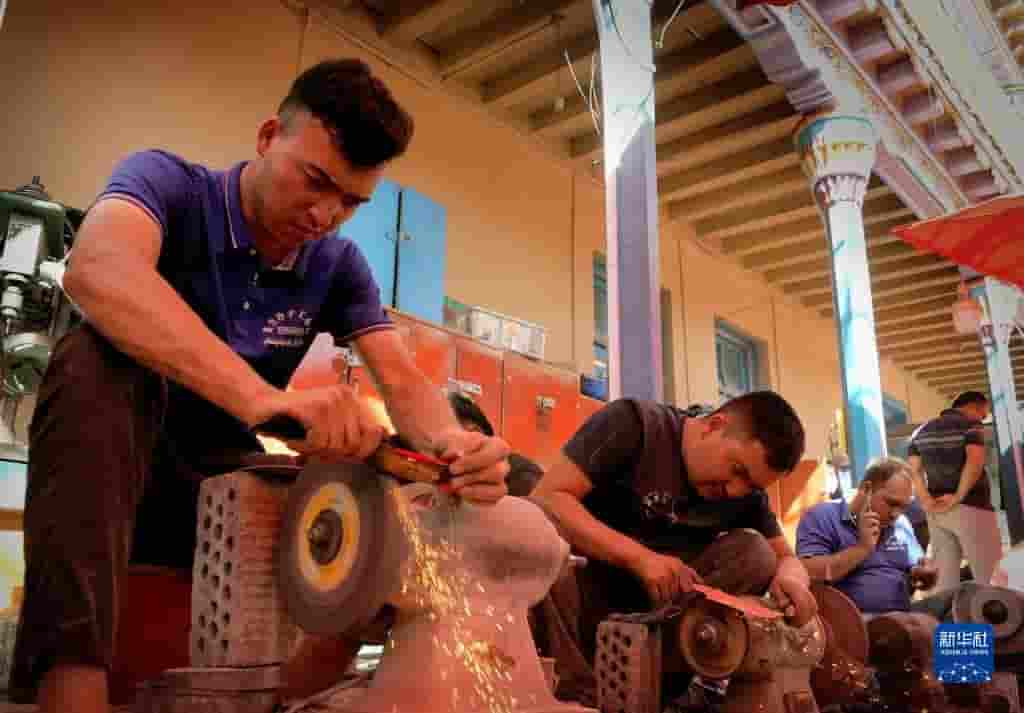
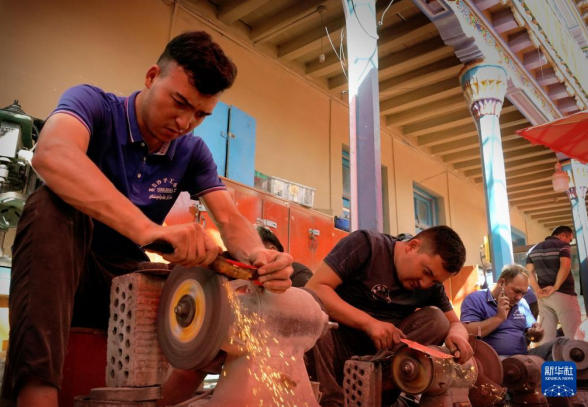
打磨开刃把粗坯变成真正可用、可看的刀身。工匠使用砂轮、磨石等工具修平刀面,逐步处理刃口和刀尖,使线条更清楚、表面更光洁、刃口更均匀。新华社图片中砂轮加工场景能表现这一环节的强烈工艺感。(资料来源:S6、S8)
Grinding and sharpening turn a rough blank into a usable and visually finished blade. Artisans use grinding wheels, whetstones, and other tools to smooth the surface and gradually work on the edge and tip, making lines clearer, surfaces cleaner, and the edge more even. Xinhua's grinding image vividly shows the craft intensity of this stage. (Source: S6、S8)
工具与材料:砂轮、磨石、细砂纸、冷却水、夹具。
Tools and materials: Grinding wheel, whetstone, fine abrasive paper, cooling water, and fixtures.
技术要点:开刃不能只追求锋利,还要保证两侧对称和刀面不过热;边磨边冷却有助于保持金属状态稳定。
Technical points: Sharpening is not only about sharpness; both sides must remain symmetrical and the blade surface should not overheat. Cooling during grinding helps keep the metal stable.
新华社图片:工匠使用砂轮等工具对英吉沙小刀进行打磨修整。 / Xinhua photo: artisans grind and finish Yengisar knives with wheel tools.
3.2.5 刀把制作 3.2.5 Handle making
刀把决定握持感,也决定成品的装饰识别度。工匠会根据刀身尺寸和用途选择木、角、骨、玉石等材料,进行切割、钻孔、套接、固定和修整。刀把太轻会显得不稳,太重又会影响使用灵活性。(资料来源:S1、S6)
The handle determines grip and the decorative identity of the finished knife. According to blade size and intended use, artisans select wood, horn, bone, jade, or related materials, then cut, drill, fit, fix, and trim them. If the handle is too light the knife feels unstable; if too heavy it loses flexibility. (Source: S1、S6)
工具与材料:木料、角料、骨料、玉石、钻孔工具、固定材料、细磨工具。
Tools and materials: Wood, horn, bone, jade, drilling tools, fastening materials, and fine grinding tools.
技术要点:刀把制作要兼顾手感、重心、材料过渡和外观纹理,不能只做表面装饰。
Technical points: Handle making must balance touch, center of gravity, material transition, and surface texture; it cannot be treated as decoration alone.
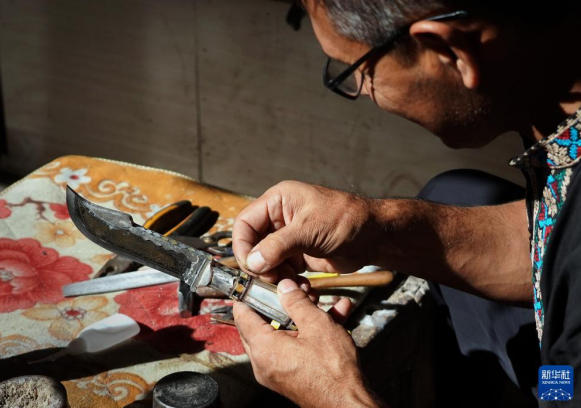
新华社图片:传承人加工英吉沙小刀的刀把与装饰部位。 / Xinhua photo: an inheritor works on the handle and decorative parts of a Yengisar knife.
3.2.6 镶嵌与装饰 3.2.6 Inlay and decoration
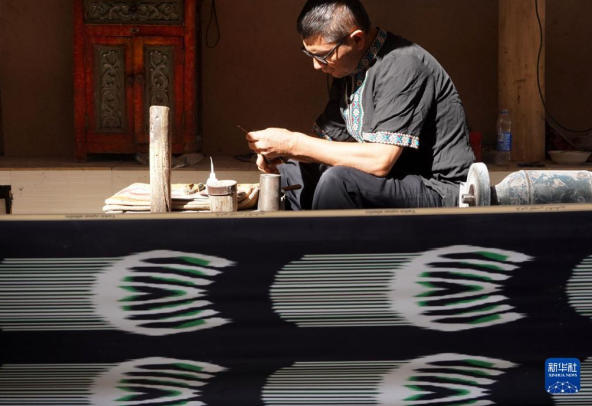
英吉沙小刀的装饰集中体现在刀把、连接处和刀鞘上。工匠会利用材料本身的色泽和纹理,也会通过局部镶嵌、金属配件和图案处理形成视觉层次。新华社工作台图片能看到工匠在较小部件上进行细部加工,这类细工直接影响成品精致程度。(资料来源:S6、S7)
Decoration is concentrated on the handle, joints, and sheath. Artisans use the natural colors and textures of materials and also create visual layers through local inlay, metal fittings, and pattern treatment. Xinhua's bench-work image shows an artisan working on small components, and this fine work directly affects the refinement of the finished knife. (Source: S6、S7)
工具与材料:刻刀、镶嵌工具、金属装饰件、拼接材料、细磨材料。
Tools and materials: Carving knives, inlay tools, metal ornaments, splicing materials, and fine abrasives.
技术要点:成熟的装饰应与刀形和材料相互呼应,避免只堆砌花纹;装饰越细,越需要稳定手法。
Technical points: Mature decoration should echo blade form and materials rather than merely pile up patterns. The finer the decoration, the more stable the hand technique must be.
3.2.7 刀鞘制作 3.2.7 Sheath making
刀鞘用于保护刀身,也是展示地方审美的重要部位。刀鞘尺寸要与刀身贴合,外部装饰要与刀把和刀身风格统一。若刀鞘过松,携带不稳;若过紧,则影响取放并可能磨损刀身。(资料来源:S1、S3)
The sheath protects the blade and is also an important part of local aesthetic expression. Its size must fit the blade, while its exterior decoration should match the handle and blade. If too loose, it is unstable for carrying; if too tight, it affects drawing and may wear the blade. (Source: S1、S3)
工具与材料:皮革或金属材料、缝合工具、固定材料、修边工具。
Tools and materials: Leather or metal materials, stitching tools, fastening materials, and trimming tools.
技术要点:刀鞘制作的重点是贴合、保护和展示三者统一。
Technical points: The key point is the unity of fit, protection, and display.
3.2.8 总装与修整 3.2.8 Assembly and finishing
总装阶段将刀身、刀把和刀鞘组合为完整成品。工匠要检查连接是否牢固、比例是否协调、刀身是否能顺利入鞘、装饰面是否有磕碰和错位。看似只是收尾,实际上是前面所有工序精度的集中检验。(资料来源:S6、S9)
During assembly, the blade, handle, and sheath become a complete object. The artisan checks whether joints are firm, proportions balanced, the blade smoothly sheathed, and decorated surfaces free of bumps or misalignment. This may look like final cleanup, but it is actually the concentrated test of all earlier precision. (Source: S6、S9)
工具与材料:装配夹具、固定件、细磨材料、擦拭工具。
Tools and materials: Assembly fixtures, fasteners, fine abrasives, and wiping tools.
技术要点:总装要特别注意松紧和对位,成品应在结构稳定、手感顺畅和外观完整之间达到一致。
Technical points: Assembly requires special attention to fit and alignment. The finished knife should be structurally stable, smooth to handle, and visually complete.
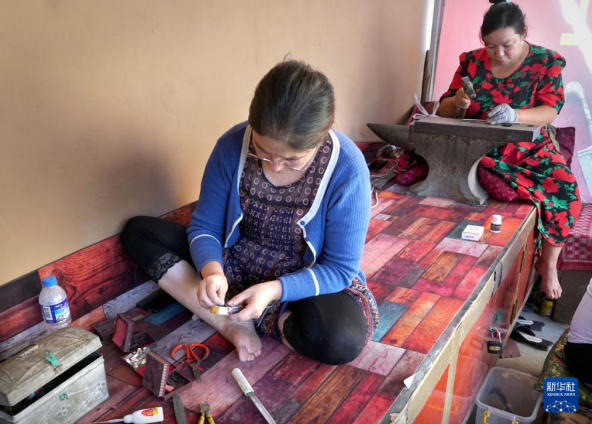
新华社图片:英吉沙小刀制作与传承场景。 / Xinhua photo: a scene of Yengisar knife making and transmission.
3.2.9 检验、展示与销售 3.2.9 Inspection, display, and sales
成品完成后进入检验、展示和销售环节。合作社、店铺、景区和研学体验空间共同承担非遗传播功能。人民网新疆频道报道,小刀合作社为村民提供就业岗位,也推动乡村旅游和旅游扶贫;官方转载报道则显示小刀村形成了店铺、工匠和旅游消费相结合的产业空间。(资料来源:S3、S4)
After completion, knives enter inspection, display, and sales. Cooperatives, shops, scenic areas, and study-tour spaces together support ICH communication. People's Daily Online Xinjiang reported that knife cooperatives provide jobs for villagers and support rural tourism and poverty alleviation through tourism. Officially republished reporting shows that Xiaodao Village has formed an industrial space combining shops, artisans, and tourism consumption. (Source: S3、S4)
工具与材料:展示柜、包装材料、销售空间、讲解资料、研学体验工具。
Tools and materials: Display cases, packaging materials, sales spaces, interpretation materials, and study-tour tools.
技术要点:当代传承不仅要做出小刀,还要讲清楚小刀的历史、材料、工艺和文化价值,让游客和学习者理解其非遗属性。
Technical points: Contemporary transmission is not only about making knives, but also about explaining their history, materials, craft process, and cultural value so that visitors and learners understand their ICH identity.
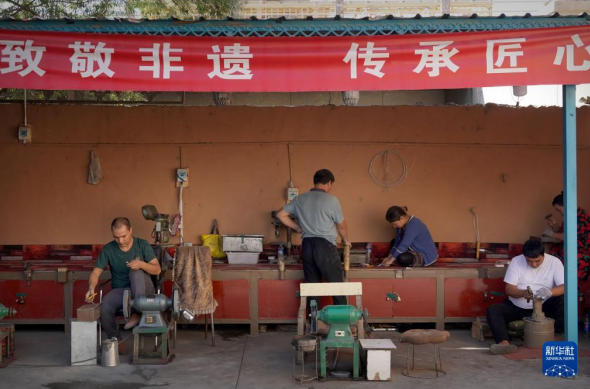
新华社图片:英吉沙小刀相关作坊和传承展示空间。 / Xinhua photo: a workshop and transmission space related to Yengisar knives.
文化内涵与特色Cultural Connotations and Features
Collection Key Points
Bilingual Notes
Meaning of Cultural Symbols
Yengisar knives are an important carrier of southern Xinjiang handicraft traditions and Uygur aesthetics of everyday objects.
Artistic Features
The blade, handle, and sheath form the object together; material contrast, pattern decoration, and handwork traces shape its visual features.
Regional Characteristics
Centered in Yengisar County, the craft is linked with oasis handicrafts, bazaar exchange, cooperative production, and culture-tourism display.
Social Functions
Through cooperatives, shops, scenic areas, and study-tour experiences, it supports employment, income growth, and ICH communication.
Sources
英吉沙小刀的文化价值不只在于成品形态,更在于一套可被观察、学习和讲述的工艺秩序。它把金属加工、材料审美、装饰技法、旅游展示和乡村就业连接起来,是传统技艺在现代社会中继续发挥作用的典型案例。(资料来源:S1、S3、S4)
The cultural value of Yengisar knives lies not only in the finished form, but also in a craft order that can be observed, learned, and narrated. It connects metalworking, material aesthetics, decorative techniques, tourism display, and rural employment, making it a typical case of traditional craftsmanship continuing to function in modern society. (Source: S1、S3、S4)
传承与保护现状Inheritance and Protection Status
Collection Key Points
Content
Safeguarding Unit
Yengisar County Cultural Center
Transmission Space
Xiaodao Village, Knife King Residence, cooperatives, shops, scenic areas, and study-tour spaces.
Industrial Foundation
Official reporting notes 55 knife shops in Xiaodao Village and more than 200 artisans working in them.
Employment and Income
People's Daily Online Xinjiang reports that knife cooperatives support local employment and income growth while serving rural tourism.
Protection Focus
Maintain handmade quality, train younger inheritors, standardize interpretation, and promote culture-tourism integration.
Sources
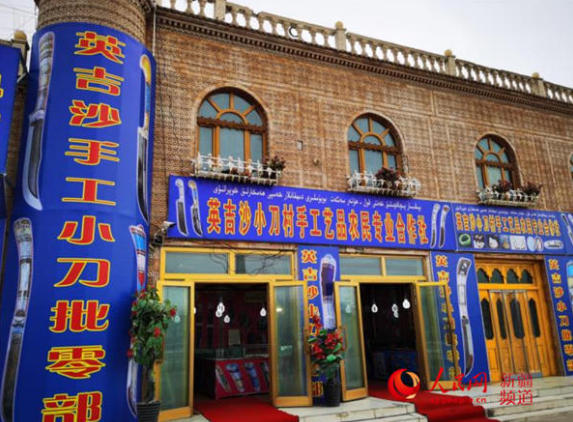
人民网新疆频道图片:喀什地区英吉沙县芒辛镇喀拉巴什兰干村小刀合作社外景。 / People's Daily Online Xinjiang photo: exterior of a knife cooperative in Karabashlangan Village, Mangxin Town, Yengisar County.
当前英吉沙小刀的保护已经从单纯保存技艺,扩展为“保护单位+传承人+合作社+店铺+旅游场景”的综合系统。这样的系统有利于让非遗从展柜走向日常生活,也能让年轻人看到学习传统技艺的现实回报。(资料来源:S2、S3、S4)
The safeguarding of Yengisar knives has expanded from preserving techniques alone into an integrated system of safeguarding unit, inheritors, cooperatives, shops, and tourism spaces. This system helps bring ICH out of display cases and into daily life, while allowing young people to see the practical value of learning traditional craftsmanship. (Source: S2、S3、S4)
图片展示Photo Gallery
工艺流程图片Craft Process Photos
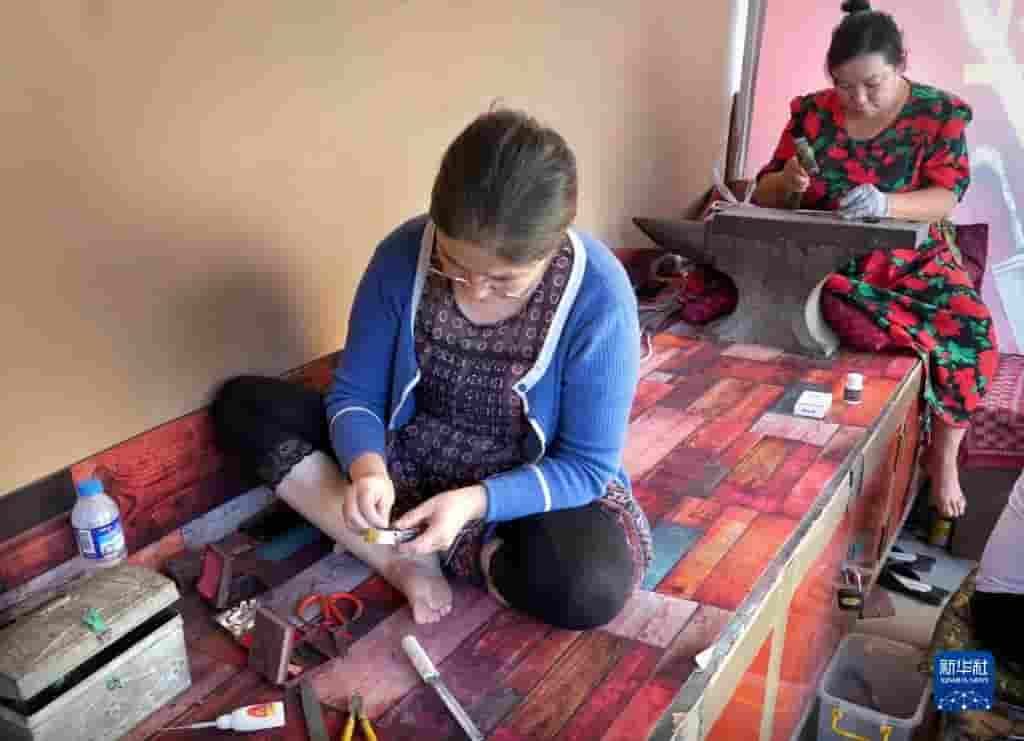
英吉沙小刀_传承教学_01
Yengisar Knife - Inheritance Teaching _01
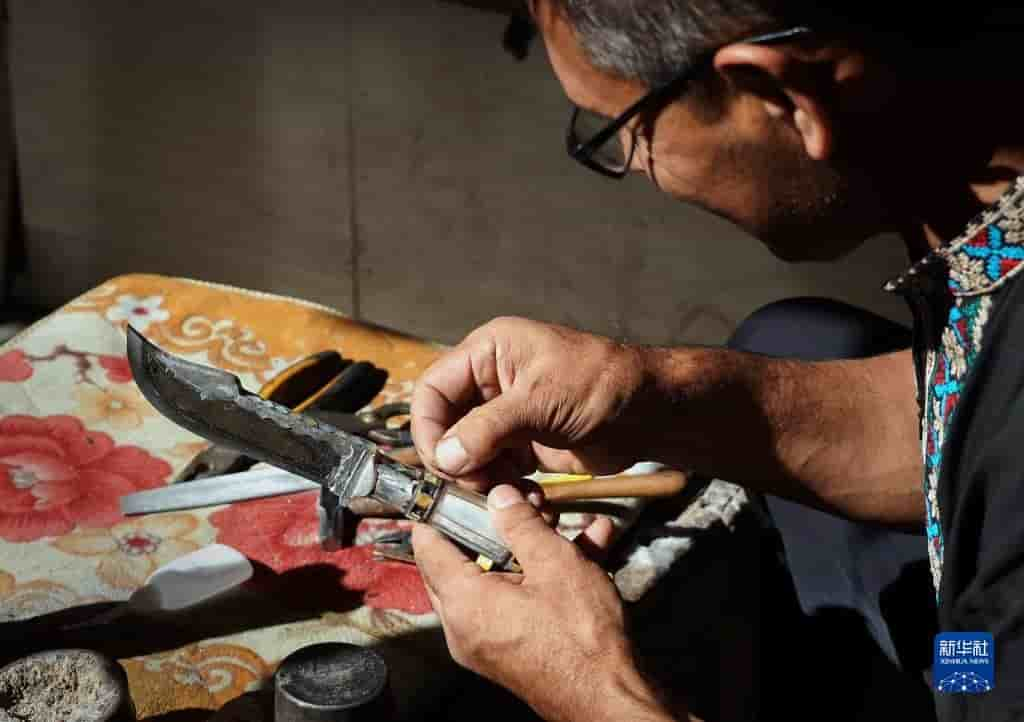
英吉沙小刀_刀把装饰_01
Yengisar Knife - Hilt Decoration _01
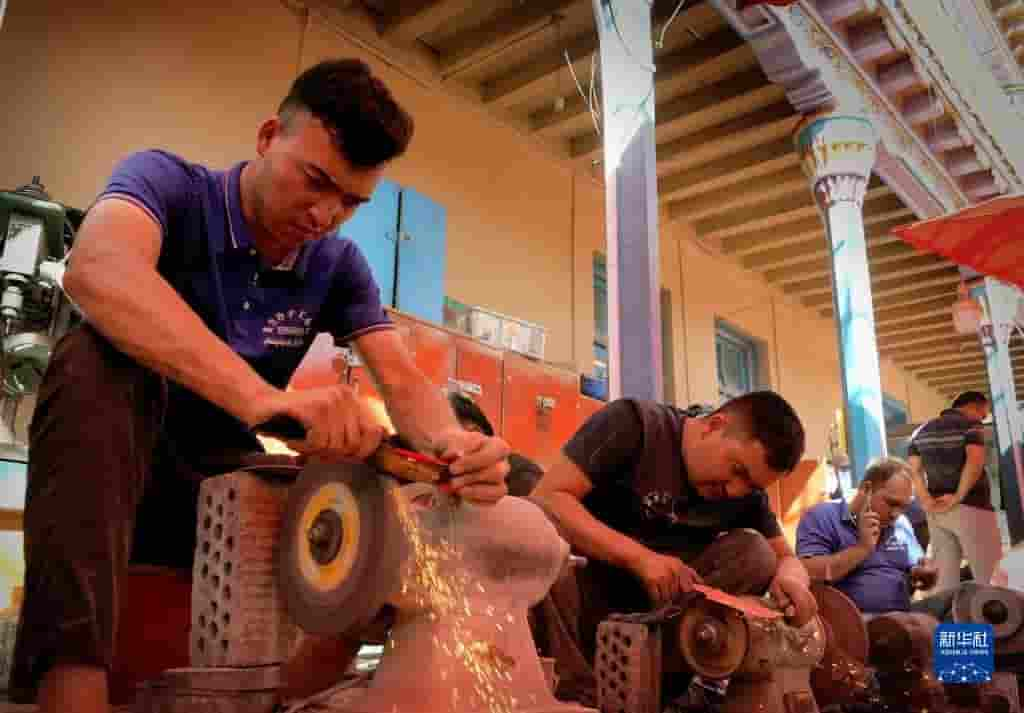
英吉沙小刀_打磨开刃_01
Yengisar Knife - Polishing & Sharpening _01
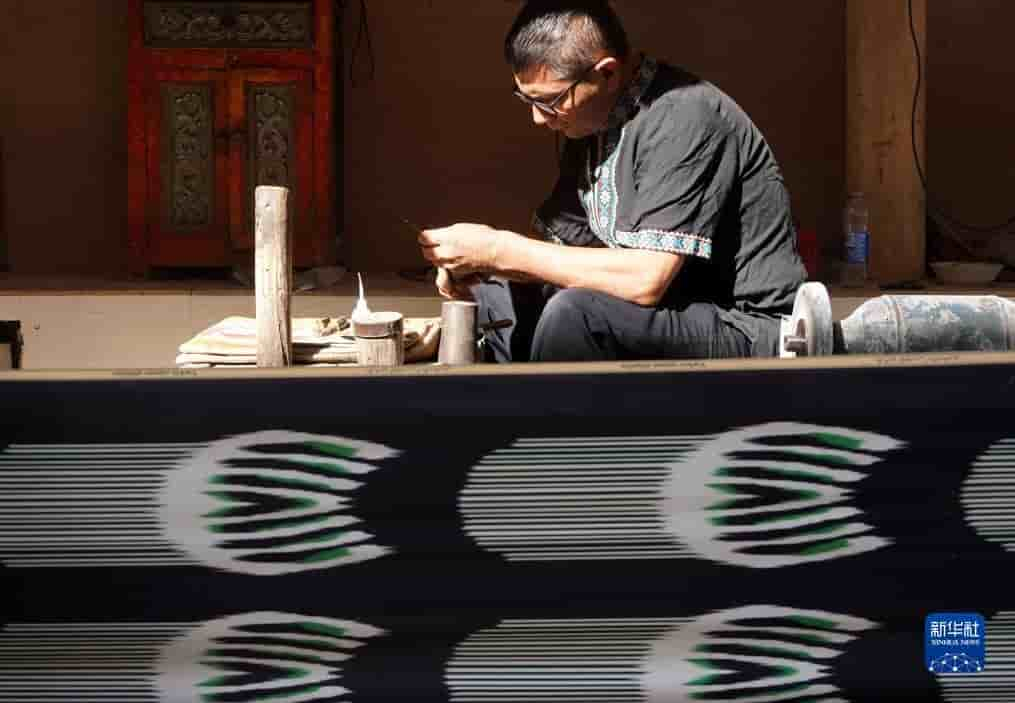
英吉沙小刀_工作台细部加工_01
Yengisar Knife - Workbench Fine Machining _01
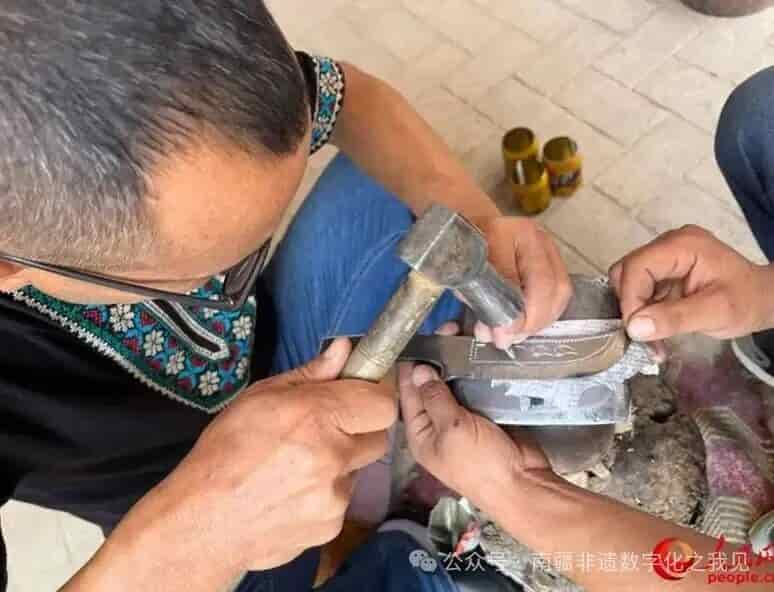
英吉沙小刀_錾刻_01
Yengisar Knife - Chiseling _01
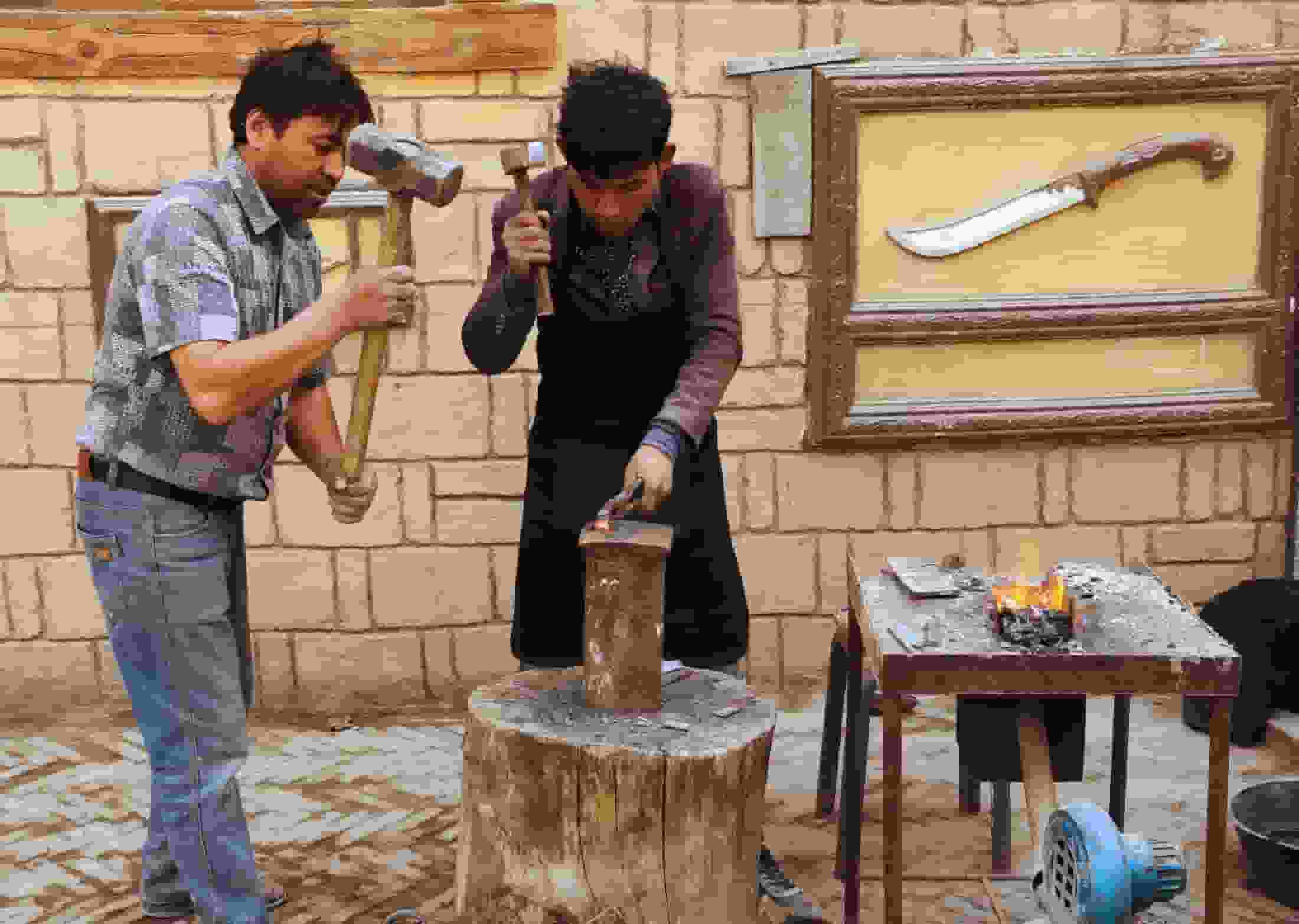
英吉沙小刀_锻打成形_01
Yengisar Knife - Forging Forming _01
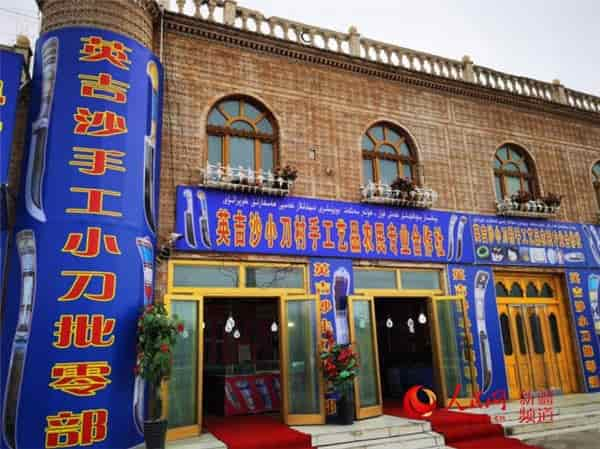
英吉沙小刀_合作社外景_01
Yengisar Knife - Cooperative Exterior View _01
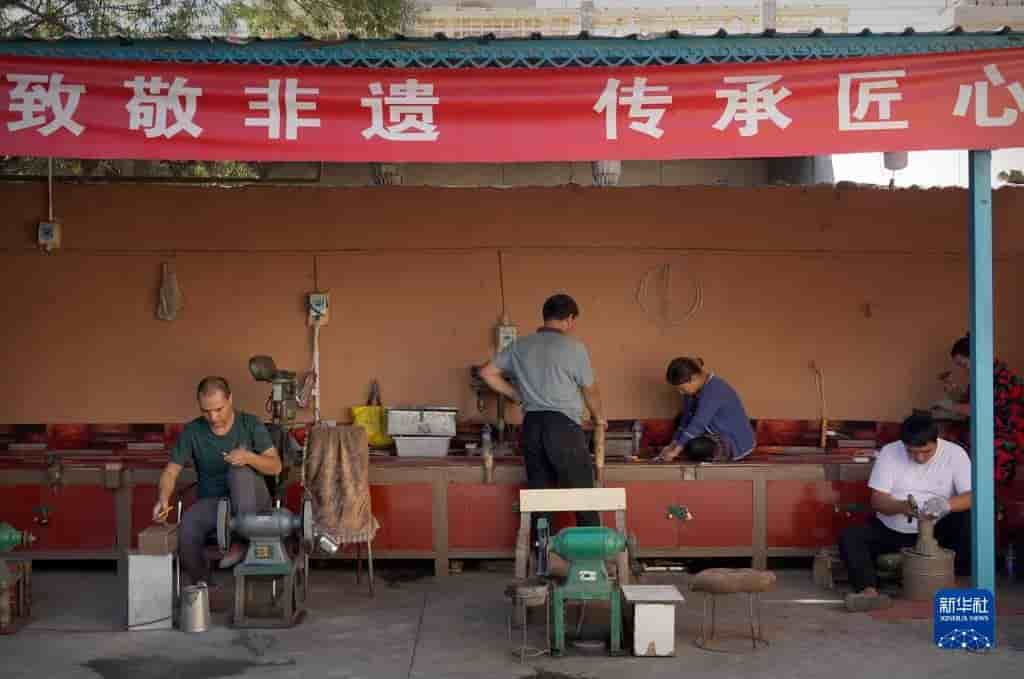
英吉沙小刀_作坊展示_01
Yengisar Knife - Workshop Display _01
视频展示Video Gallery
视频资料Video Resources
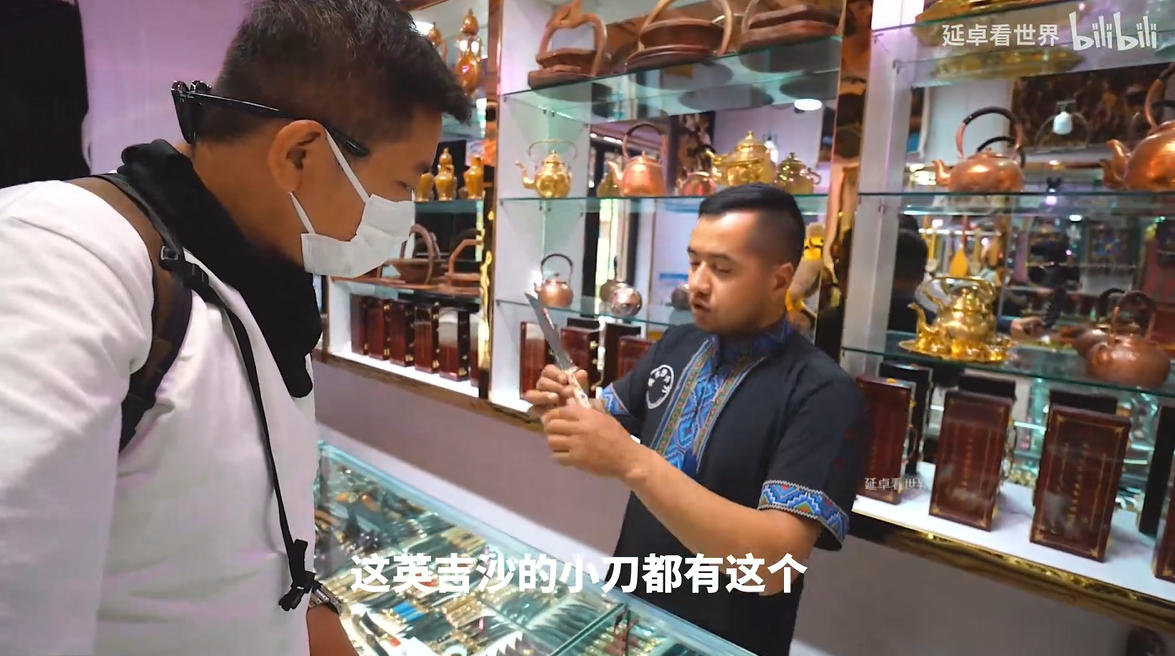
维吾尔族英吉沙小刀,探索背后制作的工序,看当地人讲述
Uyghur Yengisar Knife, explore the production procedures behind it, listen to local people tell
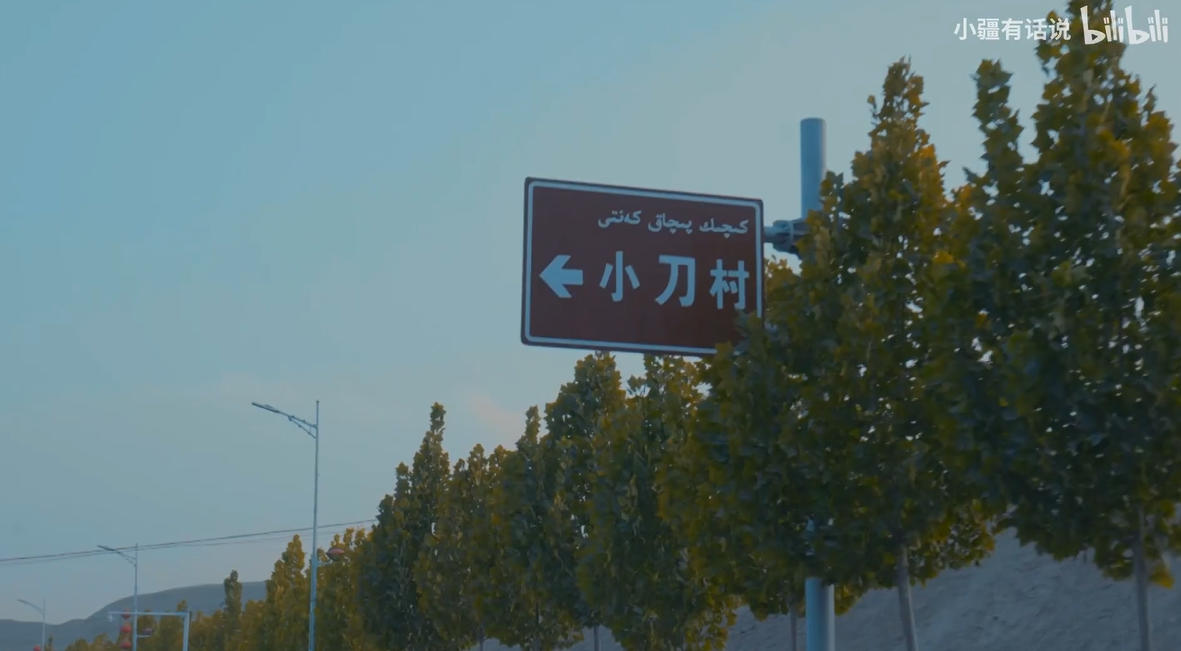
小刀村
Little Knife Village
英吉沙小刀制作过程
Yengisar Knife Production Process
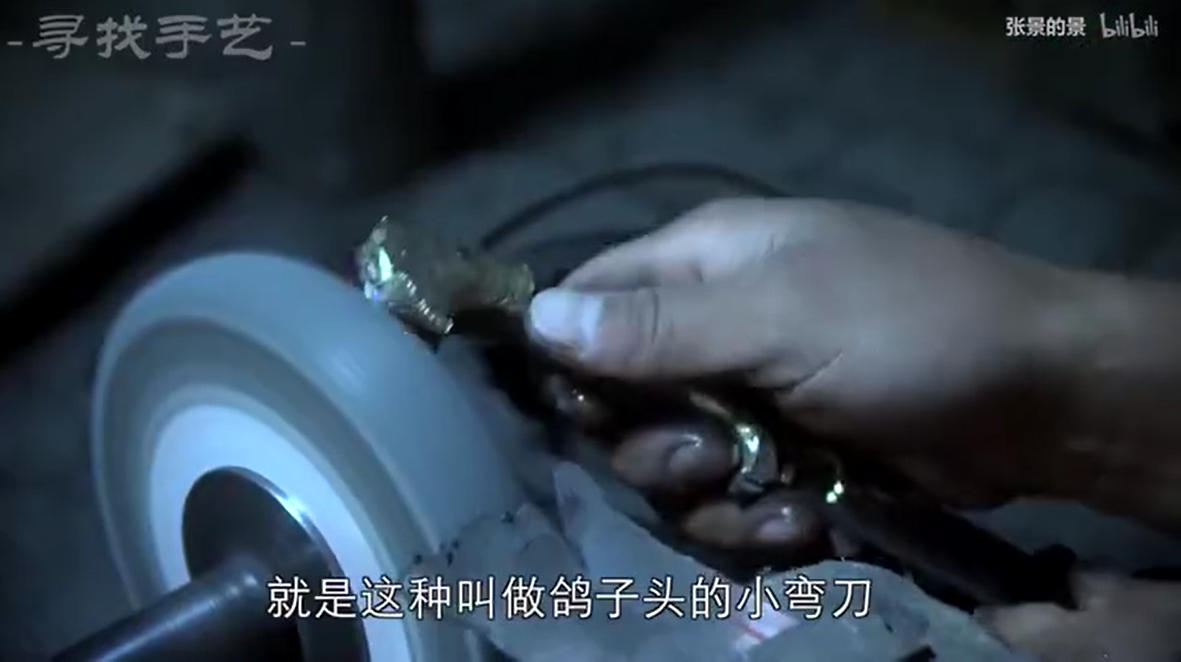
制作过程
Production Process
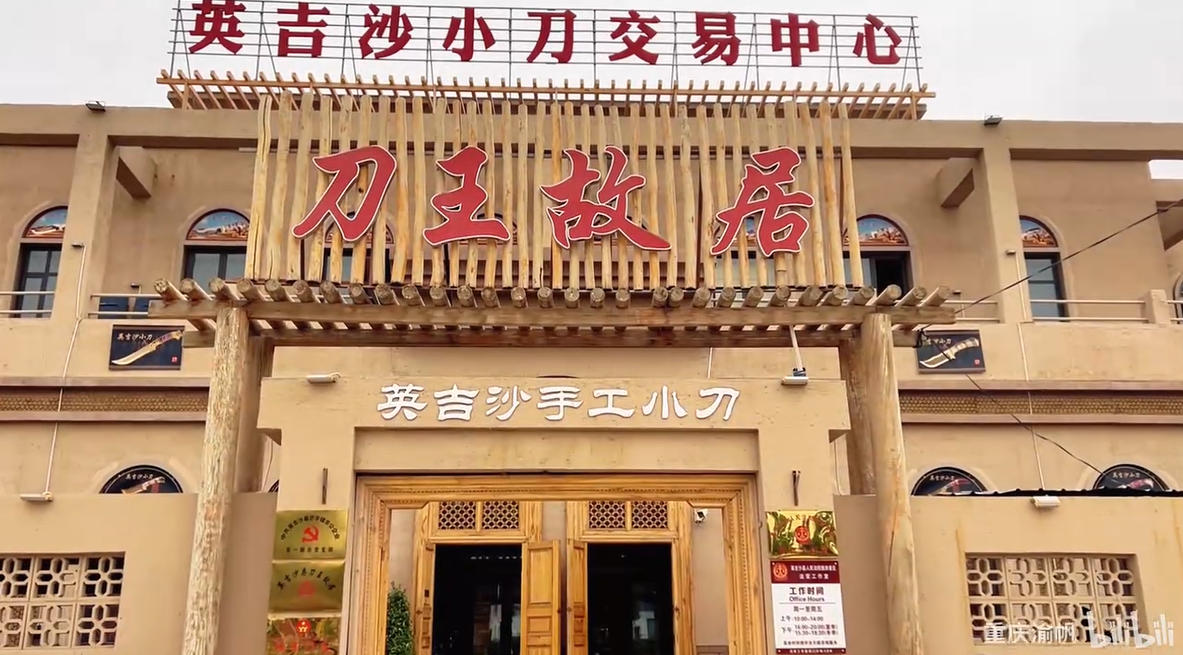
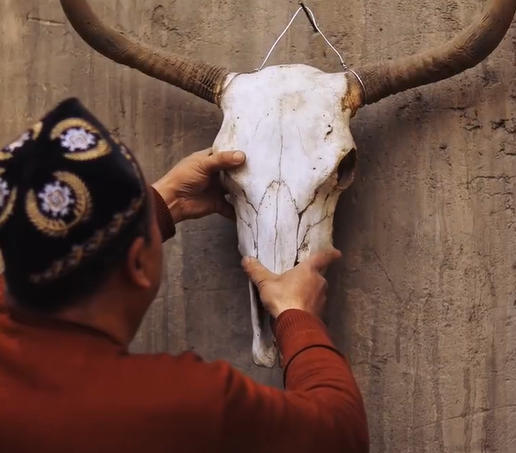
刀王故居
Former Residence of the Knife King
参考文献与资料来源References and Sources
以下来源均为政府官网、国家非遗平台或官方/权威媒体。文中英文内容依据中文官方资料翻译和概括。
The sources below are government websites, the national ICH platform, or official/authoritative media. English content is translated and summarized from the Chinese official materials.
中国非物质文化遗产网:维吾尔族传统小刀制作技艺 https://www.ihchina.cn/project_details/14526/
中国非物质文化遗产网:代表性项目保护单位 - 英吉沙县文化馆 https://www.ihchina.cn/project_details/14526/#protect-unit
新疆维吾尔自治区农业农村厅:新疆青年拥抱传统工艺让非遗文化闪耀南疆 https://nynct.xinjiang.gov.cn/xjnynct/c113754/202309/71c125003ab64a7990a919798b366704.shtml
人民网新疆频道:英吉沙小刀开辟村民脱贫致富路 https://xj.people.com.cn/BIG5/n2/2020/1105/c394722-34395022.html
新疆维吾尔自治区文化和旅游厅:新疆国家级非物质文化遗产图文资料 https://wlt.xinjiang.gov.cn/wlt/zsdw/202010/57db8a812acb4a52aaccf88ec5ac5b91.shtml
新华网:英吉沙小刀图集第1页 https://www.news.cn/photo/2023-09/06/c_1129848883.htm
新华网:英吉沙小刀图集第2页 https://www.news.cn/photo/2023-09/06/c_1129848883_2.htm
新华网:英吉沙小刀图集第3页 https://www.news.cn/photo/2023-09/06/c_1129848883_3.htm
新华网:英吉沙小刀图集第4页 https://www.news.cn/photo/2023-09/06/c_1129848883_4.htm
新华网:英吉沙小刀图集第5页 https://www.news.cn/photo/2023-09/06/c_1129848883_5.htm
双语核心词汇表Core Bilingual Glossary
Chinese Term