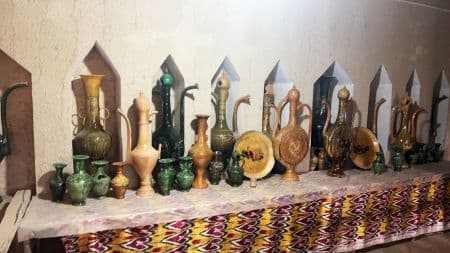
项目概况Project Overview
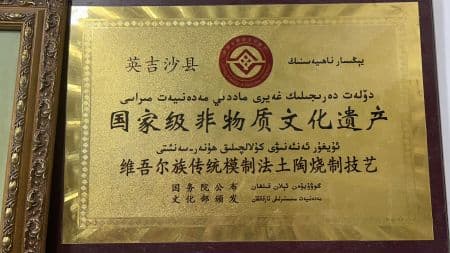
“维吾尔族模制法土陶烧制技艺”是列入第一批国家级非物质文化遗产名录的传统技艺项目。国家非遗平台显示,该项目的申报地区包括新疆维吾尔自治区吐鲁番地区鄯善县和喀什地区英吉沙县;新疆文化和旅游厅公开资料进一步列出保护单位为鄯善县文化馆、英吉沙县文化馆。(资料来源:S1、S3、S6)
The Uygur Moulded Earthenware Firing Craft is a traditional craftsmanship project included in the first batch of China's national intangible cultural heritage list. The national ICH platform identifies Shanshan County in Turpan and Yengisar County in Kashgar as project areas; Xinjiang's cultural authorities list the cultural centers of Shanshan and Yengisar as safeguarding units. (Source: S1、S3、S6)
英吉沙土陶以生活器皿、陈设器皿和旅游文创产品为主要呈现形态,既保存了南疆绿洲手工业的材料知识和手工经验,也通过土陶村、非遗工坊和文旅展示进入当代公共传播空间。(资料来源:S3、S4、S5)
Yengisar earthenware appears mainly as daily utensils, display vessels, and cultural-tourism products. It preserves material knowledge and hand skills of southern Xinjiang oasis handicrafts while entering today's public communication spaces through pottery villages, ICH workshops, and tourism display. (Source: S3、S4、S5)
项目基本信息Project Basic Information
Collection Key Points
Content
Project Name(English name)
Uygur Moulded Earthenware Firing Craft / Uygur moulded earthenware pottery firing technique
Project Category
Traditional craftsmanship
Heritage Level
National representative intangible cultural heritage project
Inclusion Batch & Number
First batch, code: VIII-6
Declared Region
Shanshan County, Turpan Prefecture, Xinjiang Uygur Autonomous Region; Yengisar County, Kashgar Prefecture, Xinjiang Uygur Autonomous Region
Safeguarding Unit
Shanshan County Cultural Center; Yengisar County Cultural Center
Representative Inheritor
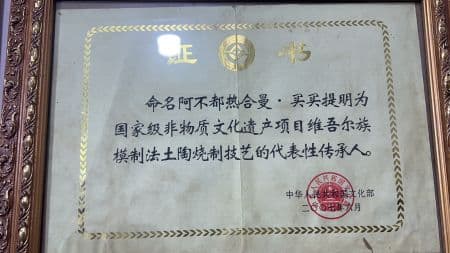
Abdurahman Maimaitiming, National Representative Inheritor of the 3rd Batch, No.03-1144
Main Distribution Area
The area around Shanshan of Turpan and Yengisar of Kashgar. Yengisar Earthenware Village serves as an important venue for exhibition, experience and sales nowadays.
历史渊源Historical Origins
官方资料把维吾尔族土陶烧制技艺描述为世代相传的传统手工技艺。其知识系统并不只包括“做一个陶器”,还包括识土、备土、和泥、闷泥、揉泥、造型、上釉、烧制和加工等连续经验。新疆文化和旅游厅资料指出,该技艺长期主要依靠传承人口传心授,少有详细文字记载。(资料来源:S1、S3)
Official materials describe Uygur earthenware firing as a traditional handcraft transmitted across generations. Its knowledge system includes not only making a vessel, but also locating clay, preparing clay, mixing, aging, kneading, shaping, glazing, firing, and finishing. Xinjiang's cultural authority notes that the craft has long been transmitted mainly by oral instruction and hands-on apprenticeship, with few detailed written records. (Source: S1、S3)
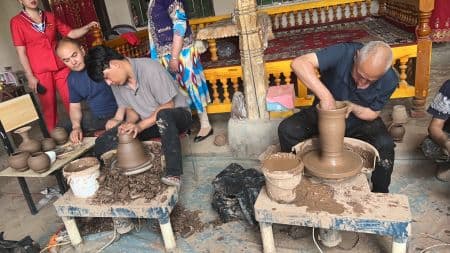
在英吉沙,土陶与地方日常生活、集市交换、装饰审美和当代旅游展示相互交织。新华社图文报道显示,英吉沙县土陶村仍能看到工匠塑形、刻花、展示成品以及游客拍摄土陶的场景,说明这一传统技艺已从家庭和作坊空间延伸到公共文化展示空间。(资料来源:S4)
In Yengisar, pottery is intertwined with local daily life, market exchange, decorative aesthetics, and contemporary tourism display. Xinhua's photo report shows artisans shaping and carving pottery in Yengisar's pottery village, finished wares on display, and visitors photographing the pieces, indicating that the craft has extended from household and workshop spaces into public cultural display. (Source: S4)
文化价值与社会意义Cultural Value and Social Significance
英吉沙模制法土陶的价值首先在于材料与火候经验的传承:工匠要判断泥土黏性、含水状态、坯体厚薄、干湿速度、釉色变化和窑火温度。其次,它把维吾尔族生活器用审美、纹样装饰、集市文化和当代文旅传播连接起来,是南疆传统技艺中“可观看、可触摸、可讲述”的代表性对象。(资料来源:S3、S4、S5)
The value of Yengisar moulded earthenware lies first in the transmission of material and firing experience: artisans judge clay plasticity, moisture, wall thickness, drying speed, glaze color changes, and kiln temperature. Second, the craft connects Uygur utensil aesthetics, decorative patterns, bazaar culture, and contemporary cultural-tourism communication, making it a representative southern Xinjiang craft that can be seen, touched, and narrated. (Source: S3、S4、S5)
工艺特征Craft Characteristics
该技艺最鲜明的特征是“土、手、轮、釉、火”的连续配合。泥土需经寻找、处理和熟化,坯体依靠手感与工具逐渐形成器形,纹饰通过削、刮、刻等动作生成,最后经上釉与窑烧完成色泽和质感转化。公开报道提到,土陶可分为素陶和琉璃陶;琉璃陶通常经过彩绘、上釉和烧制后形成黄、绿、褐等富有光泽的表面。(资料来源:S3、S5)
The craft is characterized by the coordinated sequence of clay, hand, wheel, glaze, and fire. Clay is located, processed, and matured; the body is shaped by touch and tools; decoration is produced through cutting, scraping, and carving; finally, glazing and kiln firing transform color and texture. Public reporting notes that earthenware may be divided into plain pottery and glazed pottery; glazed pieces often acquire glossy yellow, green, brown, and related tones after painting, glazing, and firing. (Source: S3、S5)
虽然项目名称中有“模制法”,但英吉沙当代报道中的制作场景并非现代工业模具复制。中国日报采访材料提到,传承人强调作品“不是模版出来”的,而是在多年经验中依靠手感、泥性和工具控制完成。因此,本语料库在英文中采用 Uygur Moulded Earthenware Firing Craft 作为项目名,同时在工序解释中区分 hand shaping、wheel throwing、mould-assisted shaping 和 firing 等具体动作。(资料来源:S5)
Although the official project name contains 'moulded method,' contemporary Yengisar reporting does not describe industrial mould replication. A China Daily interview reports an inheritor's emphasis that the pieces are not simply made from templates, but controlled through years of experience, tactile judgment, clay properties, and tools. Therefore, this corpus uses Uygur Moulded Earthenware Firing Craft as the project name while distinguishing hand shaping, wheel throwing, mould-assisted shaping, and firing in the process vocabulary. (Source: S5)
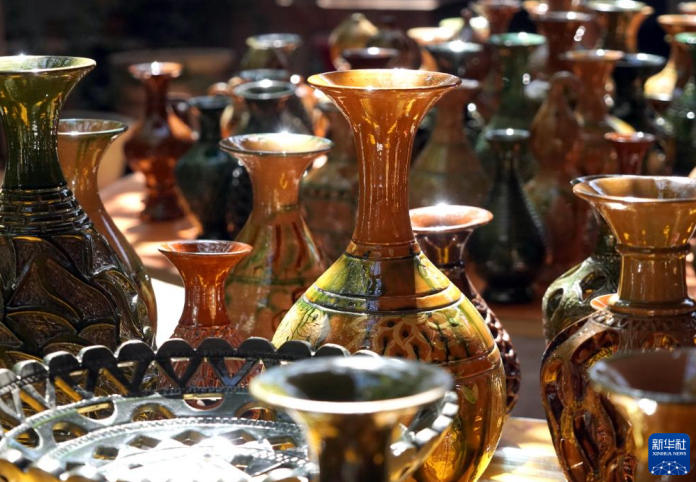
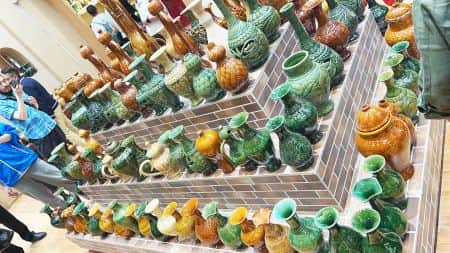
图注:英吉沙土陶成品的釉色、器形和陈列效果。 / Caption: finished Yengisar earthenware showing glaze colors, vessel forms, and display effect.(图片来源:新华社 / Xinhua)
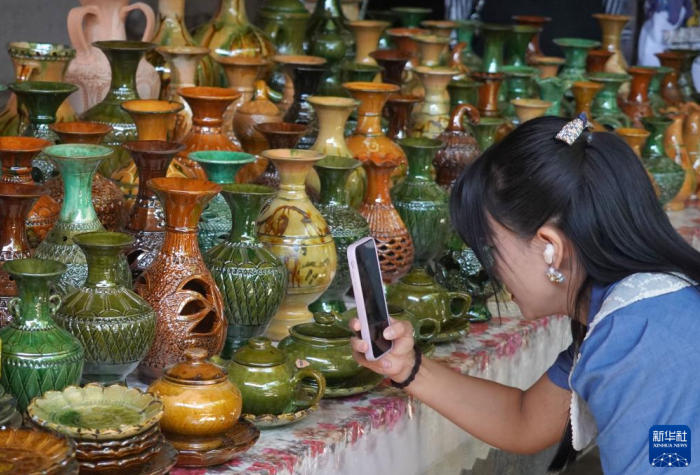
图注:游客拍摄英吉沙土陶,体现非遗展示与文旅传播场景。 / Caption: a visitor photographs Yengisar pottery, showing ICH display and cultural-tourism communication.(图片来源:新华社 / Xinhua)
工艺流程详解Detailed Craft Process
权威资料公开列出的核心流程包括备土、和泥、闷泥、揉泥、造型、上釉、烧制、加工等。结合英吉沙现场报道,可将面向双语教学和术语采集的完整流程细化为:寻土取土 → 晒土碎土 → 筛土除杂 → 配土和泥 → 闷泥醒泥 → 踩泥揉泥排气 → 定量上轮或入模 → 旋坯/模制成型 → 修口修底 → 粘接附件 → 削刮刻花 → 阴干晾坯 → 彩绘施釉 → 装窑码坯 → 控火烧制 → 冷却出窑 → 打磨检验 → 陈列销售与传播。(资料来源:S3、S5)
Authoritative sources publicly list the core processes as clay preparation, mixing, aging, kneading, shaping, glazing, firing, and finishing. Based on Yengisar field reporting, the sequence for bilingual teaching and terminology collection can be expanded as: locating and collecting clay -> drying and crushing -> screening -> mixing -> aging -> treading/kneading and de-airing -> weighing and placing on wheel or mould -> throwing or mould-assisted shaping -> trimming rim and foot -> attaching components -> cutting, scraping, and carving -> shade drying -> painting and glazing -> kiln loading -> controlled firing -> cooling and unloading -> polishing and inspection -> display, sale, and communication. (Source: S3、S5)
代表性术语 / Key terms
soil source, clay preparation, screening, clay body
mixing, aging, wedging, throwing, mould-assisted shaping
trimming, scraping, carving, openwork, drying
painting, glazing, kiln loading, fire control, unloading
inspection, display, sale, study tour, cultural-tourism display
寻土取土 Locating and Collecting Clay
工匠首先寻找适合制陶的土源。土料要具有足够黏性和可塑性,能够在成型、干燥和烧制中保持器形稳定。中国日报报道提到,工匠从寻找土源开始,并会根据不同泥土配方与成品色泽的关系进行判断。(资料来源:S5)
The artisan first locates clay suitable for pottery. The clay must have enough plasticity and cohesion to keep the vessel stable during shaping, drying, and firing. China Daily reports that artisans begin with the search for soil sources and judge the relationship between clay recipes and final colors. (Source: S5)
Element
Content
Tools and materials
shovel, soil bags, clay samples.
Technical point
The key is clay judgment: overly sandy clay cracks easily, while overly sticky clay increases drying and firing risks.
晒土碎土 Drying and Crushing
取回的泥土通常先摊开晾晒,使含水量降低,再将大块泥土敲碎。这样便于后续筛除杂质和均匀加水,也能初步发现石粒、草根等不适合入坯的杂物。(资料来源:S3、S5)
Collected clay is usually spread out to dry so its moisture decreases, then large clods are crushed. This makes later screening and water mixing easier and helps reveal stones, roots, and other impurities unsuitable for the clay body. (Source: S3、S5)
Element
Content
Tools and materials
mallet, mortar, sieve, drying ground.
Technical point
Crushing should make the clay workable while preserving controllable texture for later clay-body preparation.
筛土除杂 Screening and Removing Impurities
晒干并敲碎后的土料需经过筛分,去掉石子、草根、硬块等杂质。筛分后的细土更容易与水结合,坯体表面也更容易修整出均匀质感。(资料来源:S3、S5)
Dried and crushed clay is screened to remove stones, roots, hard lumps, and other impurities. Fine screened clay combines more evenly with water and allows the vessel surface to be finished more smoothly. (Source: S3、S5)
Element
Content
Tools and materials
bamboo or metal sieve, winnowing tray, containers.
Technical point
Screening affects clay purity; hard particles left inside may become cracking points during drying or firing.
配土和泥 Mixing the Clay Body
筛好的土根据经验加入适量清水,反复搅拌、踩踏或揉和,使泥、水和细颗粒充分结合。公开资料强调传统土陶以天然泥土为主要原料,不添加现代化学材料。(资料来源:S3、S5)
Screened clay is mixed with an appropriate amount of water, then stirred, trodden, or kneaded repeatedly so clay, water, and fine particles combine thoroughly. Public materials emphasize that traditional earthenware uses natural clay as the main material rather than modern chemical additives. (Source: S3、S5)
Element
Content
Tools and materials
clean water, mixing pit, wooden stick, treading area.
Technical point
Water controls clay consistency: too dry makes shaping difficult; too wet makes the body collapse.
闷泥醒泥 Aging the Clay
和好的泥并不马上全部使用,而要经过闷泥或醒泥,使水分在泥料内部重新分布,增强可塑性和均匀度。该步骤对应新疆文化和旅游厅资料中列出的“闷泥”。(资料来源:S3)
Mixed clay is not always used immediately. It is aged so moisture redistributes inside the clay mass, improving plasticity and uniformity. This corresponds to the 'aging the clay' process listed by Xinjiang's cultural authority. (Source: S3)
Element
Content
Tools and materials
wet cloth, clay pile, covered container, shaded space.
Technical point
Aging time depends on temperature, humidity, and clay properties, and is judged by experience.
踩泥揉泥排气 Treading, Wedging, and De-airing
醒好的泥料继续经过踩、揉、和等动作,使泥料更加细密,同时排出内部气泡。中国日报报道把“踩、揉、和”列为传承人熟练掌握的基本操作。(资料来源:S5)
Aged clay is further trodden, kneaded, and mixed to make it denser and remove trapped air. China Daily lists treading, kneading, and mixing among the basic operations mastered by inheritors. (Source: S5)
Element
Content
Tools and materials
treading area, wedging table, wooden board, clean water.
Technical point
Insufficient de-airing may cause bloating, cracks, or even bursting during firing.
定量上轮或入模 Portioning and Placing on Wheel or Mould
泥料按器物大小分成适当泥团,再放到陶轮、转盘或相应承托工具上。若制作重复性较高的器型,可借助模具或器形参照控制比例;若为现场手作,则更多依靠手感与经验。(资料来源:S3、S5)
Clay is divided into portions according to vessel size and placed on a wheel, turntable, or supporting tool. For repeated forms, moulds or reference forms may help control proportion; for handwork, artisans rely more on touch and experience. (Source: S3、S5)
Element
Content
Tools and materials
potter's wheel, turntable, wooden support, clay measuring tools.
Technical point
Centering the clay is the prerequisite for stable shaping.
旋坯/模制成型 Throwing or Mould-assisted Shaping
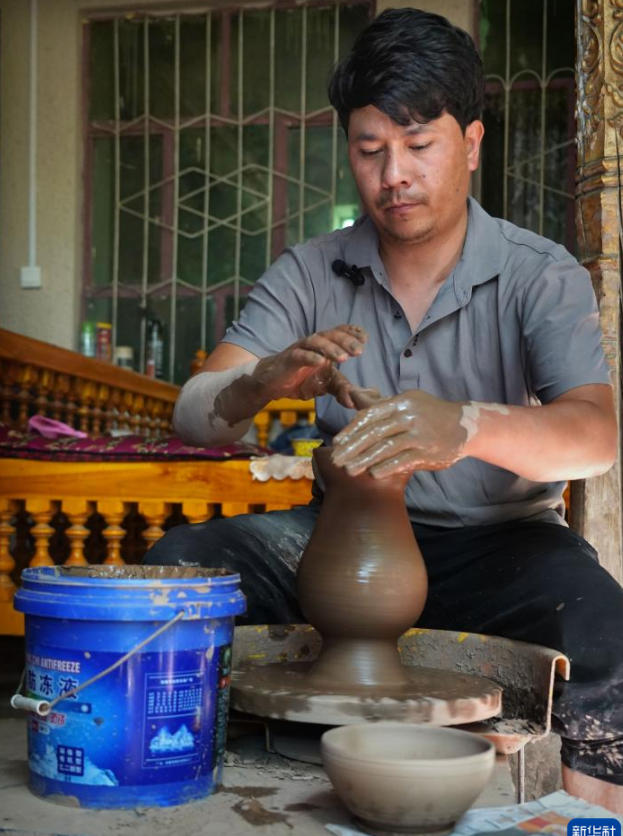
成型是工艺核心。工匠用双手配合陶轮或支撑工具,从泥团中逐渐提拉出器腹、器颈、口沿和底足。新华社照片显示,英吉沙土陶工匠在陶轮上塑造高颈器物,手部压力直接决定器壁厚薄和整体轮廓。(资料来源:S3、S4、S5)
Shaping is the core process. With both hands and a wheel or support, the artisan gradually forms the body, neck, rim, and foot from the clay mass. Xinhua photos show Yengisar potters shaping high-necked vessels on a wheel; hand pressure directly controls wall thickness and overall contour. (Source: S3、S4、S5)
Element
Content
Tools and materials
wheel, water, scraper, fingers and palms.
Technical point
The vessel must remain centered, evenly thick, and continuous in profile.
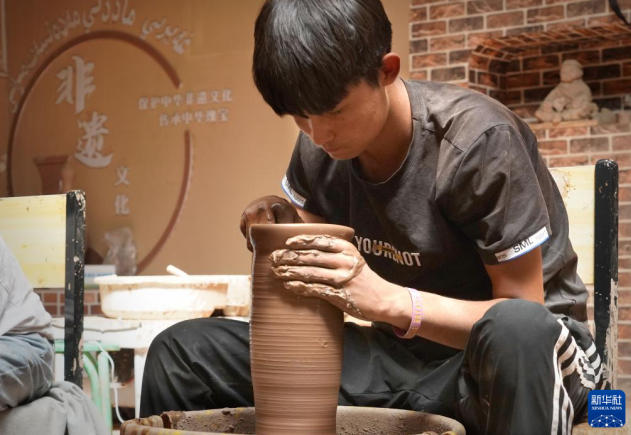
图注:工匠在陶轮上塑造英吉沙土陶坯体。 / Caption: an artisan shapes a Yengisar pottery body on a wheel.(图片来源:新华社 / Xinhua)
修口修底 Trimming Rim and Foot
坯体初步成型后,工匠修整口沿、底足和器壁过厚处,使器形更稳定、更规整。修整既有实用目的,也直接影响成品线条是否挺拔。(资料来源:S3、S5)
After initial shaping, the artisan trims the rim, foot, and overly thick areas of the wall so the form becomes more stable and regular. Trimming serves practical purposes and directly affects whether the final profile appears upright and refined. (Source: S3、S5)
Element
Content
Tools and materials
trimming knife, scraper, cutting wire, turntable.
Technical point
Trimming must not be excessive: too thin weakens the vessel, too thick affects drying and firing.
粘接附件 Attaching Components
部分器物需要粘接耳、嘴、把手、盖钮或装饰部件。附件和主坯的干湿程度要接近,连接处常用泥浆作为黏合介质,并通过压实、抹平减少开裂风险。(资料来源:S3、S5)
Some vessels require handles, spouts, lugs, lid knobs, or decorative components. The attachment and main body should have similar moisture levels; slip is often used as an adhesive, and the joint is compressed and smoothed to reduce cracking risk. (Source: S3、S5)
Element
Content
Tools and materials
slip, bamboo strip, small knife, wet cloth.
Technical point
Joints concentrate stress and must be compressed with a smooth transition.
削刮刻花 Cutting, Scraping, and Carving
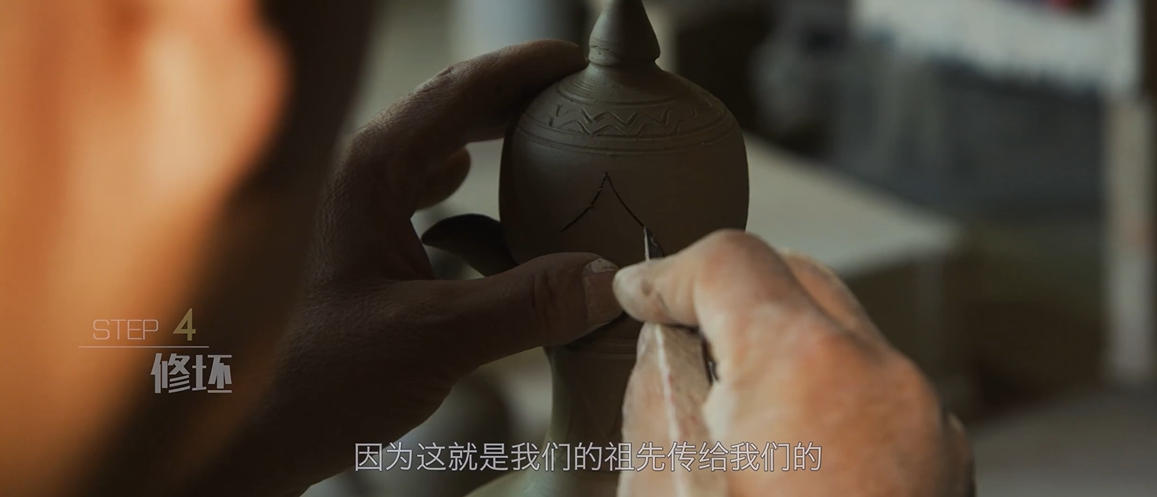
在坯体具有一定硬度但尚未完全干透时,工匠进行削、刮、刻等装饰动作。纹样可围绕器腹、器颈或器肩展开,形成线条、花卉、几何纹和镂空效果。新华社照片展示了工匠在瓶状器物上刻划纹饰的近景。(资料来源:S4、S5)
When the body is firm but not fully dry, the artisan cuts, scrapes, and carves decorative patterns. Designs may develop around the belly, neck, or shoulder, creating lines, floral motifs, geometric patterns, and openwork effects. A Xinhua close-up shows an artisan carving patterns on a bottle-shaped vessel. (Source: S4、S5)
Element
Content
Tools and materials
carving knife, scraper, bamboo stylus, compass-like guide.
Technical point
If the clay is too wet, lines collapse; if too dry, edges chip and crack.
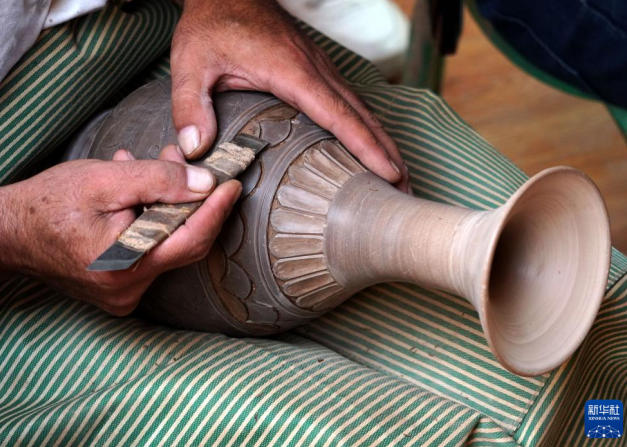
图注:工匠在半干坯体上刻划装饰纹样。 / Caption: an artisan carves decorative patterns on a leather-hard body.(图片来源:新华社 / Xinhua)
阴干晾坯 Shade Drying
装饰完成后的坯体需要在通风阴凉处逐渐晾干,使内部水分缓慢蒸发。不能急晒或急烘,否则器壁内外收缩不一致,容易产生裂纹。(资料来源:S3、S5)
After decoration, the body is dried gradually in a shaded, ventilated place so internal moisture evaporates slowly. It should not be exposed to harsh sun or rapid heat, because uneven shrinkage between inside and outside walls may cause cracks. (Source: S3、S5)
Element
Content
Tools and materials
wooden racks, shaded ventilated area, covering cloth.
Technical point
Drying must be slow and even, especially around rims, attachments, and transitions between thick and thin areas.
彩绘施釉 Painting and Glazing
若制作琉璃陶,晾干后的坯体还要进行彩绘和上釉。釉层在烧制中熔融,形成光泽、色彩和一定保护性。公开图片中的英吉沙土陶常见黄、绿、褐等釉色,和器形、刻花共同构成鲜明视觉特征。(资料来源:S3、S4、S5)
For glazed pottery, the dried body is painted and glazed. During firing, the glaze melts to form gloss, color, and a degree of protection. Public images of Yengisar pottery often show yellow, green, brown, and related glaze colors, which combine with vessel form and carving to create a distinctive visual identity. (Source: S3、S4、S5)
Element
Content
Tools and materials
glaze, brush, dipping tool, glaze basin.
Technical point
Glaze thickness must be balanced: too thick may run, too thin may lack color and gloss.
图注:工匠对瓶状土陶进行整理和装饰处理。 / Caption: an artisan works on a bottle-shaped pottery piece before finishing.(图片来源:新华社 / Xinhua)
装窑码坯 Kiln Loading
施釉或素坯准备完成后,器物按大小、形状和受火需求装入窑内。码坯要留出火焰和热气流通空间,避免器物相互挤压、碰撞或粘连。(资料来源:S3、S5)
After glazing or preparation of plain bodies, pieces are loaded into the kiln according to size, shape, and firing needs. Loading must leave space for flame and hot air circulation and avoid squeezing, collision, or sticking between vessels. (Source: S3、S5)
Element
Content
Tools and materials
kiln, supports, saggars or separators, tongs.
Technical point
Kiln loading determines heating uniformity and affects deformation and glaze quality.
控火烧制 Controlled Firing
烧制是土陶由坯变器的关键。工匠根据窑炉状态、器物大小、釉色要求和经验控制升温、保温与降温节奏。官方资料把“烧制”列为核心环节,中国日报报道也提到装窑火烧。(资料来源:S3、S5)
Firing is the key transformation from clay body to finished vessel. The artisan controls heating, soaking, and cooling according to kiln condition, vessel size, glaze requirements, and experience. Official materials list firing as a core stage, and China Daily also describes kiln firing after loading. (Source: S3、S5)
Element
Content
Tools and materials
kiln, fuel, temperature experience, observation hole.
Technical point
Fire control is central: too rapid heating causes cracks, insufficient temperature weakens sintering, and excessive temperature may deform bodies or make glaze run.
冷却出窑 Cooling and Unloading
烧制完成后,窑内器物需要自然降温。过早开窑会使冷热骤变,引起裂纹。完全冷却后,工匠取出器物,检查釉色、开裂、变形和声音。(资料来源:S3、S5)
After firing, pieces need to cool naturally inside the kiln. Opening the kiln too early may cause thermal shock and cracking. Once cooled, artisans unload the wares and check glaze color, cracks, deformation, and sound. (Source: S3、S5)
Element
Content
Tools and materials
tongs, gloves, inspection table.
Technical point
Unloading inspection helps evaluate fire control and adjust the next batch.
打磨检验与陈列传播 Polishing, Inspection, and Communication
合格器物经过简单打磨、清理和分类后进入陈列、销售、研学体验或文旅展示环节。新华社照片中的成品陈列和游客拍摄场景说明,英吉沙土陶已经成为非遗传播和地方文化展示的重要媒介。(资料来源:S4)
Qualified pieces are lightly polished, cleaned, classified, and then displayed, sold, used in study tours, or presented in cultural-tourism settings. Xinhua photos of display shelves and visitors photographing the wares show that Yengisar pottery has become an important medium for ICH communication and local cultural display. (Source: S4)
Element
Content
Tools and materials
abrasive tools, cloth, display shelves, labels.
Technical point
Communication should preserve names, process steps, inheritors, and sources so the craft is not reduced to merchandise alone.
文化内涵与特色Cultural Connotations and Features
Collection Key Points
Bilingual Notes
Meaning of Cultural Symbols
Earthenware combines clay, fire, utensil function, and aesthetics, serving as an important carrier of southern Xinjiang oasis life and Uygur handcraft tradition.
Artistic Features
Forms include high-necked bottles, jars, pots, and plates; yellow, green, brown, and natural tones combine with carving, scraping, and openwork decoration.
Regional Characteristics
Yengisar pottery is closely related to Kashgar bazaar culture, folk utensils, and contemporary pottery-village display spaces.
Social Functions
Through ICH workshops, display-sales, and tourism experiences, the craft supports employment, communicates local culture, and gives young people an entry point to traditional craftsmanship.
Sources
英吉沙模制法土陶的文化内涵不只是器物“好看”,而是把一套地方性知识保存在制作动作中:泥土从哪里来、怎样处理、何时适合成型、纹样怎样落在器形上、釉色怎样经火转化,都需要长期经验。正因如此,它适合被纳入多模态双语语料库,用文字、图片和术语同时记录。(资料来源:S3、S4、S5)
The cultural meaning of Yengisar moulded earthenware is not merely that the objects look beautiful; it preserves local knowledge in making actions: where clay comes from, how it is prepared, when it is ready for shaping, how patterns fit the vessel, and how glaze colors transform through fire. This is why the craft suits a multimodal bilingual corpus that records text, images, and terminology together. (Source: S3、S4、S5)
传承与保护现状Inheritance and Protection Status
Collection Key Points
Content
Safeguarding Unit
Shanshan County Cultural Center; Yengisar County Cultural Center
Representative Inheritors
National representative inheritors including Abdurahman Mamatmin
Inheritance Mode
Transmission relies on family lines, apprenticeship, workshops, and hands-on experience, emphasizing oral instruction and embodied skill.
Protection Measures
Listed nationally; safeguarded and promoted through cultural centers, pottery villages, display-sales, study tours, and media communication.
Challenges
Challenges include limited written documentation, training young inheritors, stabilizing handmade quality, and balancing tourism commercialization with accurate knowledge communication.
Sources
新疆文化和旅游厅资料指出,该技艺过去很少有详细文字记载,主要凭手口方式传授。因此,对英吉沙模制法土陶进行双语术语采集时,应特别注意把“看得见的动作”和“说得清的术语”对应起来,例如把揉泥、醒泥、修坯、刻花、施釉、控火等动作分别记录中英文名称、定义、图片和来源。(资料来源:S3)
Xinjiang's cultural authority notes that the craft historically had little detailed written documentation and was mainly transmitted by oral and hands-on instruction. Therefore, bilingual terminology collection should link visible actions with precise terms, recording Chinese and English names, definitions, images, and sources for kneading, aging, trimming, carving, glazing, fire control, and other actions. (Source: S3)
图片展示Photo Gallery
工艺流程图片Craft Process Photos
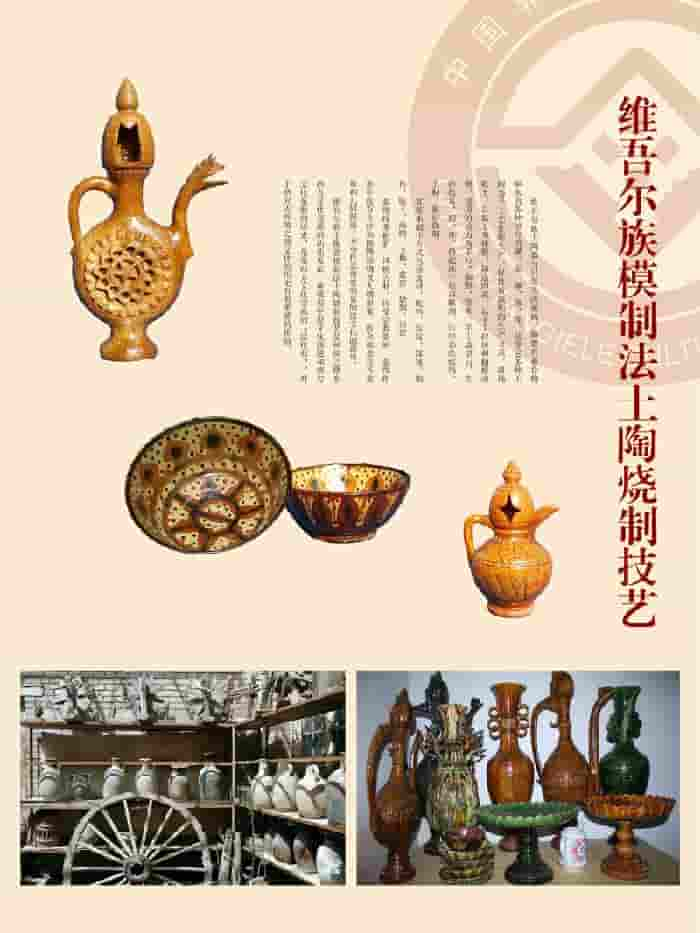
维吾尔族模制法土陶烧制技艺_国家民委_陶器图_01
Uyghur Mold-made Earthenware Firing Craft - Pottery Illustration _01
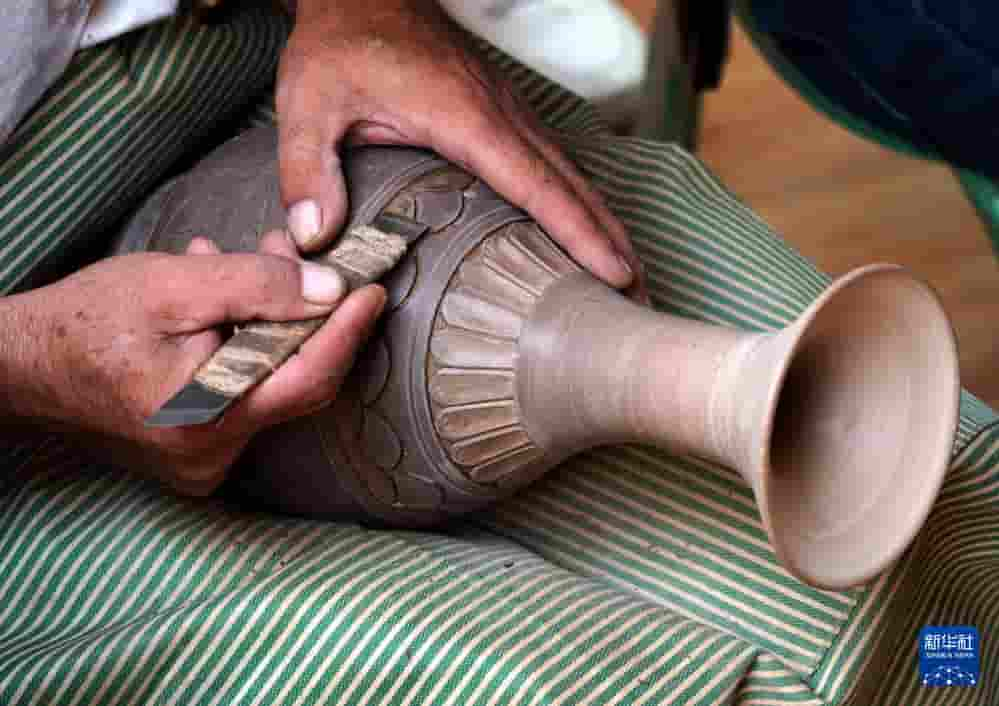
维吾尔族模制法土陶烧制技艺_刻花装饰_01
Uyghur Mold-made Earthenware Firing Craft - Carved Decoration _01
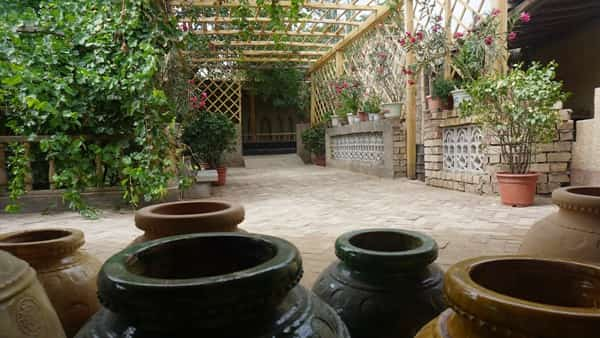
维吾尔族模制法土陶烧制技艺_人民网报道_成品展示_01
Uyghur Mold-made Earthenware Firing Craft - Finished Product Display _01
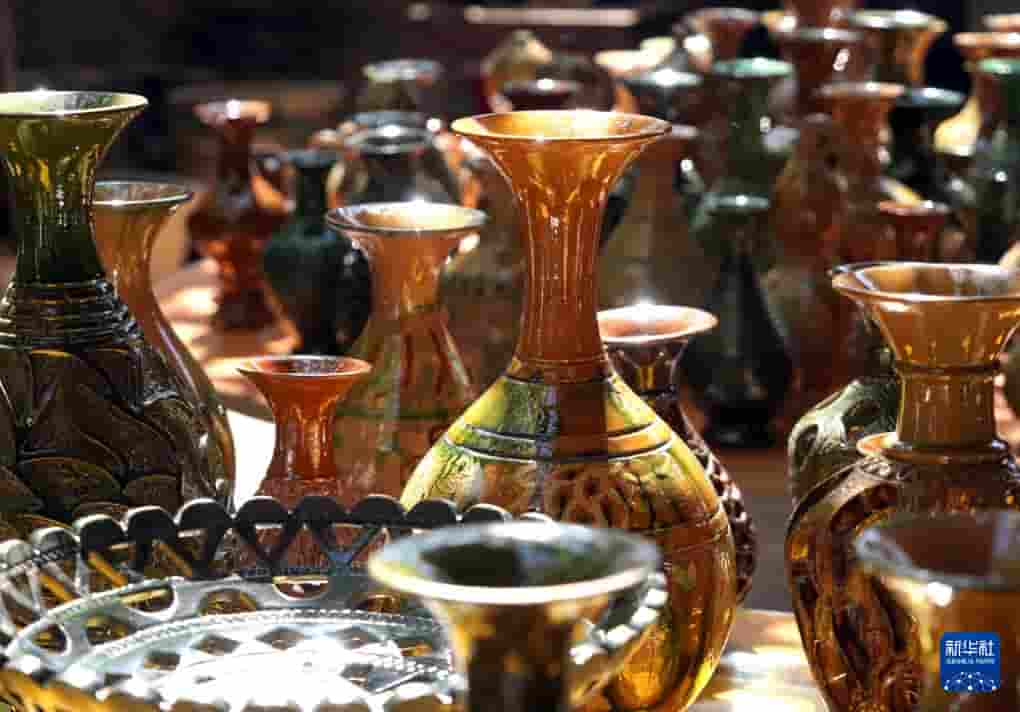
维吾尔族模制法土陶烧制技艺_成品陈列_01
Uyghur Mold-made Earthenware Firing Craft - Finished Product Display _01
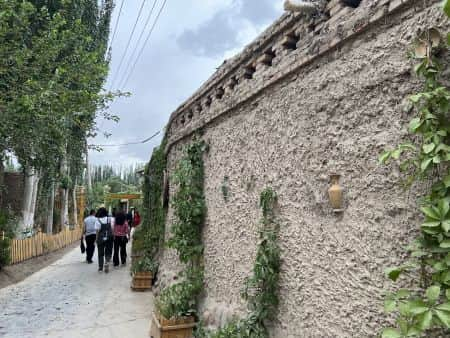
维吾尔族模制法土陶烧制技艺_商报图组_工坊场景_03
Uyghur Mold-made Earthenware Firing Craft - Workshop View _03
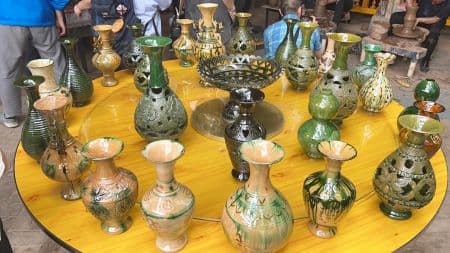
维吾尔族模制法土陶烧制技艺_商报图组_土陶成品_04
Uyghur Mold-made Earthenware Firing Craft - Earthenware Products _04
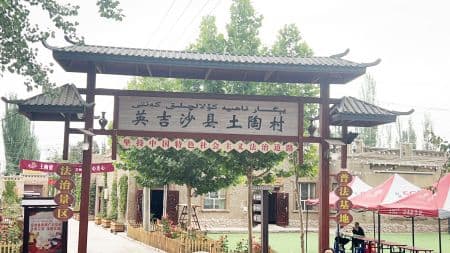
维吾尔族模制法土陶烧制技艺_商报图组_土陶村_02
Uyghur Mold-made Earthenware Firing Craft - Pottery Village _02
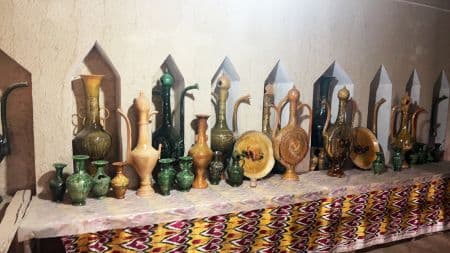
维吾尔族模制法土陶烧制技艺_商报图组_土陶村体验_05
Uyghur Mold-made Earthenware Firing Craft - Pottery Village Experience _05
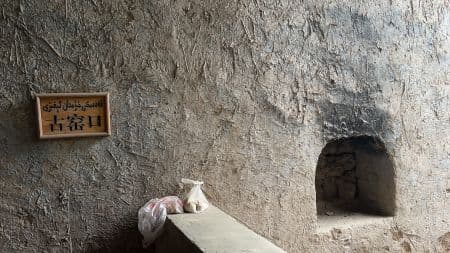
维吾尔族模制法土陶烧制技艺_商报图组_成品陈列_09
Uyghur Mold-made Earthenware Firing Craft - Finished Product Display _09
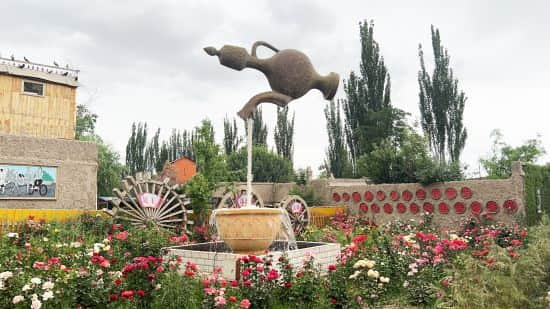
维吾尔族模制法土陶烧制技艺_商报图组_土陶展示_01
Uyghur Mold-made Earthenware Firing Craft - Pottery Exhibition _01
维吾尔族模制法土陶烧制技艺_商报图组_土陶器形_06
Uyghur Mold-made Earthenware Firing Craft - Earthenware Shaping _06
维吾尔族模制法土陶烧制技艺_商报图组_土陶细节_10
Uyghur Mold-made Earthenware Firing Craft - Earthenware Details _10
维吾尔族模制法土陶烧制技艺_商报图组_土陶装饰_07
Uyghur Mold-made Earthenware Firing Craft - Pottery Decoration Certificate _07
维吾尔族模制法土陶烧制技艺_商报图组_展示销售_08
Uyghur Mold-made Earthenware Firing Craft - Sales Exhibition Certificate _08
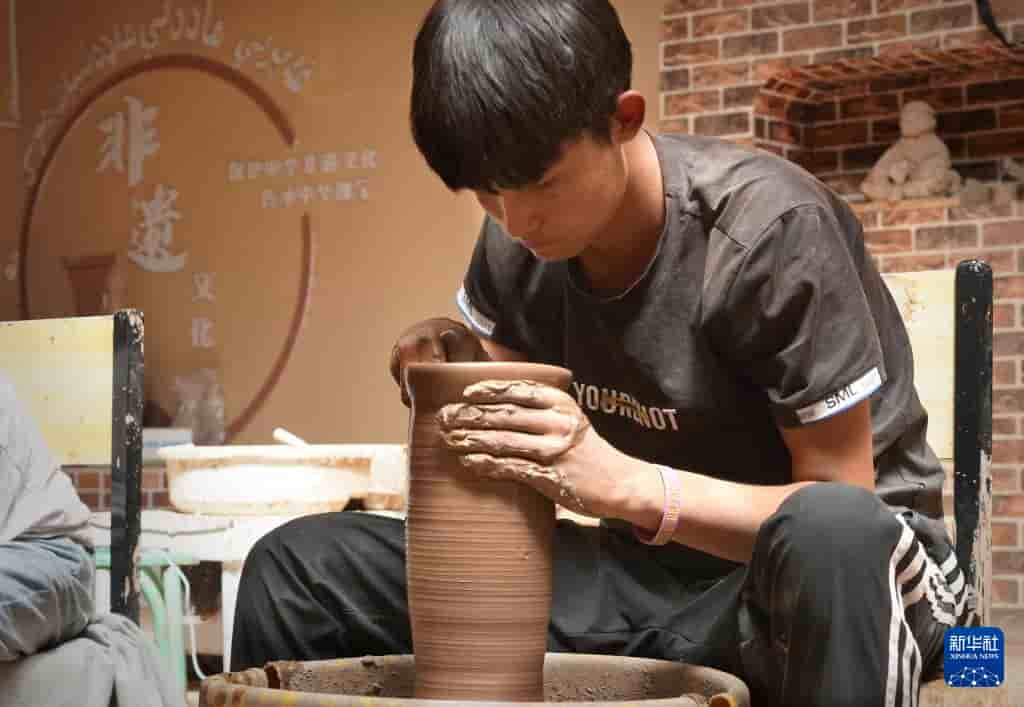
维吾尔族模制法土陶烧制技艺_旋坯成型_01
Uyghur Mold-made Earthenware Firing Craft - Rotating Blank Forming _01
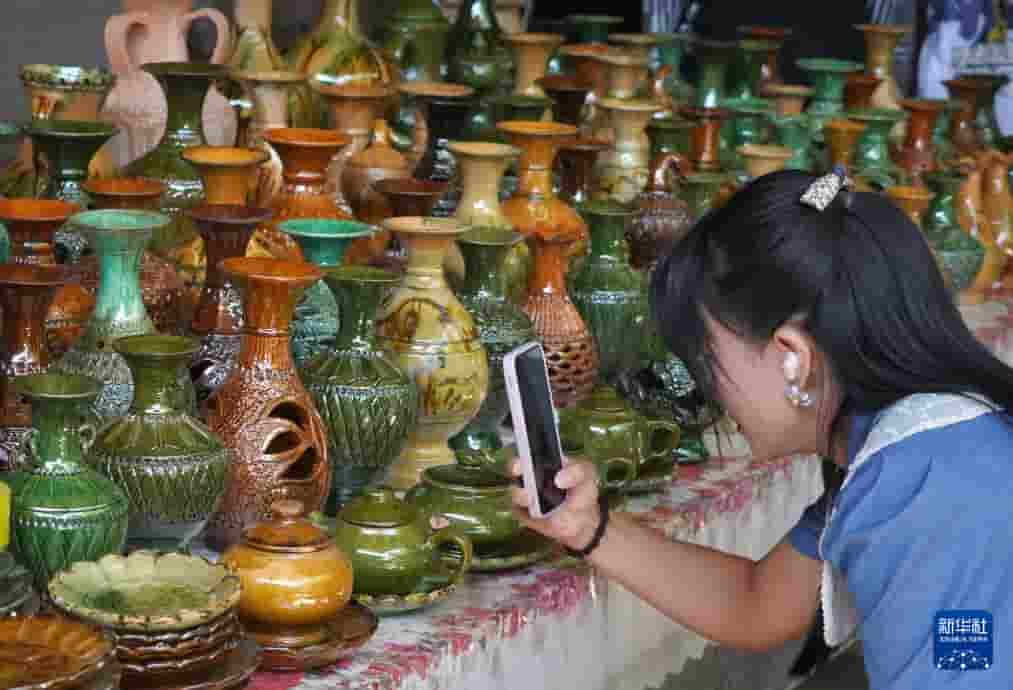
维吾尔族模制法土陶烧制技艺_文旅展示_01
Uyghur Mold-made Earthenware Firing Craft - Cultural Tourism Exhibition _01
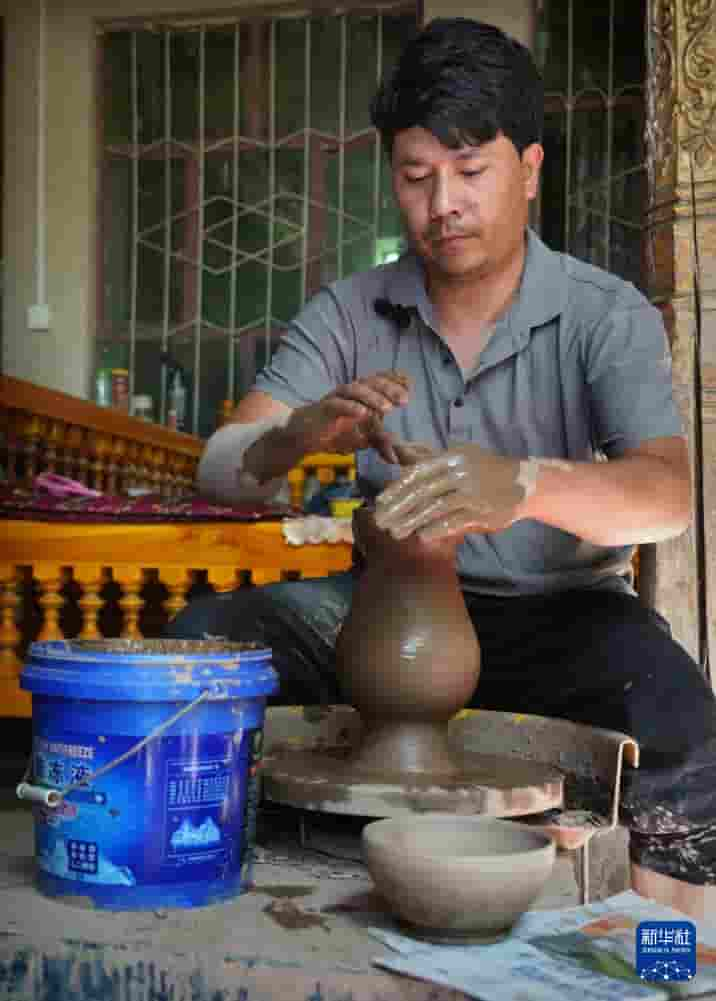
维吾尔族模制法土陶烧制技艺_整理装饰_01
Uyghur Mold-made Earthenware Firing Craft - Finishing & Decoration _01
视频展示Video Gallery
视频资料Video Resources
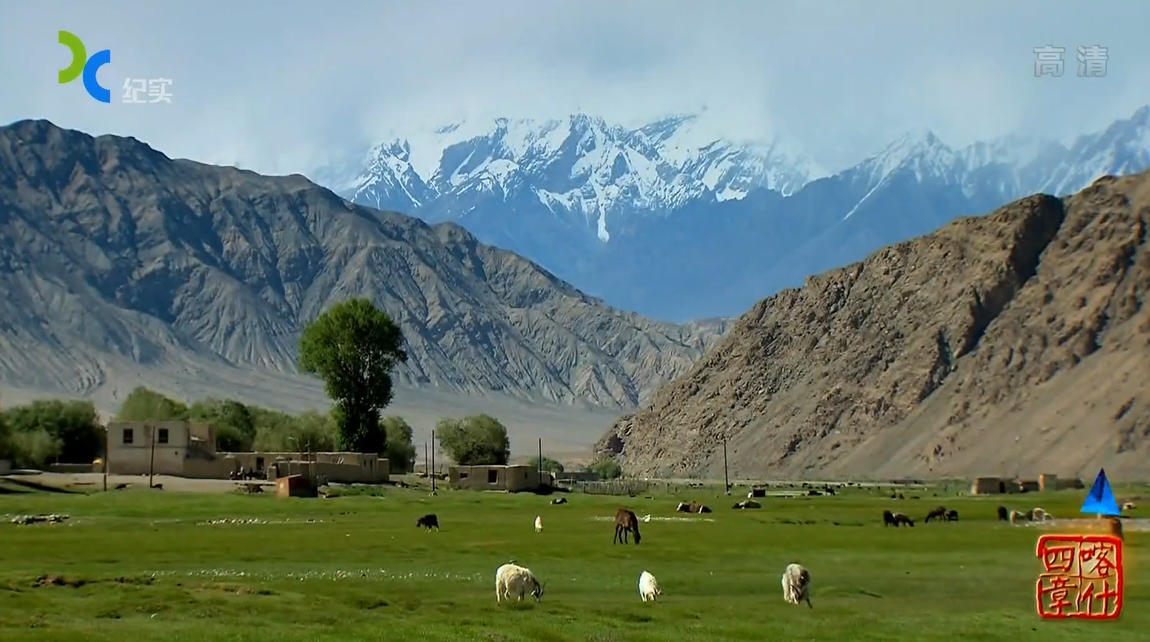
高崖上的土陶人家
Earthenware Families on the High Cliffs
土陶烧制视频
Earthenware Firing Video
参考文献与资料来源References and Sources
以下来源均为政府官网、国家非遗平台、新华社或中央主流媒体等权威来源;英文内容为依据中文权威资料整理、翻译和概括。访问日期:2026-07-20。
The sources below are official or authoritative sources. English content is translated and summarized from Chinese authoritative materials. Access date: 2026-07-20.
中国非物质文化遗产网:中国非物质文化遗产代表性项目名录 - 维吾尔族模制法土陶烧制技艺 https://www.ihchina.cn/project_details/14266.html
中国非物质文化遗产网:国家级代表性传承人 - 阿不都热合曼·买买提明 https://www.ihchina.cn/ccr_detail/2979.html
新疆维吾尔自治区文化和旅游厅:维吾尔族模制法土陶烧制技艺 https://wlt.xinjiang.gov.cn/wlt/xzzx/202207/00ed7708de9a43e190aa09119c1e3c04.shtml
新华网:新疆英吉沙:土陶村里的土陶香 https://www.news.cn/culture/20230908/1535d6bc501f4ae5a7496488d13b9ca8/c.html
中国日报网:一把泥土,传承维吾尔族土陶技艺 https://cn.chinadaily.com.cn/a/202405/11/WS663f065aa3109f7860ddd092.html
文化和旅游部政务公开:国务院关于公布第一批国家级非物质文化遗产名录的通知 https://zwgk.mct.gov.cn/zfxxgkml/fwzwhyc/202012/t20201206_916788.html
双语核心词汇表Core Bilingual Glossary
Chinese Term