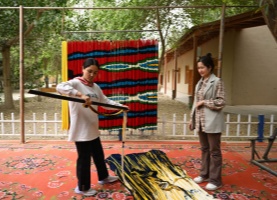
项目概况Project Overview
维吾尔族艾德莱斯绸织染技艺,维吾尔语词义为扎染丝绸,2008年列入第二批国家级非物质文化遗产名录,项目编号Ⅷ-109,由新疆洛浦县申报,洛浦县文化馆为法定保护单位。该技艺依托古丝绸之路文明发展成型,中原养蚕缫丝技艺西传至南疆于阗地区后,与西域本土经线扎束、草木染色工艺融合,传承至今已有两千年历史,核心发源地为和田洛浦县吉亚乡、布亚乡,喀什、莎车是重要延伸产区。
The Atlas Silk Weaving and Dyeing Technique of the Uyghur people, whose name means tie-dyed silk in the Uyghur language, was inscribed on the second batch of the National Intangible Cultural Heritage List in 2008 under the catalog number Ⅷ-109. It was nominated by Luopu County, Xinjiang, with the Luopu County Cultural Center serving as the official designated protection institution.
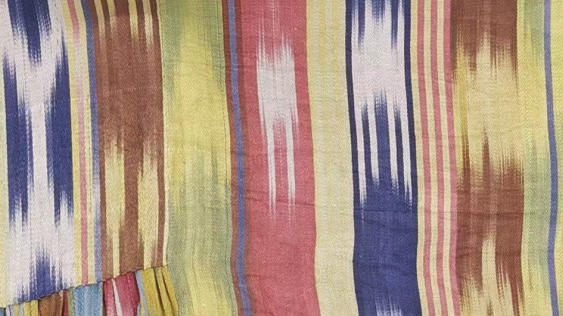
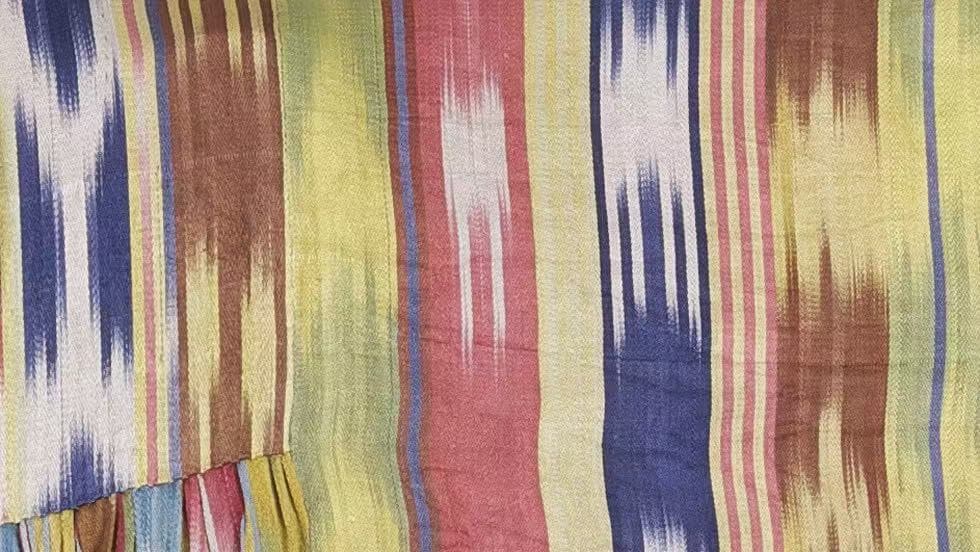
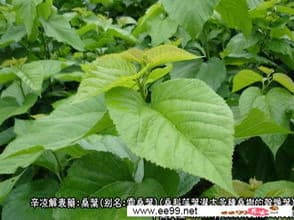
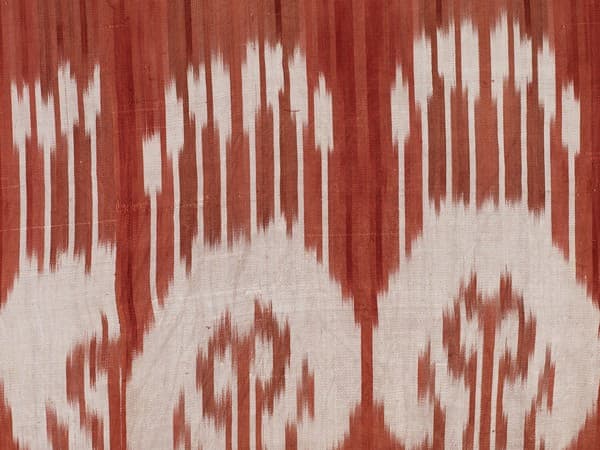
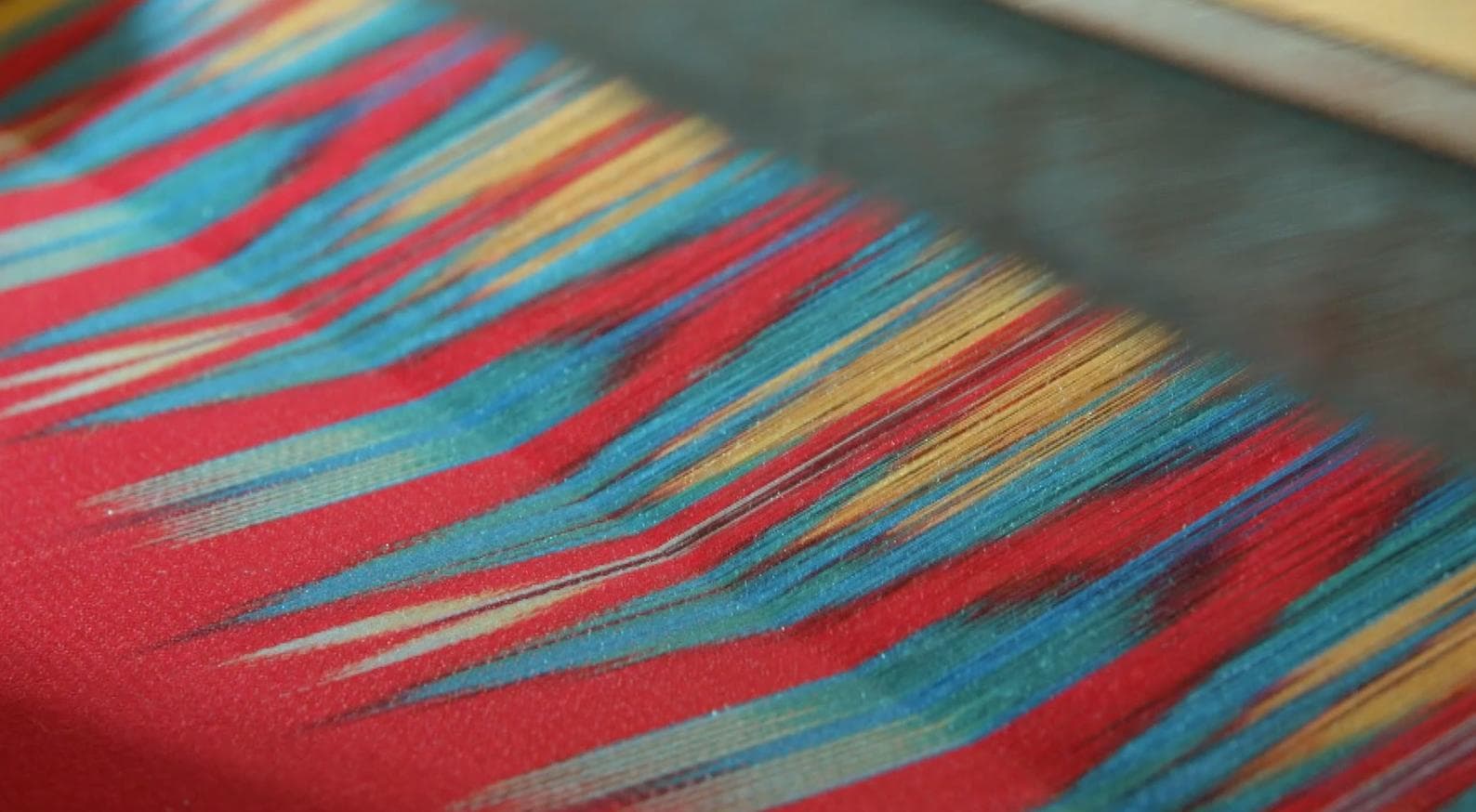
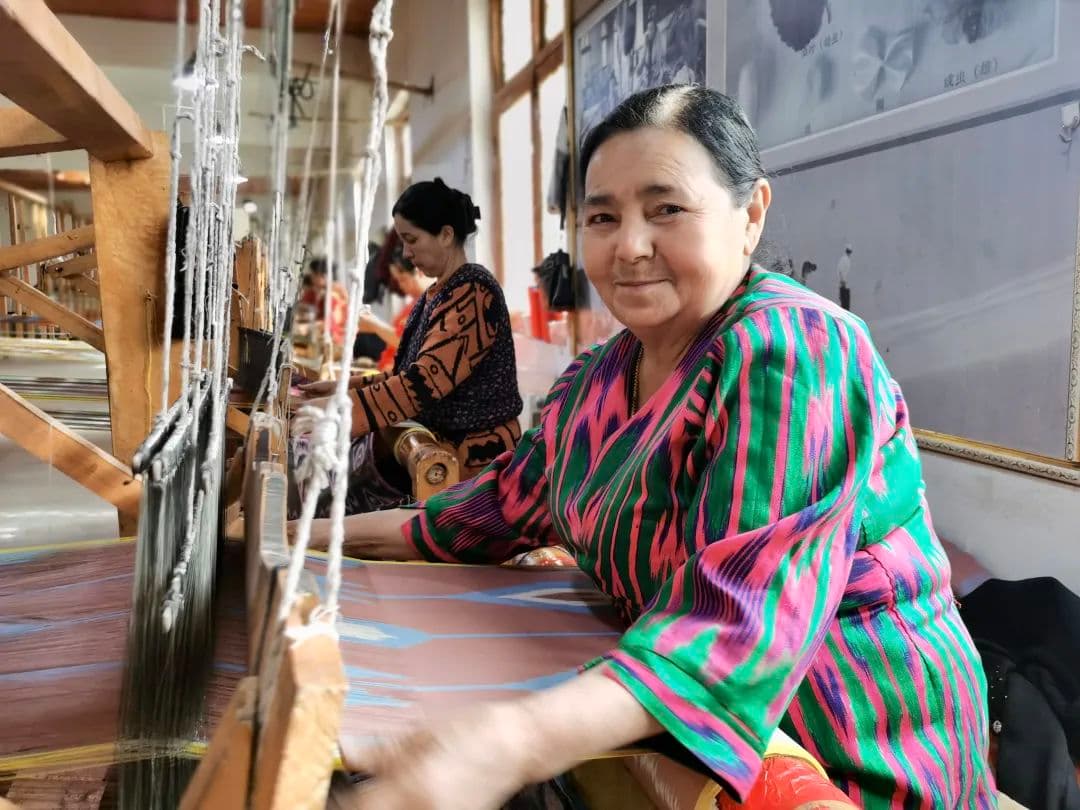
该技艺最核心特征是扎经染色、先染后织,区别于常规面料先织布再印花的流程。匠人以本地桑蚕丝为原料,用天然石榴皮、靛蓝草、核桃皮等植物染料,对捆扎分区的经线分层浸染,染液自然渗透形成独一无二的晕染纹理,再经由老式木织机手工织造,熟练匠人单日仅可织出3至4米面料,工艺繁复、成品具备唯一性。
Evolving along the ancient Silk Road, this craft took shape as sericulture and silk-reeling techniques from inland China spread westward to the ancient Yutian region in southern Xinjiang, merging with local Uyghur warp-binding and natural plant dyeing methods. Boasting a heritage of around 2,000 years, it originated mainly in Jiya and Buya Townships of Luopu County, Hotan, with Kashgar and Yarkand as key secondary production bases.
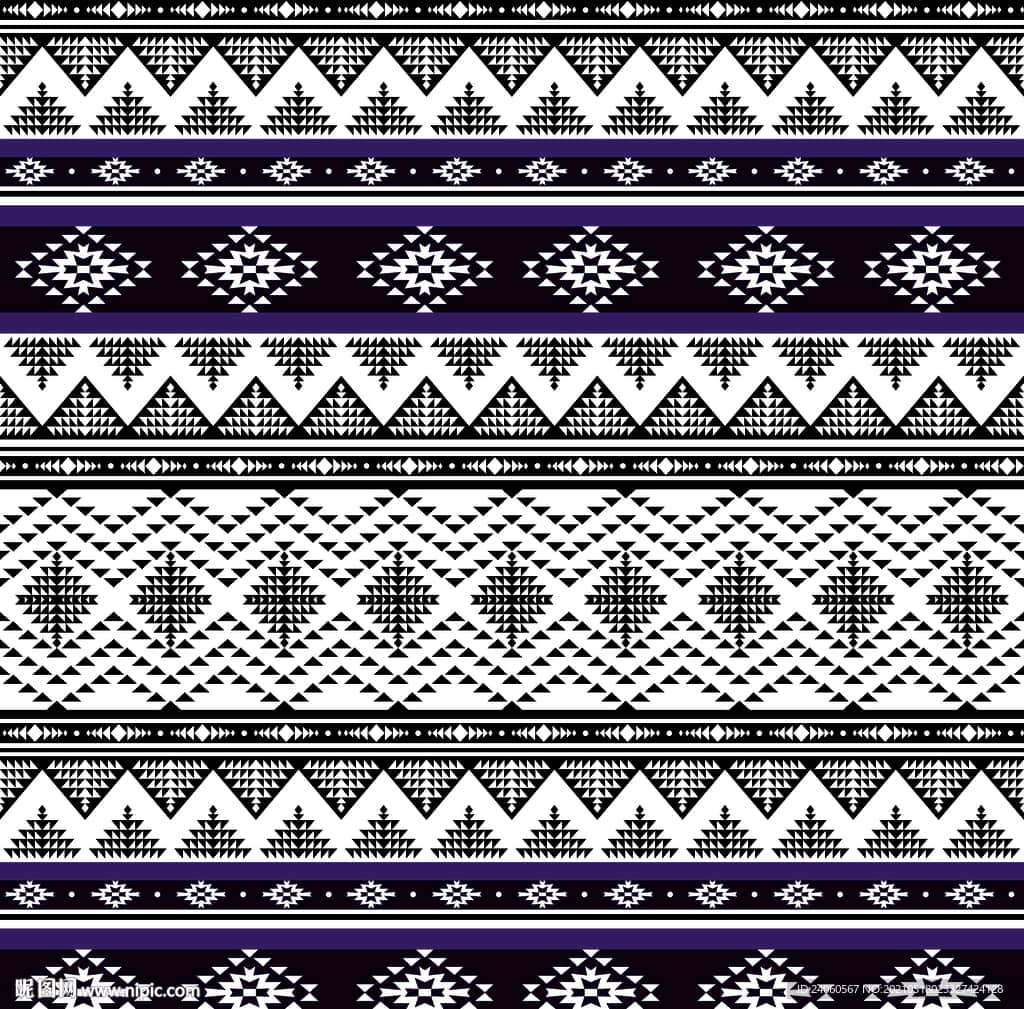
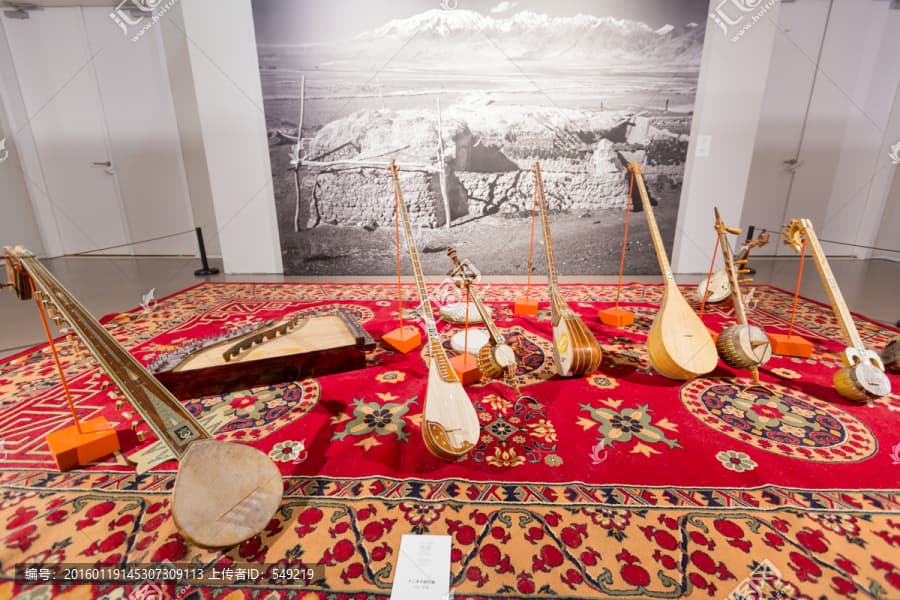
按照底色与纹样特征,传统艾德莱斯绸分为黑底、红底、黄底、莎车复合纹样四大品类,纹样多提取巴旦木花、羊角、热瓦普乐器等西域生活意象,承载平安顺遂的民俗寓意。长期以来,它是维吾尔族婚礼、节庆的标志性礼服面料。如今当地依托非遗培训学校,推动传统纹样创新应用于时装、文创产品,让这一“丝绸之路活化石”非遗技艺持续传承,成为展现新疆多民族文化交融的重要文化载体
Its defining feature is warp tie-dyeing, or dyeing before weaving, which differs from the common process of weaving cloth first and then printing patterns on it. Artisans use local mulberry silk as raw material. They bind warp threads into separate sections and dye them in layers with natural pigments extracted from pomegranate rinds, indigo plants and walnut husks. The gradual diffusion of dye creates one-of-a-kind blurred gradient textures. The dyed threads are then woven into finished silk on traditional wooden looms. Even skilled craftspeople can only produce 3 to 4 meters of fabric per day, making the procedure highly intricate and every piece irreplaceable.
Classified by base color and decorative motifs, traditional Atlas Silk falls into four categories: black-based, red-based, yellow-based, and composite patterns unique to Yarkand. Its patterns draw inspiration from local life symbols including almond blossoms, ram horns and Rawap musical instruments, embodying folk wishes for peace and good fortune. For generations, it has been the iconic fabric for Uyghur wedding gowns and festival costumes. Today, local intangible cultural heritage training schools help modernize its traditional patterns for fashion apparel and cultural and creative products. As a "living fossil of the Silk Road", this ancient craft carries forward its legacy and stands as an important cultural symbol showcasing the integration of diverse ethnic cultures in Xinjiang.
项目基本信息Project Basic Information
Collection Key Points
Description
Full Official Chinese Name
The Weaving and Dyeing Technique of Uyghur Atlas Silk in Xinjiang
Heritage Level
National Level
Inclusion Batch & Number
The Second Batch of the National Intangible Cultural Heritage List (No. Ⅷ-109)
Declared Region / Protection Institution
Luopu County, Xinjiang Uygur Autonomous Region; Luopu County Cultural Center
Distribution Area
Jiya Township and Buya Township, Luopu County, Hotan Prefecture, Xinjiang; as well as Hotan City, Kashgar City, Yarkand County and other regions in southern Xinjiang
历史渊源Historical Origins
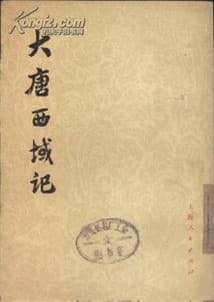
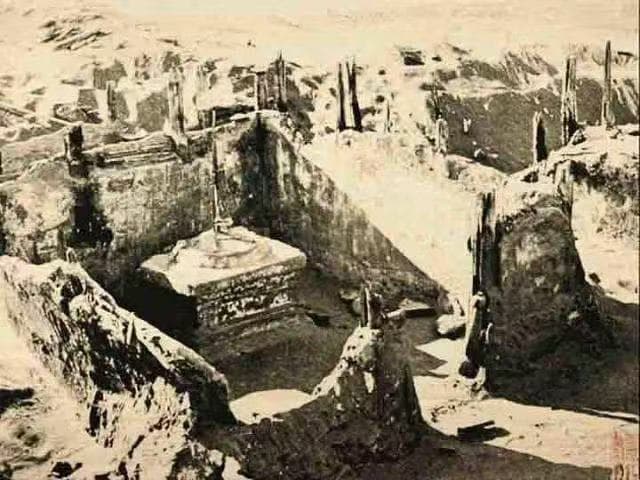
艾德莱斯绸织染技艺的发展根植于古丝绸之路的文明交流。东汉中后期,中原养蚕、缫丝技术经由丝路南道传入古于阗,也就是如今的新疆和田地区。唐代玄奘在《大唐西域记》中记载的“传丝公主”典故,正是蚕桑技术西传于阗的重要文字佐证,丹丹乌里克遗址出土的传丝公主木版画,也为这段历史提供了实物依据。魏晋至隋代,中亚扎经染色工艺传入南疆,与当地草木染技法、中原丝织工艺融合,艾德莱斯绸的核心制作工艺初步成型。
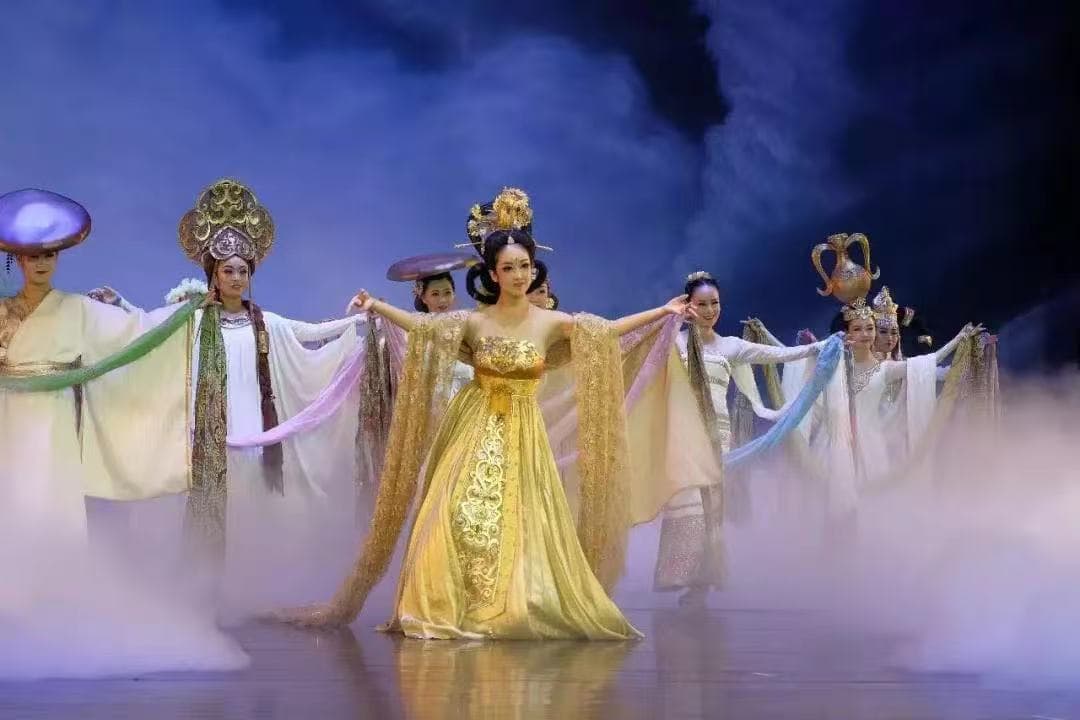
The weaving and dyeing craft of Uyghur Atlas Silk evolved alongside cultural exchanges on the ancient Silk Road. In the late Eastern Han Dynasty, sericulture and silk-reeling techniques from inland China spread southward along the southern route of the Silk Road to ancient Yutian, present-day Hotan in Xinjiang. The tale of the Silk Princess, documented by Xuanzang in The Great Tang Records on the Western Regions, serves as key written evidence for the westward spread of silkworm breeding technology to Yutian. A wooden panel painting of the Silk Princess unearthed at the Dandan Uiliq Site provides physical proof of this historical event. Between the Wei-Jin and Sui dynasties, the warp tie-dyeing technique from Central Asia was introduced to southern Xinjiang. Combined with local plant dyeing methods and Central Plains silk-weaving craftsmanship, the core production process of Atlas Silk gradually took shape.
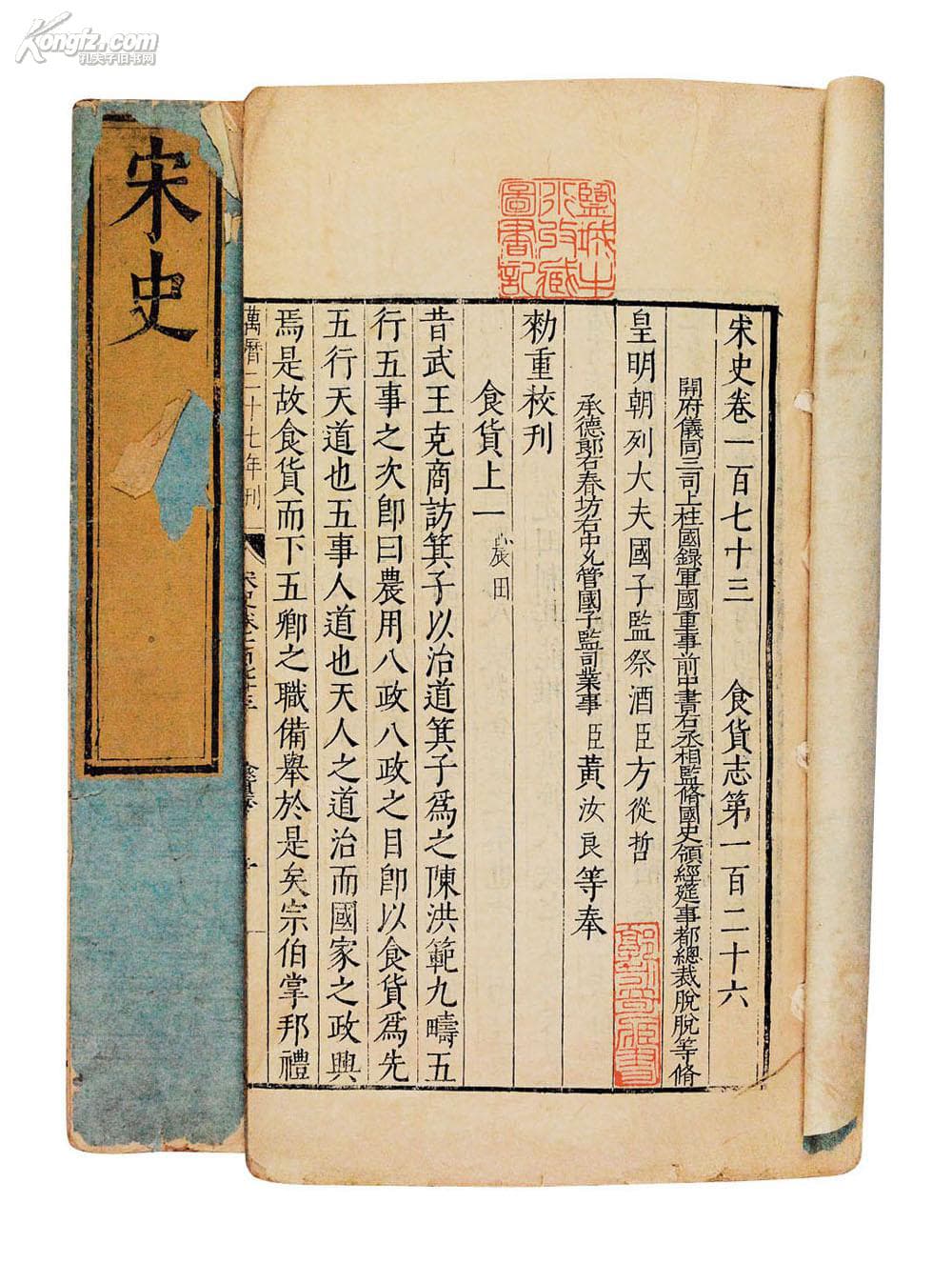
隋唐时期,于阗出产的特色丝绸以“胡锦”之名销往中原,还被纳入朝贡贡品,《隋书》《宋史》等正史都留下了相关贸易记录。元代朝廷在于阗设置染织官署,推动织绸技艺规模化发展。明代,大批和田织绸工匠迁往莎车,逐步分化出和田简约、莎车繁复两种经典风格。近代外文考察著作《喀什噶尔》中,已出现艾德莱斯绸的音译记载。长期以来,和田洛浦县吉亚乡形成了世代织绸的产业聚落。2008年,维吾尔族艾德莱斯绸织染技艺入选第二批国家级非物质文化遗产名录,这项沉淀了上千年丝路印记的手工技艺,在当代文创开发中持续传承新生。
During the Sui and Tang dynasties, distinctive silk fabrics produced in Yutian, known as "Hu silk", were sold across inland China and presented as imperial tributes. Relevant trade records can be found in official histories including Book of Sui and History of the Song Dynasty. In the Yuan Dynasty, the imperial court established official dyeing and weaving institutions in Yutian, boosting the large-scale development of local silk-making skills. In the Ming Dynasty, numerous silk craftsmen were relocated from Hotan to Yarkand, creating two classic styles: the understated Hotan style and the intricate Yarkand style. The modern travelogue Kashgar by Kurapatkin contains early phonetic records of Atlas Silk. For centuries, Jiya Township in Luopu County, Hotan, has developed into an industrial settlement of hereditary Atlas Silk weavers. Listed in the second batch of China’s National Intangible Cultural Heritage List in 2008, this thousand-year-old craft bearing the marks of the Silk Road keeps thriving and innovating through modern cultural and creative development.
文化价值与社会意义Cultural Value and Social Significance
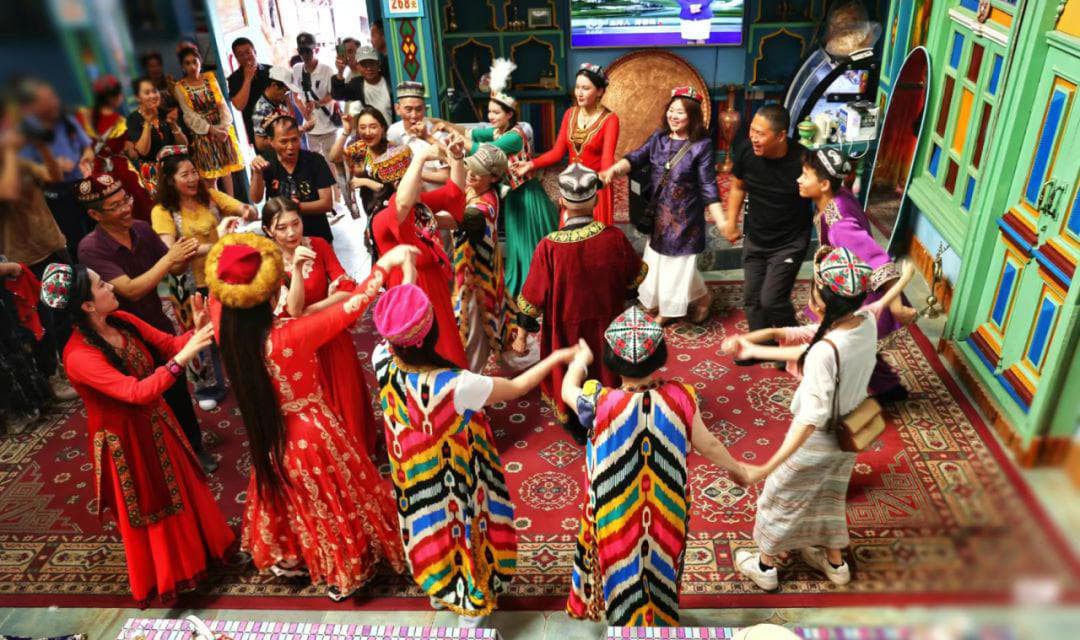
维吾尔族艾德莱斯绸织染技艺作为国家级非物质文化遗产,拥有多重深厚文化内核与现实社会价值。在民族文化体系中,它是维吾尔族本土审美、民俗精神的核心物质载体。其巴旦木花、羊角、石榴、热瓦普乐器等经典纹样,源自西域日常物产与生活意象,承载着民众对平安顺遂、丰收富足的美好祈愿,长久以来是维吾尔族婚礼、古尔邦节等重大节庆的标志性服饰面料,维系着族群文化认同感与民俗传承纽带。从文明维度来看,该技艺是古丝绸之路多元文明交融的“活化石”,中原蚕桑缫丝技术、中亚扎经工艺、南疆本土草木染色技法在此融合成型,实证了自古以来新疆各民族文化扎根中华文明沃土、互通互鉴的历史事实,是中华文化多元一体格局的典型缩影。
As a national-level intangible cultural heritage, the Uyghur Atlas Silk weaving and dyeing craft bears profound cultural connotations and practical social value. Within Uyghur ethnic culture, it serves as a core physical carrier of local aesthetic tastes and folk spirits. Its classic patterns, including almond blossoms, ram horns, pomegranates and Rawap musical instruments, originate from local daily objects and scenes in southern Xinjiang, embodying people’s blessings for peace, good fortune and abundant harvests. For centuries, Atlas Silk has been the exclusive fabric for Uyghur wedding gowns and costumes for major festivals such as the Corban Festival, acting as a vital bond to sustain ethnic cultural identity and folk inheritance.From the perspective of civilization exchange, this craft is a living fossil of multicultural integration along the ancient Silk Road. It took shape through the combination of Central Plains sericulture and silk-reeling technologies, Central Asian warp tie-dye techniques, and local plant dyeing methods in southern Xinjiang. It solidly proves that ethnic cultures in Xinjiang have long been rooted in Chinese civilization and developed through mutual learning, serving as a typical embodiment of the diverse yet integrated structure of Chinese culture.
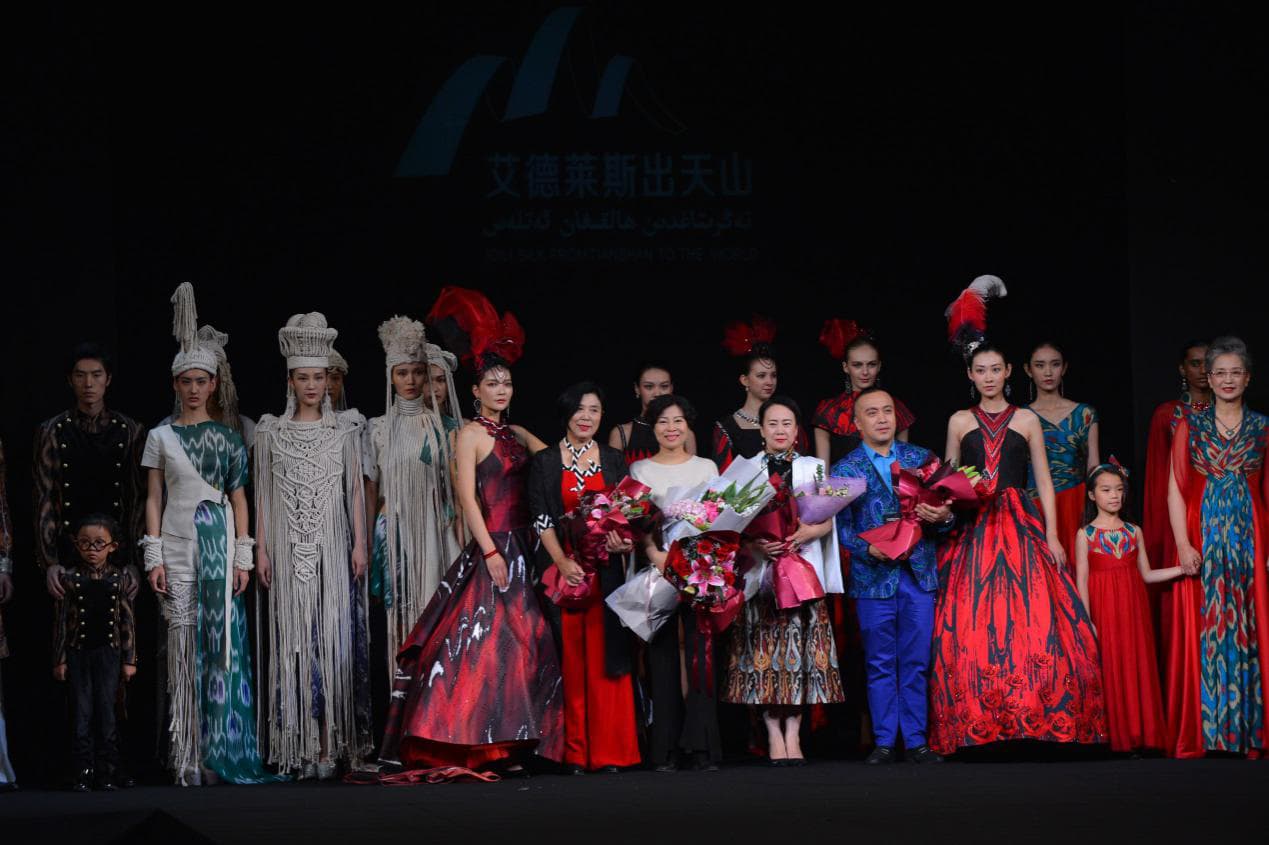
在经济与社会功能层面,艾德莱斯绸是南疆乡村富民增收的特色支柱产业。和田洛浦县依托非遗工坊、织染技艺培训学校,系统化培养新生代匠人,带动居家手工就业;自治区“艾德莱斯出天山”工程,将传统纹样创新运用于时装、文创、家居产品,借助电商与文旅渠道拓展市场,有效助力乡村振兴与地方文旅发展。对外交流层面,如今艾德莱斯元素频繁亮相国际时尚秀场与中外文化展会,成为新疆对外友好交流的文化名片,搭建起不同地域、不同民族民心相通的桥梁。
Economically and socially, Atlas Silk has become a characteristic pillar industry boosting rural income in southern Xinjiang. Relying on intangible cultural heritage workshops and craft training schools, Luopu County in Hotan systematically cultivates young artisans and creates flexible home-based handicraft jobs. The regional project Atlas Silk Goes out of the Tianshan Mountains has redesigned traditional patterns for modern garments, cultural and creative goods and home supplies, expanding sales via e-commerce and cultural tourism to support rural revitalization and local tourism growth. Internationally, Atlas Silk elements frequently appear in global fashion shows and Sino-foreign cultural exhibitions, functioning as a cultural business card of Xinjiang and promoting people-to-people exchanges across regions and ethnic groups.
从非遗传承现状来讲,当下数字化建档、AI纹样再设计等现代化手段,让古老织染技艺跳出传统服饰边界,融入当代日常生活,实现了活态可持续传承,持续为边疆文化建设、民族文化保护注入新活力.
With modern approaches such as digital archiving and AI pattern redesign, this ancient craft has broken the boundary of traditional clothing, integrated into modern daily life, and achieved sustainable living inheritance, continuously injecting new momentum into borderland cultural development and ethnic heritage protection.
工艺特征Craft Characteristics
维吾尔族艾德莱斯绸织染技艺最核心的标志性工艺为扎经染色、先染后织,和常规丝绸“先织布、后印花”的制作逻辑完全相反,是区别于其他丝织工艺的核心特征。整套传统流程包含煮茧缫丝、并丝卷线、经线捆扎、分层草木染色、整经分线、木机织造等多达28道纯手工工序,全程依靠匠人手工把控,无法批量机械化复刻。
The most distinctive hallmark of Uyghur Atlas Silk weaving and dyeing technique is warp tie-dyeing (dyeing before weaving), which is totally different from the conventional silk-making process of weaving first and printing patterns later. It consists of 28 fully manual procedures, including cocoon boiling & silk reeling, thread doubling & winding, warp binding, layered plant dyeing, warp arranging and wooden loom weaving. The whole process relies entirely on manual manipulation and cannot be reproduced by mass machinery.
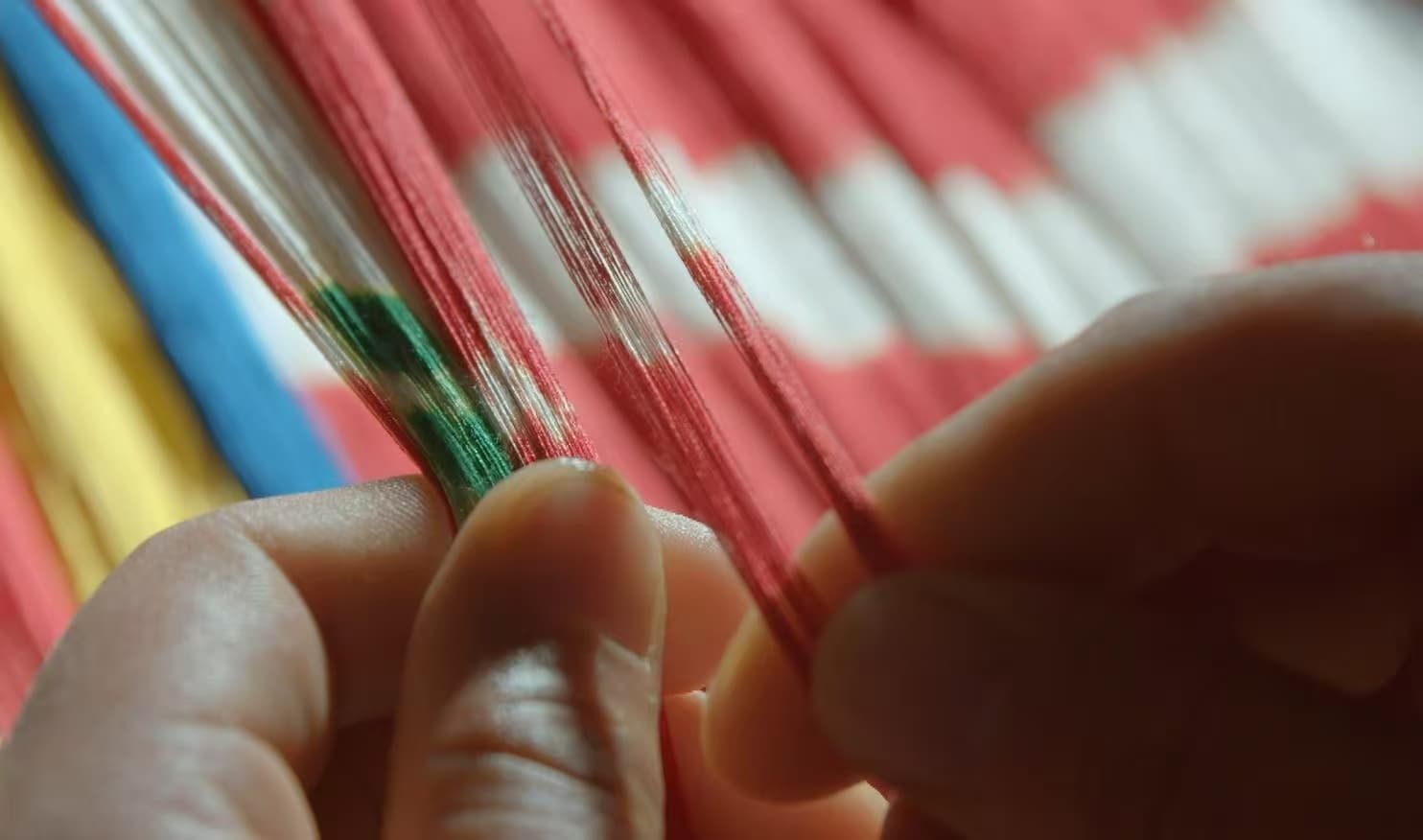
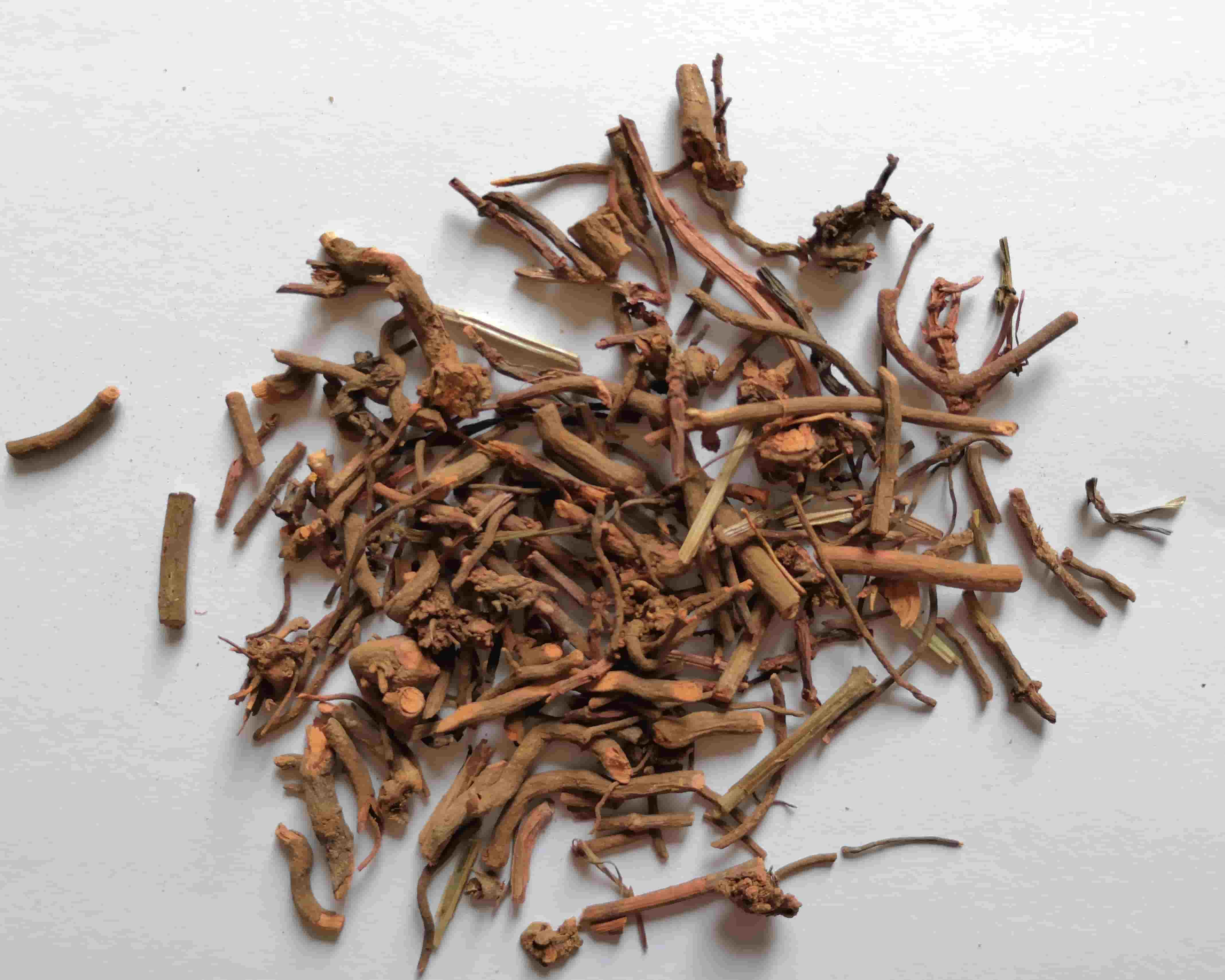
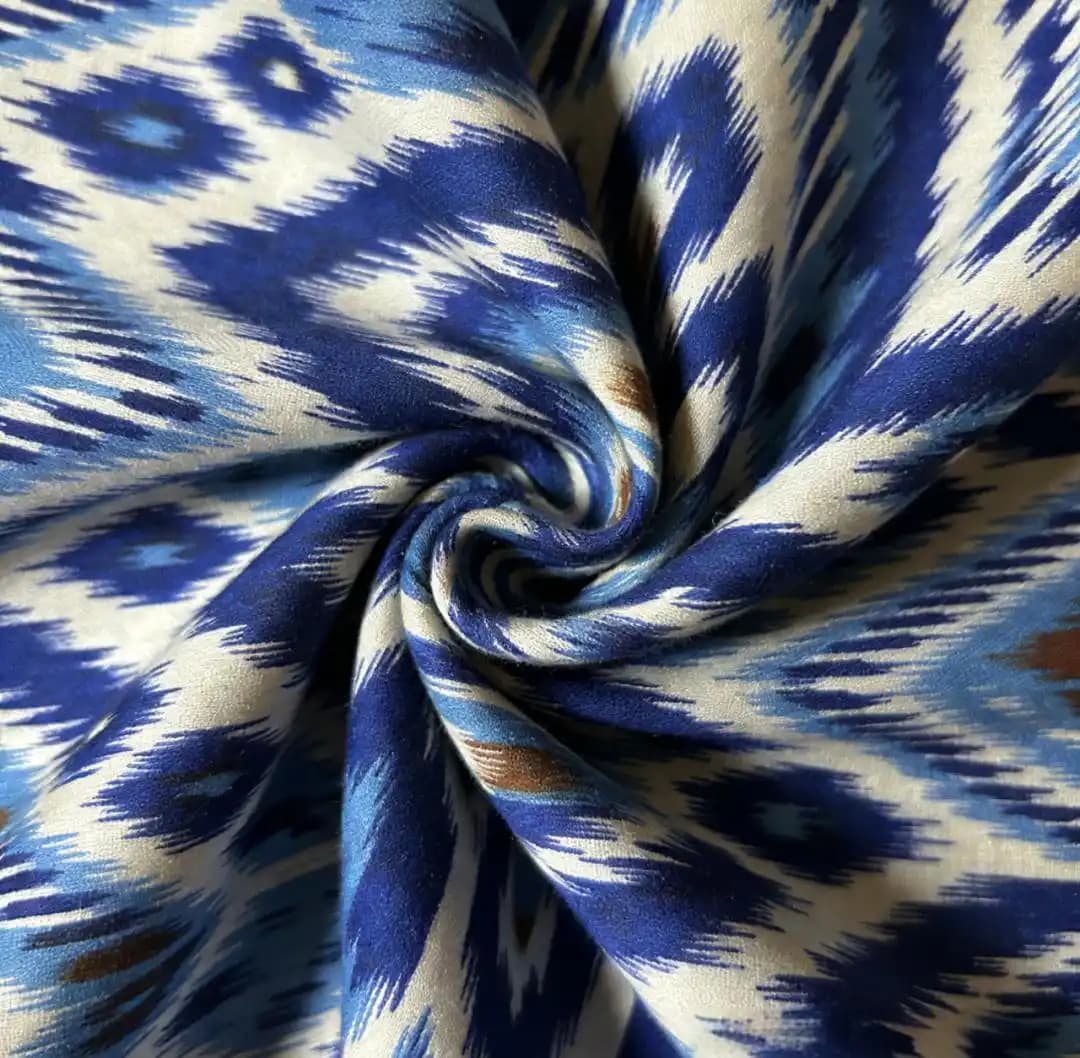
匠人以南疆本地桑蚕丝为原料,依照预设纹样,用玉米皮、纱线将经线分区捆扎做防染处理,再使用石榴皮、靛蓝草、核桃皮、茜草等天然植物染料分层浸染丝线。染液在捆扎缝隙自然渗透扩散,会形成朦胧随性、独一无二的晕染色晕肌理,这也是艾德莱斯绸纹样灵动多变的根源。染色完成后,经线经规整排序,再送入老式木质织机织造。受手工效率限制,资深匠人单日仅能织造3至4米成品面料,每一匹面料的纹理都具备不可复制的唯一性。
Artisans take local southern Xinjiang mulberry silk as raw material. According to pre-designed patterns, they bind warp threads into separate sections with corn husks and yarns for anti-dye treatment. Then the threads are dyed layer by layer with natural plant pigments extracted from pomegranate peels, indigo, walnut husks and madder. Dye naturally seeps through gaps of the bindings and forms unique blurred gradient textures, which create the distinctive flowing patterns of Atlas Silk. After dyeing, warps are neatly arranged and woven on traditional wooden looms. Limited by manual efficiency, even skilled artisans can only produce 3 to 4 meters of fabric per day, making every bolt of silk irreplaceable.
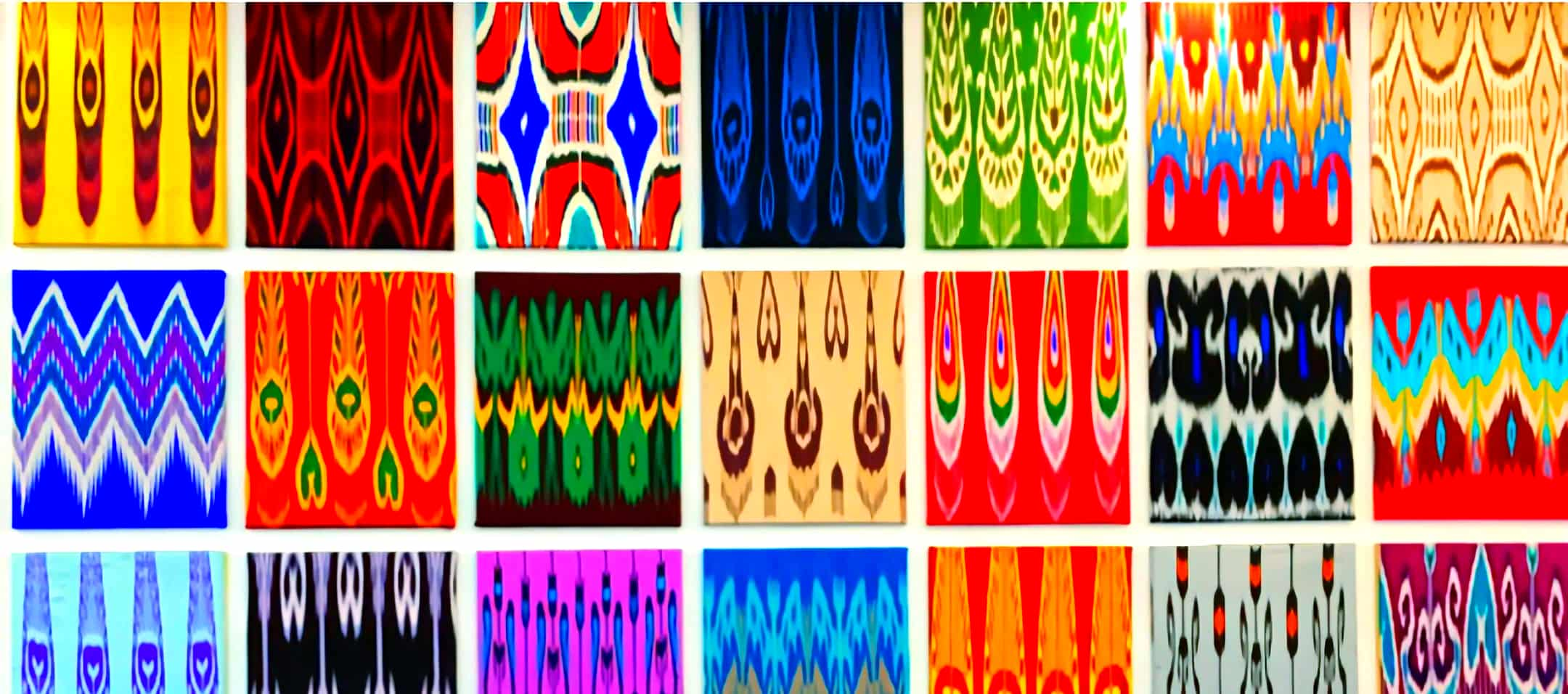
在织物结构上,传统艾德莱斯绸采用六枚变则经面缎纹组织,依靠经线凸显花纹光泽;产区还分化出两种工艺风格:和田洛浦款工序简约、纹样粗犷,莎车款扎染分区更细密、图案繁复精致,共同构成该技艺完整的工艺体系。
In fabric structure, traditional Atlas Silk adopts modified 6-end warp satin weave to highlight the glossy patterns. Two regional styles have gradually formed: the Hotan-Luopu style features simpler procedures and bold patterns, while the Yarkand style uses finer warp division and elaborate motifs, jointly forming the complete craft system.
工艺流程详解Detailed Craft Process
艾德莱斯绸织染技艺整套制作流程严谨精细,全程包含二十余道纯手工工序,整体遵循先染后织、扎经显花的独特工艺逻辑。制作首先进入原料加工阶段,匠人精选南疆优质桑蚕茧,通过沸水煮茧、手工缫丝、并丝捻线、卷丝分筒等基础工序,获得韧性均匀、光泽饱满的优质丝线,为后续织造奠定基础。随后进入技艺最关键的扎经染色环节,匠人在整经架上完成经线排布,依据传统民族纹样标记图案区域,利用玉米皮、棉线对不需要上色的区段紧密捆扎,形成天然防染效果。之后采用石榴皮、靛蓝草、核桃皮等纯天然植物染料,按照先浅后深的顺序多次分层浸染、反复套色,染液在扎线缝隙自然渗透晕化,形成艾德莱斯绸独有的流动渐变纹理。染色结束后经清水漂洗、自然阴干,再拆除所有扎绳,人工逐条校准经线位置、精细对花,确保图案衔接连贯完整。完成全部染整工序后,匠人将染色经线穿综引筘、上机固定,通过传统老式木质织机手工踏织,以缎纹组织结构织造坯绸。最后经过褪浆、平整熨烫与人工细致质检,最终成型。整套工序完全依靠匠人经验手工把控,无法机械复刻,使每一匹艾德莱斯绸都具备独一无二、不可复制的艺术质感。
The entire weaving and dyeing process of Atlas Silk involves more than 28 fully manual procedures, following the unique core logic of dyeing warp threads before weaving to form patterns. The production begins with raw material preparation. Artisans select high-quality local mulberry cocoons from southern Xinjiang. Through cocoon boiling in hot water, manual silk reeling, thread twisting and winding onto separate bobbins, durable, lustrous and uniform silk yarns are prepared for subsequent weaving.Next comes the most crucial step: warp tie-dyeing. Workers arrange warp threads on a warping frame, mark pattern areas according to traditional Uyghur decorative motifs, and tightly wrap sections that need to remain undyed with corn husks and cotton threads to create a resist effect. Natural plant dyes extracted from pomegranate peels, indigo plants and walnut husks are then boiled up. Threads are dyed layer by layer from light shades to dark tones with repeated color overlapping. Dye liquid seeps through gaps around the bindings naturally, generating the signature flowing gradient textures exclusive to Atlas Silk.After dyeing, the threads are rinsed with clean water and air-dried in the shade. All binding ropes are removed, and craftspeople adjust each warp thread one by one to align patterns seamlessly. The processed warp yarns are then threaded through heddles and reeds and fixed onto traditional wooden looms for hand weaving in satin weave structure. The finished grey silk fabric undergoes desizing, pressing and strict manual quality checks in the final stage. Since every step relies entirely on experienced manual control and cannot be duplicated by machinery, every bolt of Atlas Silk boasts an original, irreplaceable artistic texture.
收茧选茧 Cocoon Selection
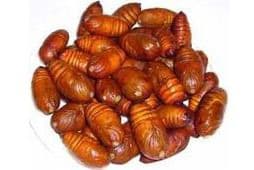
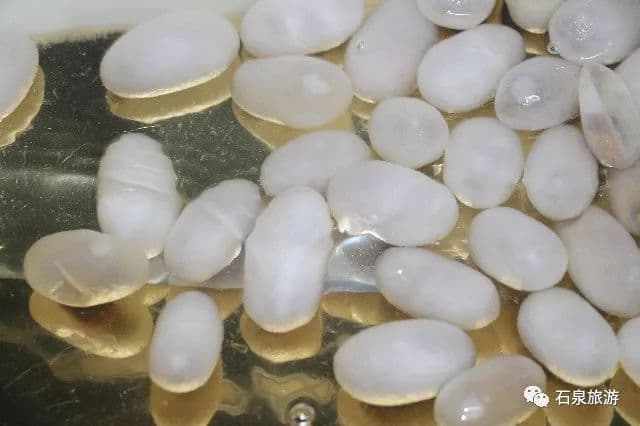
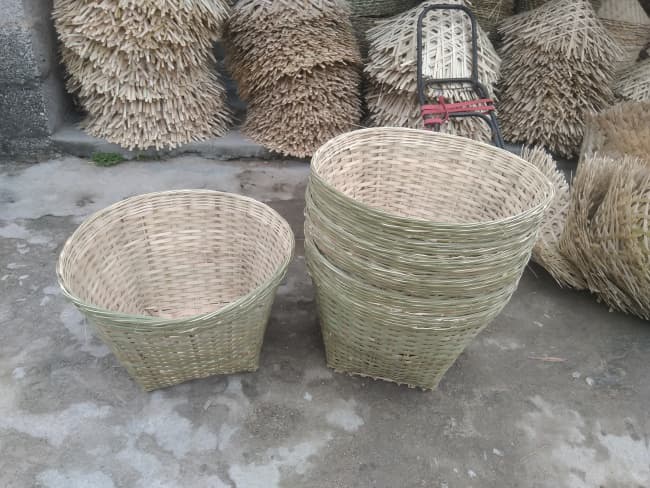
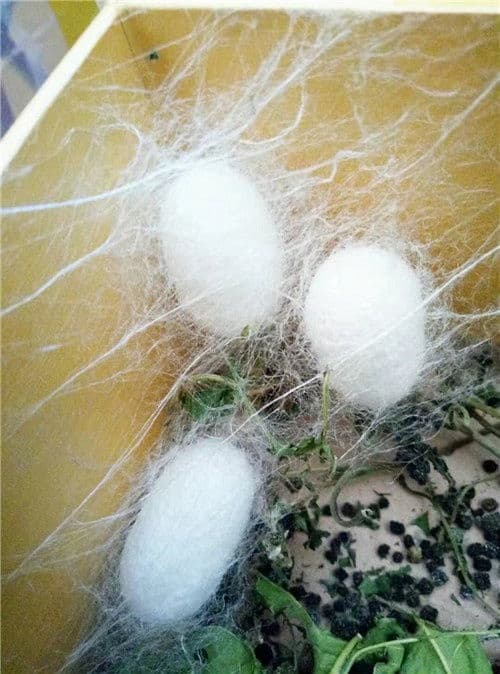
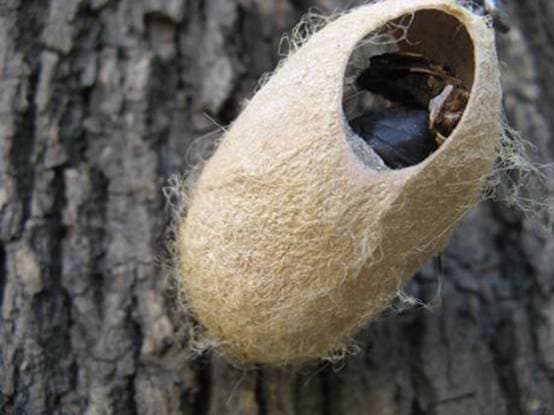
收茧选茧是维吾尔族艾德莱斯绸织染技艺28道古法工序的第一道源头基础工序,也是决定整匹丝绸品质、光泽、韧性与成品稳定性的关键性前置环节,全程遵循和田当地千年蚕桑古法标准手工完成。每年桑蚕成熟上蔟结茧六至七天后,匠人精准把控最佳采收窗口期,待蛹体发育饱满、摇晃蚕茧可听见清晰滚动声响时,再进行批量手工采茧,过早采收会导致蚕丝生脆易断,过晚则容易出现破茧飞蛾造成原料报废。采茧时匠人严格按照顺序轻捏取茧,避免挤压磕碰损伤茧层结构,同时当场剔除霉变茧、烂茧、死蛹茧等完全无法利用的残次原料。采收完成后,手工剥离蚕茧外层松散细碎、无法缫制长丝的茧衣纤维,再借助自然光强光检视、摇茧辨声、目视比对等传统鉴别方法,将全部蚕茧精细分级为上茧、次茧、下茧三大类别:其中茧形端正饱满、茧层厚实均匀、色泽干净通透、无黄斑污渍、无破洞薄皮的优质上茧,专门用于缫制高端艾德莱斯绸长丝;外形略有瑕疵、轻微污渍的次茧用于普通面料织造;薄皮茧、双宫茧、破洞茧、霉茧等下茧统一分拣出来,仅用作丝棉、填充辅料等副产品。筛选过程中匠人使用竹制托盘、分级竹筐等传统工具分类收纳,全程轻拿轻放、防潮通风存放,并单独留存品相最优、茧质最佳的上等种茧,用于来年桑蚕育种繁育,保障本地蚕丝原料纯正稳定。通过这道严谨细致的人工筛选分级工序,彻底从源头剔除劣质原料、统一蚕丝品质标准,为后续煮茧缫丝、捻线织造、扎经染色等所有工序奠定均匀、细腻、坚韧的优质原料基础,是古法艾德莱斯绸质感独特、纹理细腻、品质上乘的根本保障。
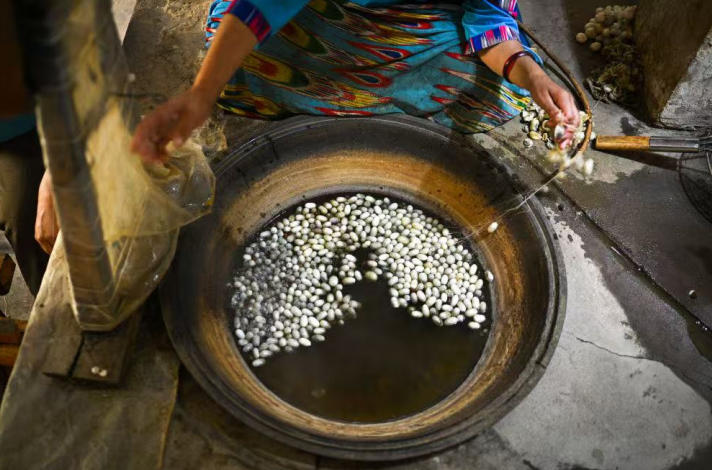
Cocoon harvesting and sorting is the very first foundational step among the 28 ancient handcraft procedures of the Uyghur Atlas Silk weaving and dyeing technique, and it also serves as a crucial pre-process that determines the luster, toughness and overall quality stability of the finished silk fabric. The whole operation is carried out manually in line with age-old local sericulture standards passed down in Hotan. Six to seven days after silkworms finish spinning cocoons on mounting frames, artisans seize the optimal harvest time point: when the pupae inside develop fully and clear rolling sounds can be heard by shaking the cocoons. Harvesting too early will result in brittle silk threads prone to breaking, while delayed picking often leads to moth breakthroughs and irreversible raw material waste. During collection, workers pick cocoons gently in order to prevent squeezing and damage to the cocoon shell, while immediately discarding moldy, rotten and dead-pupa cocoons that are completely unusable. After harvesting, the loose outer cocoon floss, which cannot be reeled into long silk filaments, is stripped off by hand. Relying on natural strong light inspection, sound identification by shaking and visual comparison, artisans classify all cocoons into three grades: top-grade cocoons with regular oval shapes, thick and uniform layers, clean color and intact surfaces are reserved exclusively for producing high-quality long silk for Atlas Silk; slightly flawed second-grade cocoons are used for ordinary silk fabrics; defective low-grade cocoons such as thin-shell cocoons, double cocoons, broken and moldy ones are separated to make silk wadding and filling materials. Craftsmen use bamboo trays and graded bamboo baskets for categorized storage, keeping cocoons handled lightly and stored in dry, well-ventilated conditions. Premium intact cocoons are set aside separately as breeding seeds to guarantee stable and pure local silk supplies for the next year. This rigorous manual sorting eliminates inferior raw materials at the source and unifies quality standards, laying a solid foundation of even, delicate and durable silk threads for the subsequent procedures including cocoon boiling, silk reeling, thread twisting, warp binding and plant dyeing. It fundamentally accounts for the distinctive texture, fine grain and superior quality of handcrafted traditional Atlas Silk.
煮茧缫丝 Cocoon Boiling & Silk Reeling
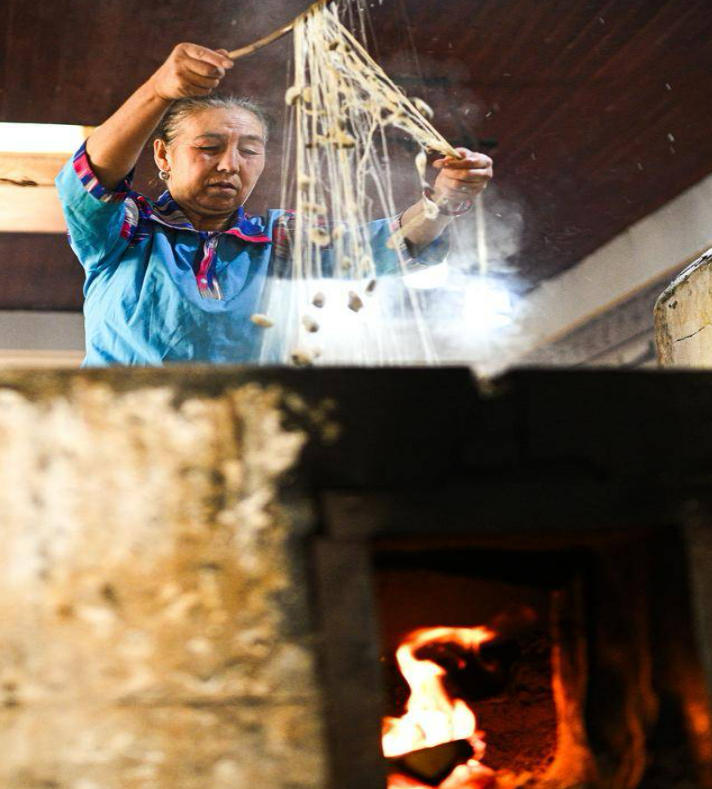
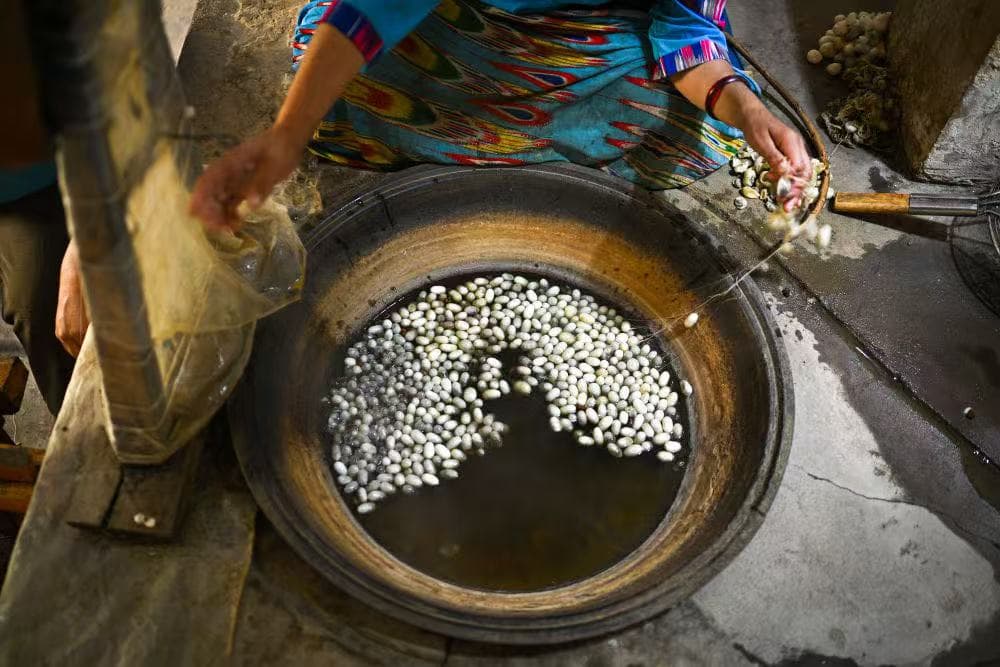
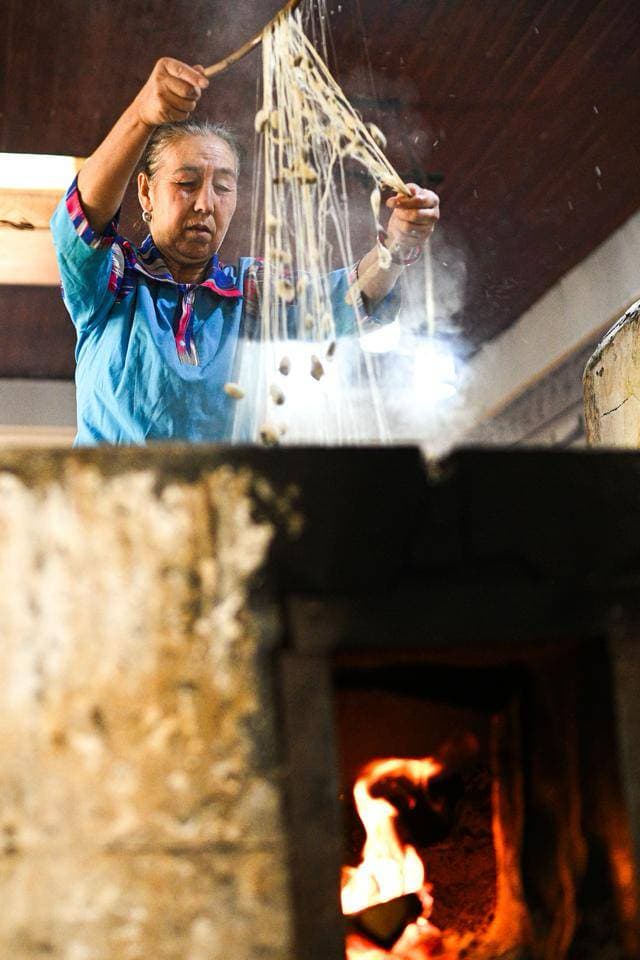
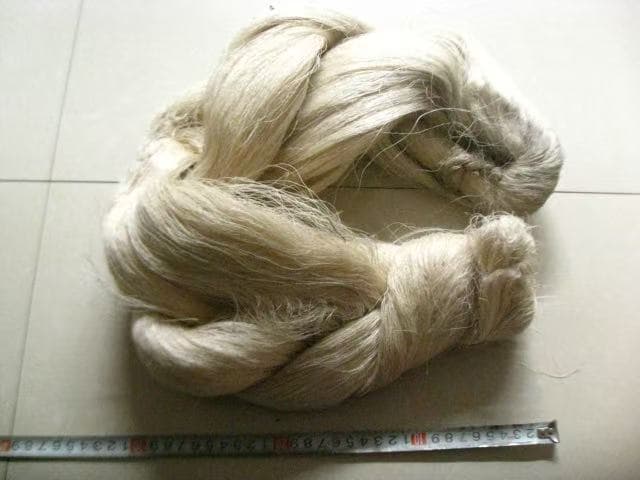
煮茧缫丝是将固态蚕茧转化为连续生丝的核心加工工序。蚕茧依靠丝胶把蚕丝紧紧粘合,匠人把筛选完毕的优质蚕茧分批置入温水持续焖煮,精准把控水温与时长,适度溶解茧层之间的丝胶,软化茧壳结构;煮至茧体蓬松柔软后,利用细竹签寻找到丝头,将多枚蚕茧的丝束汇集一处,依靠木质缫丝器具匀速牵引,连续抽出绵长完整的原生蚕丝并缠绕在线轴之上。牵引速度需要全程平稳匀速,速度波动容易造成丝线粗细不均。古法手工煮茧缫丝最大程度保留蚕丝天然柔韧特性与温润光泽,产出的生丝品质优越,是实现后续捻线、织造的必要原料。
Cocoon boiling and silk reeling is the core processing step that converts solid silkworm cocoons into continuous raw silk. Silk filaments inside cocoons are tightly bonded by sericin. Artisans place screened premium cocoons into warm water for stewing in batches, precisely controlling water temperature and duration to moderately dissolve interlayer sericin and soften cocoon structures. Once cocoons expand and turn soft, craftsmen find thread ends with thin bamboo sticks, gather silk bundles from multiple cocoons, pull out continuous intact raw silk steadily with wooden reeling tools, and wind the silk onto spools. The traction speed must remain consistent all the time; speed fluctuations easily lead to uneven yarn thickness. Ancient manual cocoon boiling and silk reeling maximally retains the natural flexibility and mild luster of silk, producing high-quality raw silk as essential raw material for follow-up twisting and weaving.
并丝捻线 Thread Twisting & Doubling
并丝捻线包含并丝合股与丝线加捻两道连续操作,目的是提升单根生丝的结构强度。刚缫制完成的原生单丝纤度细、结构松散,直接织造极易发生断裂。匠人将多根生丝对齐收拢、平行合并成丝束,再按照固定方向对丝束施加扭转捻合,让内部蚕丝纤维互相咬合缠绕,有效提升丝线的紧实度、抗拉能力与耐磨性能。捻度需要遵循世代传承的经验标准,捻度不足加固效果有限,过度加捻则会令丝线僵硬,损失蚕丝天然垂坠感。经过并丝捻线加工后的股线韧性充足,可以承受织机持续拉扯,满足艾德莱斯绸织造使用要求。
Thread twisting and doubling consists of two consecutive operations: filament doubling and twisting, aiming to improve the structural strength of single raw silk. Newly reeled single raw silk is thin and loosely structured, prone to breaking if directly used for weaving. Artisans align and gather multiple raw silk filaments into parallel bundles, then twist the bundles in a fixed direction to interlock internal silk fibers, effectively improving compactness, tensile resistance and wear resistance of yarns. The twist degree follows time-honored empirical standards: insufficient twist leads to poor reinforcement, while excessive twisting stiffens yarns and destroys silk’s natural drapability. Yarns processed via doubling and twisting gain sufficient toughness to endure continuous tension on looms and meet the weaving requirements of Atlas Silk.
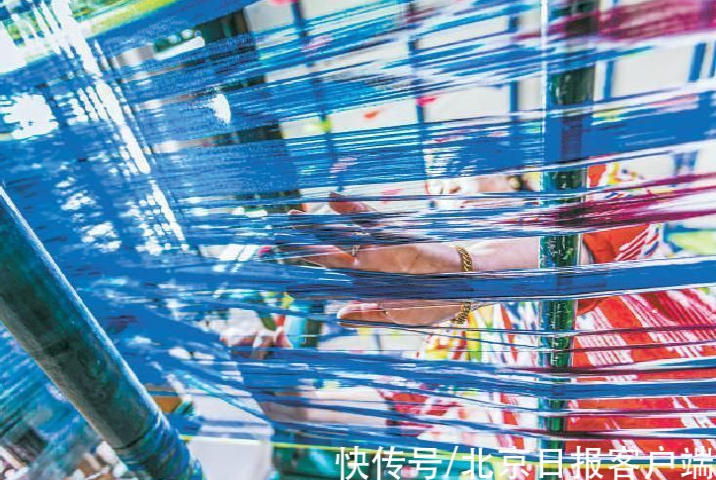
卷丝分筒 Winding & Bobbin Sorting
卷丝分筒是丝线规整收纳与前置质检工序。经过并丝捻线的股线杂乱分散,不便转运与上机使用,匠人借助传统木质绕线工具,将经线、纬线分类,匀速、疏密均匀地缠绕至专用线筒表面。卷绕作业过程中同步逐条检视丝线,提前挑除打结、粗细突变、存在断丝隐患的瑕疵区段,规避后续整经、织造阶段的故障。完成缠绕的线筒做好标识,严格区分经线筒与纬线筒有序存放,便于下一阶段分条整经工序直接取用,实现丝线规范化管理。
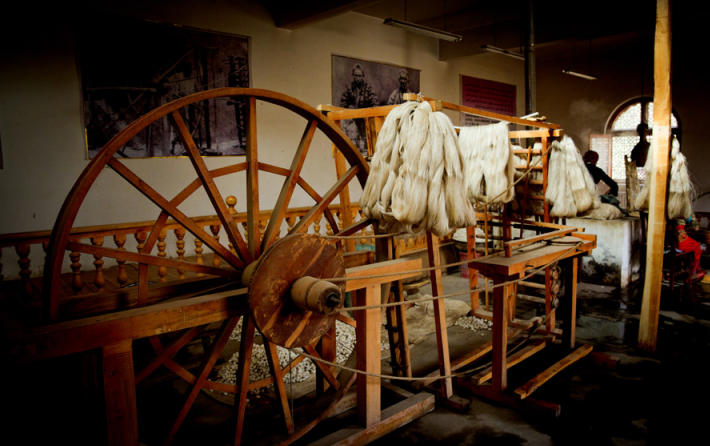
Winding and bobbin sorting is the procedure for yarn arrangement, storage and preliminary quality inspection. Twisted yarns are scattered and inconvenient for transportation and loom application. With traditional wooden winding tools, artisans classify warp yarns and weft yarns, and wind them evenly onto dedicated bobbins at constant speed. During winding, craftsmen inspect yarns one by one, removing flawed sections with knots, abrupt thickness changes and potential breakage risks in advance to avoid malfunctions in subsequent warping and weaving. Finished bobbins are marked clearly to distinguish warp bobbins and weft bobbins for orderly storage, convenient for direct use in the next sectional warping procedure and standardized management of silk yarns.
分条整经 Sectional Warping
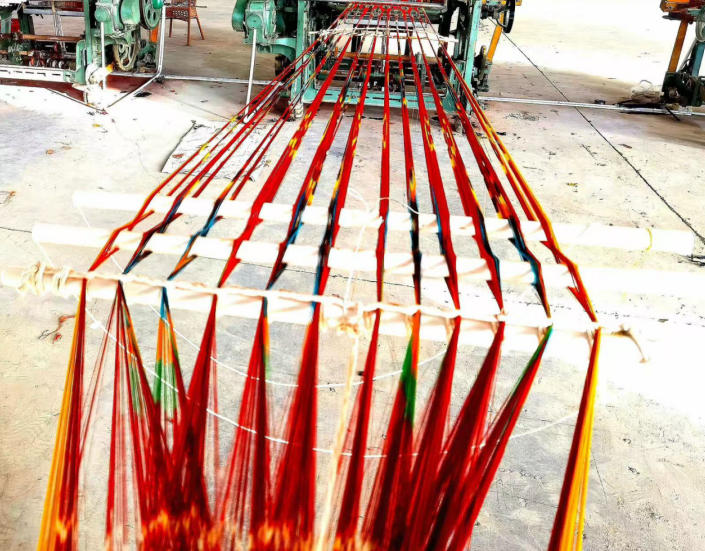
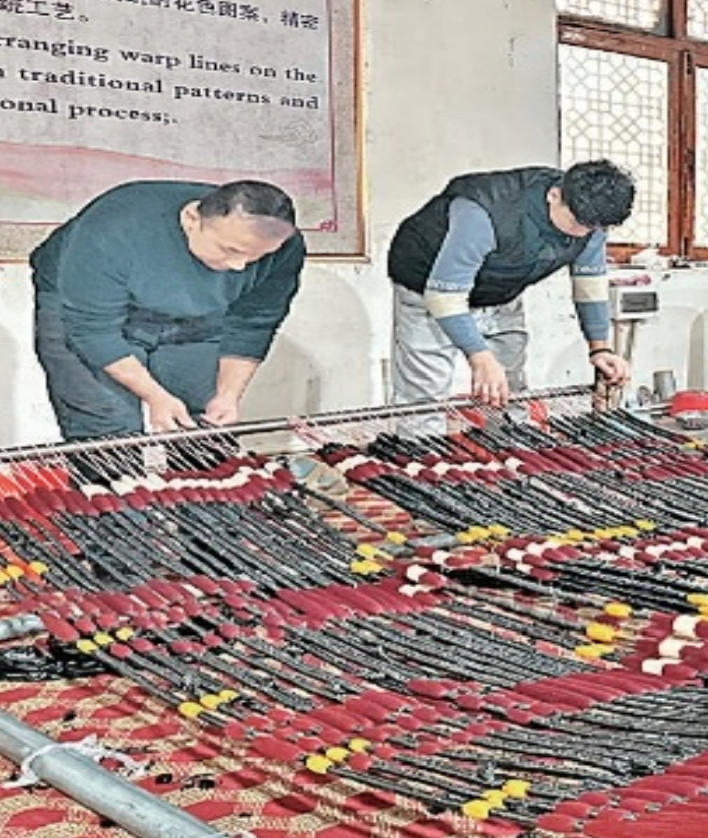
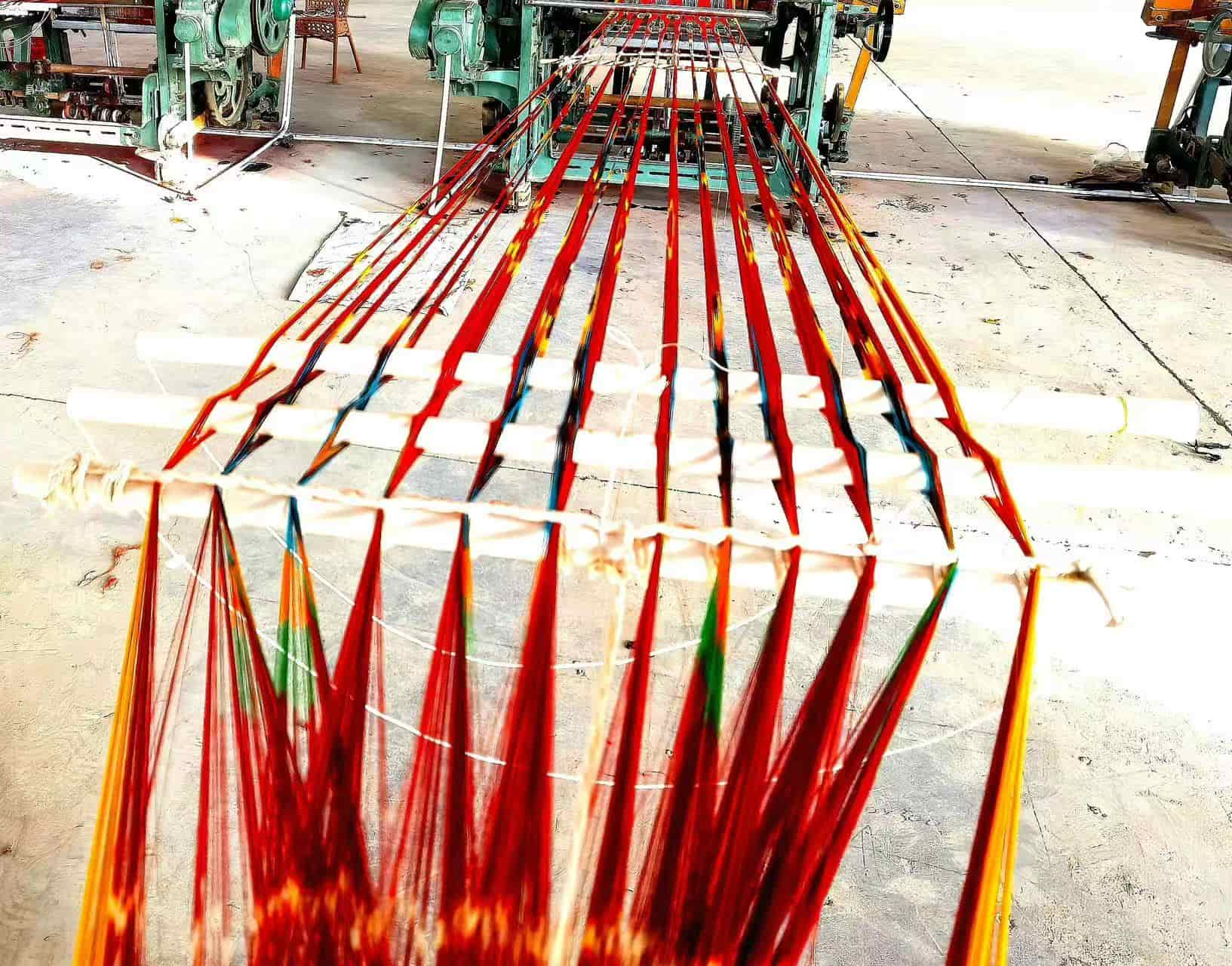
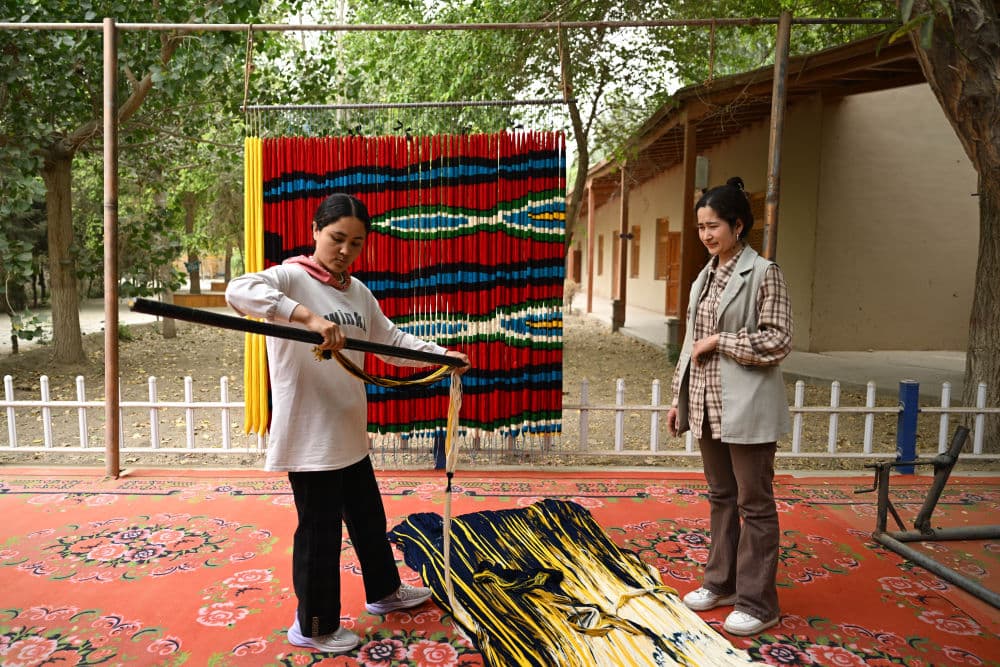
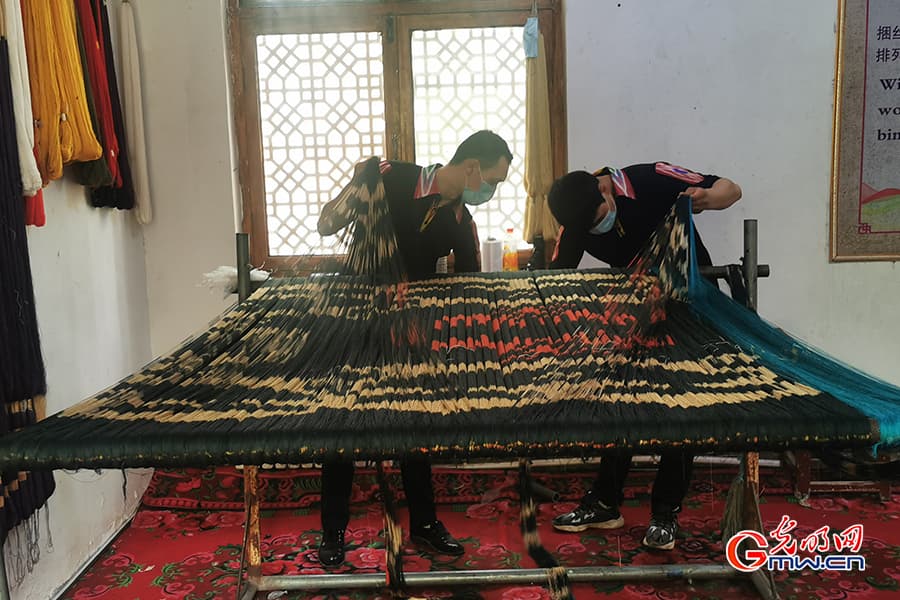
分条整经是艾德莱斯绸“先染后织”工艺独有的关键工序。匠人将分类完毕的经线线筒固定在整经支架上,牵引全部经线端头平行舒展,按照成品丝绸预设幅宽统一调整所有丝线张力,保证每一根经线松紧程度均衡。随后参照纹样布局规划,把完整整片经丝划分成多条相互独立的经线束,逐条规整缠绕在整经木架之上,各条经束边界清晰互不干扰。分条划分的边界严格对应后续图案分割位置,为之后纹样标记、分区捆扎防染提供清晰分区基础,是实现晕染花纹成型不可或缺的步骤。
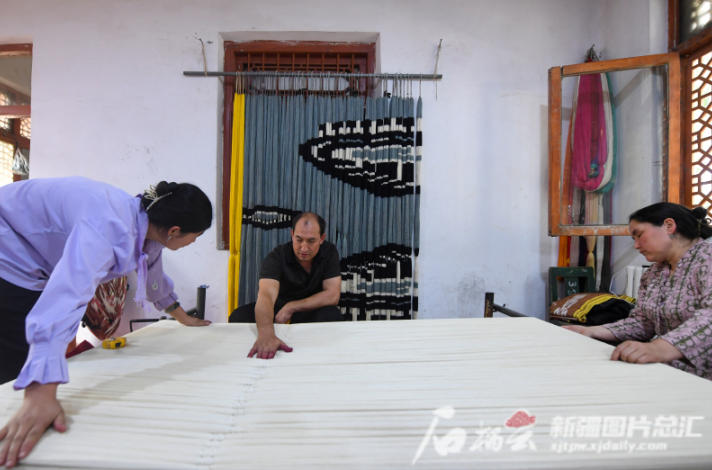
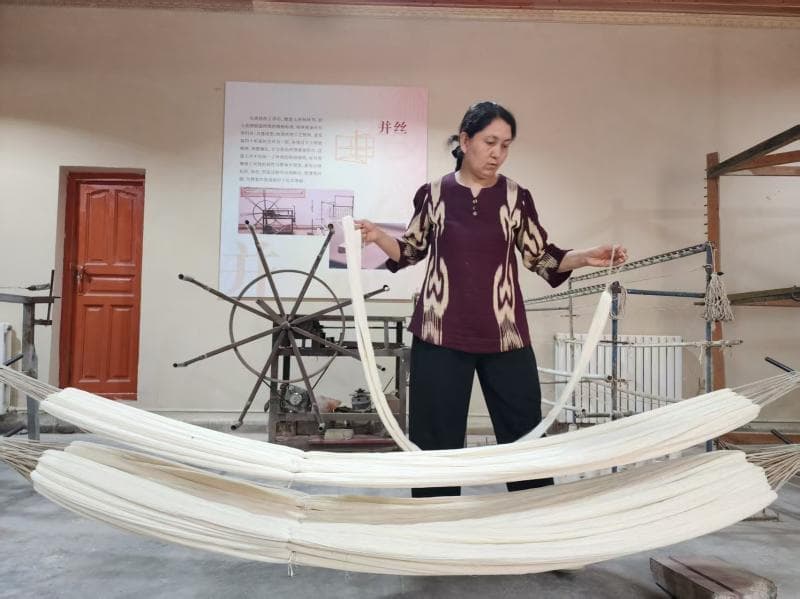
Sectional warping is a distinctive key procedure for the "dye-first, weave-later" craft of Atlas Silk. Artisans fix sorted warp bobbins on the warping frame, pull all warp ends to stretch in parallel, and adjust the tension of every yarn uniformly according to the preset width of finished silk. Afterwards, the complete warp sheet is divided into multiple independent warp bundles based on decorative layout planning, each neatly wound onto the wooden warping frame with clear boundaries. The dividing lines strictly correspond to pattern segmentation positions for later pattern marking and sectional resist binding, laying a clear zoning foundation and serving as an indispensable step for forming gradient dyed patterns.
纹样标记 Pattern Marking
纹样标记是图案精准定位工序。匠人依托代代传承的维吾尔族传统纹样,包括巴旦木花、石榴纹、羊角纹等经典装饰元素,使用炭笔在分条完成的经线束表面进行点位勾勒,清晰划分两类区域:后续需要捆扎遮蔽、保留原色不上染的留白区域,以及裸露接受染料浸染的着色区域。标记点位的精准程度直接决定最终绸面纹样的轮廓形态、比例大小。标记全部完成之后,匠人即可依照划分区域开展分区捆扎作业,划定完整的染色范围。
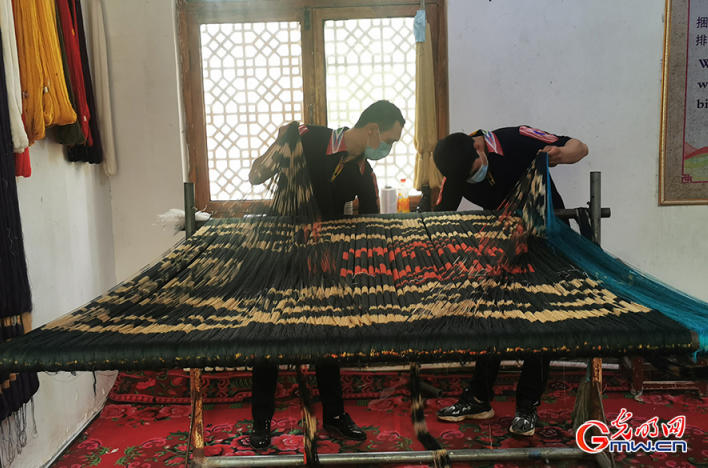
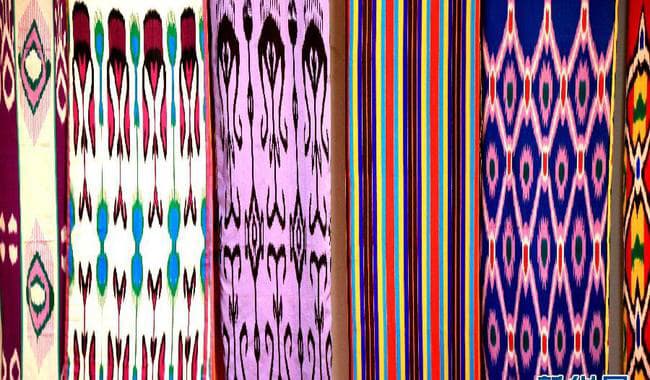
Pattern marking is the procedure for precise pattern positioning. Based on inherited traditional Uyghur motifs including classic decorative elements such as almond blossom, pomegranate pattern and goat horn pattern, artisans use charcoal sticks to draw marks on sectional warp bundles, clearly distinguishing two types of zones: blank areas to be wrapped and kept undyed, and exposed areas to absorb dyestuff. The precision of marked points directly determines the outline shape and proportion of patterns on final silk fabric. Once marking is finished, craftsmen carry out sectional binding according to divided zones to define the complete dyeing range.
分区捆扎防染 Zoning Binding for Anti-dyeing
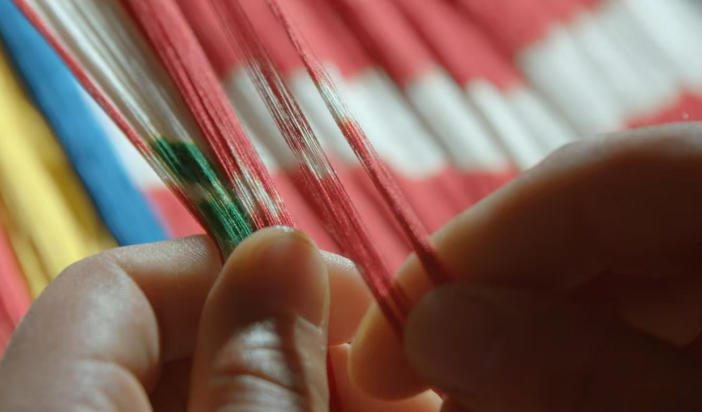
分区捆扎防染是艾德莱斯绸扎经染色最标志性核心工序,也是区别于其他丝绸工艺的关键。匠人选用天然玉米皮、棉细绳作为捆扎材料,紧紧包裹、缠绕标记好的留白经线区段,依靠物理隔离阻挡染液渗透进入捆扎内部。捆扎紧实程度直接影响纹样边缘效果,包裹越严密,留白边界越干净整齐;未进行捆扎保护的经线完全裸露,能够正常吸附植物染料。按照纹样区块分段依次捆扎加固,通过这种阻隔方式,浸染后形成虚实交错、过渡柔和的独特晕染纹样,造就艾德莱斯绸独一无二的朦胧肌理美感。
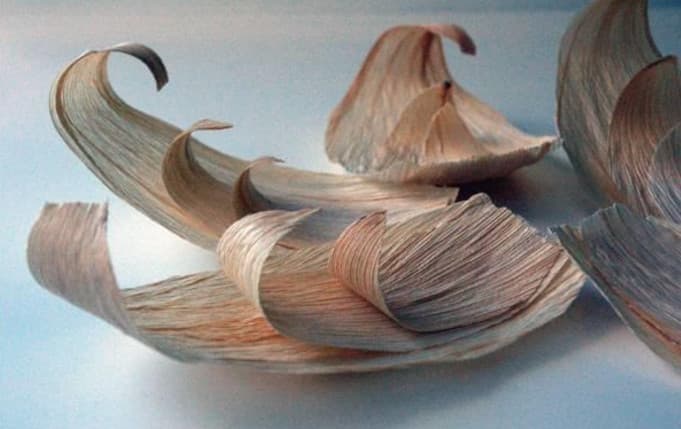
Zoning binding for anti-dyeing is the landmark core warp tie-dyeing procedure of Atlas Silk and the key difference from other silk crafts. Artisans adopt natural corn husks and cotton strings as binding materials to tightly wrap marked blank warp sections and physically block penetration of dye liquid. The tightness of binding directly affects pattern edges; tighter wrapping delivers neater blank boundaries. Unprotected warps stay exposed to absorb plant dyestuffs normally. Zones are bound and reinforced segment by segment. Thanks to such isolation method, interlaced soft gradient patterns are formed after dipping, creating the exclusive hazy texture and aesthetic feature of Atlas Silk.
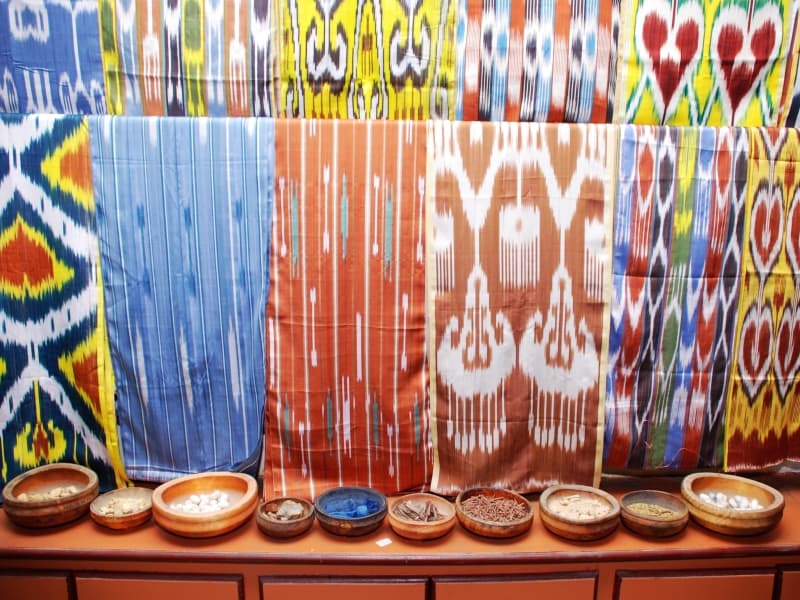
天然染料熬制 Natural Dye Decoction
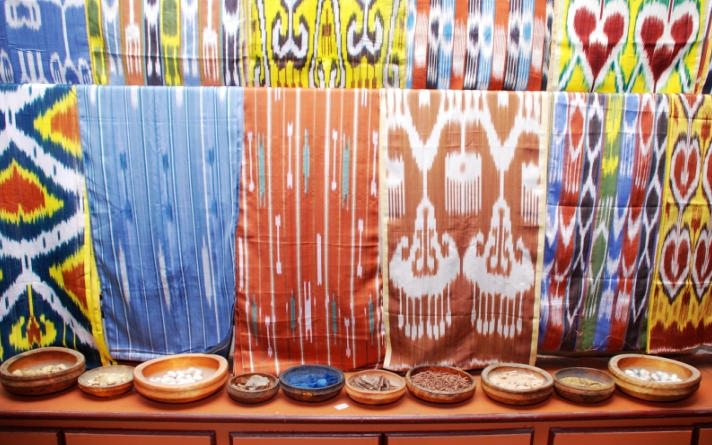
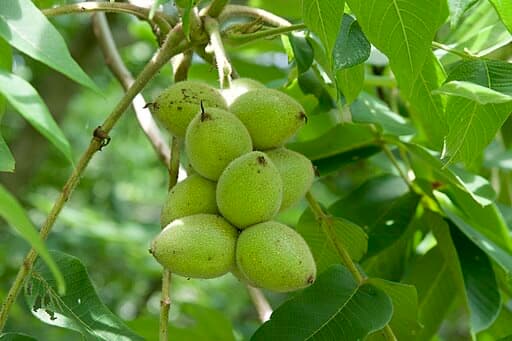
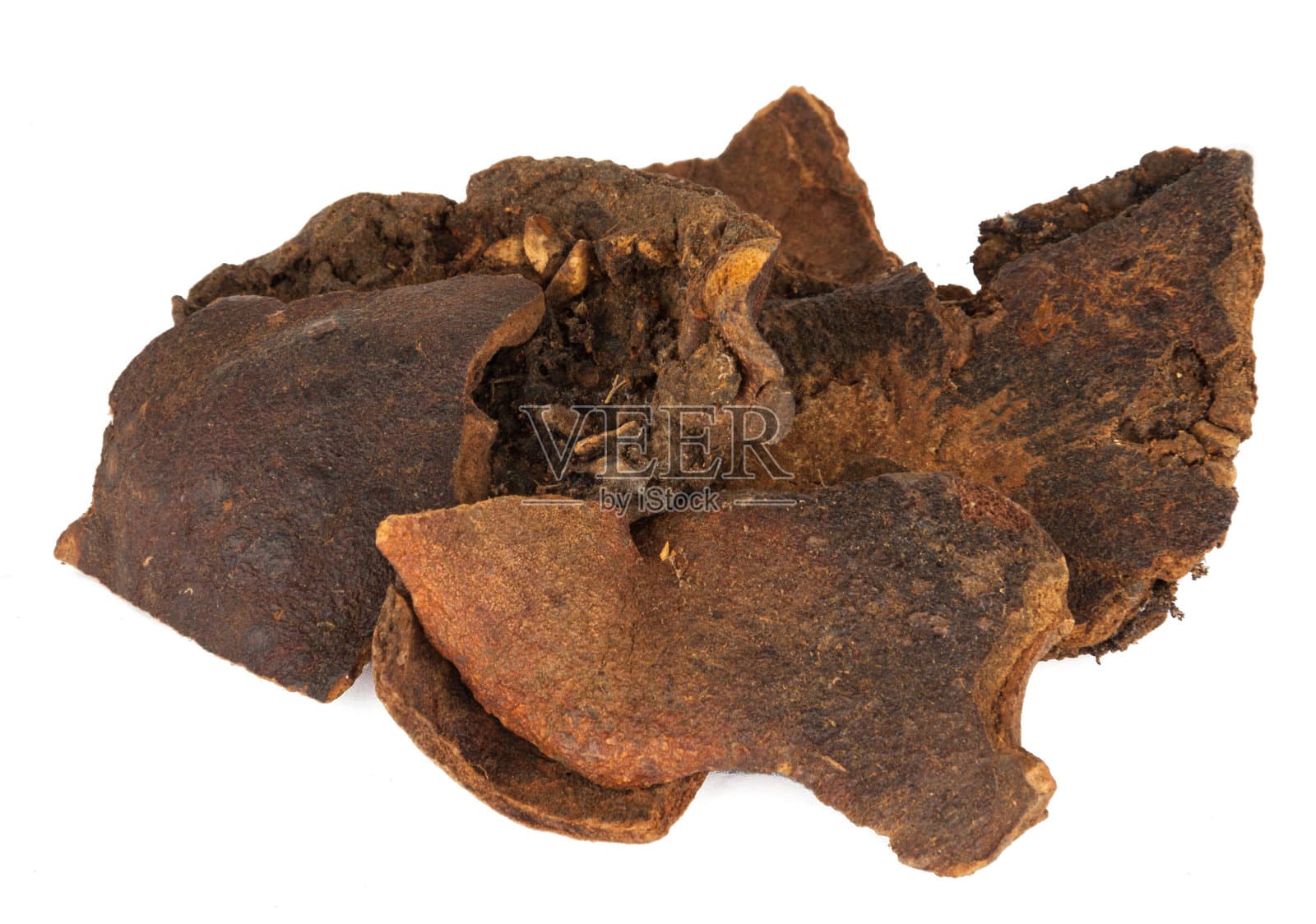
天然染料熬制负责古法染色原液的萃取调配,全程不使用工业化学色素。匠人就地采集南疆本土天然植物原料,包含石榴皮、核桃外皮、靛蓝草、茜草、槐花等,按照色系分类放入大锅加水长时间熬煮,充分萃取出植物内部天然色素,随后滤除植物残渣,获得纯净单色染液。不同原料对应不同基础色彩:石榴皮萃取红色系,核桃外皮得到棕褐色,靛蓝草产出蓝色,槐花调制暖黄色。染液浓度依靠匠人长期实操经验把控,稳定的原液浓度保障丝线能够上色均匀柔和。
Natural dye decoction extracts and prepares ancient coloring stock solution without industrial chemical pigments. Artisans collect local natural plant materials from southern Xinjiang including pomegranate peels, walnut husks, indigo, madder and sophora blossoms. Raw materials are boiled separately in large pots by color groups to fully extract natural plant pigments, and plant residues are filtered to obtain pure monochromatic dye liquor. Different materials produce distinct basic hues: pomegranate peels for red tones, walnut husks for brown, indigo for blue and sophora blossoms for warm yellow. The concentration of dye liquor is controlled based on long-term practical experience of craftsmen, and stable concentration ensures even and soft coloring on silk yarns.
分层浸染上色 Layered Dip Dyeing
分层浸染上色遵循古法“先浅后深”套色逻辑,是丝线色彩成型的核心工序。匠人将完成捆扎的整束经线按照色彩方案先后浸入不同染液,由浅色系逐步向深色系分层浸泡,使裸露在外的经线充分吸附天然染料。单次浸染完成后根据纹样需求调整捆扎范围,解锁新的上色区域多次套染;染液会沿着捆扎缝隙微量渗透扩散,形成自然渐变过渡效果。多次分层浸染叠加之后,丝线形成层次丰富、柔和交融的色彩效果,每一组丝线的色彩变化都具备手工独有的不可复制性。
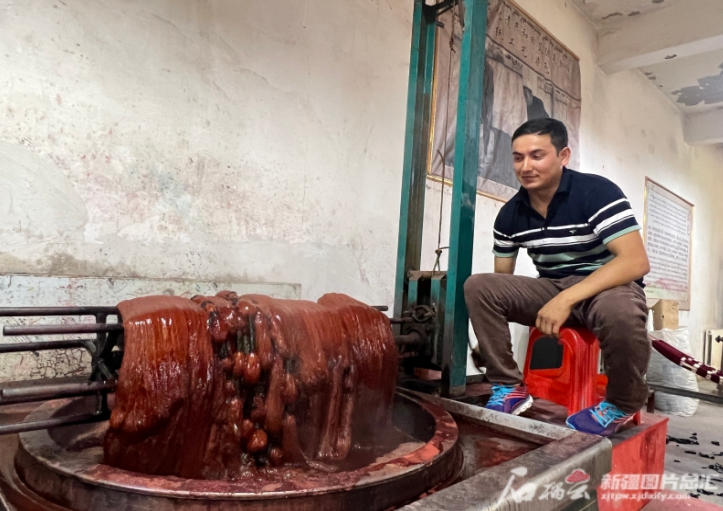
Layered dip dyeing follows the ancient color overlay rule of "light shades first, dark shades later" and acts as the core procedure for color formation of silk yarns. Artisans immerse fully bound warp bundles into different dye liquors successively according to color schemes, soaking layers from light tones to dark tones so exposed warps fully absorb natural dyestuff. After each dipping, binding ranges are adjusted to expose new areas for repeated overlay dyeing based on pattern demands. Dye liquid slightly seeps along binding gaps to form natural gradient transition. After multiple rounds of layered dipping and color overlay, silk yarns gain rich, harmoniously blended color layers, and the color variation of every bundle carries unique unreproducible handmade features.
水洗阴干 Rinsing & Shade Drying
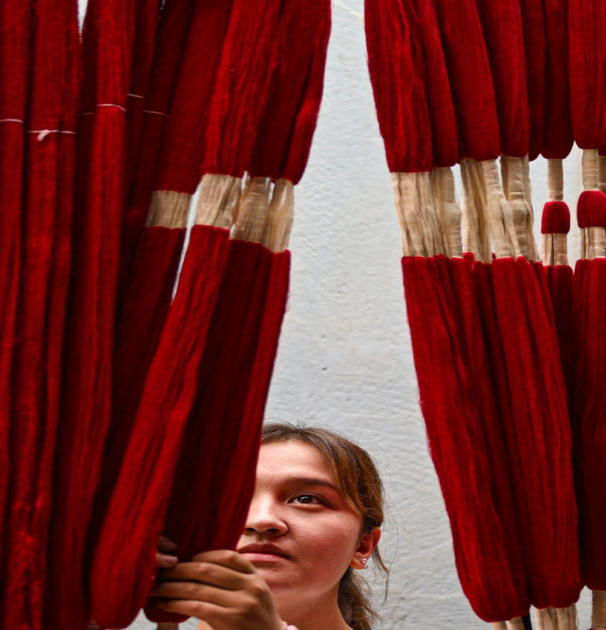
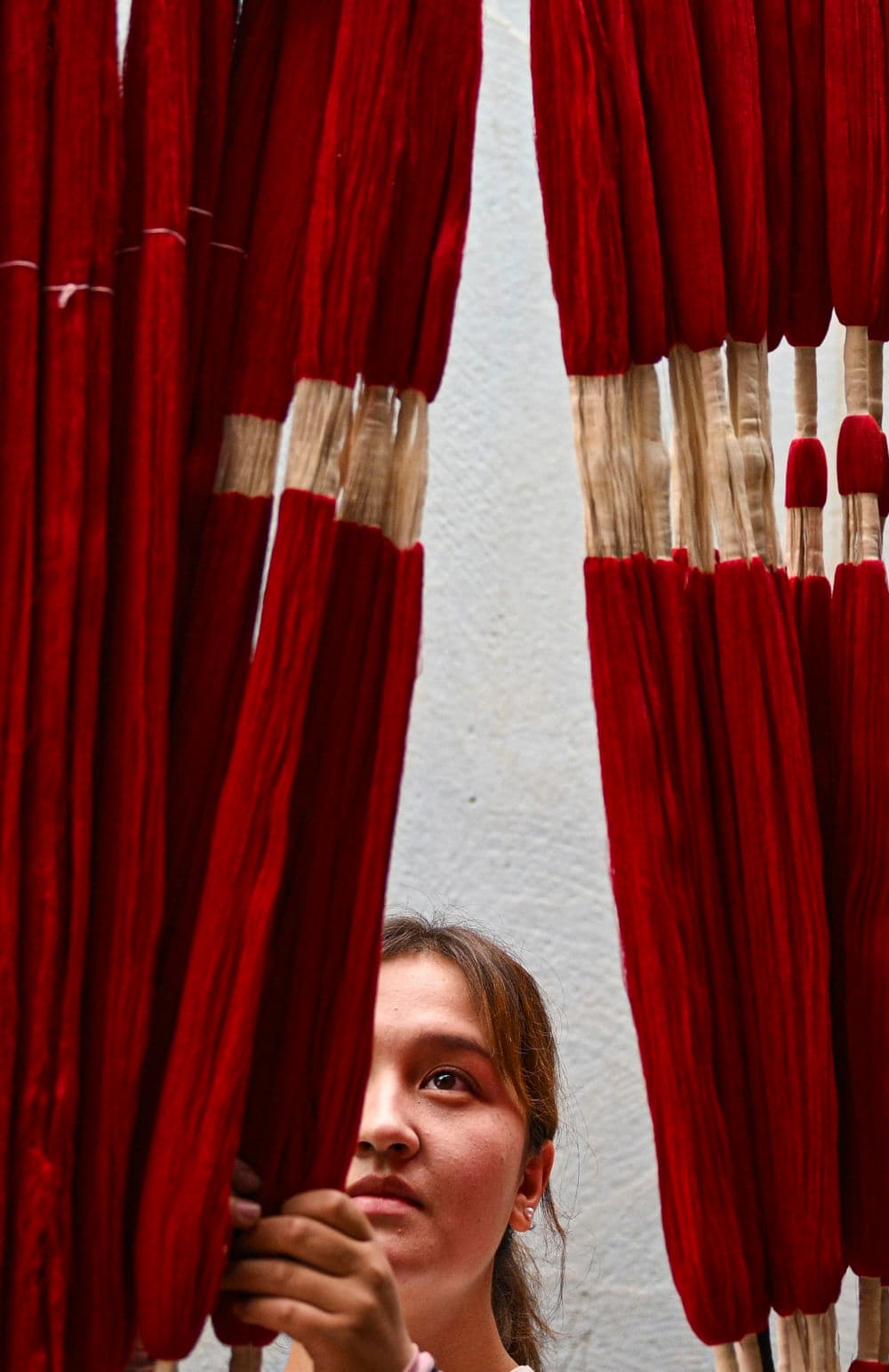
水洗阴干分为漂洗清洁与避光风干两个环节。浸染上色完毕的经线表层附着大量游离浮色染料,匠人使用常温清水轻柔漂洗丝线,冲掉未能和蚕丝纤维牢固结合的多余色素,避免成品丝绸后期穿着出现蹭色掉色现象;漂洗操作力度轻柔,严防外力拉扯导致捆扎包裹松脱,破坏已经定型的纹样分区。漂洗干净后的经线悬挂放置在阴凉通风空间自然阴干,规避阳光直射,防止天然植物色素受紫外线照射快速褪色、色调暗沉,等待丝线完全干燥稳固之后进入下一工序。
Rinsing and shade drying includes two links: cleaning and lightproof air-drying. Dyed warps carry abundant loose surface pigment. Artisans rinse yarns gently with room-temperature clean water to wash away surplus pigment not firmly combined with silk fibers, preventing color transfer and fading of finished silk during daily wear. Soft operations prevent binding wrappings from loosening due to pulling force and destroying shaped pattern zones. Cleaned warps are hung in cool and ventilated spaces for natural shade drying without direct sunlight, avoiding rapid fading and dullness of natural plant pigments caused by ultraviolet radiation. The warps proceed to the next procedure after thorough drying and color stabilization.
解捆理线 Unbinding & Thread Arranging
解捆理线即拆除全部防染捆扎材料并梳理紊乱经线。匠人小心拆解每一处包裹的玉米皮与棉绳,操作放缓速度,避免拆线过程勾挂、扯断已经染色的丝线;全部捆扎物拆除完毕后,借助手工梳丝工具顺着经线延伸方向逐条梳理,理顺缠绕、歪斜、错位的丝线,使整束经线重新恢复相互平行、排布规整的状态。梳理同时排查丝线损伤情况,替换破损严重的丝线,保证整套经线完整顺畅,为对花校准创造良好条件。
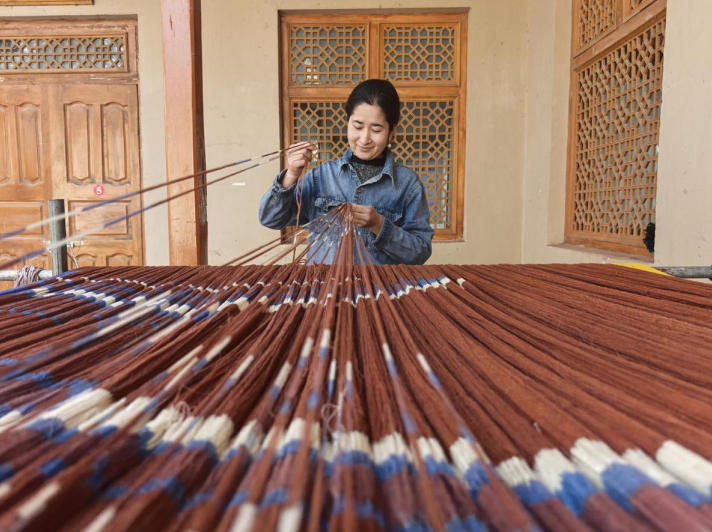
Unbinding and thread arranging means removing all resist binding materials and tidying disordered warps. Artisans carefully disassemble wrapped corn husks and cotton strings slowly to prevent snagging and breaking dyed yarns during operation. After all binding materials are removed, craftsmen comb tangled, slanted and misplaced yarns along the extending direction of warps with manual silk combs, restoring the whole warp bundle into neat parallel arrangement. Damage inspection is carried out during combing, and severely broken yarns are replaced to guarantee
对花校准 Pattern Alignment
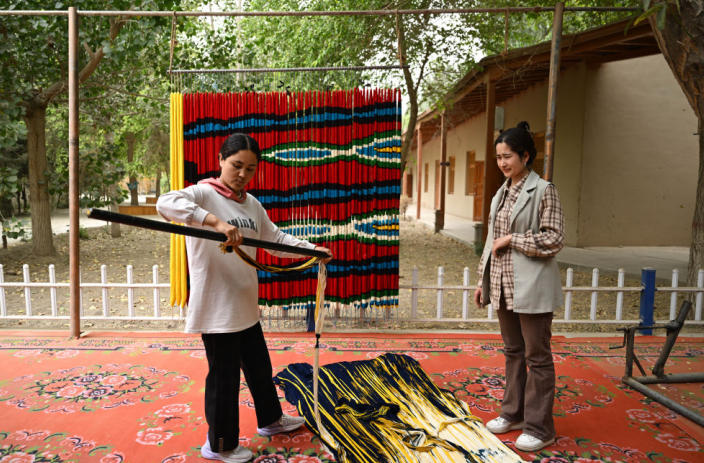
对花校准是保障织造后图案完整连贯的关键调整工序。经过分条扎染的各组经线束各自承载独立图案单元,如果位置发生偏移,织造完成后绸面花纹会出现断层、错位。匠人依靠肉眼观察,耐心微调每一条经线束的左右间距、前后位置,将分散独立的图案单元精准拼接对齐,实现整条经线上纹样无缝衔接。校准精度依靠匠人长期积累的实操经验,对花越精准,后续木机织造产出的艾德莱斯绸花纹越流畅完整,不会出现图案割裂缺陷。
Pattern alignment is the critical adjustment procedure ensuring continuous intact patterns after weaving. Each sectional tie-dyed warp bundle bears independent pattern units; position deviation will lead to fractured and misplaced patterns on finished fabric. Artisans patiently adjust the horizontal spacing and longitudinal position of every warp bundle via visual observation, precisely splicing separated pattern units to achieve seamless connection of motifs along the whole warp. Alignment precision relies on long-term practical experience. Higher alignment accuracy delivers smoother and complete patterns on Atlas Silk woven on wooden looms without fractured defects.
穿综引筘 Heddle & Reed Threading
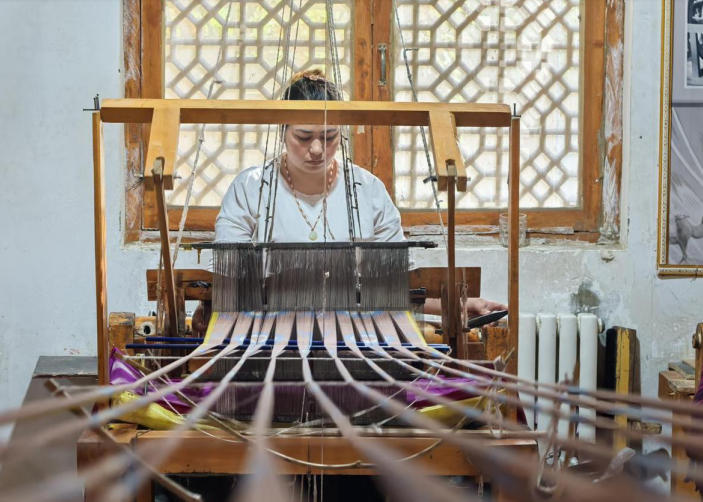
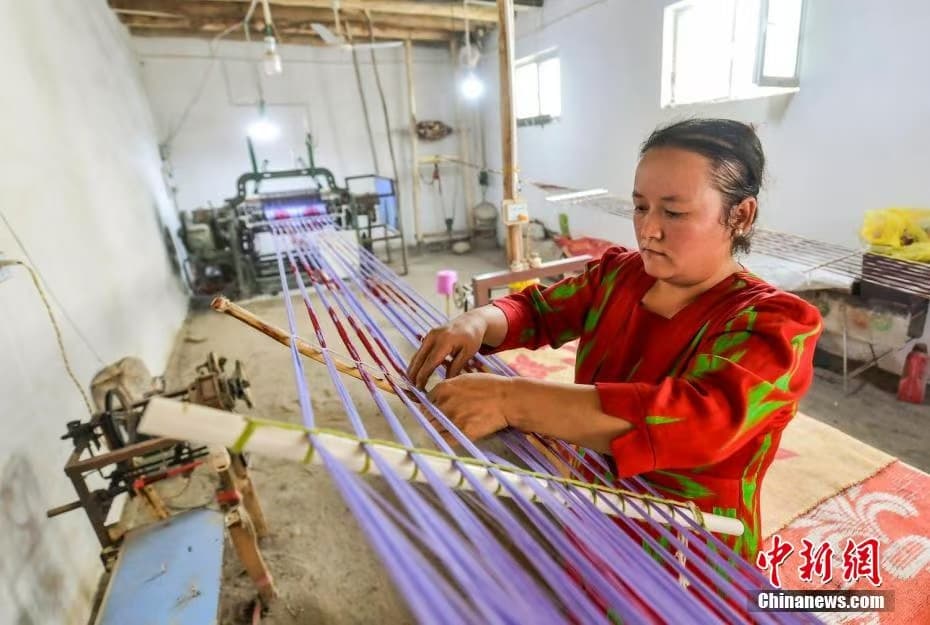
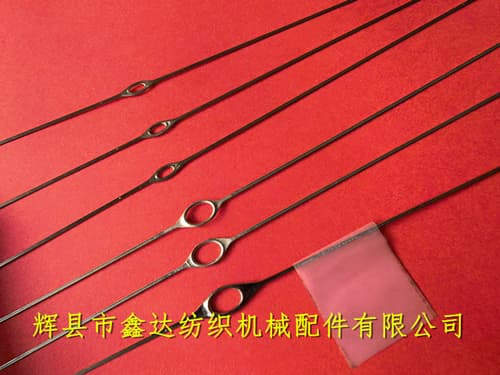
穿综引筘是染色经线正式上机织造前的装配工序。匠人将完成对花校准的成束经线,按照预设织造规律,一根一根依次穿过织机综丝与钢筘缝隙,随后把经线两端牢牢固定在织机前后经轴上,拉紧经线形成平整稳定的织造工作面。经线穿过综丝的先后顺序,直接决定织造时经线起落规律,控制缎纹组织结构;钢筘起到约束经线间距的作用,决定最终绸面的细密程度。全部丝线装配调试到位之后,织机具备手工织造条件。
Heddle and reed threading is the assembly procedure before dyed warps are mounted on looms for weaving. Artisans feed aligned warp bundles one by one through loom heddles and steel reed gaps following preset weaving rules, then fasten both ends of warps onto front and rear loom beams, stretching warps tightly to form a flat stable weaving surface. The threading sequence determines the lifting rule of warps during weaving and controls satin weave structure; the steel reed restricts warp spacing and defines the fineness of final silk fabric. Once all yarn assembly and adjustment are completed, the loom is ready for manual weaving.
木机手工织造 Hand Weaving on Wooden Looms
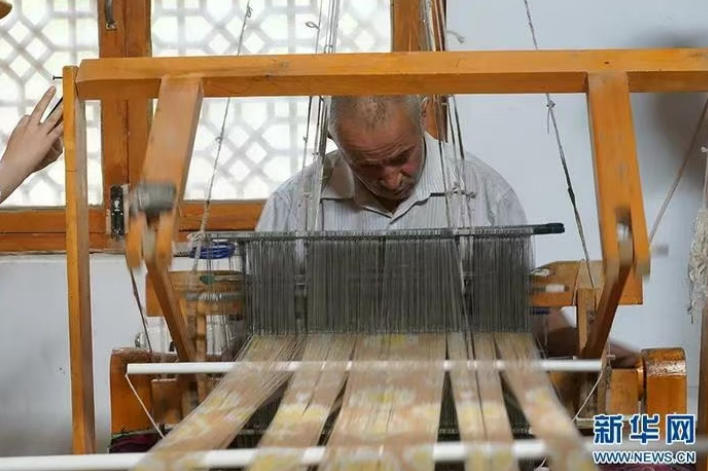
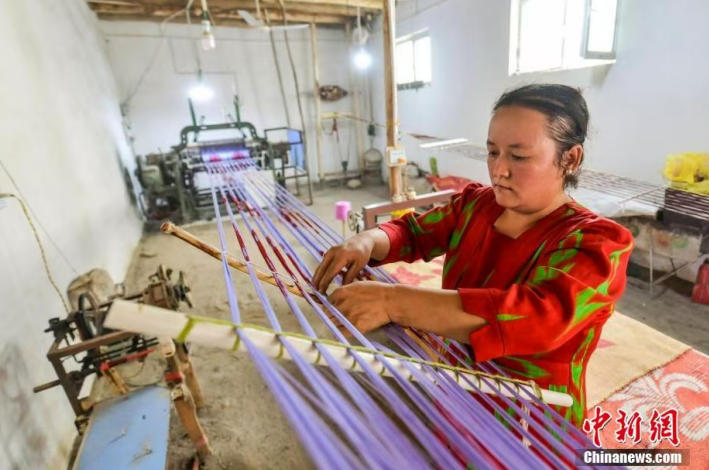
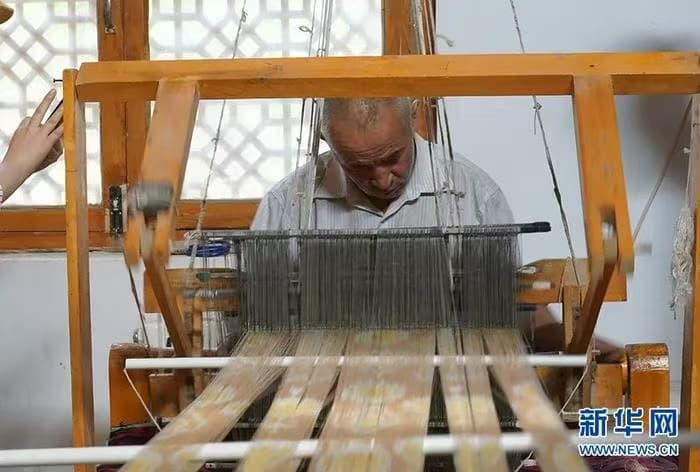
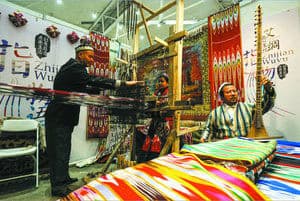
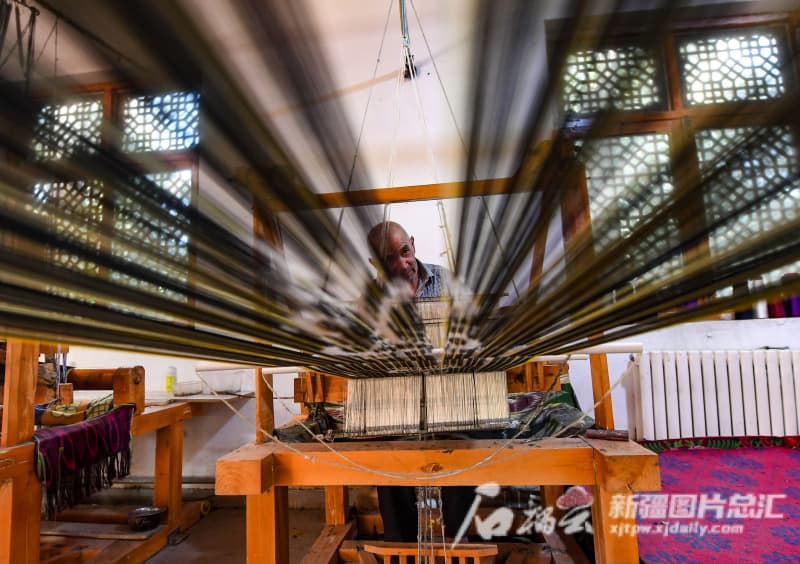
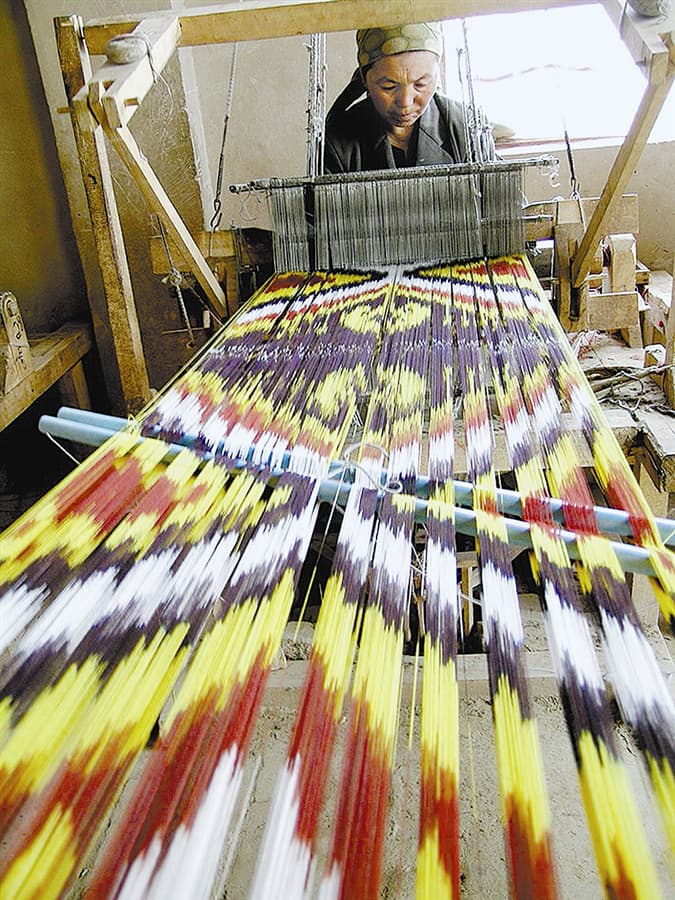
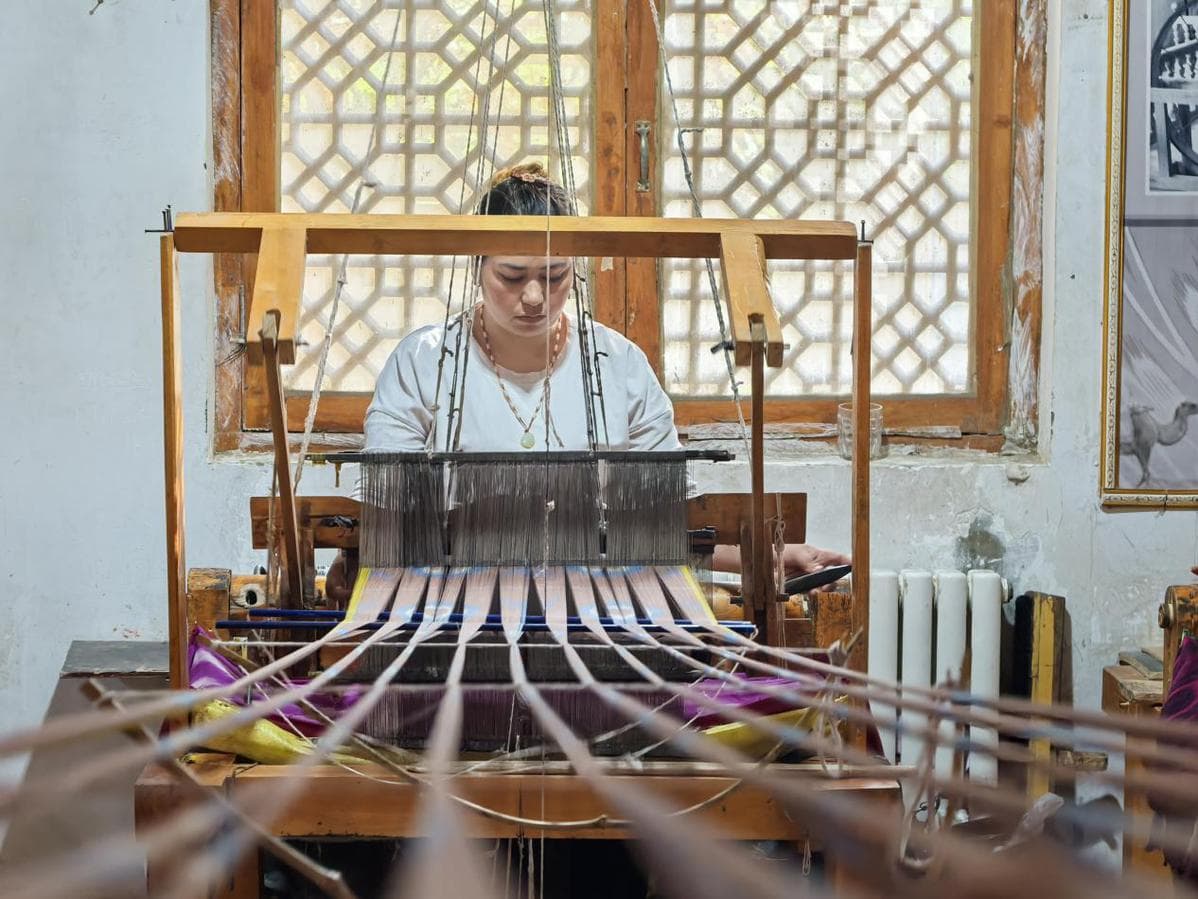
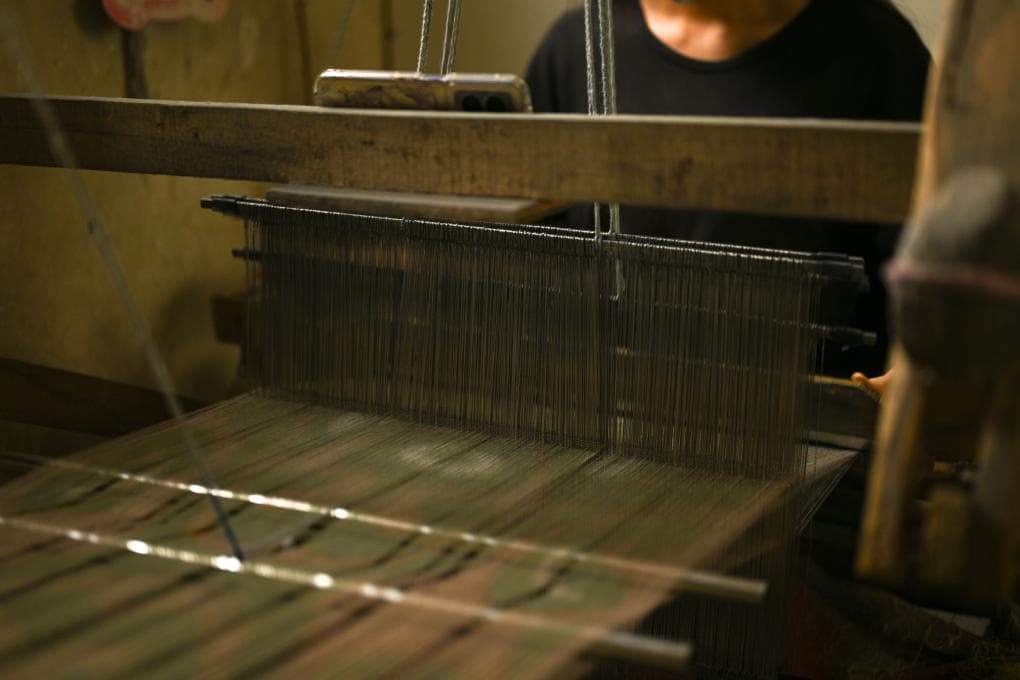
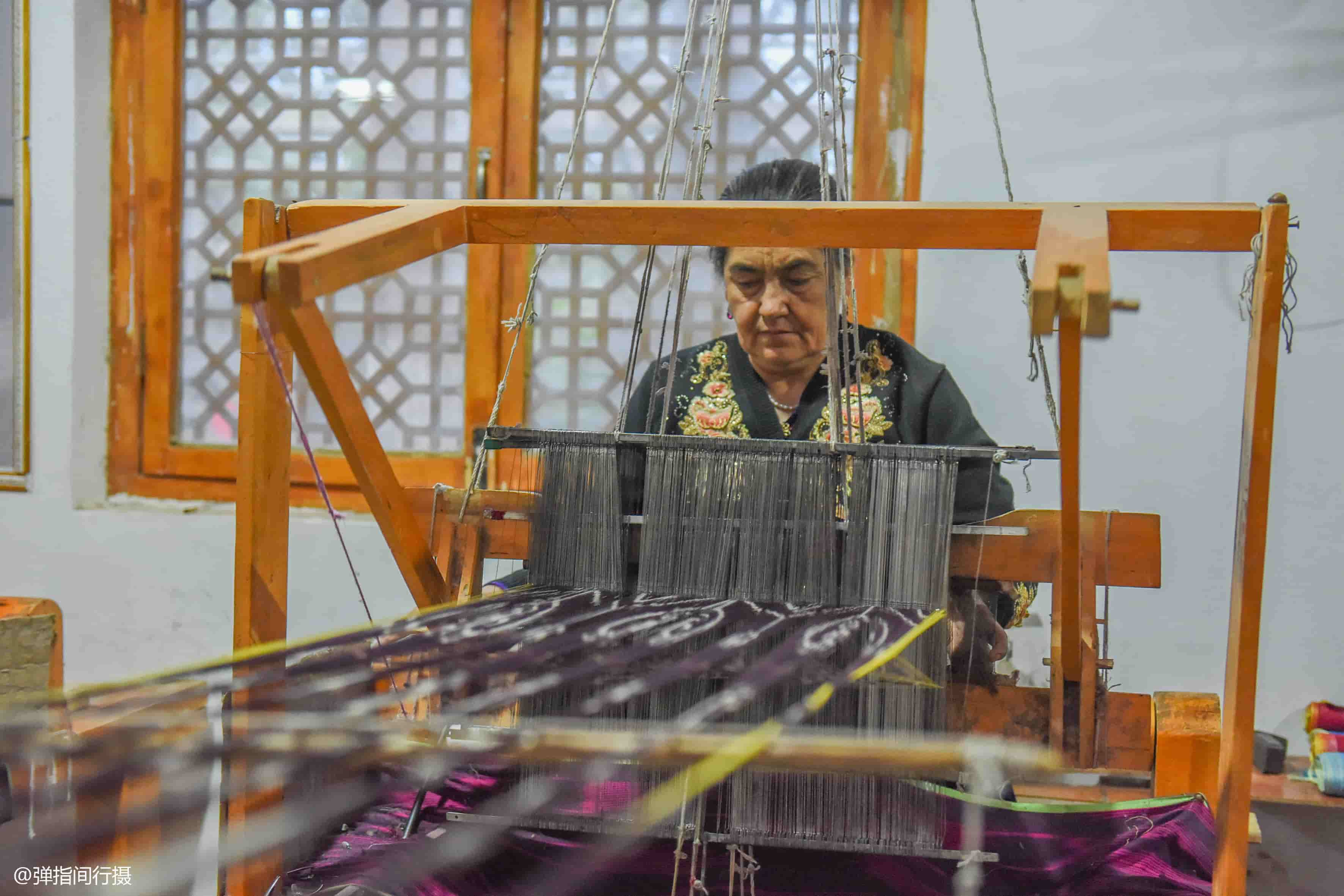
木机手工织造是坯绸成型的核心工序。匠人坐于传统木质踏板织机之前,双脚踩踏踏板驱动综框交替升降、分层开合经线,单手操控木梭牵引纬线在经线缝隙之间往复横向穿行,以传统缎纹组织实现经纬交织,逐步织造出完整艾德莱斯绸坯布。缎纹织法能够让带有色彩纹样的经线浮于绸面表层,充分凸显丝线天然光泽,触感软糯顺滑。手工织造速度缓慢,产量有限,手工操作形成细微自然纹理差异,使得每一匹手工艾德莱斯绸都具备独一无二的艺术特征,无法被工业机器复刻。
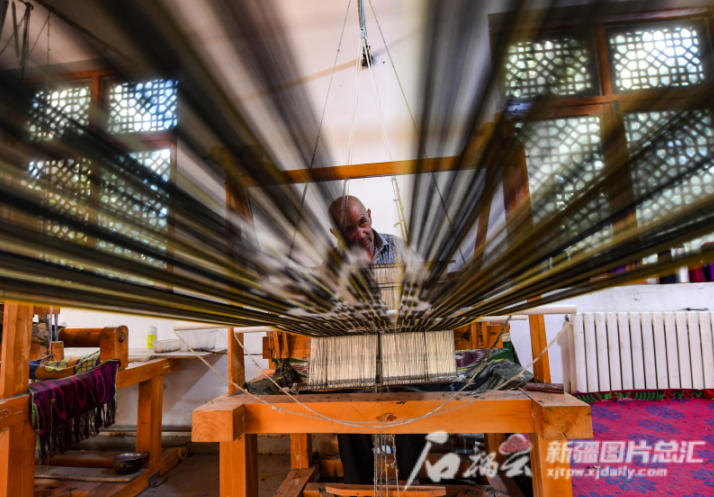
Hand weaving on wooden looms is the core procedure for forming grey silk fabric. Sitting in front of traditional pedal wooden looms, artisans step on pedals to drive heddle frames for alternate lifting and layered opening of warps. They manipulate wooden shuttles to guide weft yarns moving horizontally back and forth between warps. Warps and wefts interlace via traditional satin weave structure to gradually form complete Atlas Silk grey fabric. The satin weave makes patterned dyed warps float on fabric surface to fully display natural silk luster with soft and smooth tactility. Manual weaving features low speed and limited output. Tiny natural texture differences formed by handwork endow every bolt of handmade Atlas Silk with exclusive artistic characteristic
褪浆熨平质检 Desizing, Ironing & Quality Inspection
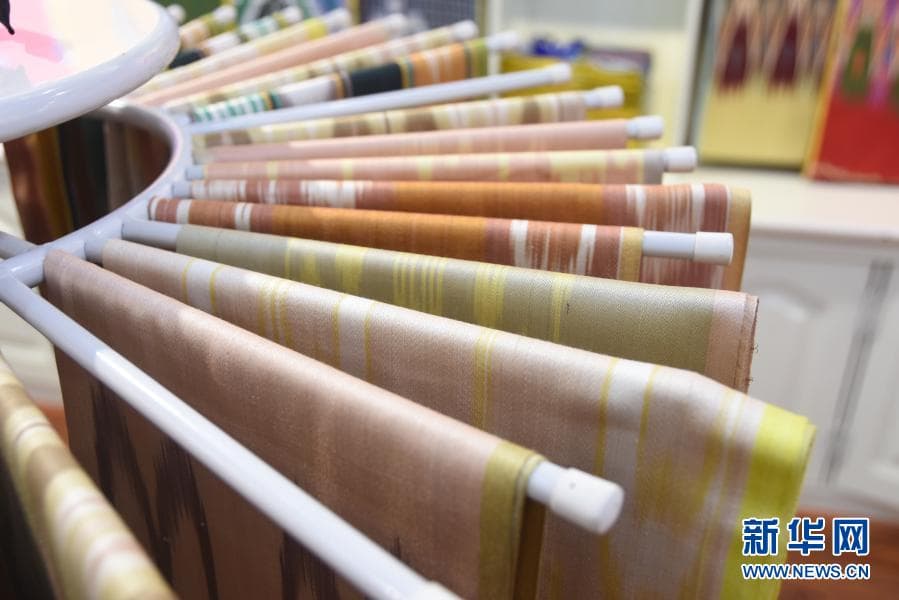
褪浆熨平质检是整套艾德莱斯绸古法工艺的最后收尾整合工序。刚从织机卸下的坯绸带有织造过程附着的浆料,质地偏硬,首先通过温水浸泡褪浆,洗除浆料涂层,还原蚕丝本身柔软温润的原生质感;随后使用低温蒸汽熨烫,消除织造阶段产生的各类褶皱,使绸面平整舒展。完成熨烫后匠人逐条开展全面人工质检,仔细排查断丝、跳线、染色瑕疵、纹路歪斜等各类缺陷,轻微瑕疵手工修补,残次面料单独分拣处理。检验合格的成品艾德莱斯绸整理折叠、分类收纳,整套非遗手工工序至此全部完成。
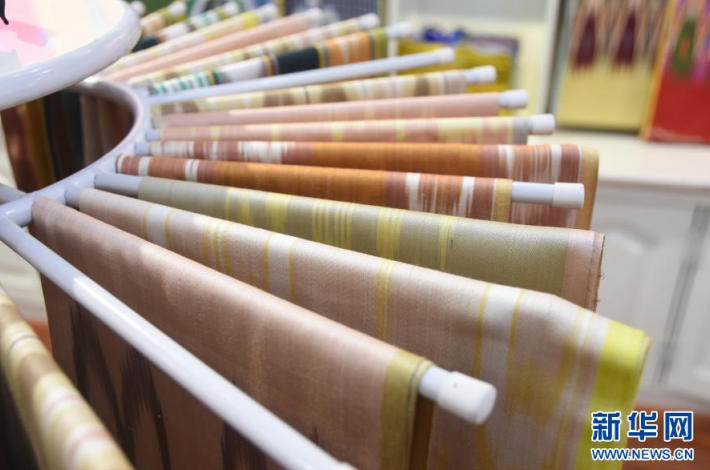
Desizing, ironing and quality inspection serves as the final finishing procedure of all ancient Atlas Silk craft. Grey silk freshly taken off looms carries sizing agent formed during weaving, resulting in stiff texture. Fabrics are first soaked in warm water for desizing to remove sizing coating and restore silk’s inherent soft and mild tactility. Low-temperature steam ironing is then conducted to eliminate all wrinkles generated during weaving and flatten the silk surface. After ironing, artisans carry out comprehensive manual inspection to check defects including broken threads, skipped yarns, dye flaws and distorted texture. Minor defects are repaired manually while defective fabric is sorted separately. Qualified finished Atlas Silk is folded and categorized for storage, marking the completion of the whole set of intangible cultural heritage handmade procedures.
文化内涵与特色Cultural Connotations and Features
维吾尔族艾德莱斯绸织染技艺作为国家级非物质文化遗产(编号:Ⅷ-109),是新疆南疆地区千年丝路文明与绿洲民俗文化凝练而成的经典手工技艺,承载着维吾尔族独特的民族精神、审美理念与生活智慧,兼具深厚的文化符号价值、鲜明的艺术审美特色、浓郁的地域属性与鲜活的民俗生活特质,是新疆少数民族非遗文化的核心代表之一。
As a national intangible cultural heritage (No. Ⅷ-109), the weaving and dyeing technique of Uyghur Adelis Silk is a classic handmade craft condensed from the thousand-year-old Silk Road civilization and oasis folk culture in southern Xinjiang. It carries the unique national spirit, aesthetic concept and life wisdom of the Uyghur people, and possesses profound cultural symbolic value, distinctive artistic aesthetic characteristics, strong regional attributes and vivid folk life traits, serving as one of the core representatives of intangible cultural heritage of ethnic minorities in Xinjiang.
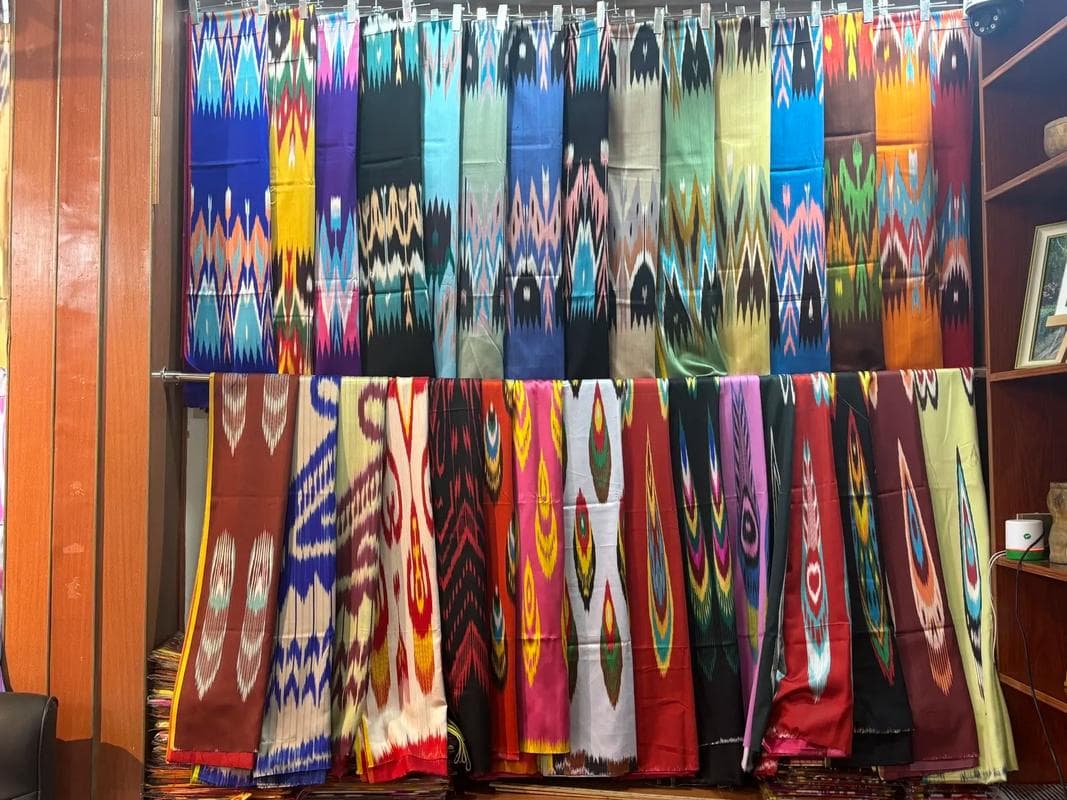
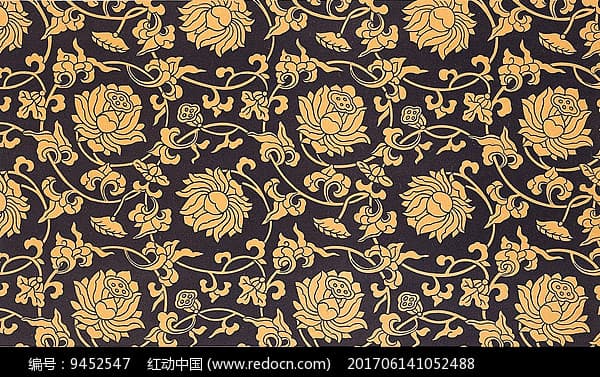
从文化符号意义来看,艾德莱斯绸并非单纯的服饰面料,而是维吾尔族民族文化与精神内涵的具象载体。其流传千年的各类纹样均取材于南疆自然风物与民众日常生活,被赋予了丰富且美好的人文寓意。其中巴旦木纹象征戈壁绿洲植物顽强生长的坚韧生命力,石榴纹寓意民族团结、繁荣昌盛,葡萄纹代表丰收富足,灵动的几何纹路与热瓦普琴纹寄托着民众对自由喜乐生活的向往。这些独特的纹饰体系代代传承,沉淀了维吾尔族人民质朴向善、热爱自然、乐观豁达的民族品格,成为标识维吾尔族文化、传递民族精神的重要文化符号。
From the perspective of cultural symbolic significance, Adelis Silk is not a simple clothing fabric, but a concrete carrier of Uyghur national culture and spiritual connotation. All kinds of patterns that have been passed down for thousands of years are derived from the natural scenery and people’s daily lives in southern Xinjiang, endowed with rich and positive humanistic meanings. The almond pattern symbolizes the tenacious vitality of oasis plants growing in the Gobi; the pomegranate pattern implies ethnic unity and prosperity; the grape pattern represents harvest and abundance; the flexible geometric patterns and Rawap musical patterns reflect people’s yearning for a free and happy life. These unique decorative systems have been passed down from generation to generation, embodying the simple, kind, nature-loving and optimistic national character of the Uyghur people, and becoming an important cultural symbol marking Uyghur culture and conveying national spirit.
在艺术特色层面,艾德莱斯绸凭借独特的扎经染色工艺,形成了区别于中原丝绸的专属艺术风格。技艺遵循“先染经线、后织造”的核心工序,无需刻板定稿图案,依靠手工扎染的自然晕染效果,形成色彩浓烈奔放、明暗对比强烈、纹路飘逸流动的视觉特征。整体图案排布疏密有致、韵律感十足,抽象灵动的纹样无重复、不呆板,兼具随机性与艺术性,打破了传统织物规整固化的审美范式,构建出奔放鲜活、雄浑大气的西域民族审美体系,拥有极高的艺术鉴赏与创作价值。
In terms of artistic characteristics, Adelis Silk has formed an exclusive artistic style different from central plains silk relying on the unique warp tie-dyeing technique. Following the core procedure of "dyeing warp threads first and then weaving", it creates a natural dyeing halo effect without rigid fixed patterns, forming visual features of strong and unrestrained colors, sharp contrast, and elegant and flowing lines. The overall patterns are well-arranged with strong rhythm. The abstract and flexible patterns are non-repetitive and vivid, breaking the rigid aesthetic paradigm of traditional fabrics, constructing a bold, fresh, grand western regional ethnic aesthetic system with high artistic appreciation and creative value.
从地域特色角度分析,艾德莱斯绸技艺深度根植于南疆绿洲文化体系,带有鲜明的地域烙印。该技艺主要兴盛于和田、洛浦、喀什等南疆绿洲城市,当地干旱少雨、光照充足的自然环境,适配蚕丝养殖与手工染织作业。同时,南疆作为古丝绸之路核心枢纽,长期的商贸互通与多民族文化交融,让艾德莱斯绸融合了中原丝织工艺、西域游牧审美与绿洲农耕文化的多重特质,是南疆独特自然生态与丝路交融文明共同孕育的文化产物,极具不可复制的地域唯一性。
In terms of regional characteristics, the Adelis Silk technique is deeply rooted in the oasis cultural system of southern Xinjiang with distinct regional marks. It mainly prospers in oasis cities such as Hotan, Lop and Kashgar in southern Xinjiang. The local arid and rainless natural environment with sufficient light is suitable for sericulture and manual dyeing and weaving. Meanwhile, as the core hub of the ancient Silk Road, the long-term commercial exchanges and multi-ethnic cultural integration in southern Xinjiang enable Adelis Silk to integrate multiple characteristics of central plains silk weaving technology, western nomadic aesthetics and oasis farming culture. It is a cultural product bred by the unique natural ecology and integrated Silk Road civilization of southern Xinjiang, with irreplicable regional uniqueness.
在民俗习俗关联方面,艾德莱斯绸早已深度融入维吾尔族民众的日常生活与民俗礼仪,成为民族文化生活的重要组成部分。长久以来,艾德莱斯绸凭借色彩艳丽、质感轻柔、版型适配民族服饰的特点,深受维吾尔族妇女的极致喜爱。无论是日常穿搭、节庆盛会,还是婚嫁、庆典、祭祀等重要民俗场景,艾德莱斯绸制作的服饰都是主流装扮。它不仅是大众审美选择,更是民族礼仪、民俗文化的外在体现,维系着维吾尔族的民族审美认同与文化传承,成为活态传承、扎根民间的非遗技艺。
In terms of folk customs, Adelis Silk has long been deeply integrated into the daily life and folk rituals of Uyghur people, becoming an important part of ethnic cultural life. For a long time, Adelis Silk has been extremely popular among Uyghur women due to its bright colors, soft texture and good adaptability to ethnic costumes. Costumes made of Adelis Silk are the mainstream dresses in daily wear, festivals, weddings, celebrations, sacrifices and other important folk scenes. It is not only a popular aesthetic choice, but also an external embodiment of ethnic etiquette and folk culture, maintaining the Uyghur people’s national aesthetic identity and cultural inheritance, and serving as a living and folk-rooted intangible cultural heritage technique.
传承与保护现状Inheritance and Protection Status
维吾尔族艾德莱斯绸织染技艺拥有长久的民间传承历史,传统传承模式以家族世袭传承为根基,辅以师徒口传心授。麦麦提敏·麦麦提、麦麦提艾力·如则麦麦提、阿孜古丽·多来提等代表性传承人世代深耕此项手艺,麦麦提艾力·如则麦麦提为艾德莱斯绸第八代家族传承人,在延续家传技艺基础上广收学徒,推动技艺向外传播。长期以来,完整的28道手工工序依靠长辈现场示范、经验口述完成传授,没有标准化书面教程,传承高度依赖匠人之间长期的朝夕研习。
The Uyghur Atlas Silk weaving and dyeing technique boasts a long history of folk inheritance. The traditional inheritance mode is based on family hereditary inheritance, supplemented by verbal teaching between masters and apprentices. Representative inheritors such as Maimaitimin Maimaiti, Maimaiti Eli Ruzemaimaiti and Aziguli Duolaiti have devoted themselves to this craft for generations. As the 8th-generation family inheritor of Atlas Silk, Maimaiti Eli Ruzemaimaiti continues the family craft and takes numerous apprentices to promote the spread of the skill. For a long time, the complete 28 manual procedures have been taught through on-site demonstration and oral experience by seniors, without standardized written materials. The inheritance heavily relies on long-term study between craftsmen.
近年来,各级政府持续出台多项扶持政策推进非遗保护工作。和田洛浦、吉亚乡等核心产区打造多处非遗工坊、传承工作室,为传承人提供场地、资金扶持;同时结合文旅融合发展思路,开设技艺体验研学项目,通过景区展示、民俗体验活动扩大技艺曝光。当地文旅部门常态化开展传承人培训班,同时推动纹样数字化建档,搭建艾德莱斯绸纹样资源库,以数字化手段抢救、保存濒临散失的传统图案资料,形成“政策扶持+工坊实践+文旅宣传”多层次保护体系。
In recent years, governments at all levels have issued a series of supportive policies for intangible cultural heritage protection. Core producing areas such as Lop County and Jiya Township in Hotan have built many intangible cultural heritage workshops and inheritance studios, providing venues and financial support for inheritors. Meanwhile, relying on the integrated development of culture and tourism, craft experience and research projects have been launched to raise public awareness through scenic spot exhibitions and folk experience activities. Local cultural and tourism authorities regularly organize training courses for inheritors. In addition, digital archiving of patterns is promoted to build a resource library of Atlas Silk patterns, rescuing and preserving traditional patterns at risk of loss via digital technology. A multi-level protection system featuring policy support, workshop practice and cultural tourism publicity has gradually taken shape.
尽管保护工作持续推进,技艺传承依旧面临多重现实挑战。首先存在传承人老龄化、青年人才断层问题,熟练掌握全套古法手工工艺的匠人大多年事已高;整套工序耗时冗长、劳作辛苦,手工织造收益有限,大量年轻人不愿潜心学习,年轻从业者数量稀少。其次遭遇市场化冲击,机械化仿制品生产成本低廉,大量低价工业化印花面料涌入市场,挤压手工艾德莱斯绸生存空间。除此之外,传统纹样创新力度不足,产品形式较为单一,难以充分适配当代大众审美,限制了技艺产业化可持续发展。
Despite continuous protection efforts, the inheritance of the craft still faces multiple practical challenges. First of all, there exists the problem of aging inheritors and a shortage of young talents. Most craftsmen proficient in the full set of ancient manual techniques are elderly. The whole set of procedures is time-consuming and labor-intensive, while the income from manual weaving is limited. Therefore, few young people are willing to devote themselves to learning, resulting in a small number of young practitioners. Secondly, the craft suffers from market impact. Mechanized imitation products have low production costs, and a large number of low-cost industrial printed fabrics flood the market, squeezing the living space of handmade Atlas Silk. Moreover, the innovation of traditional patterns is insufficient, and product forms are relatively monotonous, which cannot fully adapt to contemporary public aesthetics and restricts the sustainable industrial development of the craft.
图片展示Photo Gallery
工艺流程图片Craft Process Photos
艾德莱斯绸_01
Atlas Silk_01
艾德莱斯绸_02
Atlas Silk_02
艾德莱斯绸_03
Atlas Silk_03
艾德莱斯绸_04
Atlas Silk_04
艾德莱斯绸_05
Atlas Silk_05
艾德莱斯绸_06
Atlas Silk_06
艾德莱斯绸_07
Atlas Silk_07
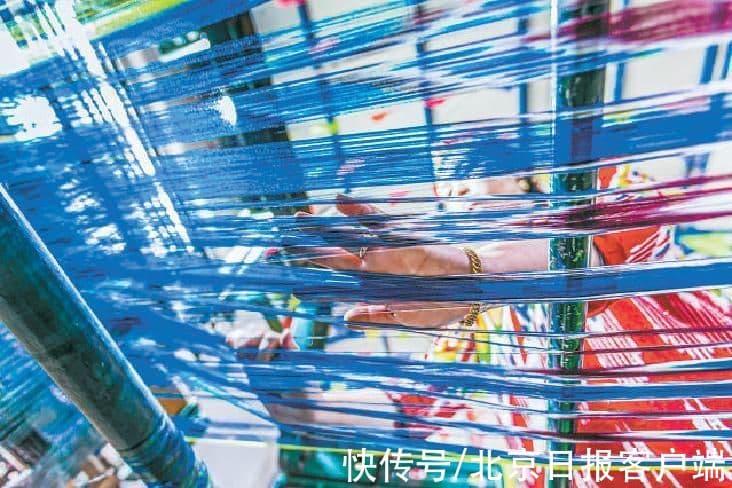
艾德莱斯绸_08
Atlas Silk_08
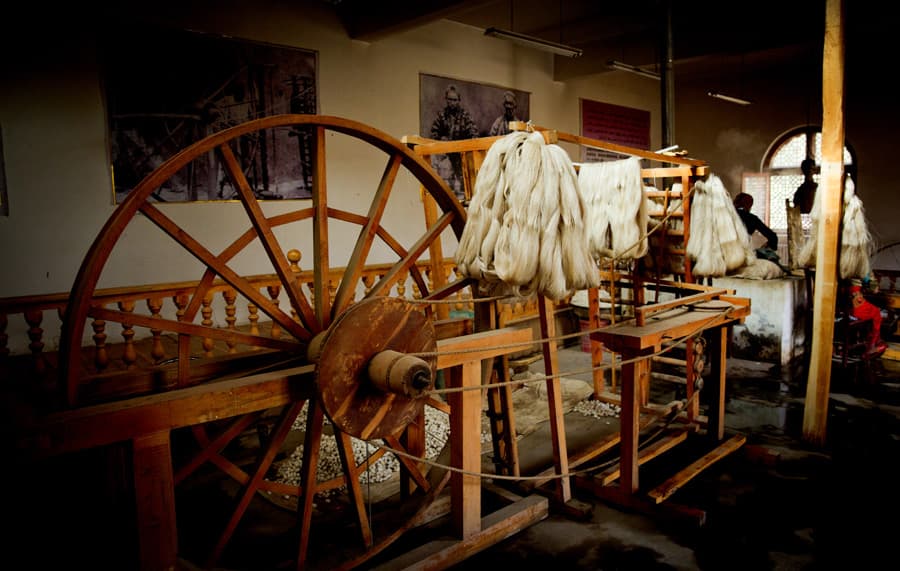
艾德莱斯绸_卷丝分筒_09
Atlas Silk_Silk Reeling Spooling_09
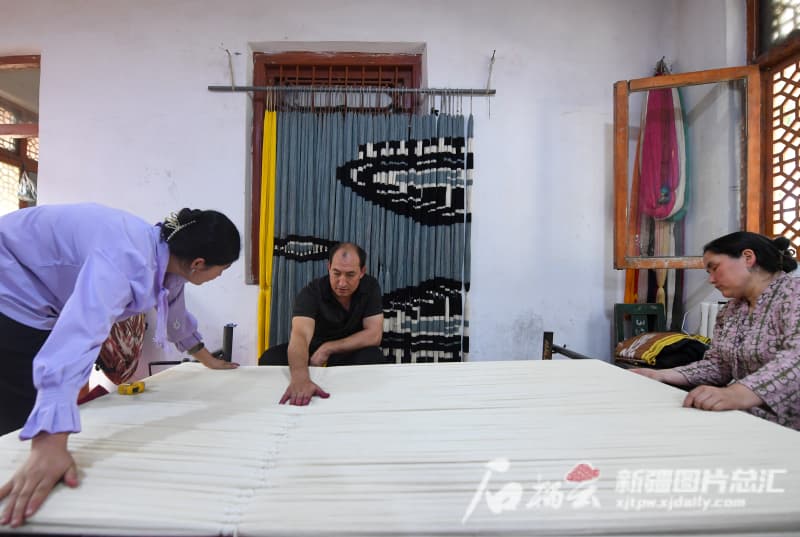
艾德莱斯绸_分条整经_10
Atlas Silk_Sectional Warping_10
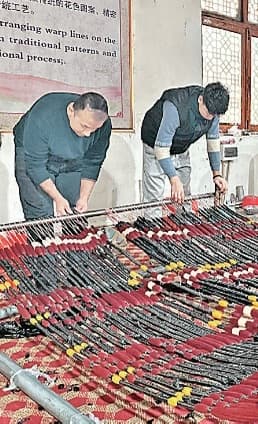
艾德莱斯绸_分区捆扎防染_12
Atlas Silk_Part‑bundle Resist‑dyeing_12
大唐西域记
Records of the Western Regions of the Great Tang
波浪纹
Wave Pattern

波斯菊
Cosmos
抽象纹样
Abstract Pattern
反复套色
Repeated Color‑layering
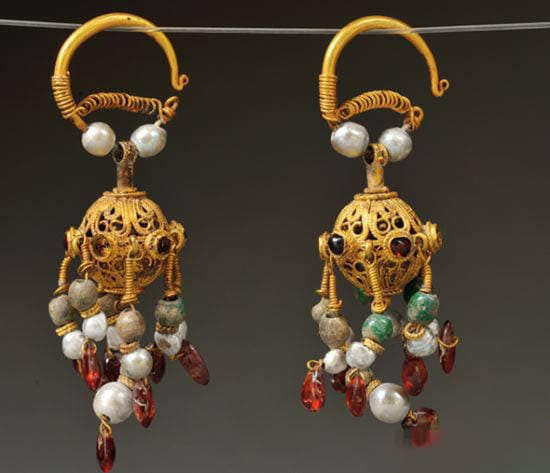
耳坠纹
Eardrop Pattern
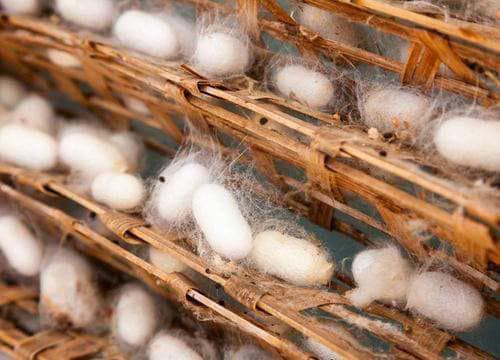
次茧
Inferior Cocoons
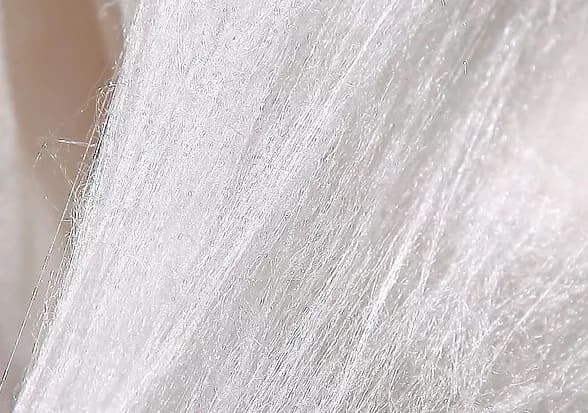
并丝
Doubled Silk
茧衣
Cocoon Floss
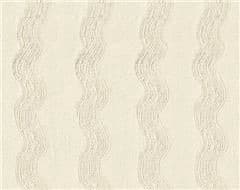
水波纹
Water‑wave Pattern
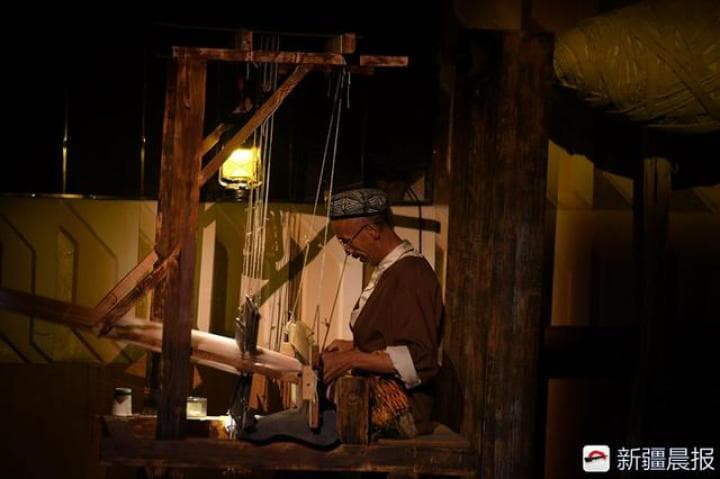
非遗工坊
Intangible Heritage Workshop
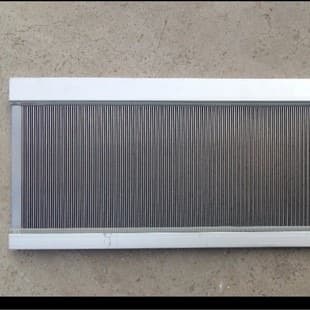
筘齿
Reed Dent

黑底艾德莱斯图片
Black‑background Atlas Silk Image
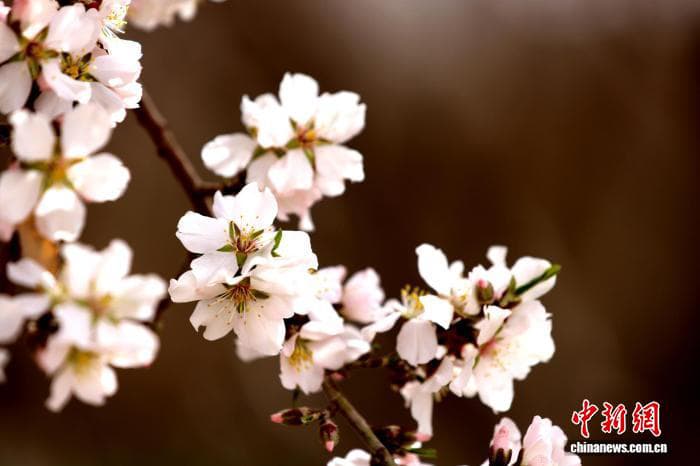
巴旦木花
Almond Blossom
化蛹
Pupation
桑叶
Mulberry Leaf
核桃皮
Walnut Husk
艾德莱斯绸_褪浆熨平质检_20
Atlas Silk‑Desizing & Ironing QC_20
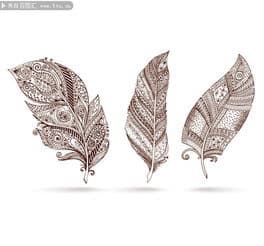
羽毛纹
Feather Pattern

布亚乡
Buya Township
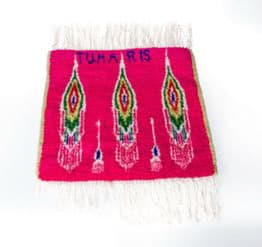
红底艾德莱斯
Red‑background Atlas Silk
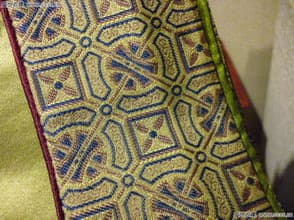
花卉纹
Floral Pattern
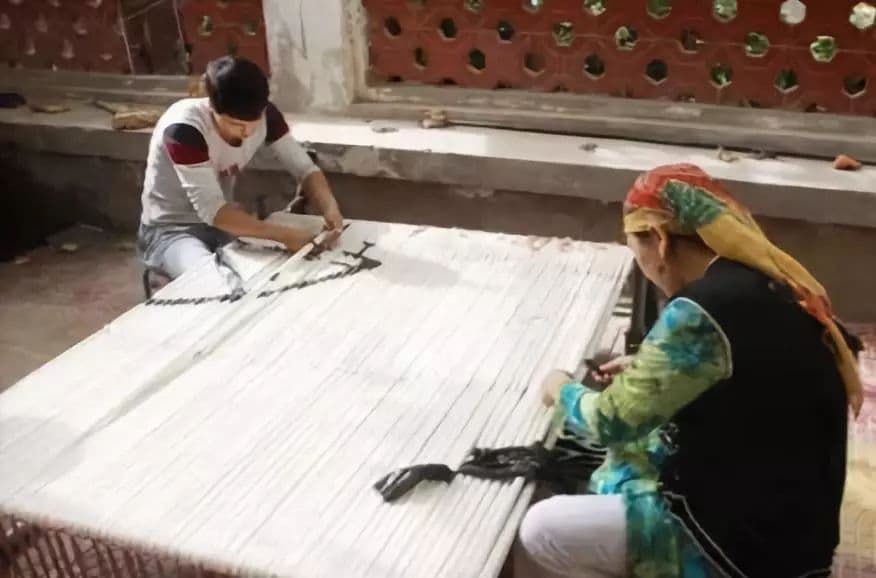
拆除扎绳
Removing Binding Cords
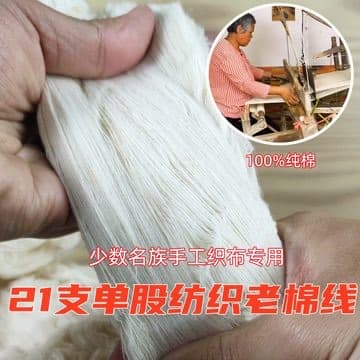
棉线
Cotton Thread
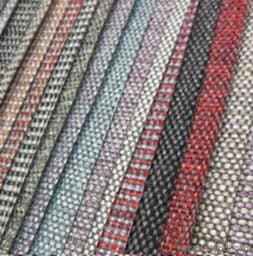
混纺
Blended Fabric
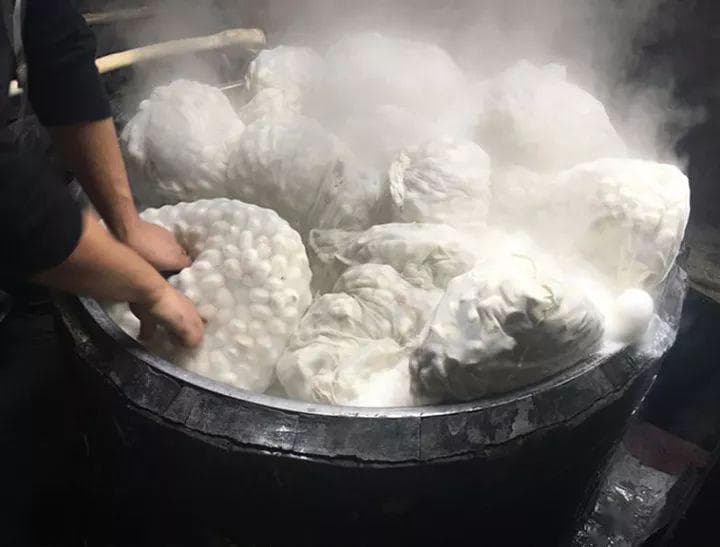
沸水煮茧
Boiling‑cocoon Process
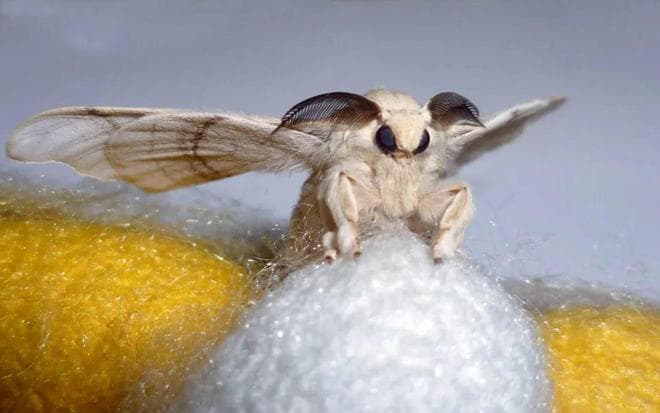
羽化
Eclosion
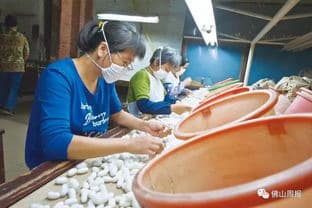
手工缫丝
Hand‑reeling Silk
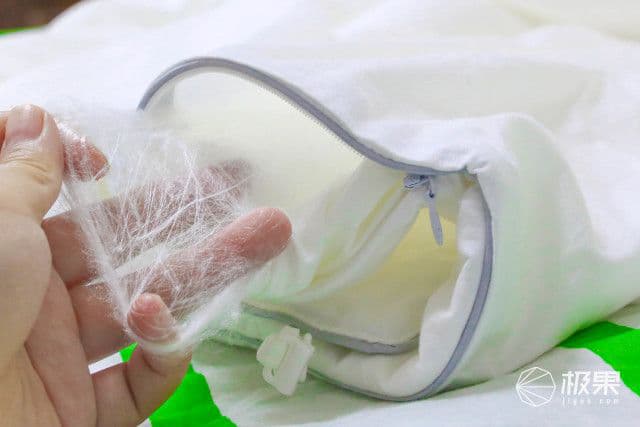
捻丝
Silk Twisting
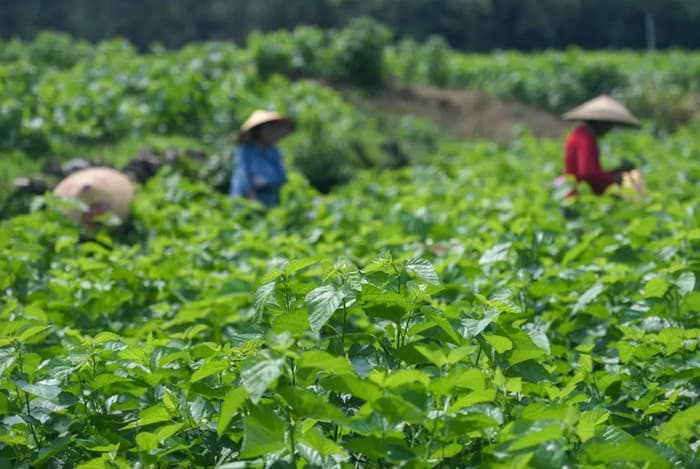
采桑
Mulberry Picking

吉亚乡
Jiya Township
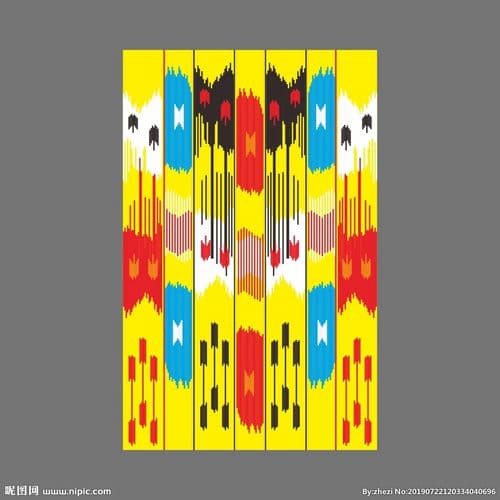
黄底艾德莱斯
Yellow‑background Atlas Silk

下茧
Low‑grade Cocoons
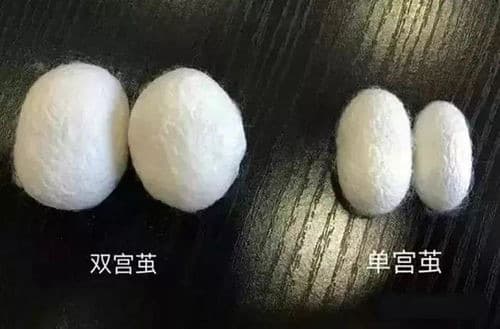
双宫茧
Double Cocoon
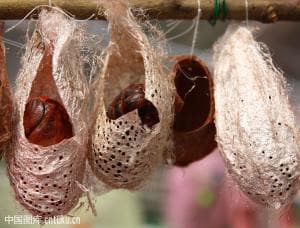
死蛹茧
Dead‑pupa Cocoon
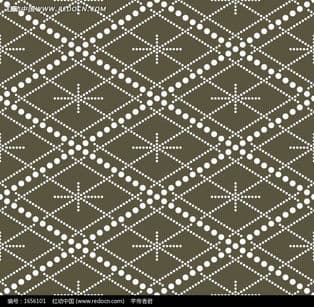
菱形纹
Diamond Pattern
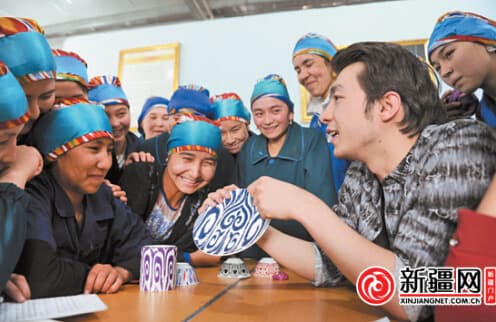
人工校准
Manual Calibration
上茧
Premium Cocoons
合成纤维
Synthetic Fiber
蚕室
Silkworm Rearing Room
艾德莱斯绸_木机手工织造_19
Atlas Silk_Wood‑loom Hand Weaving_19
染液
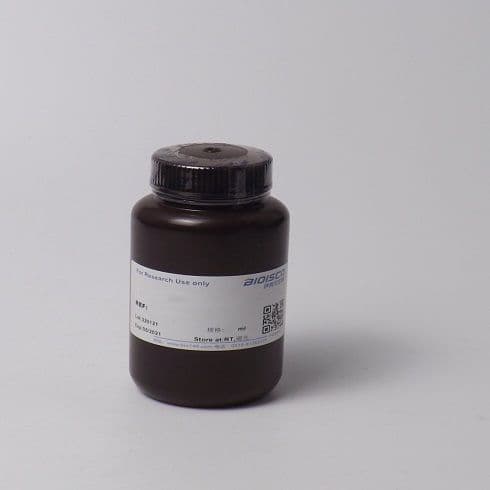
Dye Liquor
整经架
Warping Frame
玉米皮
Corn Husk
传丝公主
Silk‑passing Princess
靛蓝草
Indigo Plant
流苏纹
Tassel Pattern
桑树
Mulberry Tree

古丝绸之路
Ancient Silk Road
梳子纹
Comb Pattern
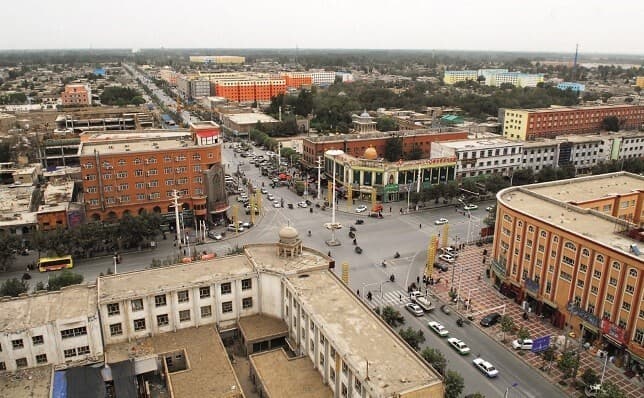
莎车县
Shache County
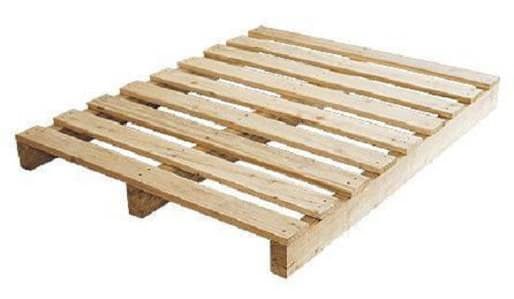
竹制托盘
Bamboo Tray
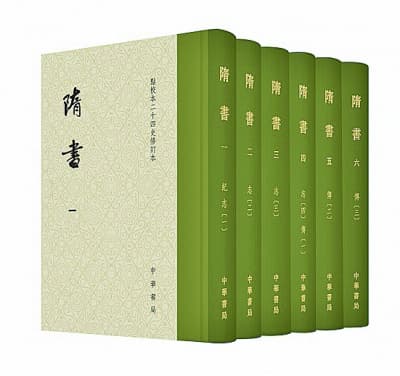
隋书
Book of Sui
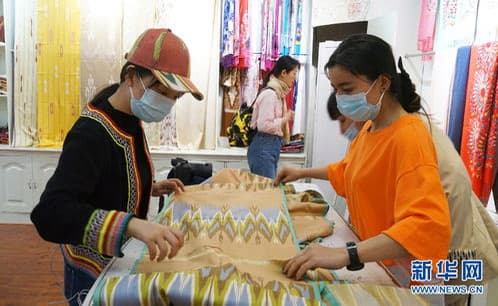
质检
Quality InspectionHorn‑shaped Pattern, Kashgar
羊角纹喀什噶尔
Horn‑shaped Pattern, Kashgar
喀什噶尔
Kashgar
艾德莱斯绸_水洗阴干_15
Atlas Silk_Water‑washed & Air‑dried_15
分级竹筐
Grading Bamboo Basket

喀什市
Kashgar City

婚礼礼服
Wedding Costume
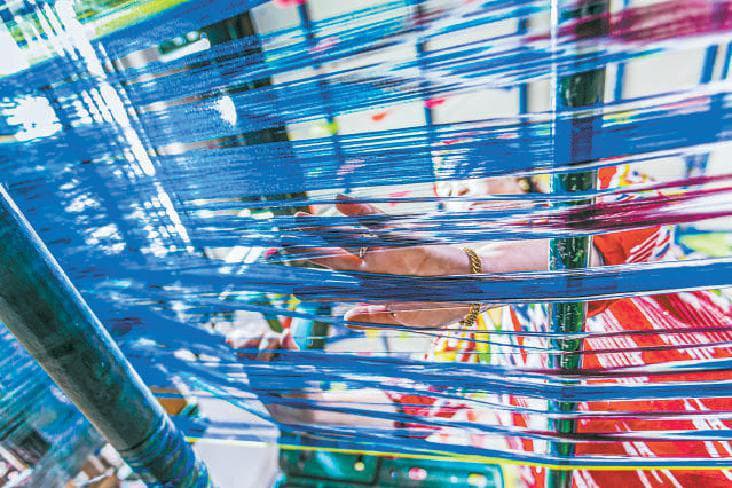
纬线
Weft Thread
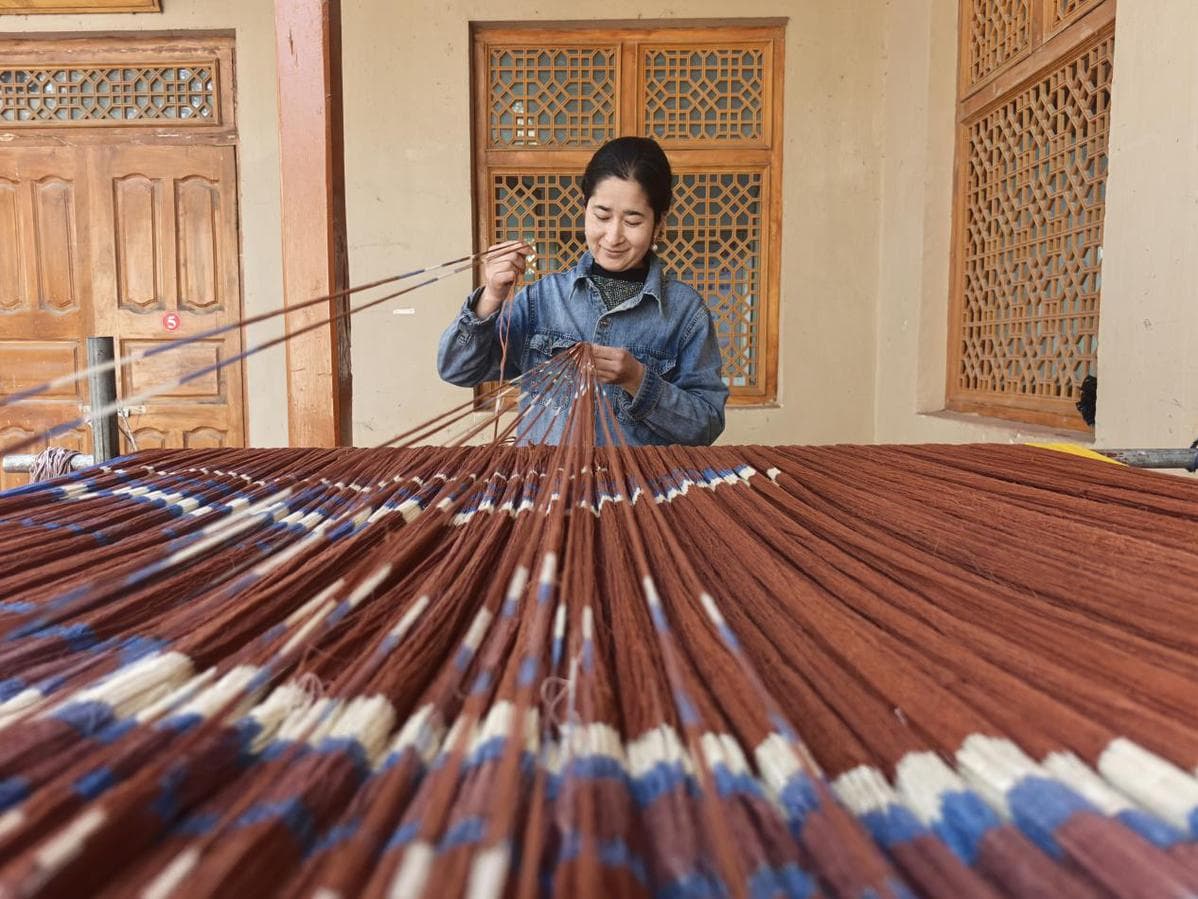
艾德莱斯绸_解捆埋线_16
Atlas Silk_Untying & Buried‑thread Dyeing_16
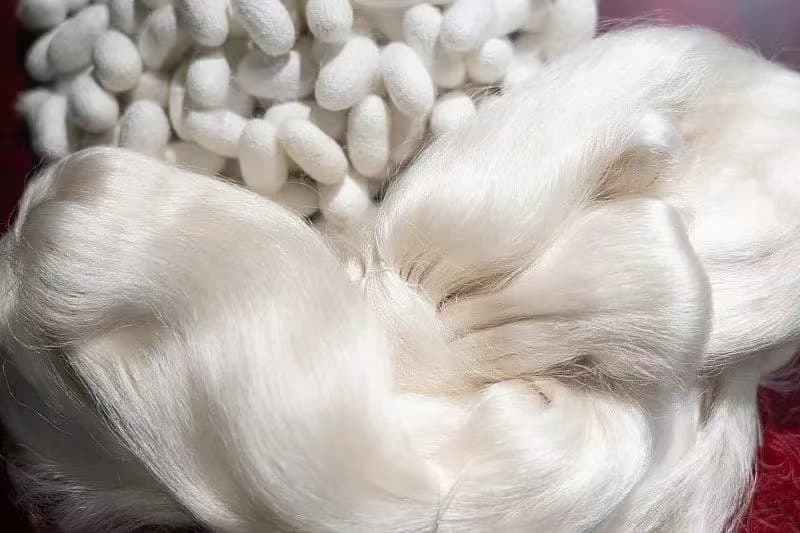
桑蚕丝
Mulberry Silk
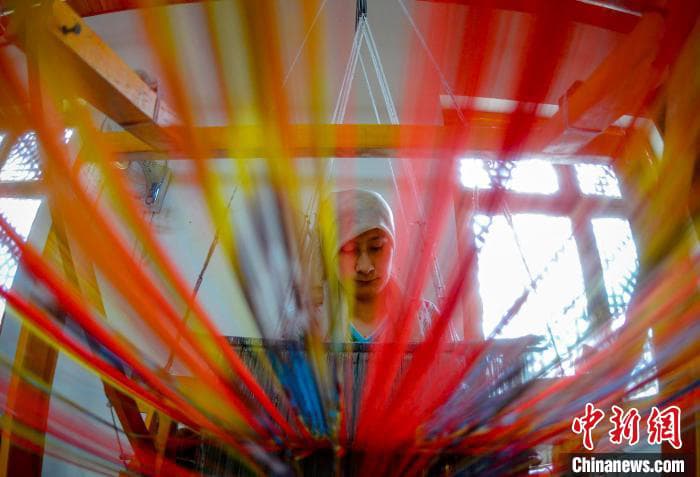
经线
Warp Thread
艾德莱斯绸_对花校准_17
Atlas Silk‑Pattern Alignment Calibration_17
艾德莱斯绸_扎经染色
Atlas Silk_Bound‑warp Dyeing
结茧
Cocooning
霉变茧
Molded Cocoon
手工踏织
Hand‑pedal Weaving
茜草
Madder

和田市
Hotan City

云纹
Cloud Pattern
晕染纹理
Gradient‑dyed Texture
卷丝
Coiled Silk
几何纹样
Geometric Pattern
艾德莱斯绸_穿综引筘_18
Atlas Silk_Heddling & Reeding_18

洛浦县
Lop County
艾德莱斯出天山
Atlas Silk Out of Tianshan Mountains
综眼
Heddle Eye
石榴纹
Pomegranate Pattern
木织机
Wooden Loom
对称纹样
Symmetrical Pattern
艾德莱斯绸_纹样标记_11
Atlas Silk_Pattern Marking_11
先染后织
Dye‑first Weaving
梳理经线
Warp Combing
古尔邦节
Corban Festival
真丝
Pure Silk
宋史
History of Song Dynasty
艾德莱斯绸_天然染料熬制_13
Atlas Silk_Natural Dye Decoction_13
热瓦普纹
Rawap Pattern
石榴皮
Pomegranate Peel
丹丹乌里克遗址
Dandan‑oilik Ruins
六枚变则经面缎纹
6‑end Variable Warp‑faced Satin
图案衔接
Pattern Jointing
于阗
Khotan

晕化
Color Blending
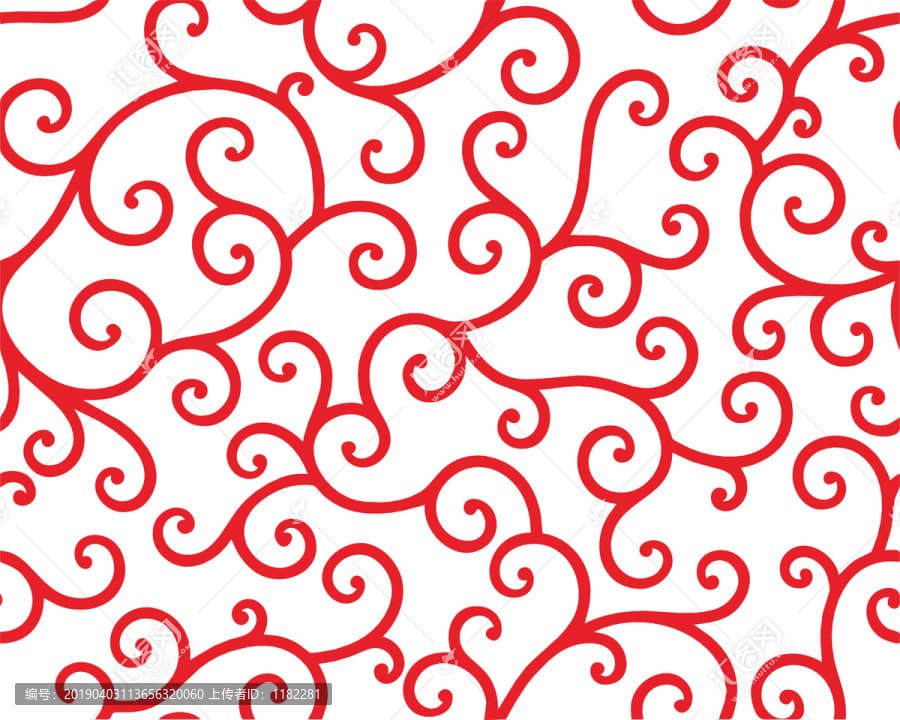
树枝纹
Branch Pattern
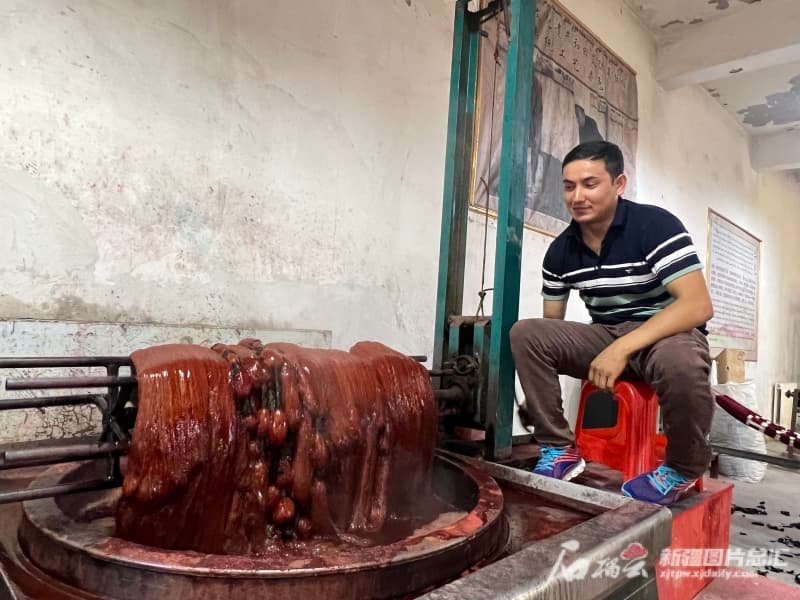
艾德莱斯绸_分层浸染上色_14
Atlas Silk_Layered Dip‑dyeing_14
视频展示Video Gallery
视频资料Video Resources

#疆行纪 - 人类学家的天山奇遇# P1 疆行纪:艾德菜斯丝绸《这里的丝绸活跃在世界时尚的舞台
Xinjiang Travel Notes: Atlas Silk — Silk Here Shines on the Global Fashion Stage
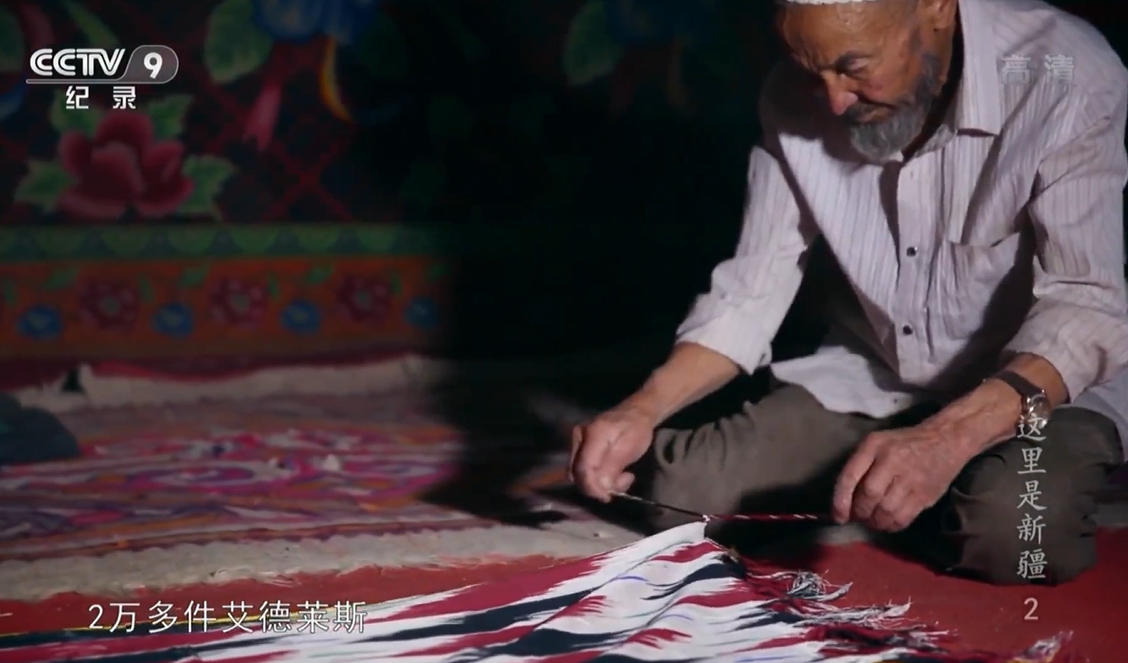
《这里是新疆》和田 艾德莱斯 维族的丝绸记忆
This is Xinjiang: Hotan Atlas — The Uyghur Silk Heritage
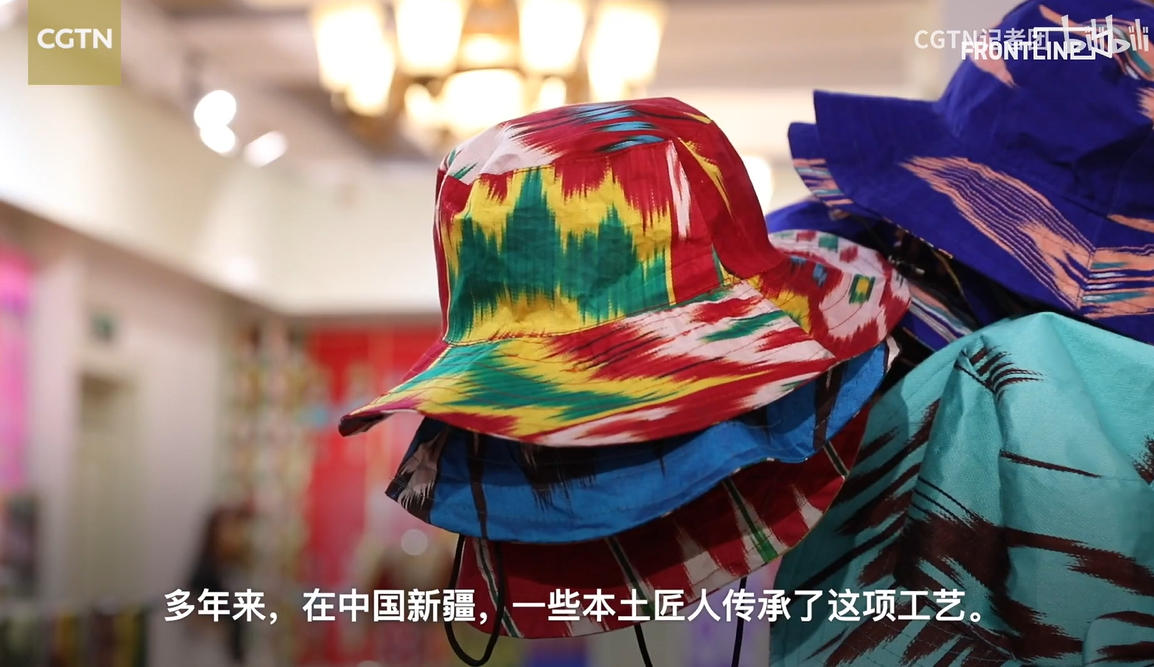
【#穿越新疆# 揭秘艾德莱斯绸制作全过程】 P1 艾德莱斯绸 国内
**#AcrossXinjiang #Uncovering the Full Production Process of Atlas Silk** P1 Atlas Silk · Domestic
新疆小伙家乡创业 用千年非遗艾德莱斯绸打造时尚国潮
Young Xinjiang Entrepreneur Builds Trendy National‑Chic Fashion With Millennia‑Old Intangible Cultural Heritage Atlas Silk
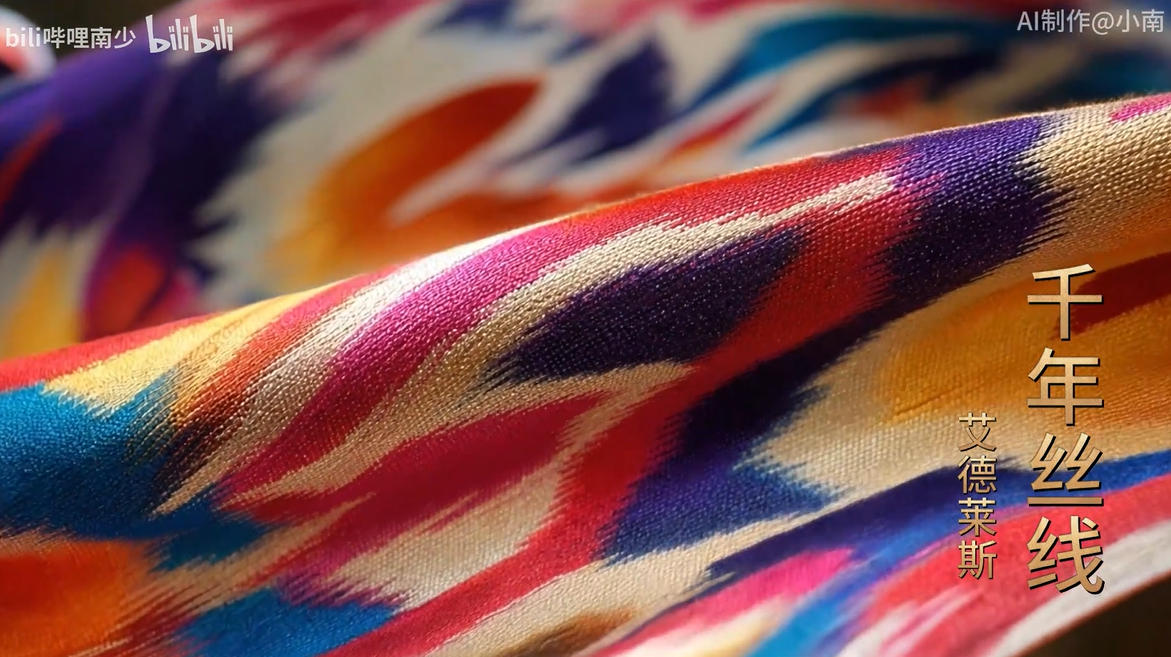
艾德莱斯,千年织梦,新疆和田。 P1 和田
Atlas Silk: A Thousand‑Year Weaving Dream, Hotan, Xinjiang P1 Hotan
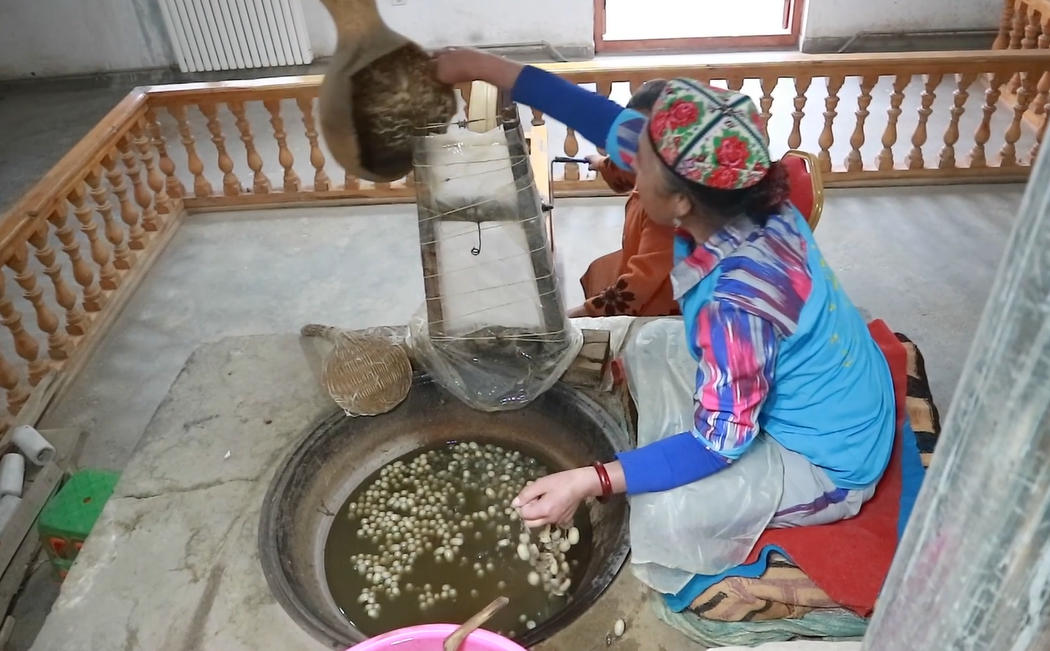
每个新疆姑娘都有的艾德莱斯绸,它流传了2000年
Every Xinjiang Girl’s Atlas Silk, Passed Down for 2,000 Years
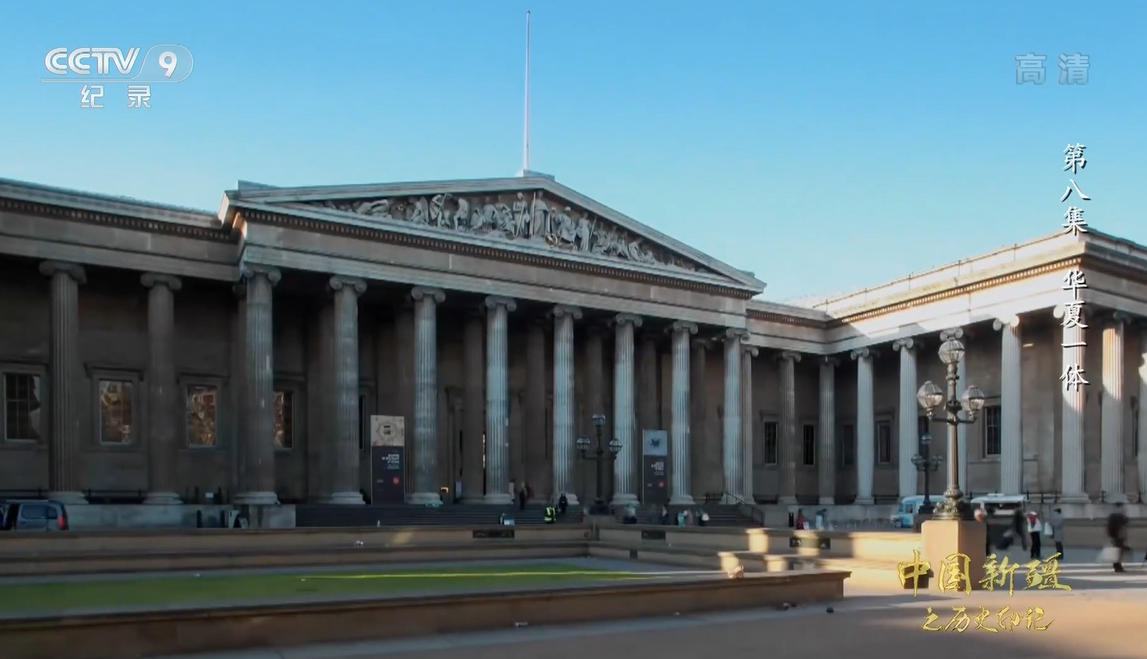
《中国新疆之历史印记》在西域落地生根的中原丝绸技术 丝绸产品返销中原
*Historical Imprints of China’s Xinjiang*: Central Plains Silk Technology Taking Root in the Western Regions, Silk Products Sold Back to the Central Plains
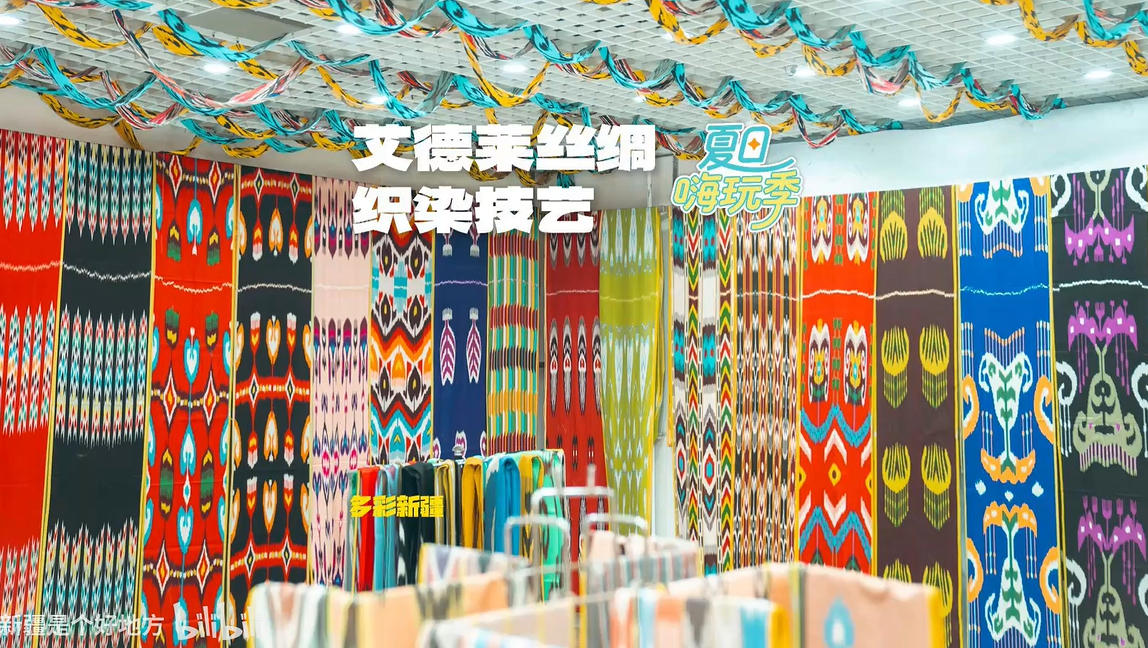
一扎一染,千年传承!走进艾德莱丝绸制作,感受非遗魅力。
Tying and Dyeing, A Millennium‑Old Heritage! Step into Atlas Silk Making and Experience the Charm of Intangible Cultural Heritage
参考文献与资料来源References and Sources
中华人民共和国文化和旅游部. 第二批国家级非物质文化遗产代表性项目名录[Z].2008.
(信息来源:国家级非遗官方名录,确定项目全称、编号Ⅷ-109、申报单位洛浦县文化馆、项目基础定义)
中国民族文化资源网.维吾尔族艾德莱斯绸织染技艺[EB/OL].(发布日期不详)[2026-07].http://mzwhzykweb1.minwang.com.cn
(产区分布、两大流派、传统民俗应用原始资料)
帕哈尔丁·伊沙米丁.维吾尔传统工艺文化研究[J].新疆大学学报,2001(02):93-96.
(民俗关联、维吾尔族群与艾德莱斯绸日常生活关系)
李安宁,张亨德.新疆民间染织艺术研究[J].新疆艺术学院学报,2006(03):18-21.
(纹样寓意、扎经染色工艺特征、南疆绿洲地域文化影响)
毛雅坤,胡玉康.少数民族传统手工艺产品的传承与推广策略研究——以和田吉亚乡艾德莱斯绸为例[J].西北美术,2017(02):108-112.
(传承模式、传承人老龄化、工业化市场冲击、产业挑战分析)
柴可欣,何润格.艾德莱斯绸传承困境与优化路径探析[J].创意与创新,2025(09).
(非遗工坊、文旅融合、数字化保护、产业发展对策)
刘颖.“艾德莱斯”的历史和传说的文本研究[J].喀什大学学报,2010,31(05):29-31.
(技艺历史渊源、丝路文化融合、中原缫丝技术西传史料参考)
赵罡,李楠,张毅.艾德莱斯绸纹饰图案及其在现代女装中的应用[J].丝绸,2021,58(04):120-126.
(图案排布、色彩艺术特征、纹样文化符号解读)
李安宁.新疆民族民间美术[M].乌鲁木齐:新疆人民出版社,2006.
穆舜英,祁小山,张平.中国新疆古代艺术[M].乌鲁木齐:新疆美术摄影出版社,1994.
(于阗地区古代丝织考古依据,支撑两千年发展历史论述)
人民网新疆频道.艾德莱斯绸缘何成为丝路千年“顶流”[EB/OL].(2025-12-01)[2026-07].
中国共产党新闻网.艾德莱斯织新彩[EB/OL].(2025-12-28)[2026-07].
天山网.文化中国行·遇见非遗 | 在艾德莱斯之乡 麦麦提艾力织出绚丽人生[EB/OL].(2024-07-30)[2026-07].
(代表性传承人:麦麦提艾力·如则麦麦提、家族传承、师徒传承一手素材)
胡嘉琛.从织机到云端:新疆艾德莱斯绸的“数字蝶变”[N].中国新闻社,2026-05-12.
(政府扶持、纹样数字化建档、非遗工坊建设案例)
新疆维吾尔自治区工业和信息化厅.关于推动国家级非遗艾德莱斯绸产业创新升级与可持续发展的提案[EB/OL].(2026-03)[2026-07].