项目概况Project Overview
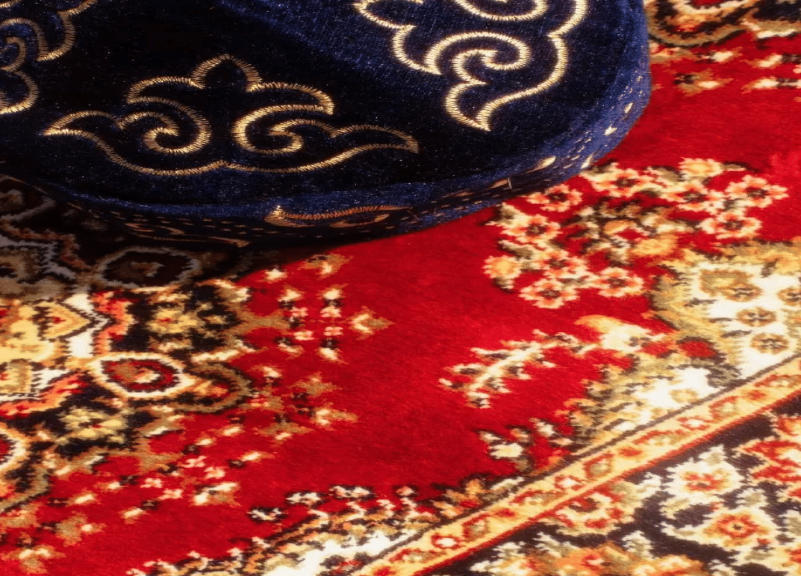
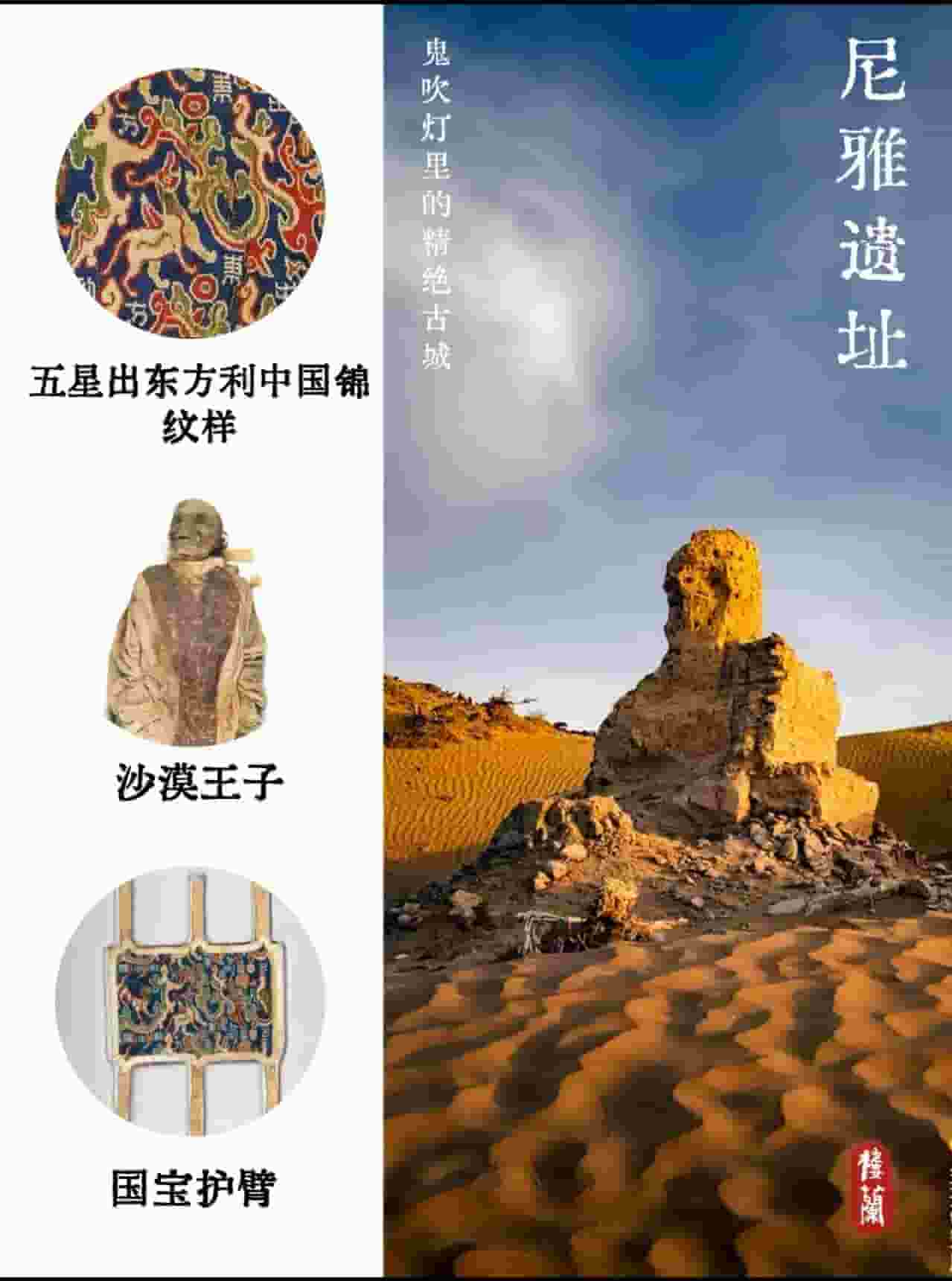
地毯织造技艺(维吾尔族地毯织造技艺)属于国家级传统技艺类非物质文化遗产,项目编号Ⅷ-110,2008年列入第二批国家级非物质文化遗产扩展项目名录,由新疆维吾尔自治区洛浦县申报,法定保护单位为洛浦县时代地毯厂,和田洛浦是该项技艺核心发源地,喀什、莎车等地为重要传承区域。考古资料证实,新疆栽绒地毯织造历史超过两千年,民丰县尼雅遗址出土东汉地毯残片,证明早在汉晋时期,南疆绿洲先民已熟练掌握织毯工艺。依托古丝绸之路商贸交流,中原毛纺技术与西域本土织造工艺持续融合,历经唐、元、明清不断发展完善,逐步形成独具地域特征的维吾尔族手工栽绒地毯体系。
The Uyghur carpet weaving craft, officially named Carpet Weaving Craftsmanship (Uyghur Carpet Weaving Craftsmanship), is a national intangible cultural heritage under the traditional craft category. Listed as an expanded project in the Second Batch of National Intangible Cultural Heritage List in 2008 with project No. Ⅷ-110, it was declared by Lop County, Xinjiang Uygur Autonomous Region. Lop County Times Carpet Factory serves as the designated protection institution. Lop County in Hotan is the core birthplace of the craft, while Kashgar and Yarkand act as vital inheritance areas. Archaeological evidence proves that pile carpet weaving in Xinjiang boasts a history of more than 2,000 years. Fragments of Eastern Han carpets unearthed from the Niya Ruins in Minfeng County verify that as early as the Han and Jin dynasties, inhabitants in southern Xinjiang oases had mastered carpet weaving techniques proficiently. Benefiting from cultural exchanges along the ancient Silk Road, wool spinning technologies from central China integrated with indigenous western region weaving crafts. Constantly improved through the Tang, Yuan, Ming and Qing dynasties, a distinctive handmade knotted pile carpet system of the Uyghur people gradually took shape.
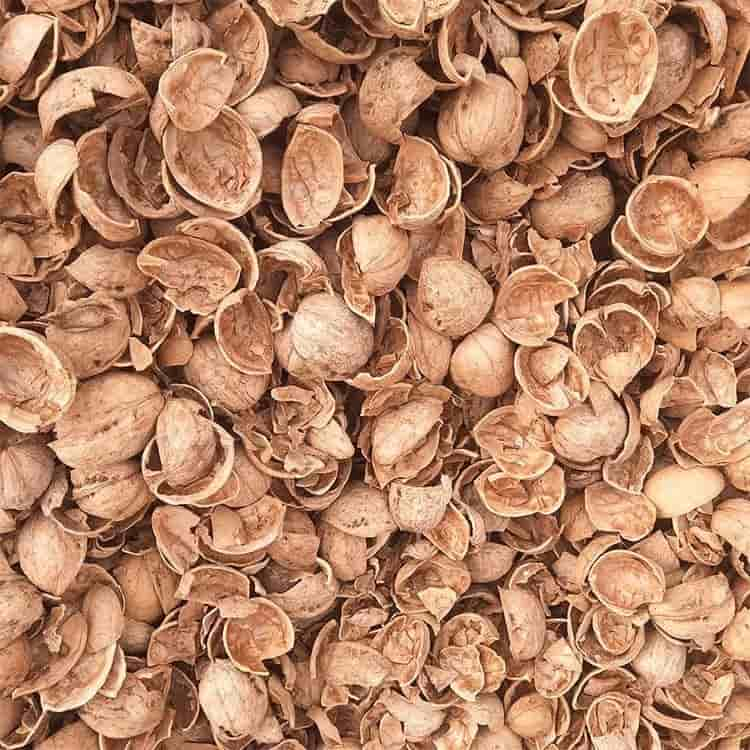
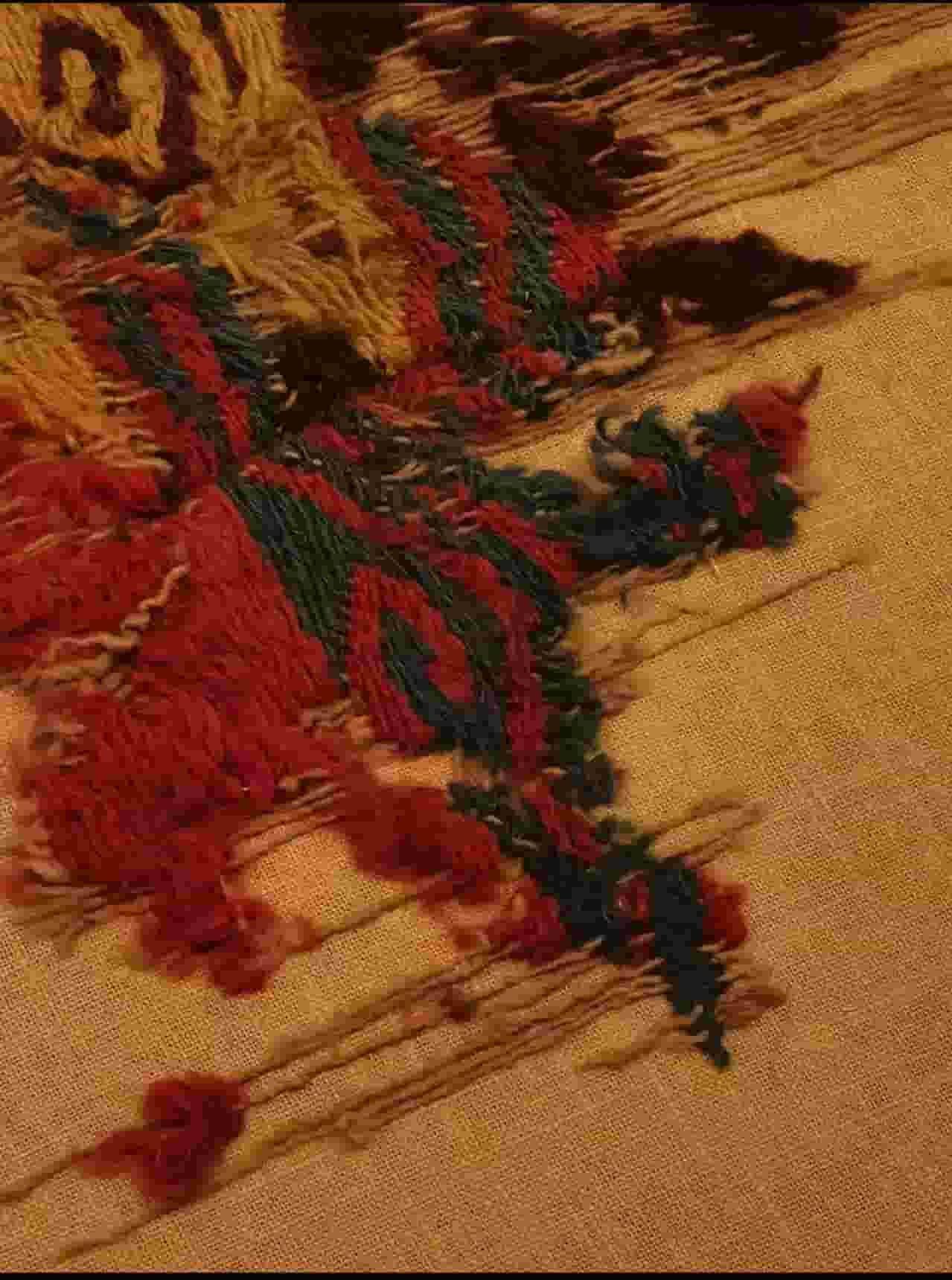
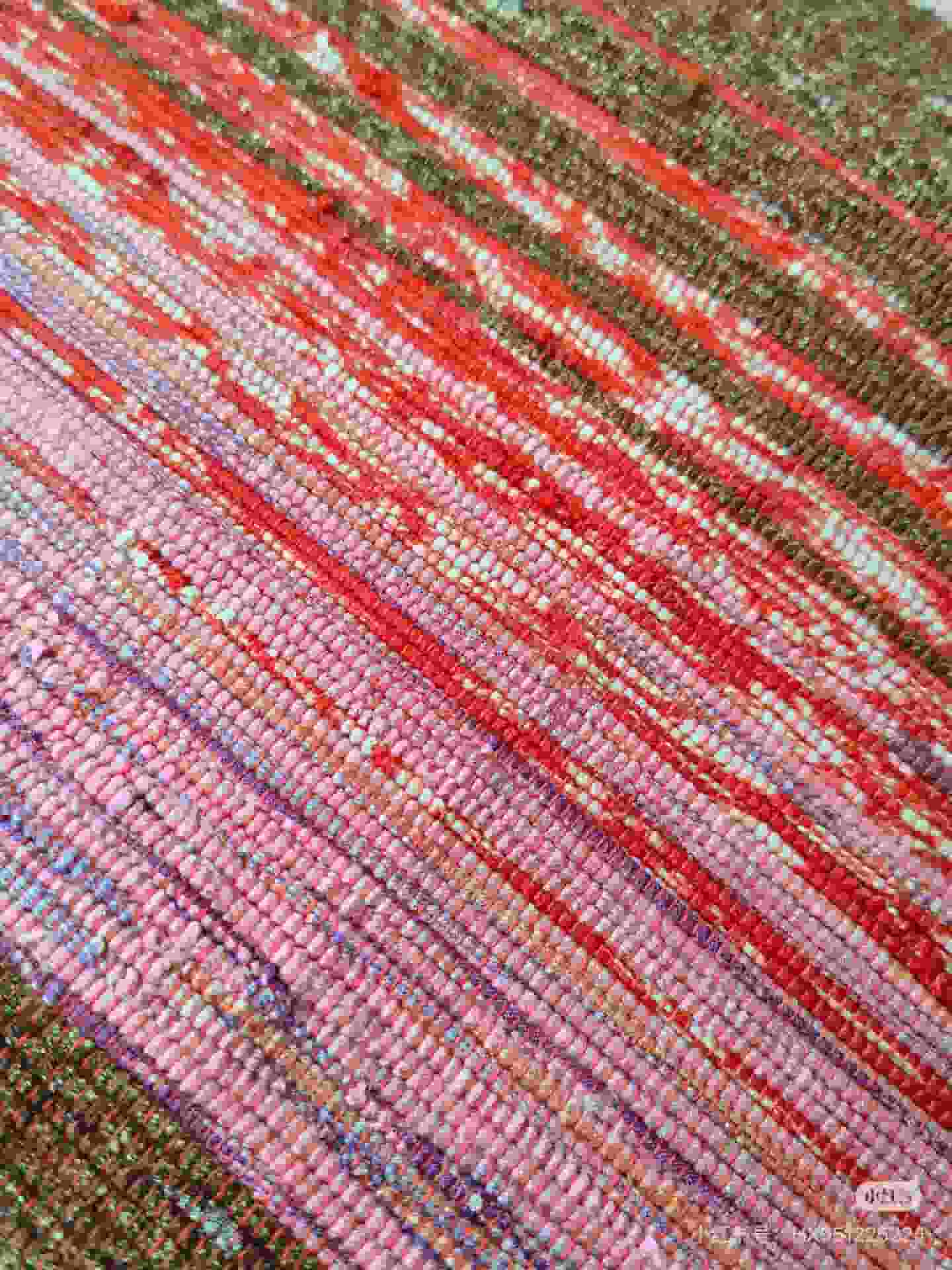
维吾尔族传统地毯以本地半粗毛羊毛为主要原料,传统生产流程包含纹样设计、羊毛梳理纺纱、植物染料染色、上机织造、剪片、平活、洗毯、修整等多道工序。技艺核心为森纳结扣(八字结)栽绒技法,工匠将染色毛线打结固定于经纬底线上形成绒面。该工艺优势突出,局部破损不会造成整块地毯松散,结实耐用;传统染色多就地取材,利用石榴皮、核桃皮、靛蓝等天然植物染料,色彩柔和持久。
Local coarse wool serves as the primary raw material for traditional Uyghur carpets. The whole production process covers pattern design, wool combing and spinning, natural dyeing, looming weaving, pile trimming, surface finishing, carpet washing and renovation. Its core technique is the Senna knot (figure-eight knot). Craftsmen fasten dyed wool yarn onto warp and weft threads to form the pile surface. This technique ensures that partial damage will not loosen the whole carpet, making it extremely durable. In traditional procedures, raw materials such as pomegranate peel, walnut husk and indigo are adopted as natural plant dyes to create mild and long-lasting colours.
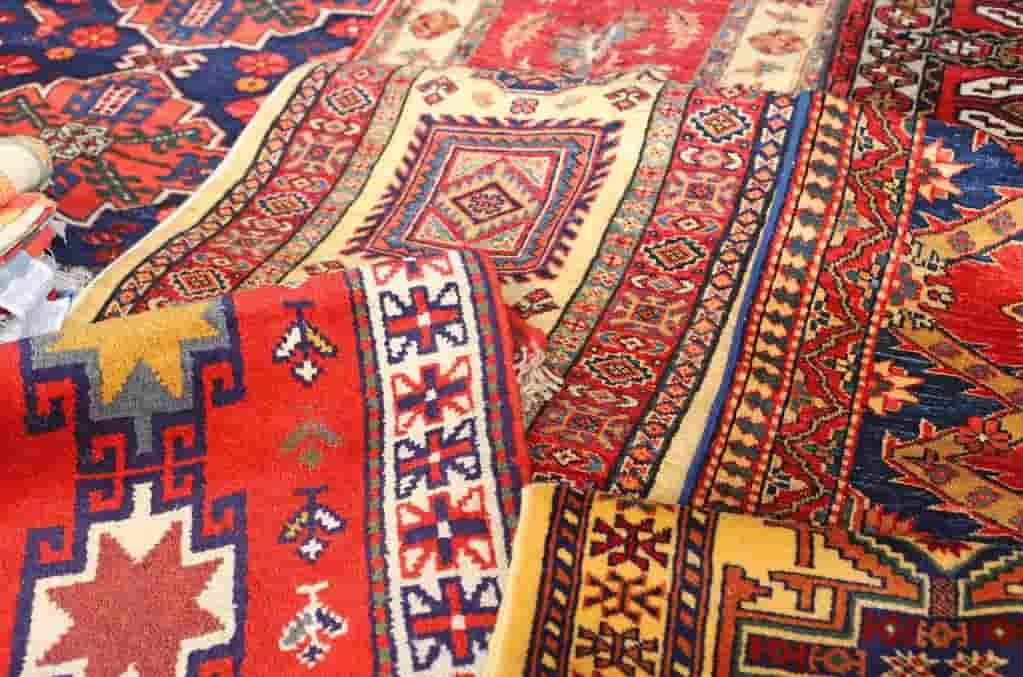
在艺术层面,地毯纹样融汇绿洲自然风貌、民俗符号,常见花卉、巴旦木、羊角、藤蔓等图案,构图饱满对称、色彩对比浓烈,承载维吾尔族民众审美观念。地毯既是日常生活铺陈、礼拜使用的实用器物,也是壁挂陈设艺术品,历史上长期通过丝路远销中亚、西亚各国,是东西方文明交流的物质载体。如今该项技艺延续家族传承、师徒传授模式。地方政府依托非遗工坊、文旅项目推动技艺活化,开发特色文创产品拓展市场。同时技艺发展也面临挑战:手工织造周期长、劳动强度大,年轻人学习意愿偏低,传统天然染料工艺不断简化,机械化产品冲击手工地毯市场。当前当地持续推进传承人培育、传统工艺记录保护,推动千年织毯技艺持续活态传承。
Artistically, carpet patterns integrate oasis landscapes and folk symbols. Common motifs include flowers, badam nuts, goat horns and vines, featuring full symmetrical composition and striking colour contrast, embodying the aesthetic values of the Uyghur people. Functionally, traditional carpets are daily necessities for floor covering and religious worship as well as decorative wall hangings. Historically, they were exported to Central Asia and West Asia via the Silk Road, acting as a material medium for exchanges between eastern and western civilizations. Nowadays, the craft is inherited through family lineage and master-apprentice teaching. Local authorities promote the vitalization of this craft by building intangible cultural heritage workshops and cultural tourism projects, and expand markets by developing characteristic cultural and creative products. Nevertheless, it faces multiple challenges: handmade weaving requires long working hours and heavy labour, discouraging young learners. Traditional natural dyeing procedures are gradually simplified, and mechanized carpets bring fierce market competition. Currently, local authorities keep nurturing inheritors and documenting traditional techniques to sustain the millennia-old weaving craft.
项目基本信息Project Basic Information
Collection Key Points
Description
Full Official Chinese Name
Carpet Weaving Craftsmanship (Uyghur Carpet Weaving Craftsmanship)
Heritage Level
National Intangible Cultural Heritage (Traditional Crafts)
Inclusion Batch & Number
In 2008, included in the Second Batch of National Intangible Cultural Heritage List (the First Batch of Extended National Intangible Cultural Heritage Items), No. Ⅷ-110, Serial No.893
Declared Region / Protection Institution
Lop County, Xinjiang Uygur Autonomous Region; Lop County Shidai Carpet Factory
Distribution Area
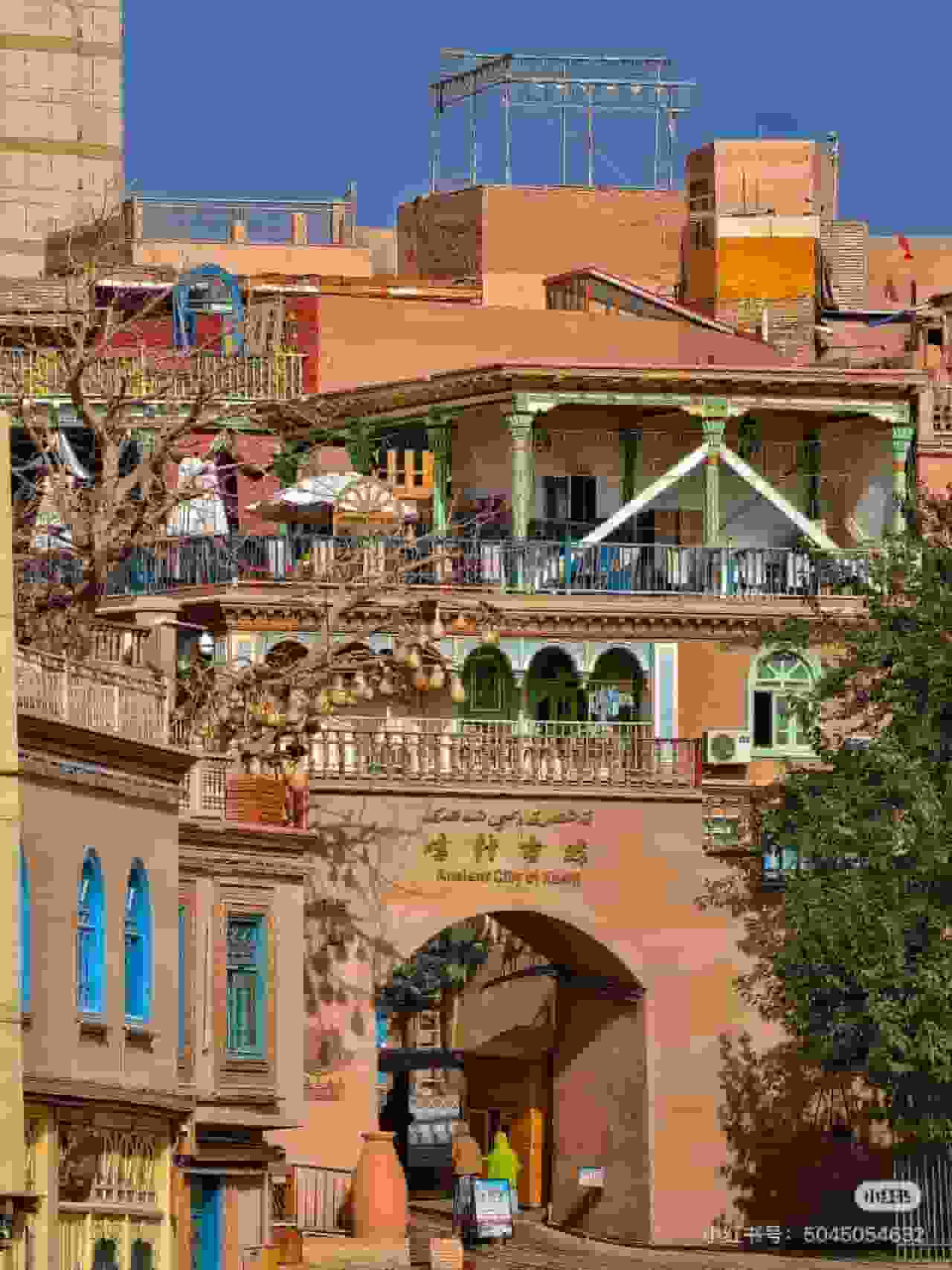
Lop County, Hotan Prefecture, Xinjiang; Major inheritance areas: Hotan City, Kashgar City, Yarkand County and other oasis regions in southern Xinjiang.
历史渊源Historical Origins
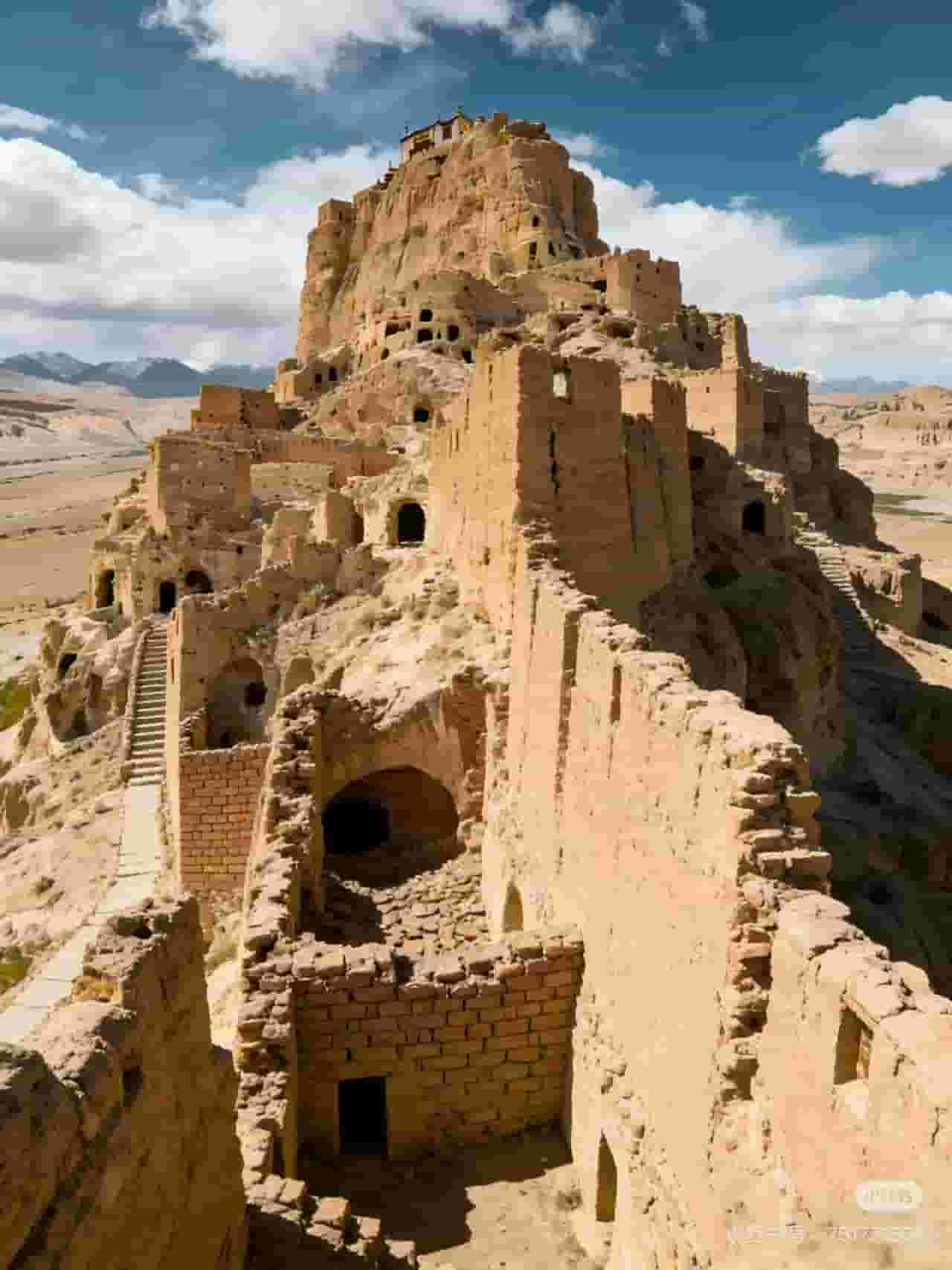
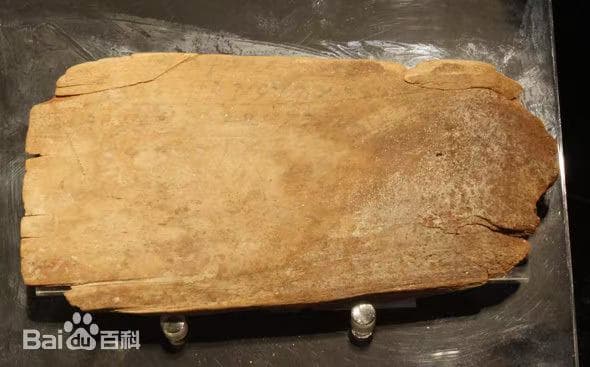
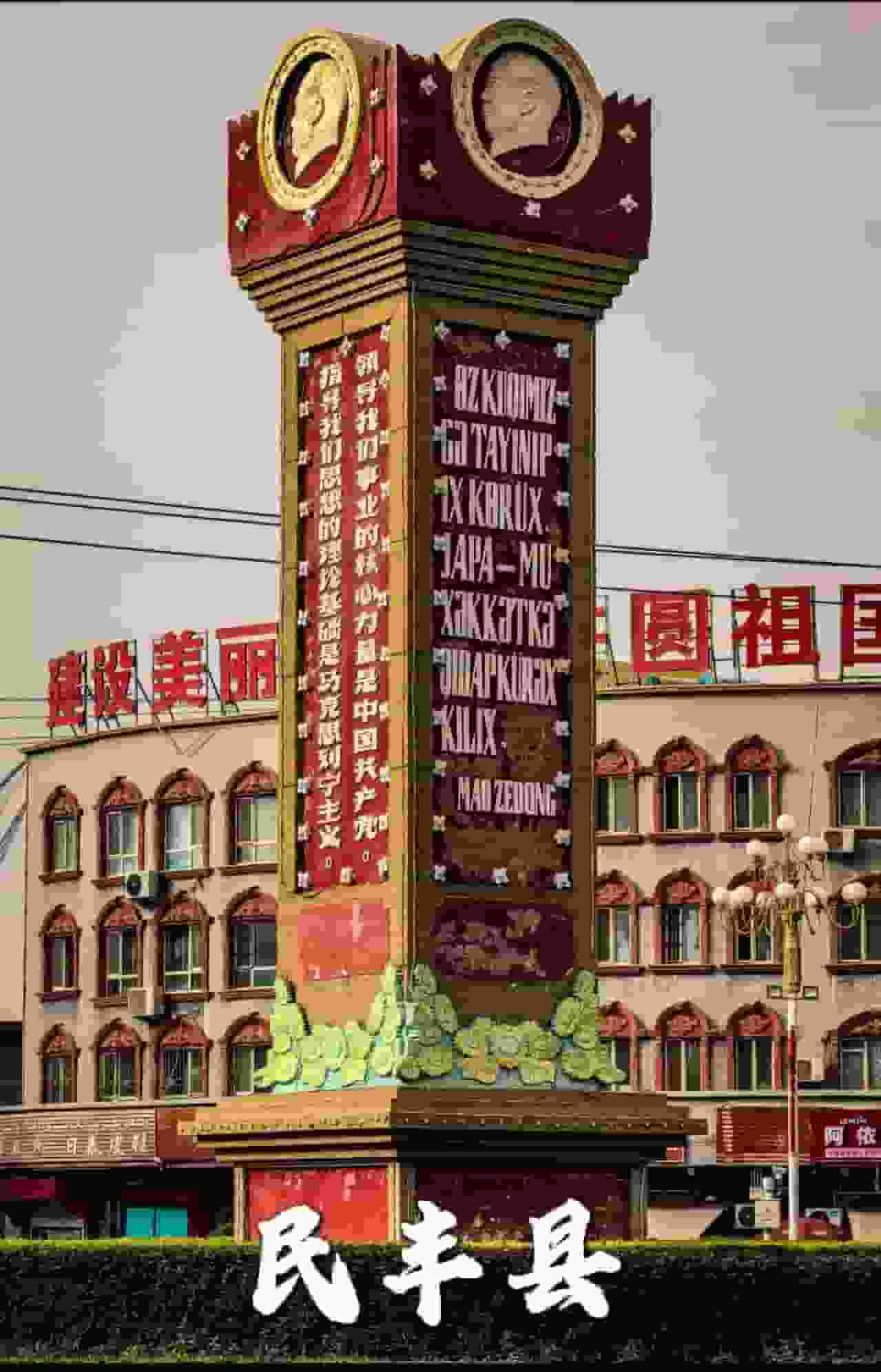
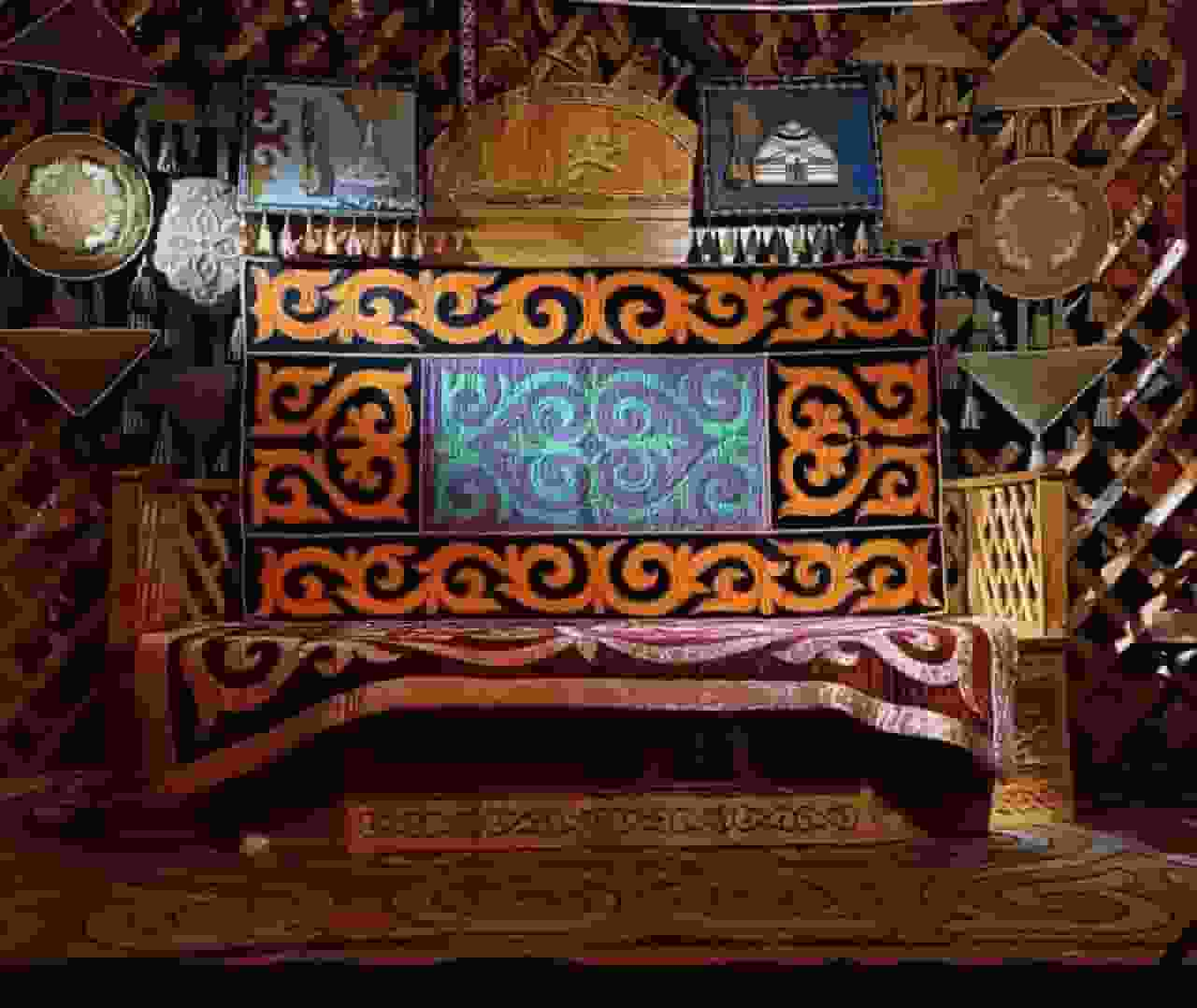
维吾尔族地毯织造技艺根植于南疆塔里木盆地绿洲文明,考古实证显示新疆栽绒地毯织造历史超过两千年,核心发源地为和田洛浦。我国羊毛栽绒编织雏形最早可追溯至新石器时代西域先民毛纺生产;目前可考证的成熟实物出现于东汉时期。1959年,民丰县尼雅遗址(古精绝国)墓葬出土东汉彩色栽绒地毯残片,伴随出土的佉卢文简牍出现关于地毯交易的文字记录,证实汉晋时期于阗(和田)绿洲已经形成专业化织毯生产,熟练掌握八字栽绒结(森纳结)核心工艺。1983年洛浦县山普鲁古墓出土汉代树纹栽绒鞍毯,进一步佐证洛浦作为技艺发源地的历史地位。
The Uyghur carpet weaving craft originated from the oasis civilization of the Tarim Basin in southern Xinjiang, and archaeological evidence proves that the history of pile carpet weaving in Xinjiang spans more than 2,000 years, with Lop County in Hotan as its core birthplace. The embryonic form of wool pile weaving in China can be traced back to the wool textile production of ancient western regions residents in the Neolithic Age. The earliest verifiable mature physical relics date back to the Eastern Han Dynasty. In 1959, fragments of colourful Eastern Han knotted pile carpets were unearthed from tombs at the Niya Ruins (ancient Jingjue Kingdom) in Minfeng County. Kharosthi wooden slips discovered alongside the relics contain written records of carpet trade, confirming that professional carpet weaving production had taken shape in the Hotan oasis during the Han and Jin dynasties, and local craftsmen had mastered the core technique of figure-eight pile knot (Senna knot). In 1983, a Han-dynasty pile saddle carpet decorated with tree patterns was excavated from the Shanpulu Ancient Tombs in Lop County, further verifying Lop County's historical status as the birthplace of this craft.
依托古丝绸之路商贸通道,西域本土栽绒技艺持续与中原毛纺技术、中亚纹样艺术交融发展。汉文史籍中将西域地毯称为氍毹、罽,《大唐西域记》记载于阗物产包含精美毛织毯,印证唐代和田地毯已经成为丝路重要贸易商品。元代,受游牧文化影响,西域地毯大量输入中原,宫廷设立花毯作坊;明清时期和田、喀什、莎车形成规模化织毯产业集群,地毯不仅是维吾尔民众居家、礼拜必备器物,还经由丝路远销中亚、西亚,工艺体系持续完善,纹样逐步融合绿洲植物、民俗图腾,最终形成区别于其他地域的维吾尔族手工地毯范式。近代以来,洛浦持续传承古法织造,完整保留植物染料染色、手工打结织造整套流程。2008年该项目列入国家级非物质文化遗产名录,千年栽绒技艺以家族传承、师徒传承的形式在南疆延续至今。
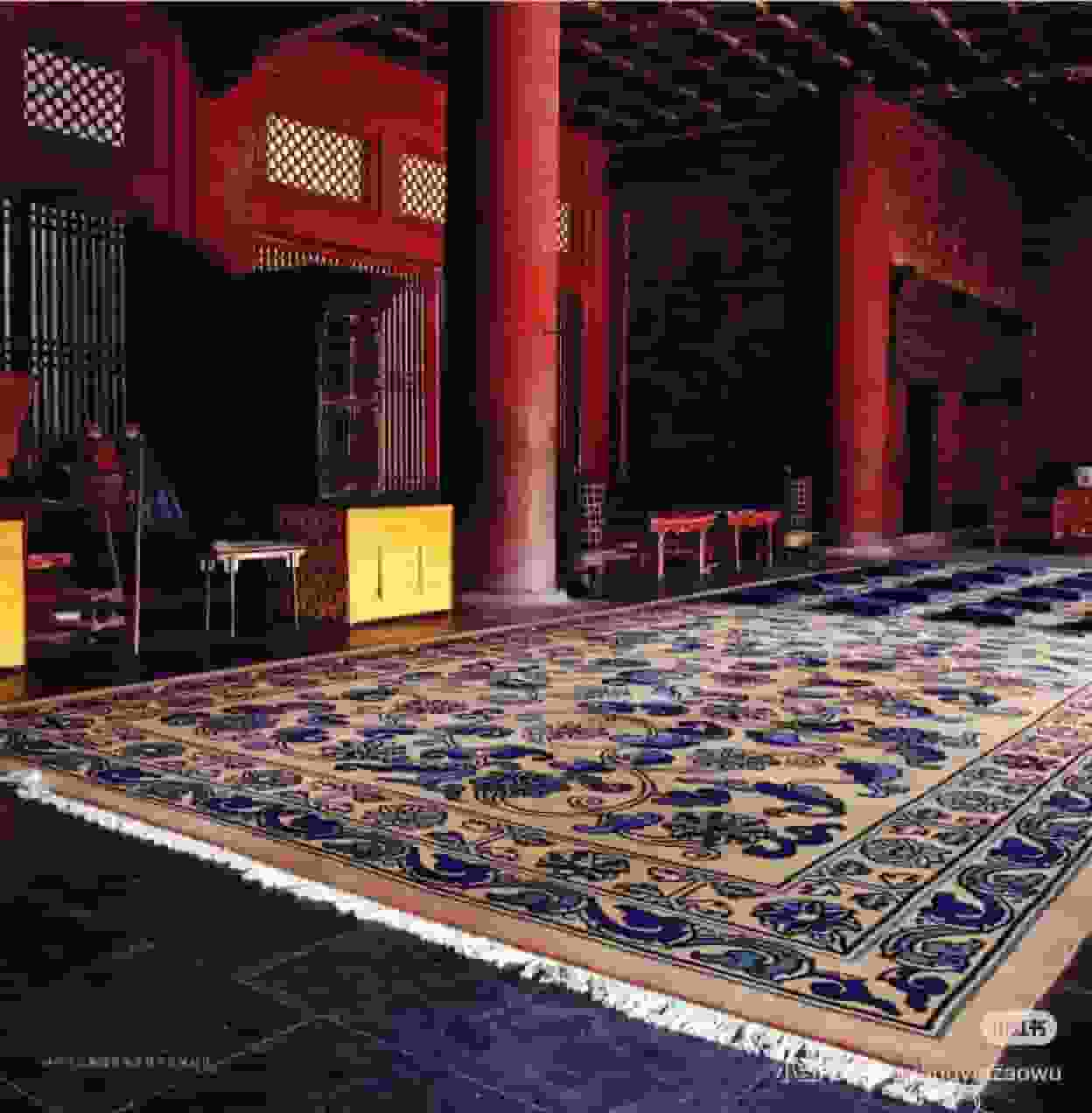
Relying on the trade routes of the ancient Silk Road, the indigenous pile weaving techniques of the western regions continuously integrated with wool spinning technology from Central China and pattern art from Central Asia. In ancient Chinese historical records, western region carpets were named qushu and ji. Great Tang Records on the Western Regions recorded that exquisite woollen carpets were among local products of Yutian (Hotan), proving that Hotan carpets had become vital commodities traded along the Silk Road in the Tang Dynasty. Influenced by nomadic culture in the Yuan Dynasty, large quantities of western region carpets were transported to Central Plains, and the imperial court established workshops for ornamental carpets. During the Ming and Qing dynasties, large-scale carpet weaving industrial clusters formed in Hotan, Kashgar and Yarkand. Carpets served not only as daily necessities and worship appliances for the Uyghur people, but also were exported to Central Asia and West Asia via the Silk Road. The craft system kept improving, and its patterns gradually incorporated oasis plants and folk totems, eventually forming the unique handmade Uyghur carpet style distinct from other regional schools. In modern times, Lop County has preserved the ancient weaving methods, retaining the complete procedures of natural plant dyeing and hand-knot weaving. This craft was inscribed on the National Intangible Cultural Heritage List in 2008. The millennia-old pile-weaving technique has been passed down in southern Xinjiang through family inheritance and master-apprentice education to this day.
文化价值与社会意义Cultural Value and Social Significance
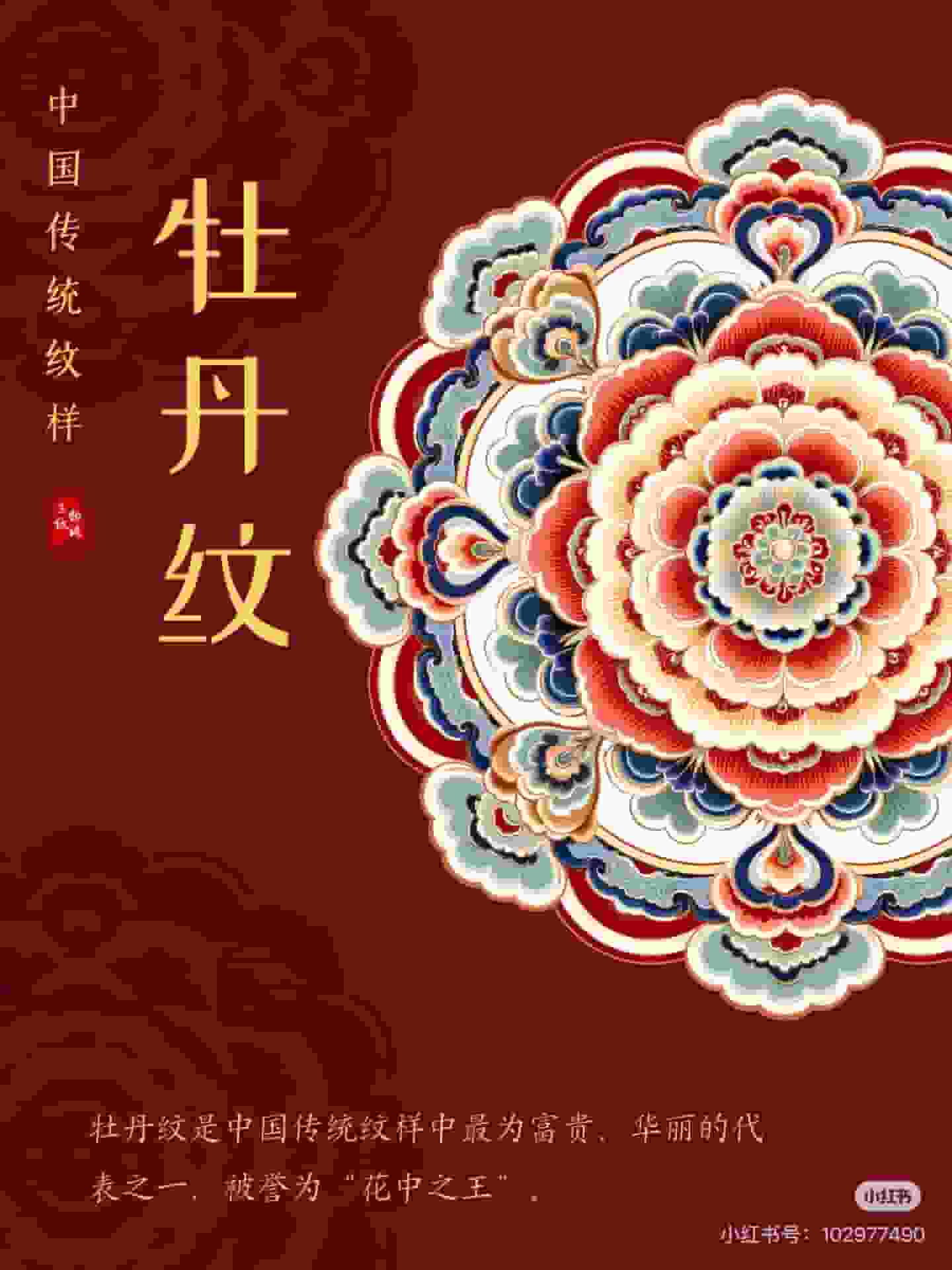
维吾尔族手工栽绒地毯是南疆绿洲文明标志性物质载体,在维吾尔族民族文化体系中占据不可替代的核心地位。经过两千年发展融合,地毯纹样形成完整的符号体系,巴旦木花、羊角纹、石榴花、藤蔓、几何散花等经典图案取材于绿洲自然生态与本土民俗信仰,寄托民众对于丰收、平安、美好生活的精神向往。现存十六大类传统地毯样式融合多元文明元素,既有源自中原的牡丹纹样,也有经由丝路传入中亚、西亚的装饰母题。传统地毯深度融入维吾尔族民众全部日常生活场景,既是居家坐卧御寒的基础器物,也是婚礼、节庆、宗教礼拜必不可少的用品,祈祷专用地毯更是民俗与信仰结合的典型代表,成为辨识维吾尔地域民俗文化鲜明的视觉符号。与此同时,作为古丝绸之路核心流通商品,维吾尔地毯见证东西方物质、艺术、思想交流,毯面纹样本身就是跨文明交融的历史物证,拥有极高的历史人类学、工艺美术研究价值。
Hand-knotted Uyghur carpets serve as iconic material carriers of oasis civilization in southern Xinjiang and occupy an irreplaceable core position within Uyghur ethnic culture. After two thousand years of evolution and integration, carpet patterns have developed into a complete symbolic system. Classic motifs including badam flowers, goat horns, pomegranate blossoms, vines and scattered geometric flowers are derived from local oasis ecology, folk customs and beliefs, embodying people's aspirations for harvest, peace and a promising life. There are sixteen categories of traditional carpet patterns integrating diverse civilizations, covering peony patterns originating from inland China, as well as decorative elements introduced from Central and West Asia along the ancient Silk Road. Traditional carpets are deeply embedded in all aspects of Uyghur daily life. They function as basic furnishings for warmth and rest, and are indispensable for weddings, festivals and religious worship. Prayer carpets perfectly combine folk customs and faith, forming distinctive visual symbols of southern Xinjiang culture. As key traded goods on the Silk Road, Uyghur carpets record exchanges of goods, art and ideas between eastern and western civilizations. Patterns woven on carpets act as tangible historical evidence of cross-cultural communication, possessing great value for historical anthropology and craft art research.
从经济与社会功能层面来看,织毯产业长久以来是和田洛浦、喀什、莎车等南疆绿洲乡村重要民生产业。古代,地毯大量外销中亚、西亚,带动沿线商贸繁荣;当代,手工地毯产业持续助力乡村振兴,各地非遗工坊吸纳大量本地居民就地就业,拓宽农牧民增收渠道。伴随着文旅融合发展,手工地毯不断创新衍生文创产品、艺术挂毯,常态化亮相亚欧博览会等各类对外展会,成为展示新疆少数民族传统手工艺、传播中华优秀传统文化的重要媒介,承担文化润疆、对外文化交流的功能。
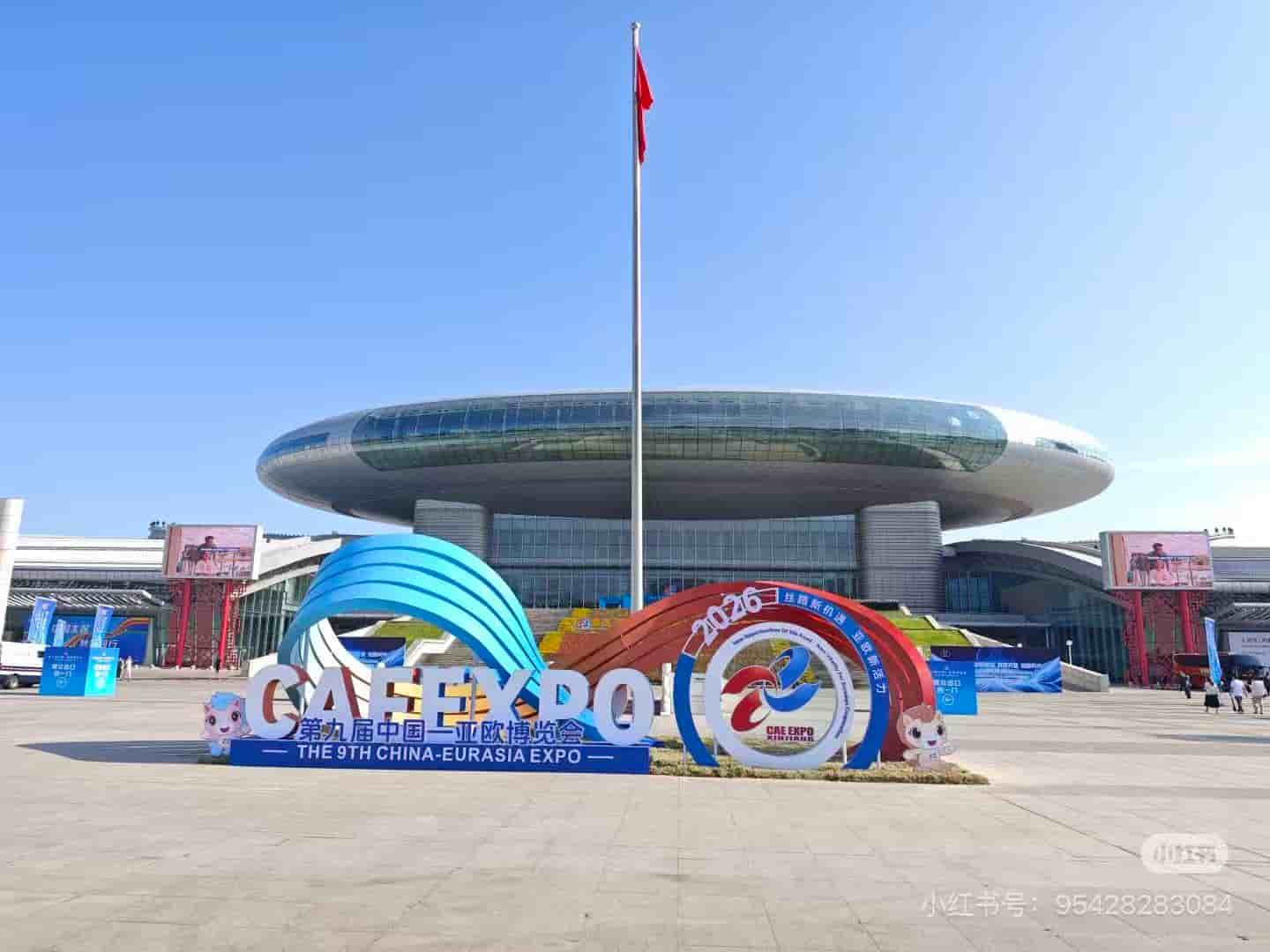
Economically and socially, the carpet industry has long been a vital livelihood sector for villages in oasis regions such as Lop County (Hotan), Kashgar and Yarkand. In ancient times, carpets were widely exported to Central and West Asia, stimulating commercial prosperity along trade routes. In modern society, the handmade carpet industry boosts rural revitalization. Intangible cultural heritage workshops offer local residents nearby employment opportunities and raise farmers' incomes. With the integration of culture and tourism, craftsmen create innovative cultural and creative goods and artistic tapestries. Handmade carpets are regularly exhibited at events such as the China-Eurasia Expo, acting as an important medium to showcase Xinjiang ethnic handicrafts and promote outstanding traditional Chinese culture, fulfilling the mission of cultural communication.
现阶段,这项非遗延续家族世代传承、师徒口传心授两种传统传承模式。在政策扶持下,地方政府依托法定保护单位、非遗传习基地、乡村工坊建设,扶持各级代表性传承人,常态化开展技艺研学、公开展演、纹样整理保护等工作。但技艺活态传承仍然面临多重现实困境:手工八字栽绒打结工序繁复,制作周期漫长、劳动强度极大,当代年轻人学习意愿持续降低;工业化机织地毯生产成本低廉,持续挤压手工地毯市场空间;部分从业者为压缩工期,逐步放弃石榴皮、靛蓝等天然植物古法染色,传统完整工艺流程存在简化、流失风险。当前当地持续开展传统工艺影像建档、传承人扶持、自主品牌培育、纹样创新设计等多项保护举措,多措并举推动这项拥有两千年历史的传统技艺实现长久活态传承。
At present, the craft is mainly inherited through two traditional models: intergenerational family transmission and master-apprentice oral teaching. Supported by cultural policies, local governments build heritage bases and rural workshops relying on designated protection institutions, support official representative inheritors, and organize regular skill education, public demonstrations and pattern documentation. Nevertheless, living inheritance faces multiple difficulties. The traditional figure-eight pile knot technique requires complicated, time-consuming procedures and intensive labor, discouraging young learners. Low-cost machine-woven industrial carpets create fierce market competition. Many craftsmen simplify production procedures to shorten working hours, abandoning ancient natural plant dyeing with pomegranate peel and indigo, which brings risks of losing complete traditional craftsmanship. Local authorities carry out comprehensive protection work including archiving traditional techniques, supporting inheritors, cultivating independent brands and innovating pattern design, so as to realize sustainable living inheritance of this 2,000-year-old craft.
工艺特征Craft Characteristics
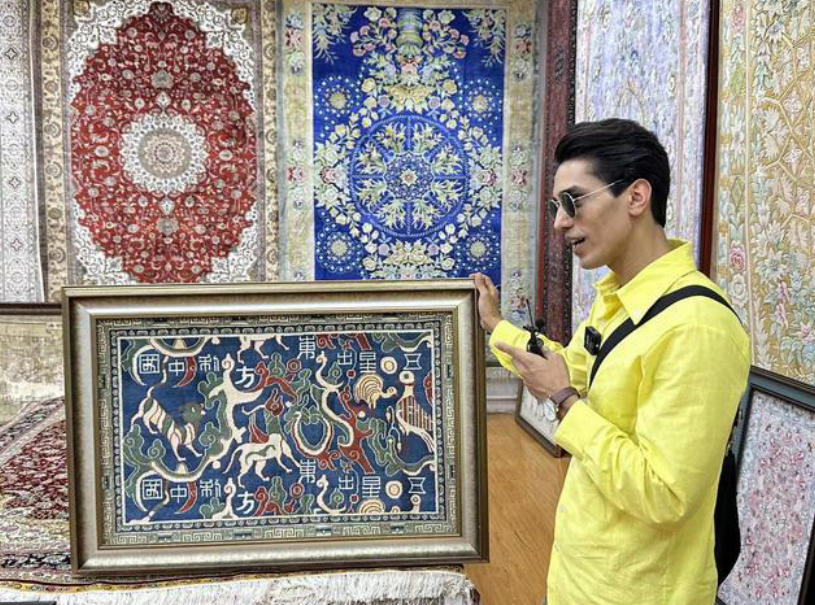
维吾尔族地毯织造技艺历经两千余年传承,形成区别于国内外其他织毯流派独一无二的完整工艺体系,从原料选择、染色方式、核心织造技法、纹样构图到后期修整,均具备鲜明地域与民族特征。
Having been inherited for more than 2,000 years, Uyghur carpet weaving craft has formed a complete technological system distinctive from other carpet weaving schools at home and abroad. It boasts prominent regional and ethnic features in raw material selection, dyeing methods, core weaving techniques, pattern composition and post-finishing treatment.
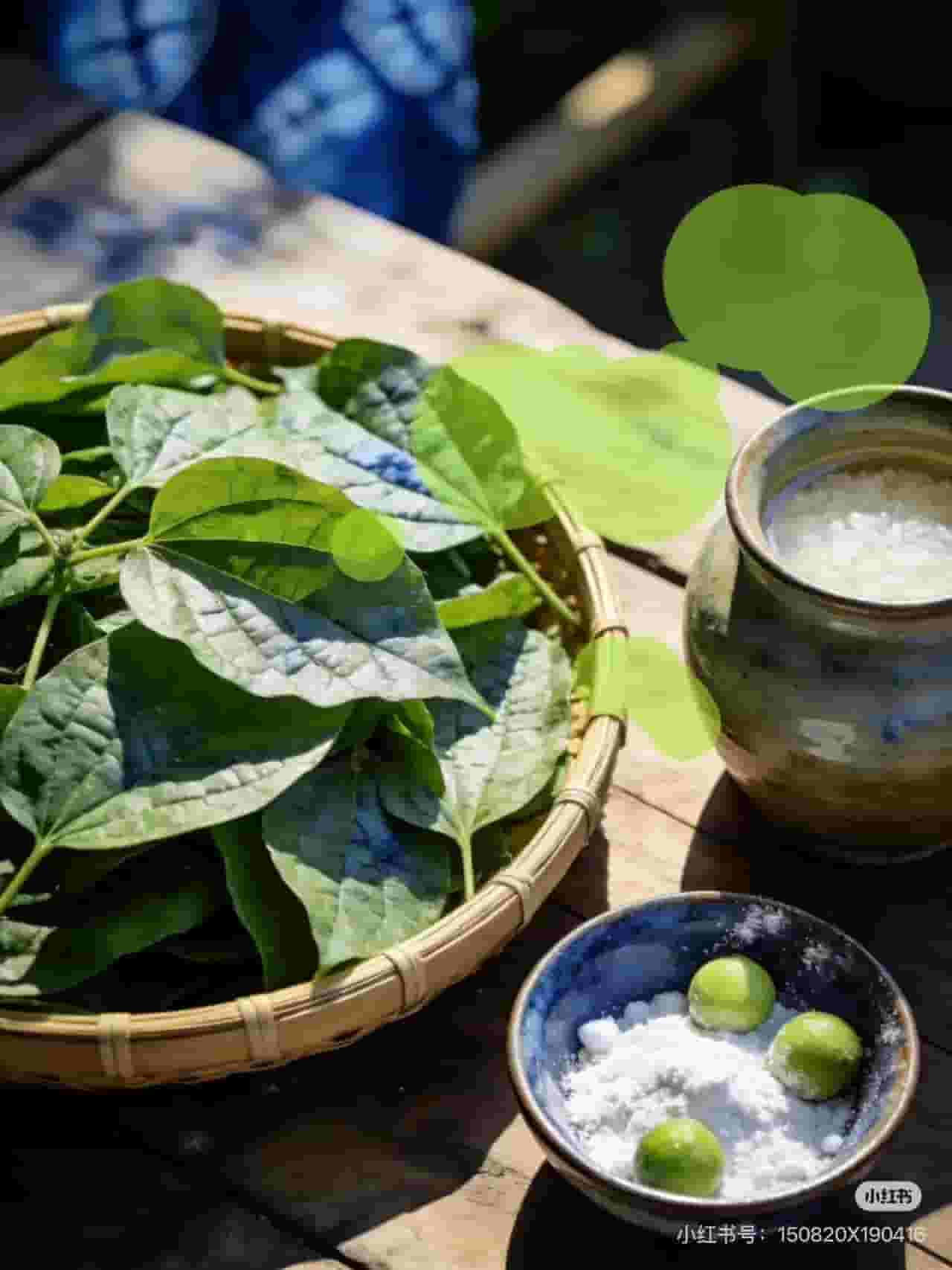
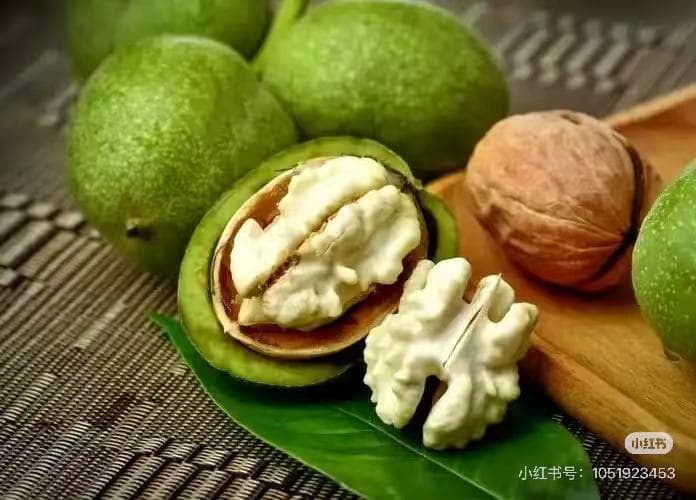
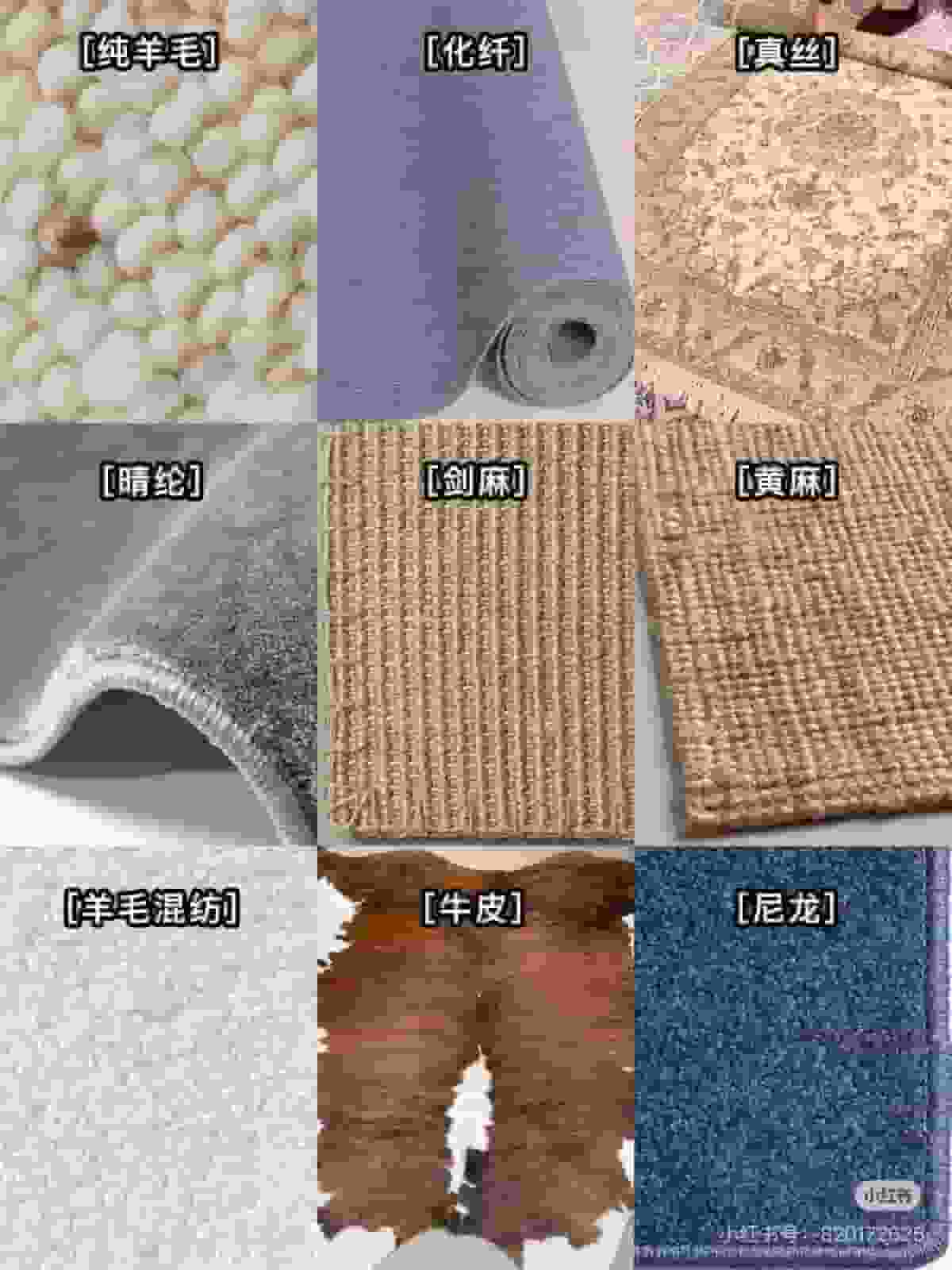
第一,原料选材本土化。传统织造优先选用南疆本地绵羊半粗羊毛,该羊毛纤维粗细适中、韧性强、弹性佳、耐磨防潮,适配栽绒打结工艺;匠人会区分羊毛等级,挑选冬季羊毛作为主料,剔除过细绒毛与粗硬杂毛。古法不混用化纤原料,部分高端地毯会少量掺入桑蚕丝提升光泽。第二,采用天然植物染料,坚持先染纱、后织造。匠人就地取材,利用石榴皮、核桃外皮、靛蓝草、茜草、红柳根等天然植物萃取色料,依靠草木本身色素上色。天然染料色调柔和沉稳,历经长时间光照不易剧烈褪色,色彩温润协调;与现代化工染料鲜艳刺眼的效果形成明显区分。染色工序多次浸染、自然阴干,拒绝高温速染,保障色纱品质。
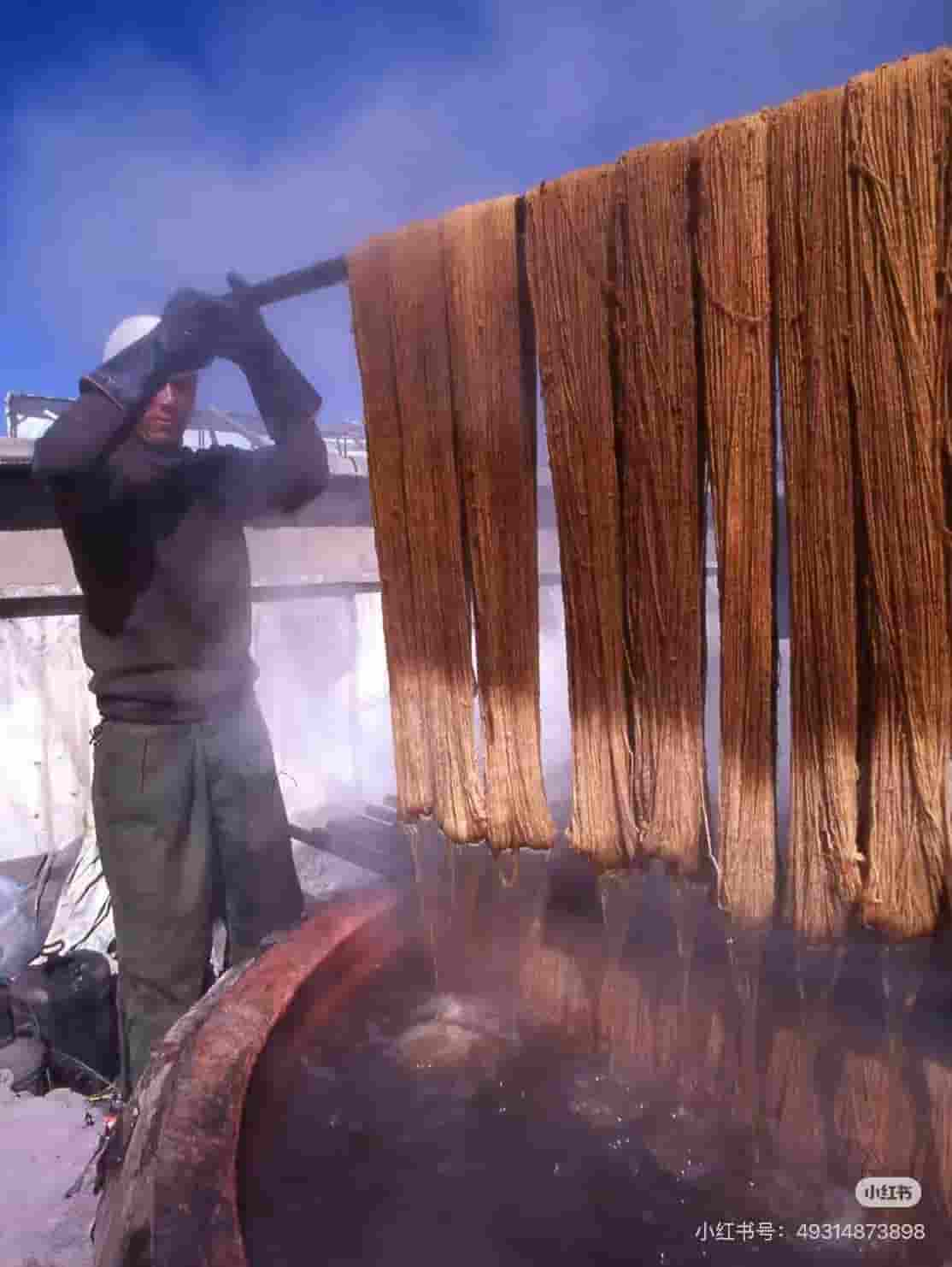
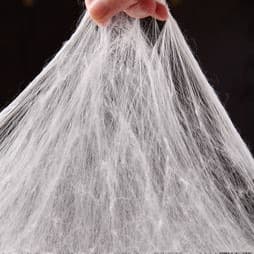
Firstly, raw materials are selected from local sources. Traditional carpets mainly adopt semi-coarse wool of local sheep in southern Xinjiang. The wool fiber features moderate thickness, strong toughness, good elasticity, wear resistance and moisture proof, which perfectly suits knotted pile weaving. Craftsmen classify wool by quality and choose winter wool as primary material while removing ultra-fine fluff and stiff coarse hair. No chemical fiber is used in ancient techniques, and a small amount of mulberry silk may be added to high-grade carpets to enhance luster. Secondly, natural plant dyes are adopted, and yarns are dyed before weaving. Craftsmen extract pigments from local materials including pomegranate peel, walnut husk, indigo, madder and tamarisk root. Natural dyes deliver mild and steady tones, which resist severe discoloration under long-term sunlight, differing sharply from gaudy chemical dyes. Yarns are dipped repeatedly and air-dried naturally instead of high-speed hot dyeing to guarantee quality.
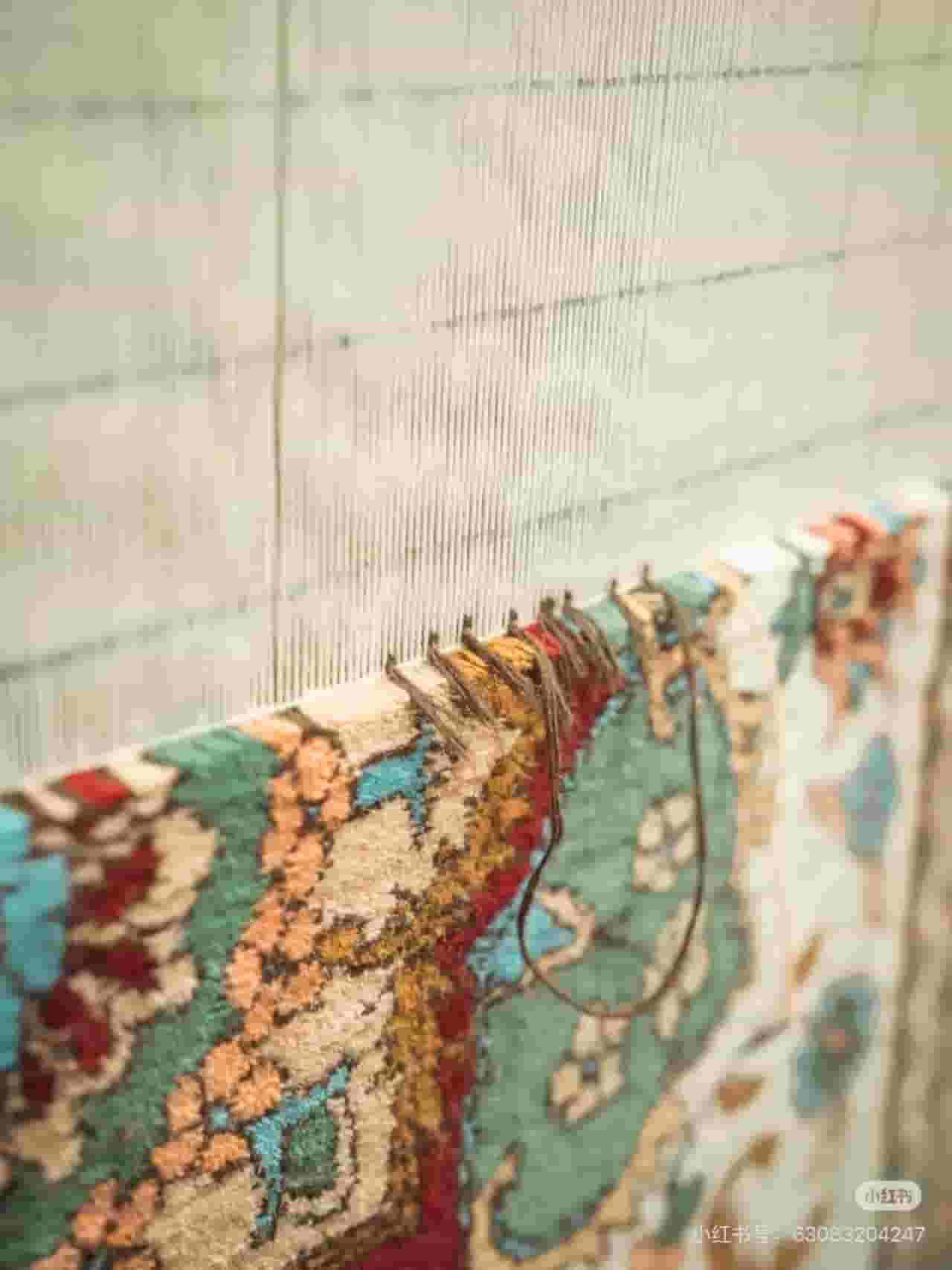
第三,核心工艺为八字栽绒结(森纳结),是该项技艺最标志性特征。工匠在横向纬线之间,将彩色毛线以八字形牢牢捆缚在经线上,每打一个绳结使用剪刀剪断纱线形成独立绒头。该技法最大优势:单个绒头相互独立,地毯局部磨损、破损不会发生大面积脱线,成品结实耐用。不同于波斯结等其他织毯结法,和田体系的八字结打结密度均匀,毯面平整厚实。第四,纹样构图自成体系,拥有成熟的传统符号谱系。地毯构图大多采用中心主纹+边框分层布局,讲究对称均衡。经典纹样包含巴旦木花、羊角纹、石榴纹、藤蔓、几何纹、花卉纹。纹样融合绿洲自然风貌、维吾尔民俗文化,同时吸纳丝绸之路沿线多元艺术元素,画面饱满繁复、色彩对比浓烈,具备强烈视觉辨识度。纹样依靠匠人经验徒手放样,早期不使用精确图纸,依靠口传心授传承图案范式。
Thirdly, the core technique is the figure-eight pile knot (Senna knot), the most iconic feature of this craft. Between horizontal weft threads, craftsmen fasten coloured yarns onto warp threads in a figure-eight shape and cut yarn to form independent pile tufts. The merit of this technique is that each pile tuft stands separately; partial abrasion will not lead to large-scale loose threads, making carpets extremely durable. Distinct from other knot types such as Persian knot, the figure-eight knot of Hotan school ensures uniform knot density and smooth pile surface. Fourthly, it features a unique pattern composition system and mature symbolic vocabulary. Most carpets adopt the layout of central motif surrounded by multi-layered borders with symmetrical balance. Classic patterns cover badam flower, goat horn, pomegranate, vines, geometric and floral motifs. These patterns integrate oasis landscapes and Uyghur folk culture, while absorbing diverse artistic elements along the Silk Road. Pictures are rich and complicated with striking color contrast. In early times, craftsmen laid out patterns relying on experience without precise drawings, and pattern styles were passed down orally.
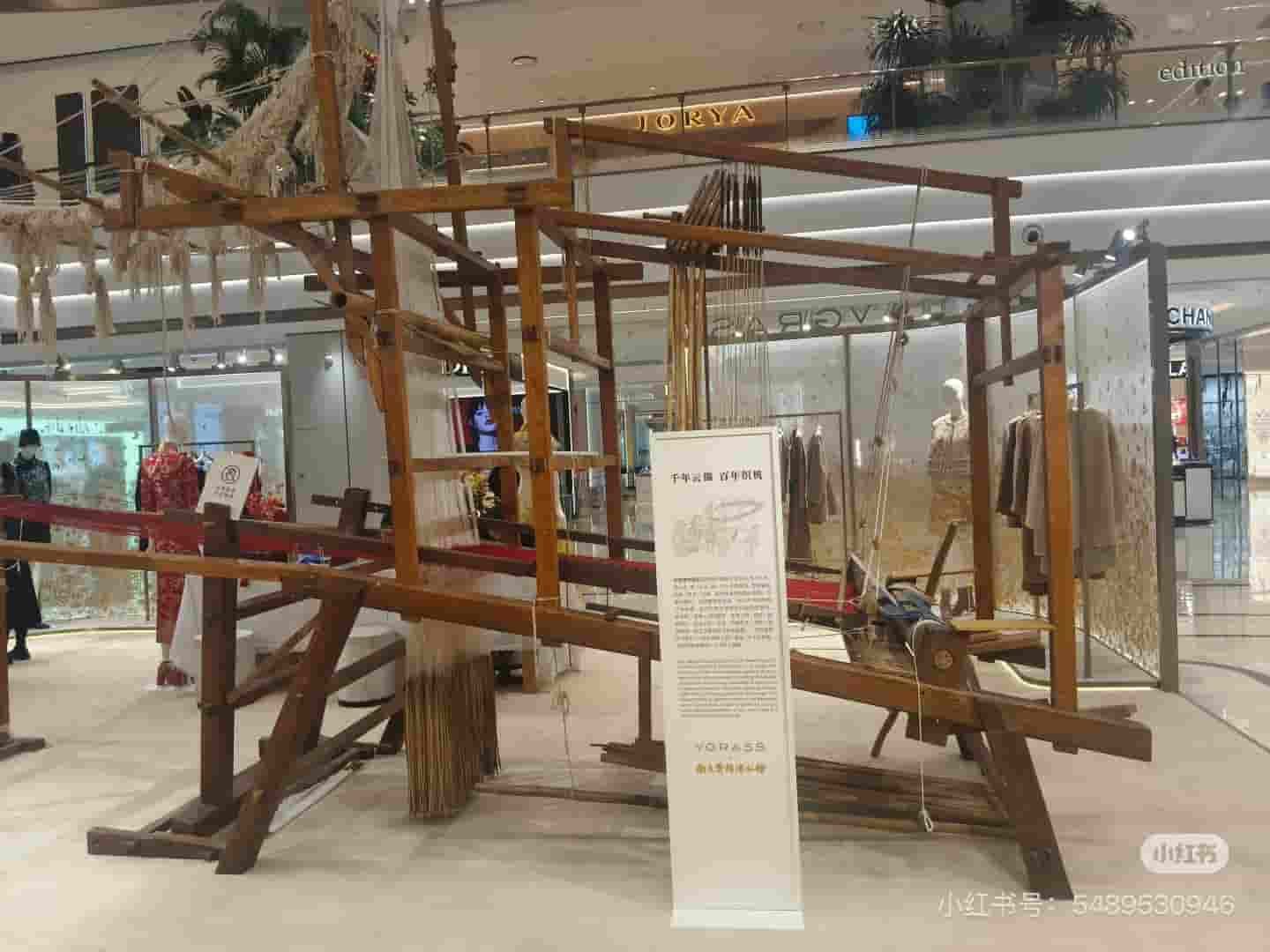
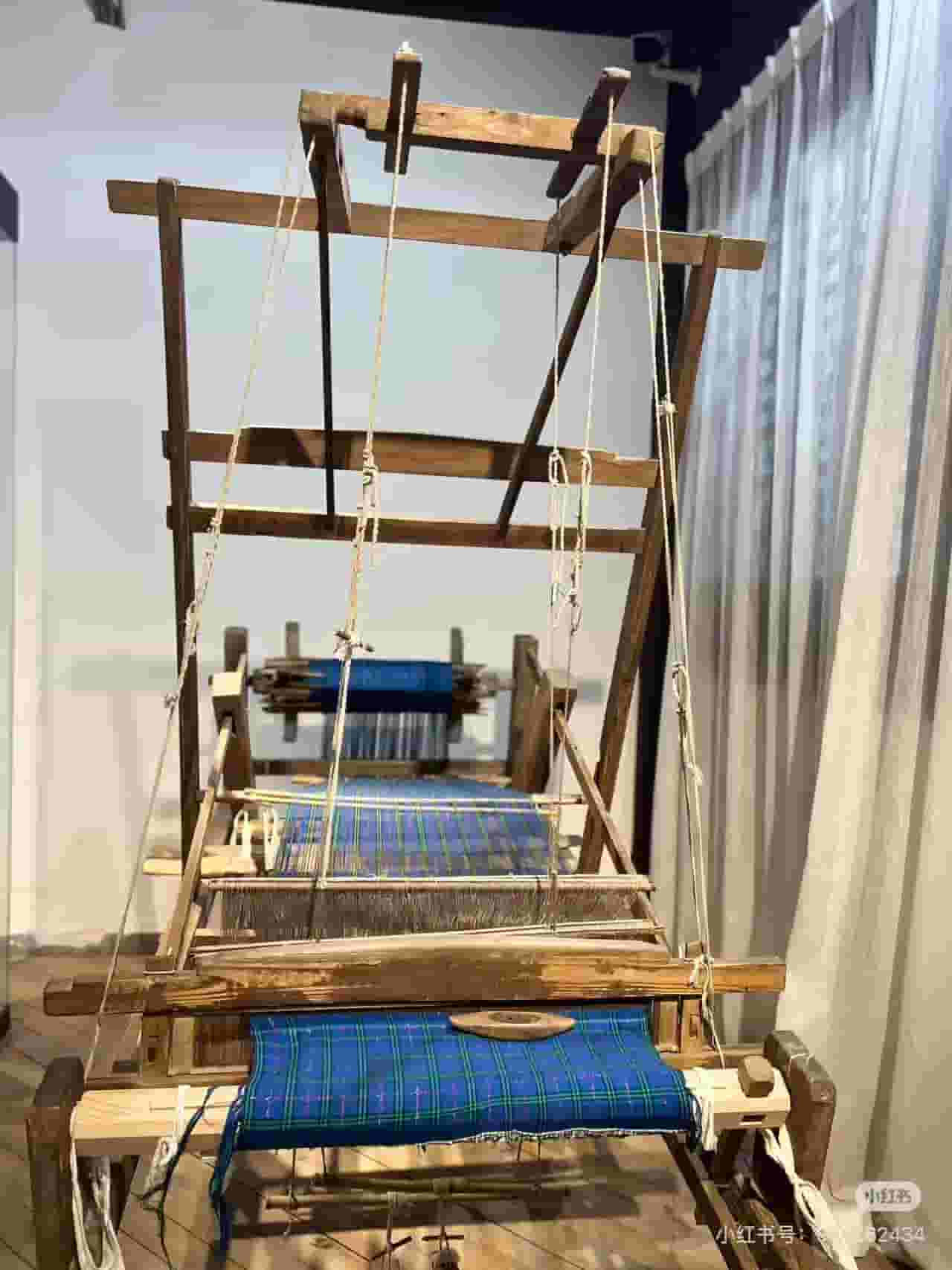
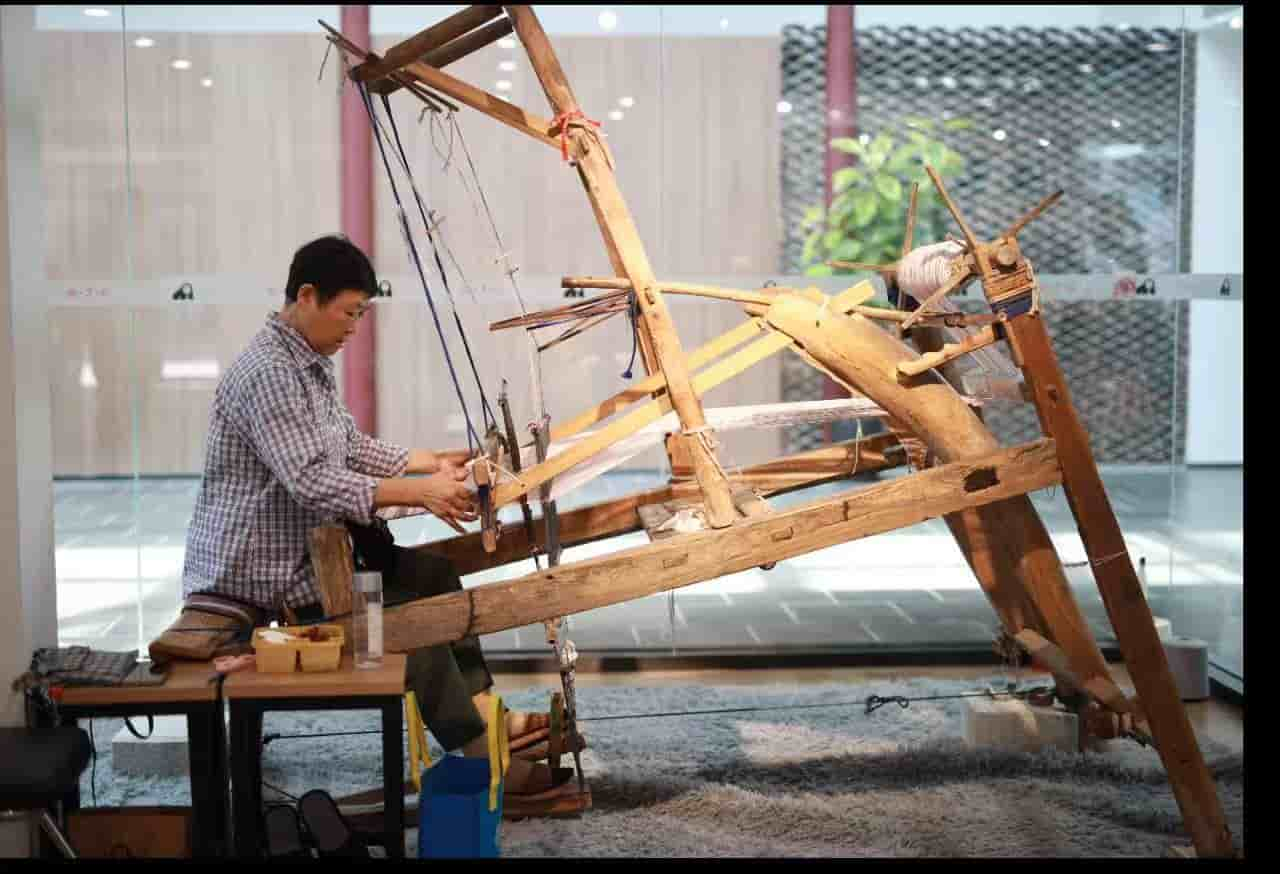
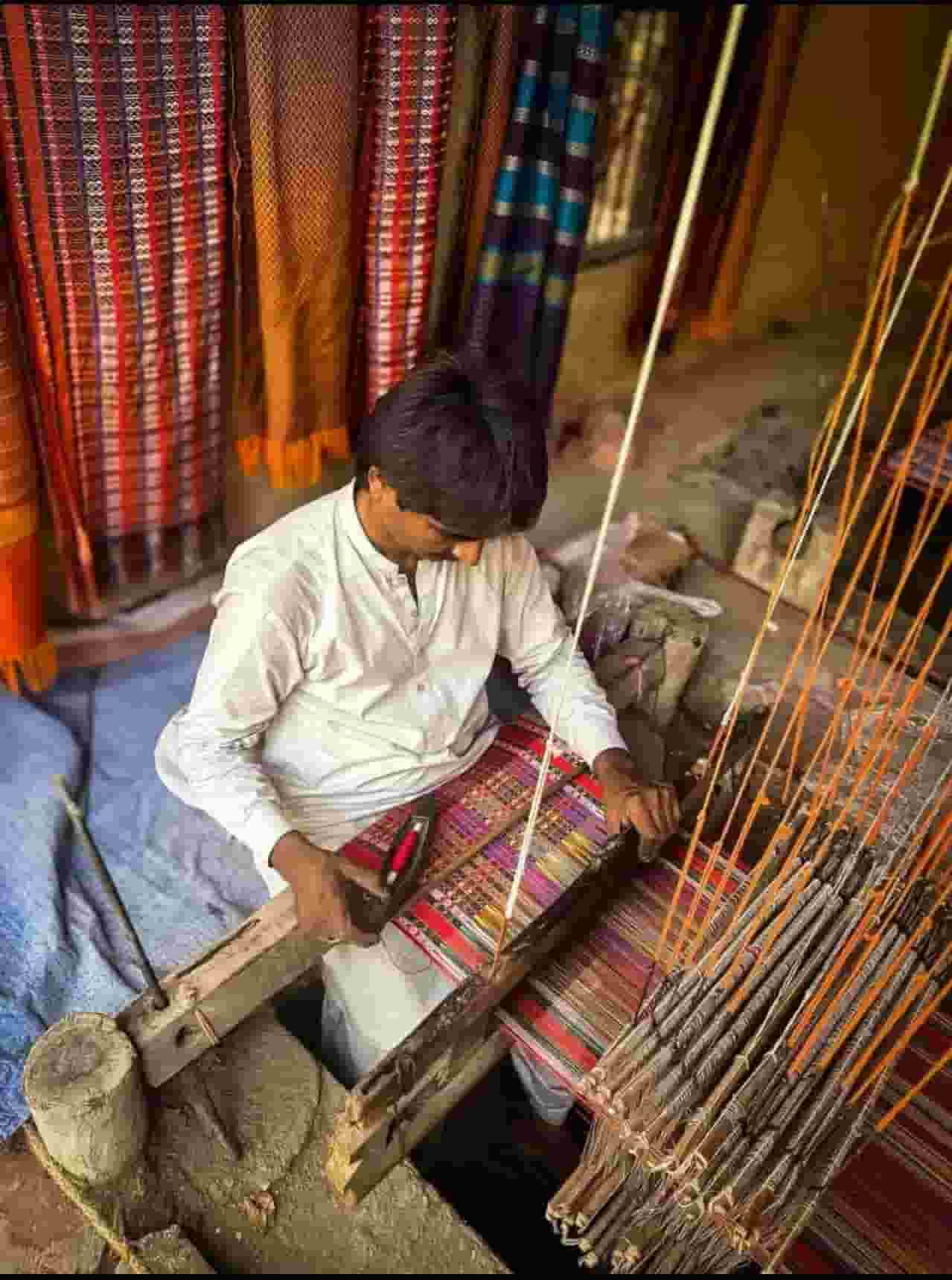
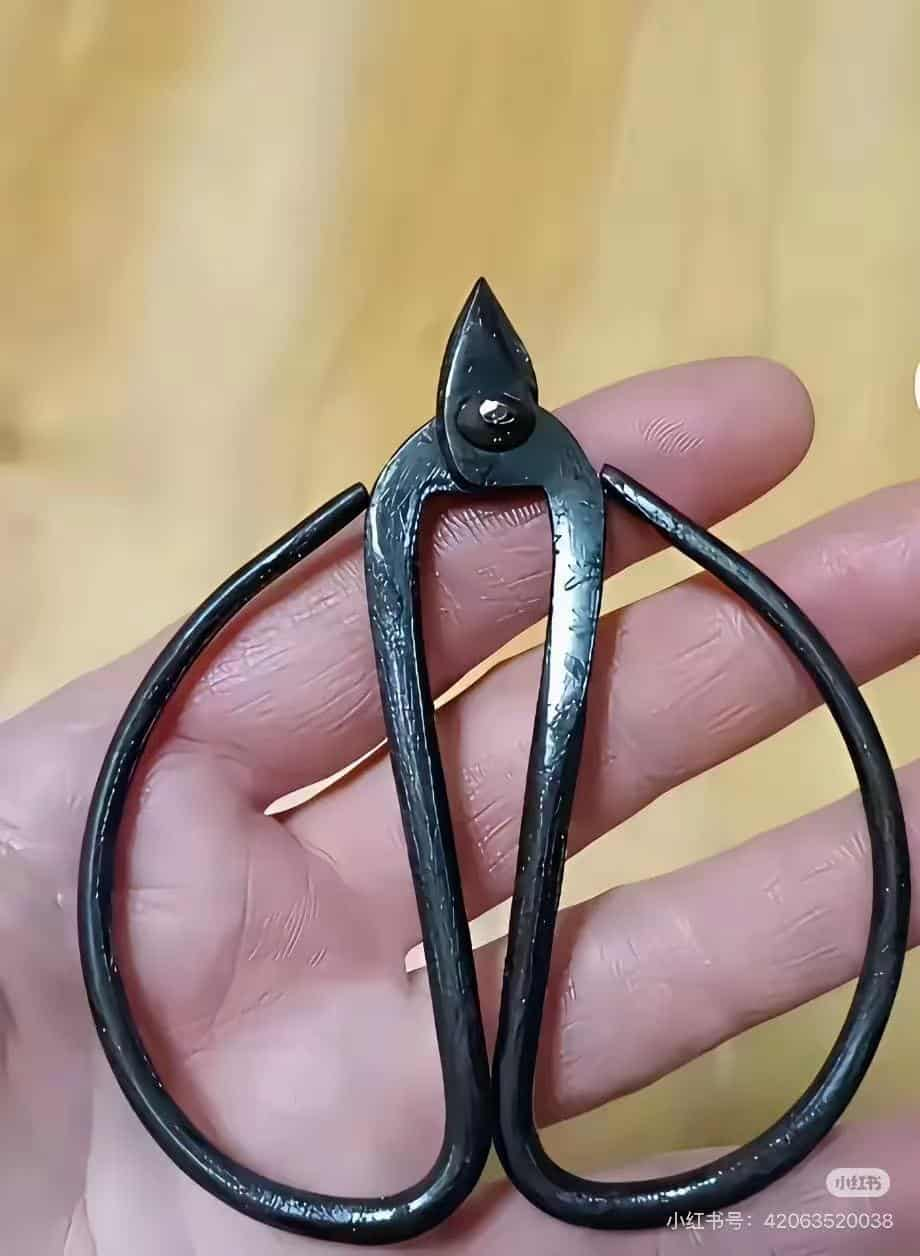
第五,全流程手工化,工序链条完整。整套工艺包含羊毛分拣、洗毛、梳毛、纺纱、染纱、上机整经、纹样放样、手工打结栽绒、剪绒平整、水洗、晾晒、修整等十余道纯手工工序,全程依靠木制传统织机织造。织机为立式木架结构,匠人需要长时间蹲坐编织,制作一块标准尺寸地毯往往耗费数月工时。第六,后期修整工艺考究。织造完成后,匠人使用专用剪刀手工修剪绒面,调整绒头高度,使毯面平整均匀;随后清水反复冲洗去除浮色与杂质,自然风干,最后手工修整瑕疵。整套工序不依靠机械加工,依靠工匠经验把控成品质感。
Fifthly, the whole production relies on manual work with complete working procedures. The whole process covers wool sorting, washing, carding, spinning, yarn dyeing, warping, pattern marking, hand-knot pile weaving, pile trimming, washing, air-drying and finishing. All work is finished on traditional vertical wooden looms. Craftsmen need to work for months to complete a standard-sized carpet. Sixthly, elaborate post-finishing is required. After weaving, workers trim piles manually to unify pile height and smooth the surface. Carpets are repeatedly rinsed to remove loose pigment, air-dried and manually checked to fix defects. No machinery is applied, and the final texture depends entirely on craftsmen's experience.
工艺流程详解Detailed Craft Process
维吾尔族传统手工栽绒地毯整套工序遵循先备料、染纱,后上机织造、后期整修的核心顺序,属于典型"先染后织"工艺体系,全套包含十余道连续手工工序,全程依托传统立式木织机完成,不依赖现代工业设备。匠人首先对南疆本地羊毛进行筛选,剔除杂质、粗毛,经过清洗去除油脂尘土;随后利用纺车将羊毛纺成单股毛纱,再进行并捻,提升纱线牢固度。毛纱制作完成后开展染色工作,使用石榴皮、茜草、靛蓝、核桃皮等天然植物染料多次浸染,染色后的色纱避光自然阴干,再卷绕至纱筒备用。准备工作完成后开始上机操作:在立式织机上完成整经,均匀排布全部经线;依据传统图案在经线上标记纹样点位,不依靠打印图纸;完成穿综、引筘工序,固定织造框架。编织阶段为整套工艺核心,工匠横向往复,使用八字栽绒结(森纳结)将彩色毛线拴结于经线之上,每完成一组绳结剪断纱线形成独立绒头,自上而下逐层编织整块地毯。织造完工后将地毯从织机卸下,工匠使用专用剪刀手工修剪全部绒头,统一高度,使毯面平整匀称;随后放入水中反复冲洗,洗去浮色与织造残留杂质;放置阴凉处自然风干,最终人工检查毯面,修补瑕疵、清理边缘,得到成品手工地毯。
The production of traditional handmade Uyghur knotted pile carpets follows the core sequence: raw material preparation and yarn dyeing first, followed by loom weaving and post-finishing treatment. It adopts the typical "dye before weaving" system. The complete craft consists of more than ten successive manual procedures, all conducted on traditional vertical wooden looms without modern industrial machinery. Craftsmen first sort local southern Xinjiang wool, removing impurities and coarse fibres, then wash the wool to eliminate grease and dust. Afterwards, single wool yarn is spun on hand spinning wheels and twisted into plied yarn for enhanced durability. The finished yarns are dyed repeatedly with natural plant materials including pomegranate peel, madder, indigo and walnut husk. Dyed yarns are air-dried away from direct sunlight and wound onto yarn bobbins for later use. When raw material preparation finishes, weaving operations begin. Warp threads are arranged evenly on the vertical loom. Craftsmen mark pattern positions on warp threads according to inherited traditional motifs without printed drawings, followed by healding and reeding to stabilize the weaving frame. Weaving constitutes the core procedure of the whole craft. Moving horizontally, artisans fasten coloured yarns onto warp threads by tying figure-eight pile knots (Senna knots). Each knot is cut to form independent pile tufts, and the carpet is woven layer by layer from top to bottom. Once weaving is finished, the carpet is taken off the loom. Craftsmen trim all pile tufts manually with special scissors to unify pile height and smooth the carpet surface. Then the carpet is repeatedly rinsed to wash off loose pigment and residual dirt from production. It is dried naturally in cool shade. Finally, workers examine the carpet by hand, repairing defects and tidying edges to obtain the finished handmade carpet.
原料分拣洗毛 Wool Sorting and Washing
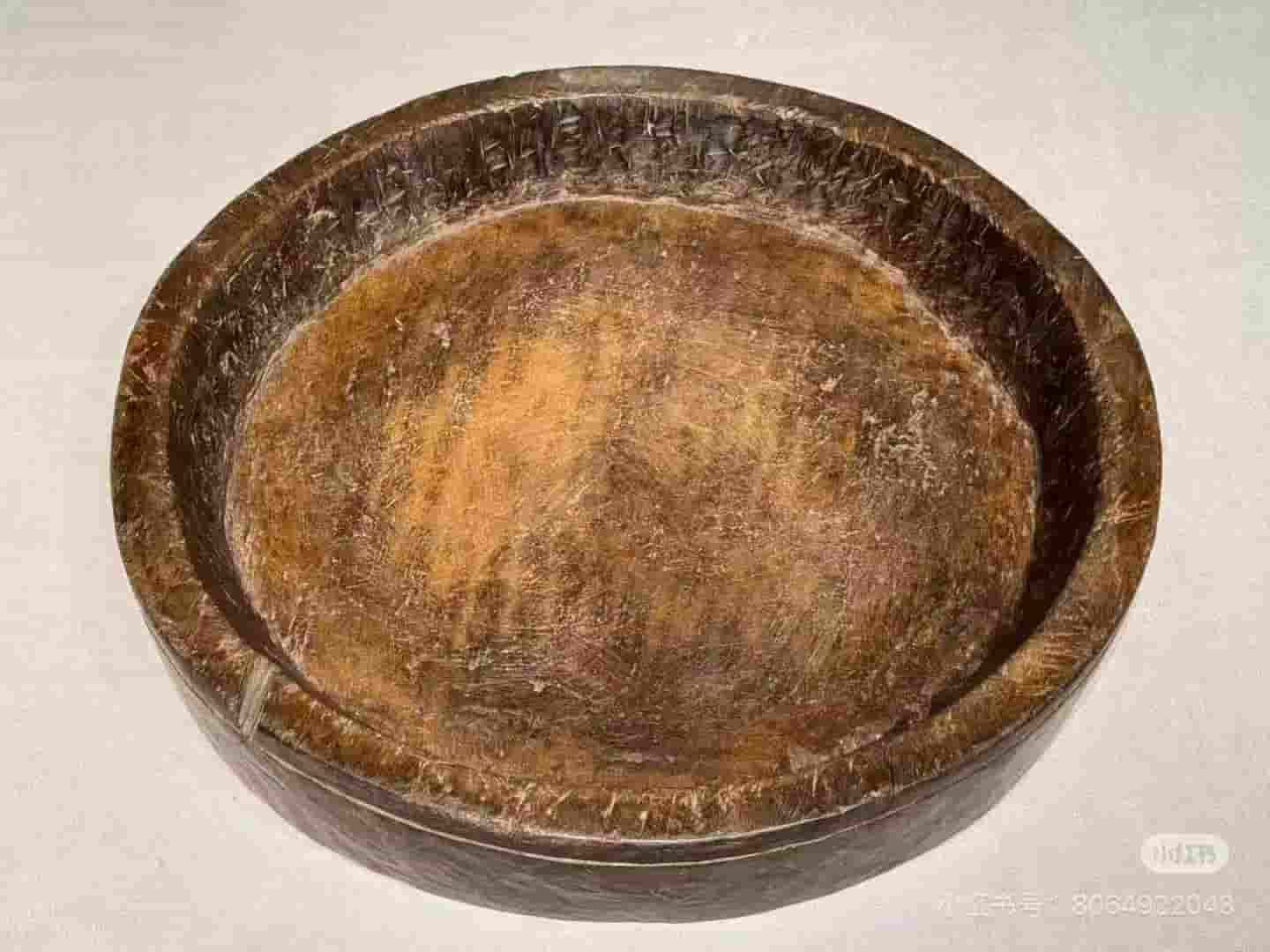
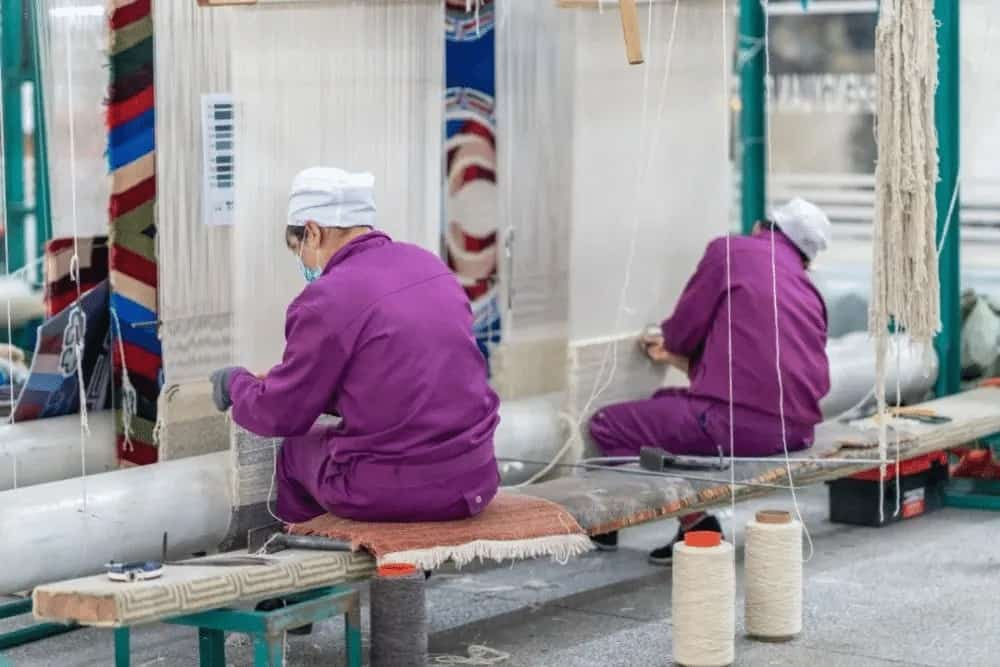
原料分拣洗毛是整套织造流程最初的原料预处理工序。匠人选取南疆本地和田绵羊冬季产出的半粗羊毛作为核心原料,人工摊开羊毛进行分级筛选,剔除沙土、枯草、霉变结块、粗硬杂毛等不合格原料。筛选完成后将优质羊毛放入清水中充分浸泡,反复揉洗,多次换水冲刷,去除羊毛内部天然油脂、尘土杂质。该工序对水温有着严格要求,全程不能使用热水,避免羊毛遇高温收缩毡化;清洗完毕的羊毛放置在阴凉通风处缓慢风干,严禁阳光暴晒,最大程度保留羊毛纤维的弹性与韧性,为后续纺纱打下基础。工序所需材料为本地半粗羊毛与清水,主要工具包含木盆、竹筐与搅拌木棍。
Wool sorting and washing is the initial raw material pretreatment procedure of the whole weaving process. Craftsmen select semi-coarse wool from local Hotan sheep in southern Xinjiang sheared in winter as the primary raw material. Wool is spread out manually for grading and screening, removing unqualified materials such as sand, hay, mildewed clumps and stiff coarse wool. After screening, high-quality wool is fully soaked in clean water, kneaded repeatedly and rinsed with fresh water many times to get rid of natural grease, dust and impurities inside wool fibers. Strict temperature control is required during the procedure. Hot water is forbidden to prevent wool felting and shrinkage under high temperature. Cleaned wool is air-dried slowly in cool and ventilated areas rather than exposed to direct sunlight, so as to preserve the elasticity and toughness of wool fibers and lay a solid foundation for subsequent spinning. Raw materials needed are local semi-coarse wool and clean water, and main tools include wooden basins, bamboo baskets and wooden stirring sticks.
梳毛纺纱 Wool Carding and Spinning
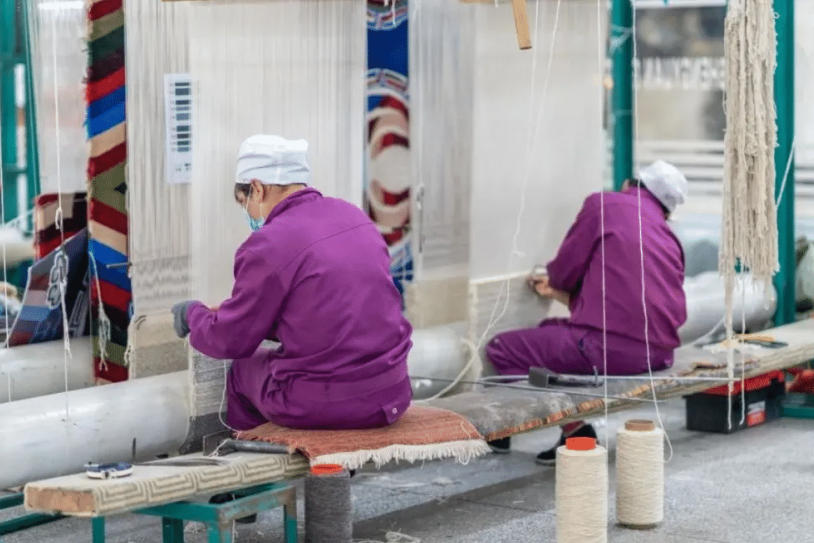
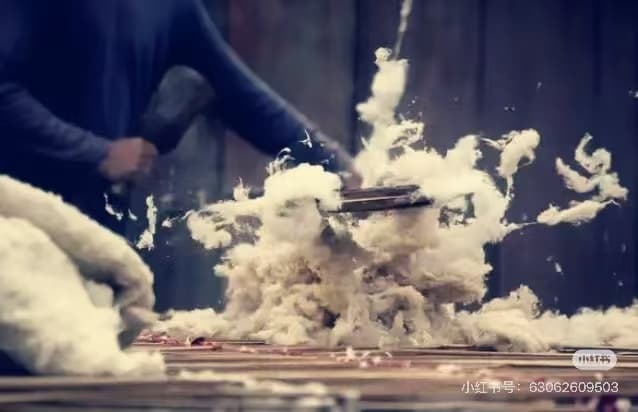
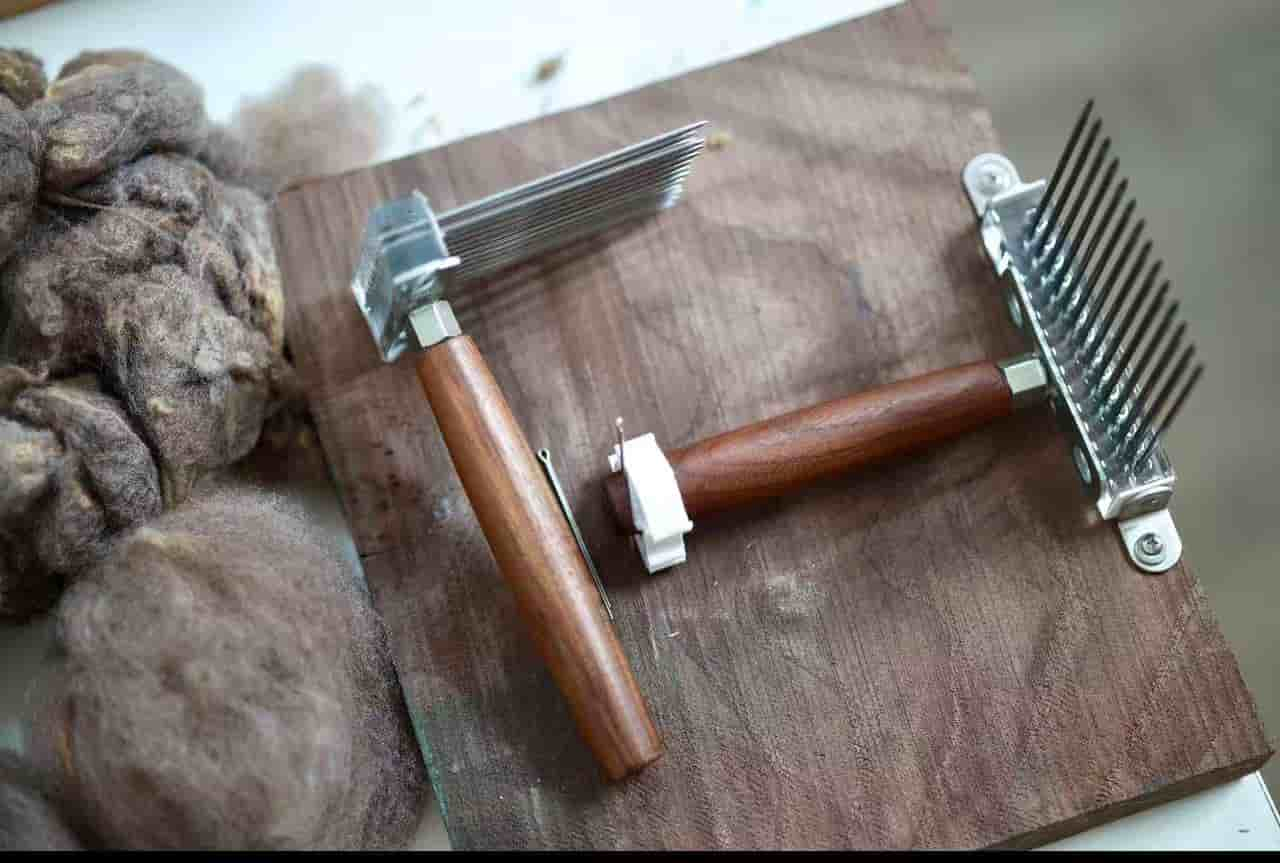
梳毛纺纱负责将干燥后的散羊毛梳理理顺,加工为粗细均匀的单股毛纱。匠人使用传统毛梳不断撕扯、拍打羊毛团,打散纠缠结块的纤维,使杂乱的羊毛纤维走向趋于平行松散。梳理达标之后,依靠木质手工纺车持续牵引、扭转纤维,逐步捻制成连续的单股毛线。整个过程依靠匠人手感把控力度,梳理动作轻重均衡,防止纤维大量断裂;纺纱时持续统一纱线粗细标准,一旦纱线条干粗细波动过大,后续栽绒阶段会造成毯面绒头高低不一,影响成品平整程度。工序使用经过清洗干燥的羊毛,核心工具为手工毛梳、传统木质纺车。
Wool carding and spinning turns dried loose wool into continuous single-strand wool yarn with uniform thickness. Craftsmen constantly tear and beat wool clumps with traditional wool combs to untangle intertwined fibers and arrange messy wool fibers into parallel loose condition. After adequate carding, fibers are continuously pulled and twisted on a wooden hand spinning wheel to form continuous single-strand yarn. Craftsmen control strength by tactile sense throughout the process with steady carding force to avoid massive fiber breakage. Uniform thickness standard must be maintained during spinning. Uneven yarn will lead to inconsistent pile height on carpet surface in the subsequent pile-knotting process and damage the flatness of finished works. The material adopted is washed and dried wool, and primary tools include hand wool combs and traditional wooden spinning wheels.
捻线合股 Yarn Twisting and Plying
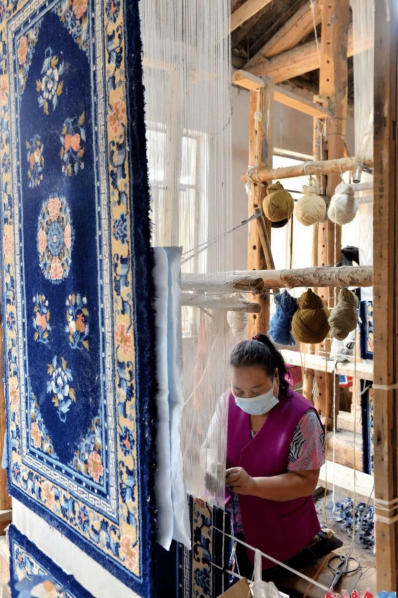
捻线合股是强化纱线物理强度的关键工序,匠人选取两根至三根品质一致的单股毛纱合并,施加反向捻度制成合股毛线。单股毛线结构松散,直接编织极易断裂,经过合股加捻之后,纱线抗拉能力、耐磨性能显著提升。匠人依托纺车与纱线支架固定纱线,匀速牵引完成捻合,同时区分底布经纬纱与彩色绒纱分开制作,满足织造不同结构部位的用料需求。技术诀窍在于把控合适捻度:捻度过高毛线僵硬缺少弹性,捻度过低纱线容易松散脱股,只有适度加捻才能兼顾柔软度与牢固度。工序原材料为单股羊毛纱,工具包含木质纺车、纱线支撑架。
Yarn twisting and plying is a vital procedure to enhance the physical strength of yarn. Craftsmen combine two to three single-strand wool yarns of consistent quality and twist them reversely to produce plied wool yarn. Single-strand yarn features loose structure and tends to break easily in direct weaving, while plying and twisting greatly improve tensile resistance and wear resistance. Craftsmen fix yarns with spinning wheels and yarn brackets and finish twisting at a steady speed. Warp and weft yarns for carpet base and colourful pile yarns are manufactured separately to satisfy material demands for different weaving parts. The core skill lies in appropriate twist intensity. Excessively twisted yarn will become rigid and lose elasticity, while insufficient twist causes loose strands. Moderate twisting balances softness and durability. Raw material is single-strand wool yarn, and tools are wooden spinning wheels and yarn brackets.
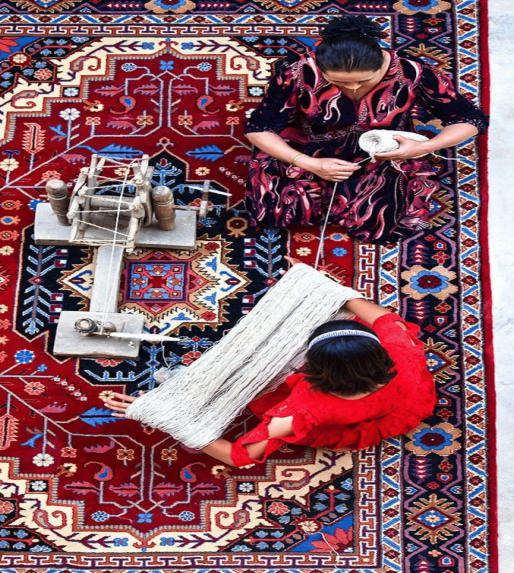
天然植物染色 Natural Plant Dyeing
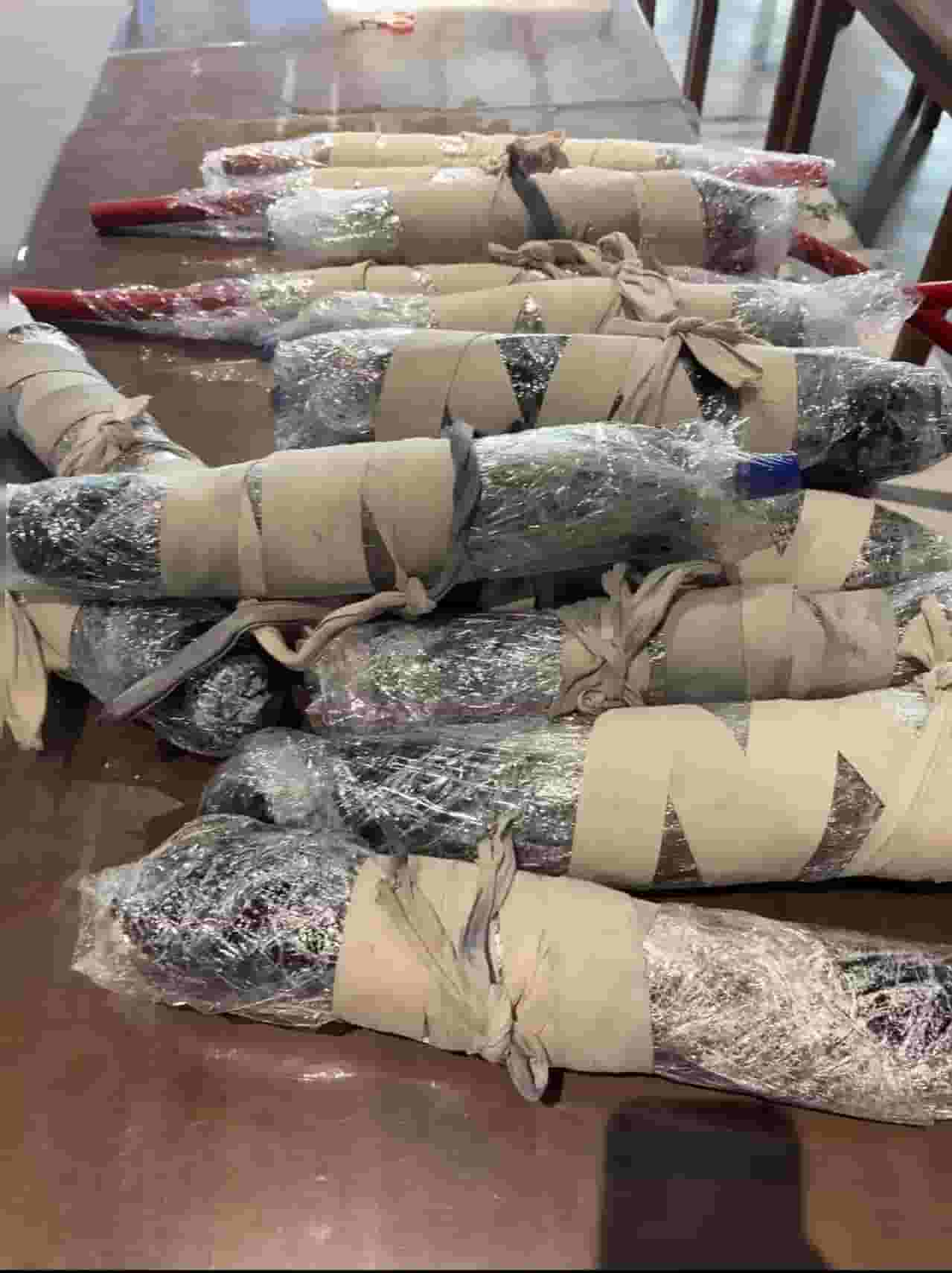
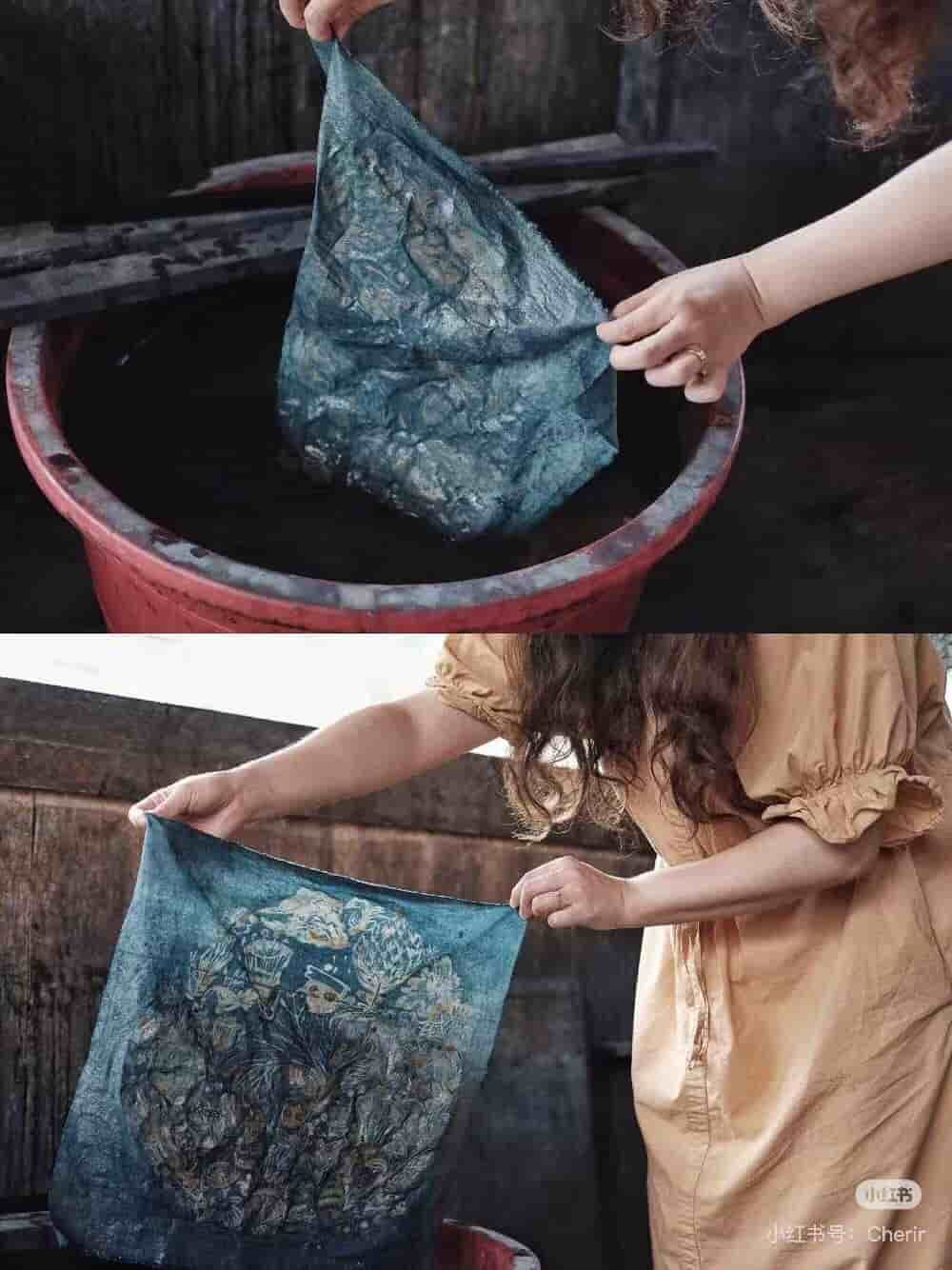
天然植物染色是维吾尔族地毯"先染后织"古法工艺的核心环节。匠人收集石榴外皮、核桃青皮、茜草根、靛蓝草、红柳根等本地天然植物原料,加水长时间熬煮萃取天然色素形成染液。合股羊毛纱分批浸入染锅之中反复多次浸染,依靠草木天然色素上色,多次浸色能够提升色彩附着稳定度。染色结束后的纱线避光自然阴干,拒绝快速高温烘干。天然植物染料色调温润柔和,长久光照之下不易急剧褪色,与现代化工染料艳丽单薄的视觉效果形成明显区分。匠人根据图案配色需求调配多种色号染纱,为纹样编织储备各色绒线。工序材料包含合股毛纱、各类天然染色植物、清水;工具为陶制染锅、捞纱木棍。
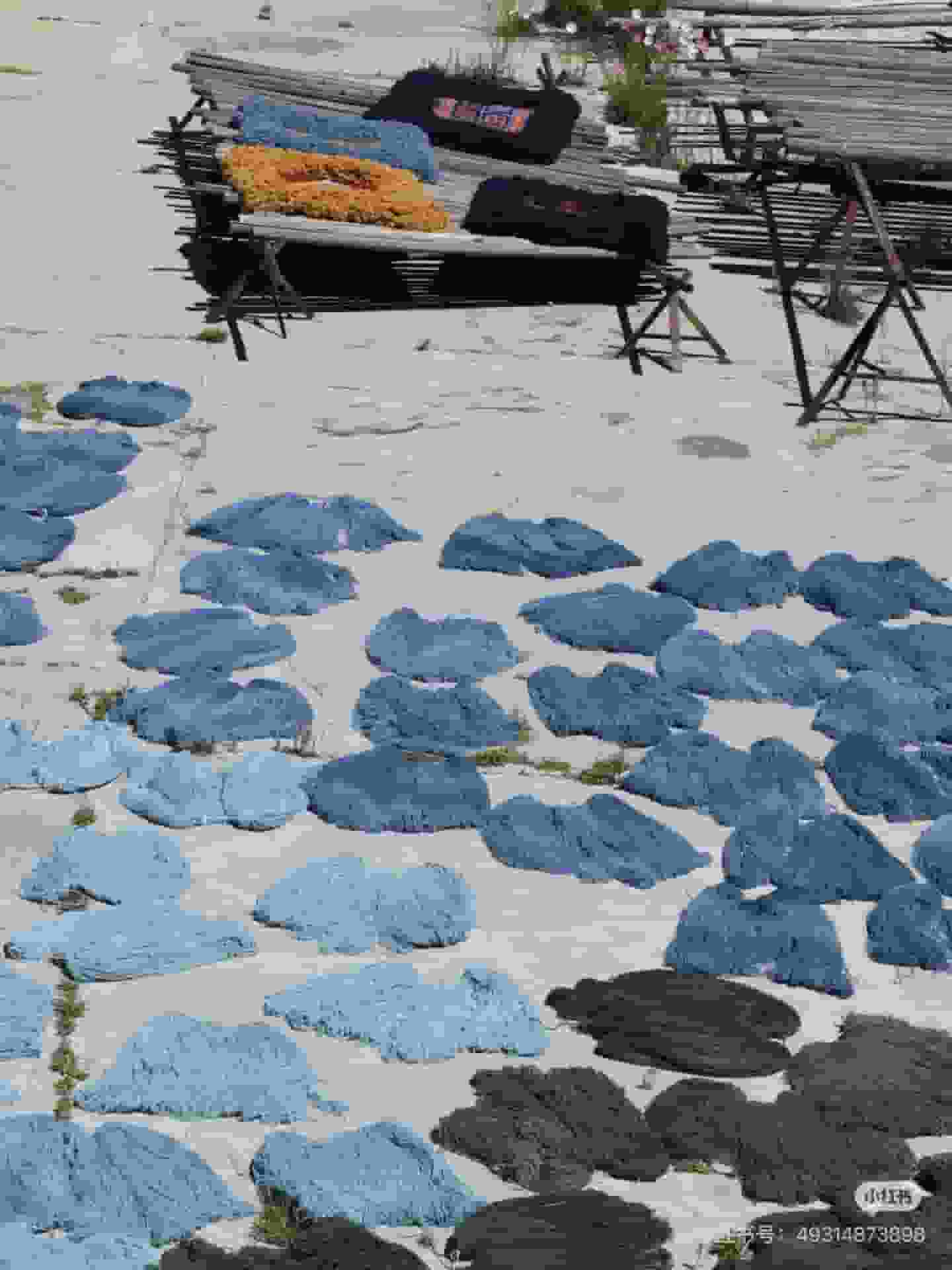
Natural plant dyeing constitutes the core of the ancient "dye first, weave later" technique of Uyghur carpets. Craftsmen collect local natural plant materials including pomegranate peel, green walnut husk, madder root, indigo and tamarisk root. Raw materials are boiled in water for a long time to extract natural pigments and prepare dye liquid. Plied wool yarns are soaked in dye pots in batches for repeated dipping to strengthen colour adhesion. Dyed yarns are air-dried in shade without high-temperature rapid drying. Natural plant pigments create mild and steady hues that resist severe discoloration under long-term sunlight, which is distinctly different from gaudy and thin colours of synthetic chemical dyes. Craftsmen prepare dyed yarns of various colours according to pattern collocation requirements to reserve pile yarns for weaving. Materials needed are plied wool yarn, natural plant materials for dyeing and clean water; tools are ceramic dye pots and wooden yarn scoops.
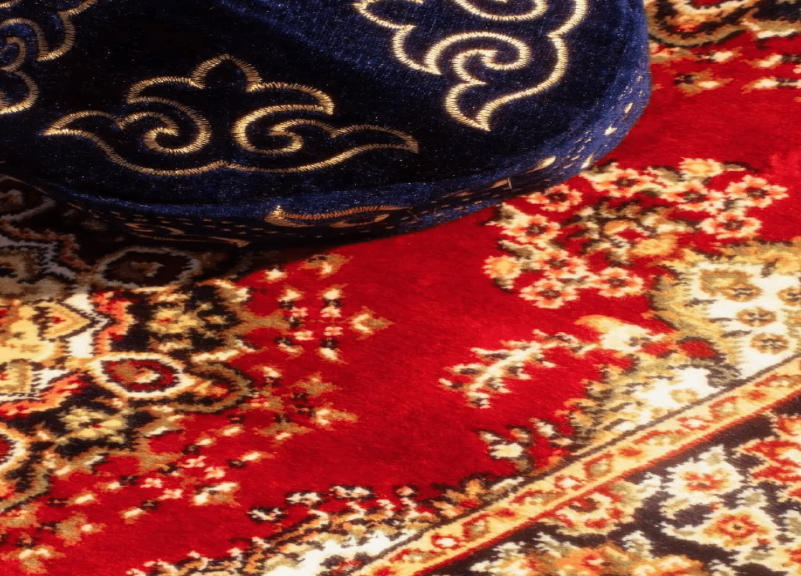
纱线晾晒卷筒 Yarn Air-drying and Winding
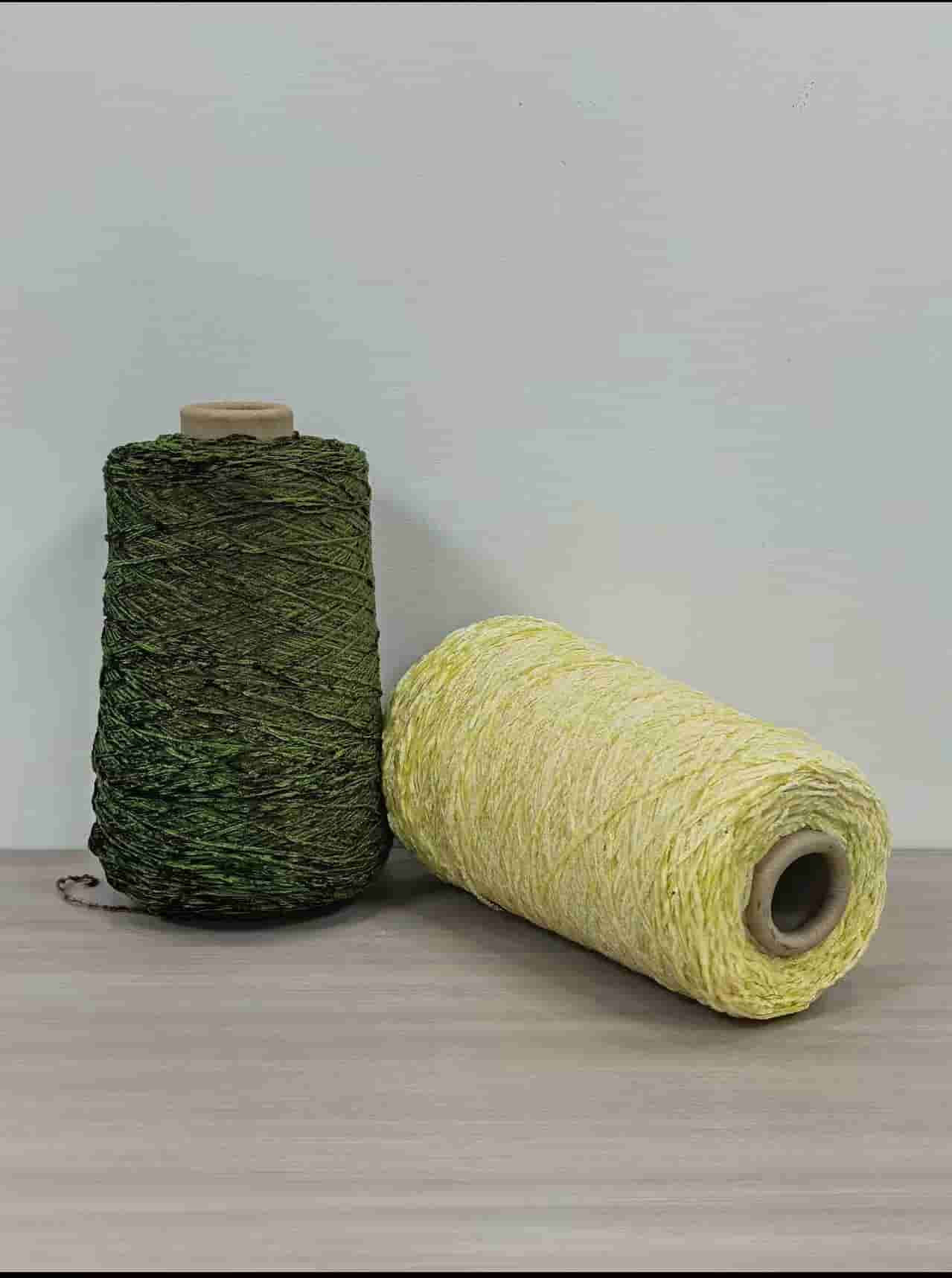
纱线晾晒卷筒承接染色工序,完成色纱整理收纳工作。经过浸染的彩色毛纱放置于阴凉通风位置缓慢阴干,全程避开阳光直射,防止色素分解变色;待纱线完全干透之后,匠人将各色纱线有序缠绕卷绕至纱筒之上,分类摆放,按照编织配色顺序分组收纳。这道工序便于织造阶段快速取用不同颜色毛线,避免各色纱线相互缠绕打结。收纳过程中需要轻拿轻放,防止摩擦造成纱线表面浮色脱落。工序材料为染色干燥后的羊毛色纱,工具包含木质纱筒、纱线收纳筐。
Yarn air-drying and winding follows the dyeing process for sorting and storage of coloured yarn. Dyed wool yarns are slowly air-dried in cool and ventilated areas away from direct sunlight to avoid pigment decomposition and colour change. Once thoroughly dried, craftsmen wind yarns of different colours onto wooden bobbins, classify and store them in groups according to weaving colour matching sequence. This procedure enables convenient access to various coloured yarns during weaving and prevents yarn tangling. Gentle handling is required during storage to avoid loss of loose surface pigment caused by friction. Raw material is dyed and dried coloured wool yarn, and tools include wooden yarn bobbins and storage baskets.
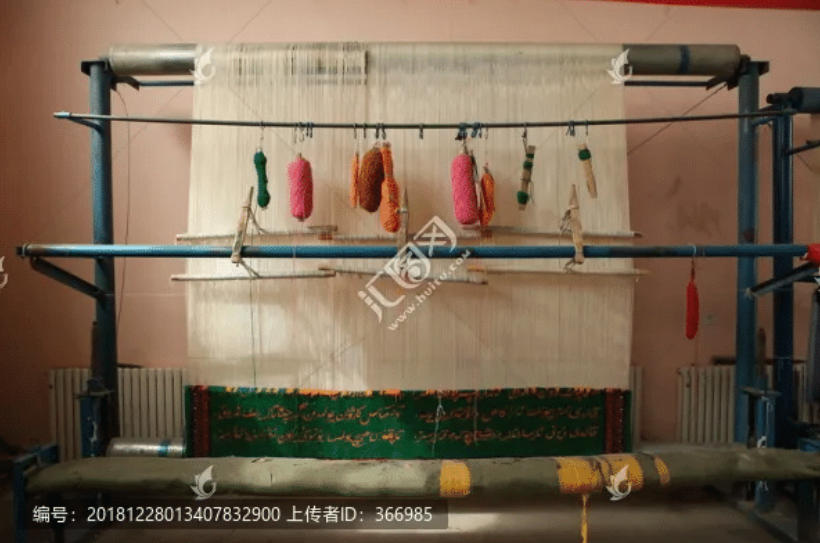
整经上架 Warping and Loom Mounting
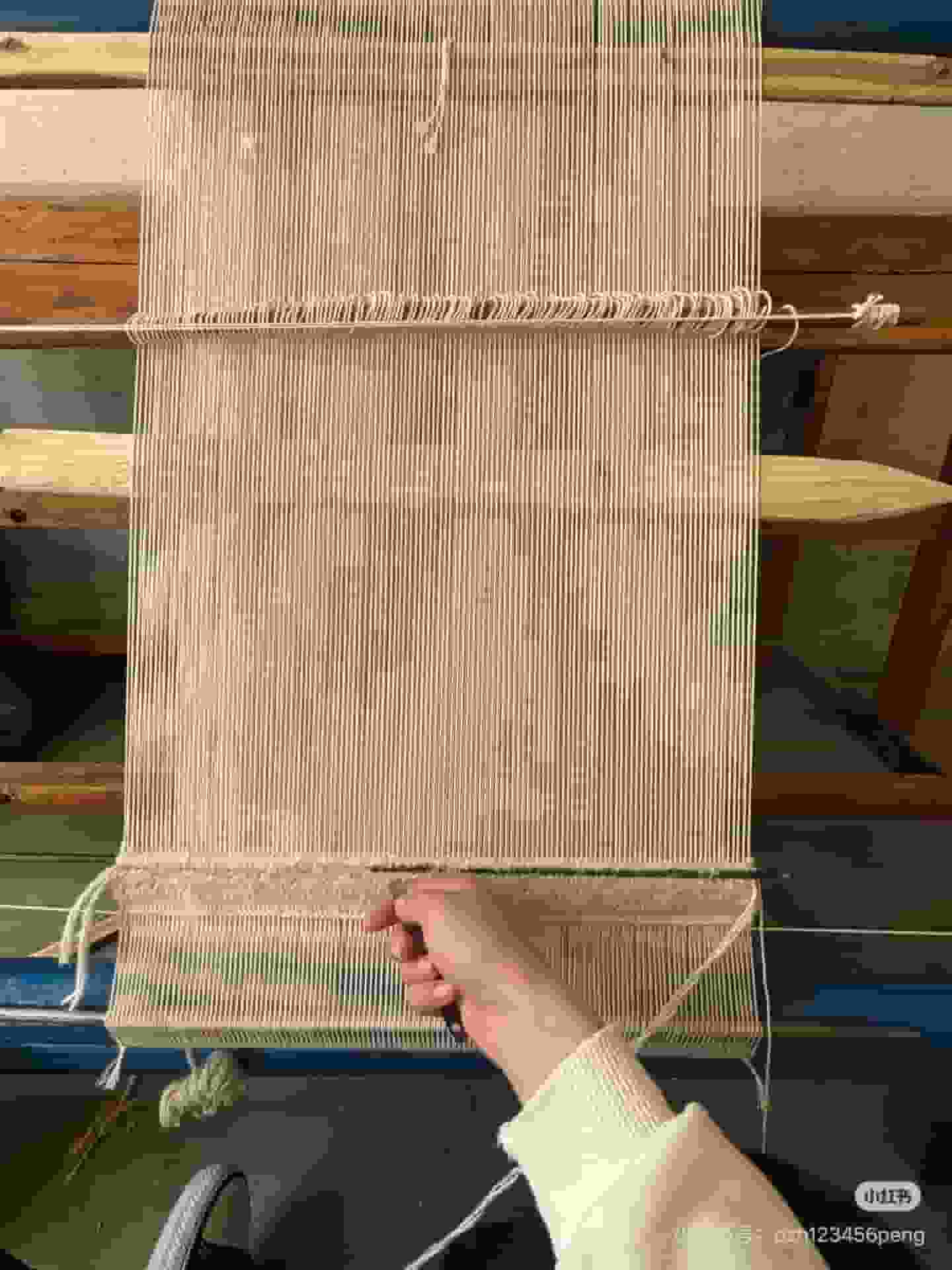
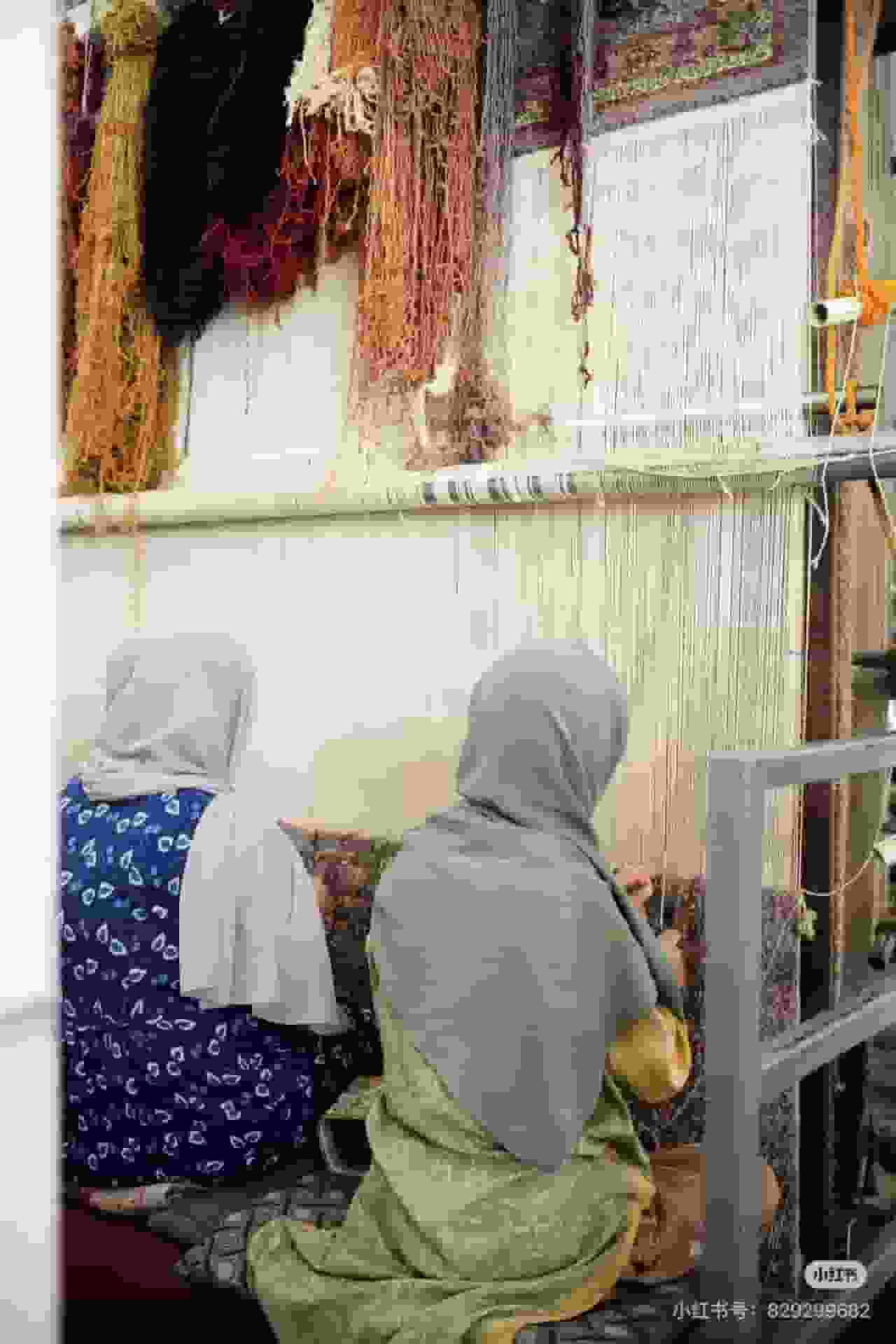
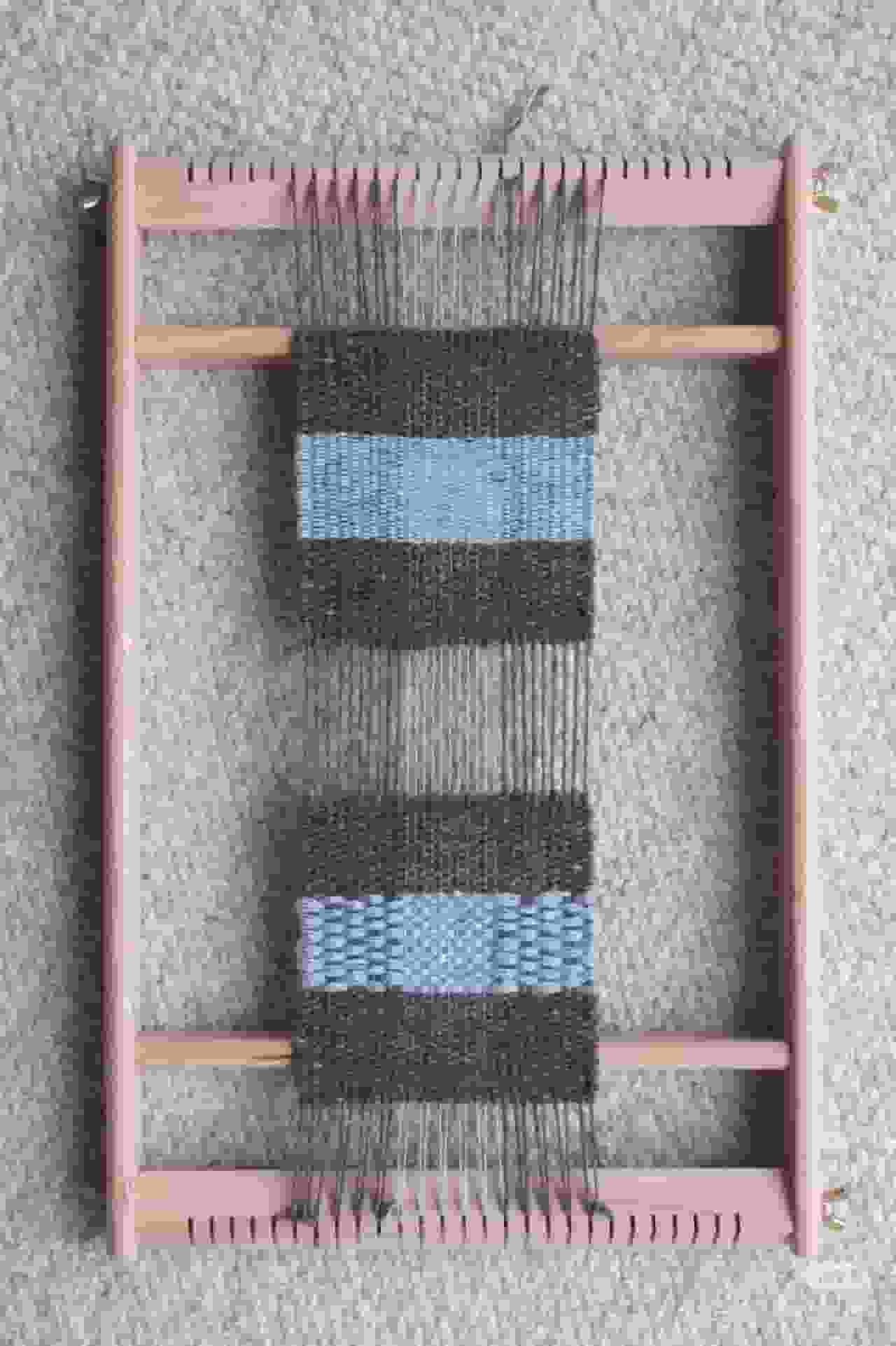
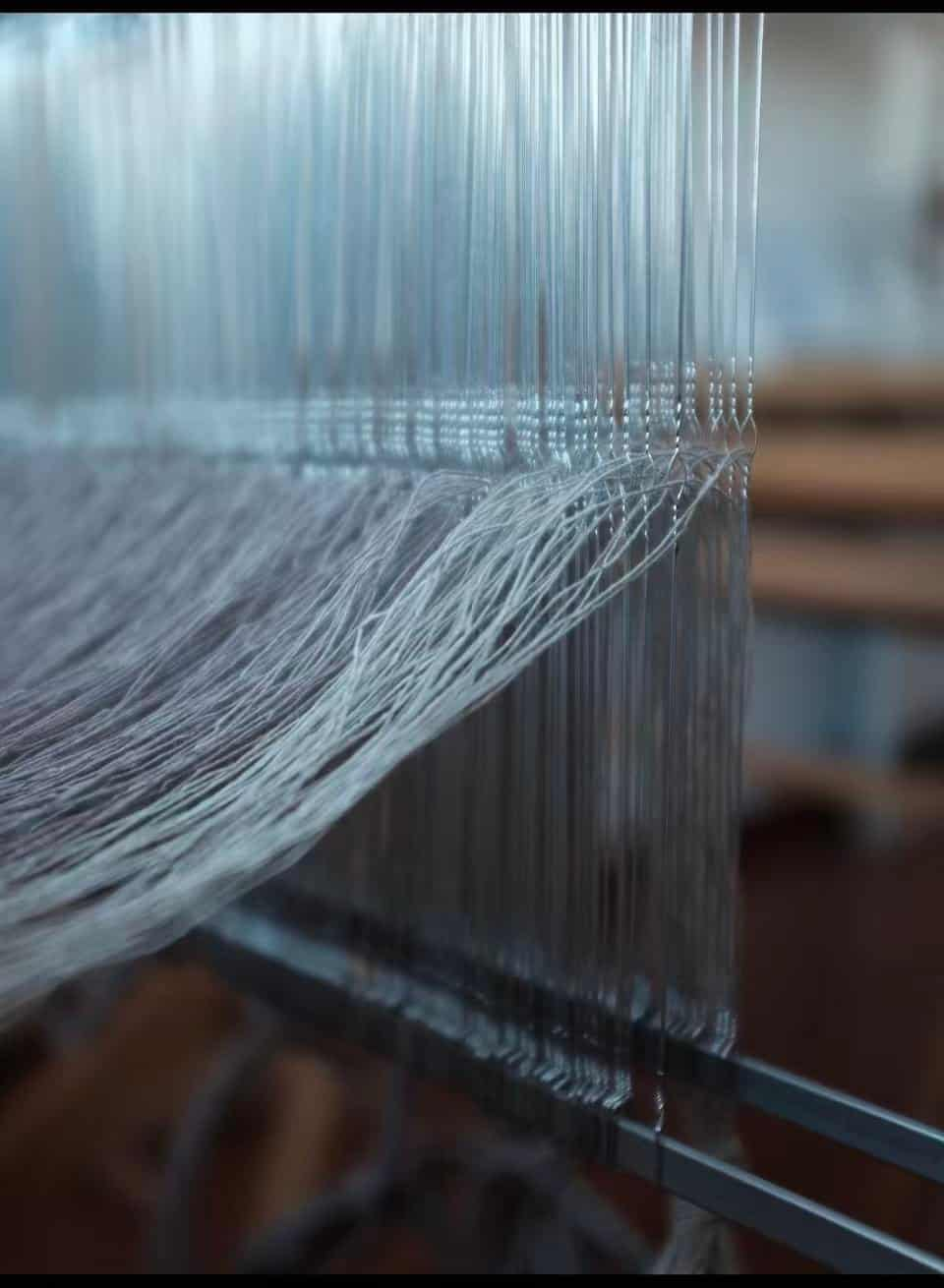
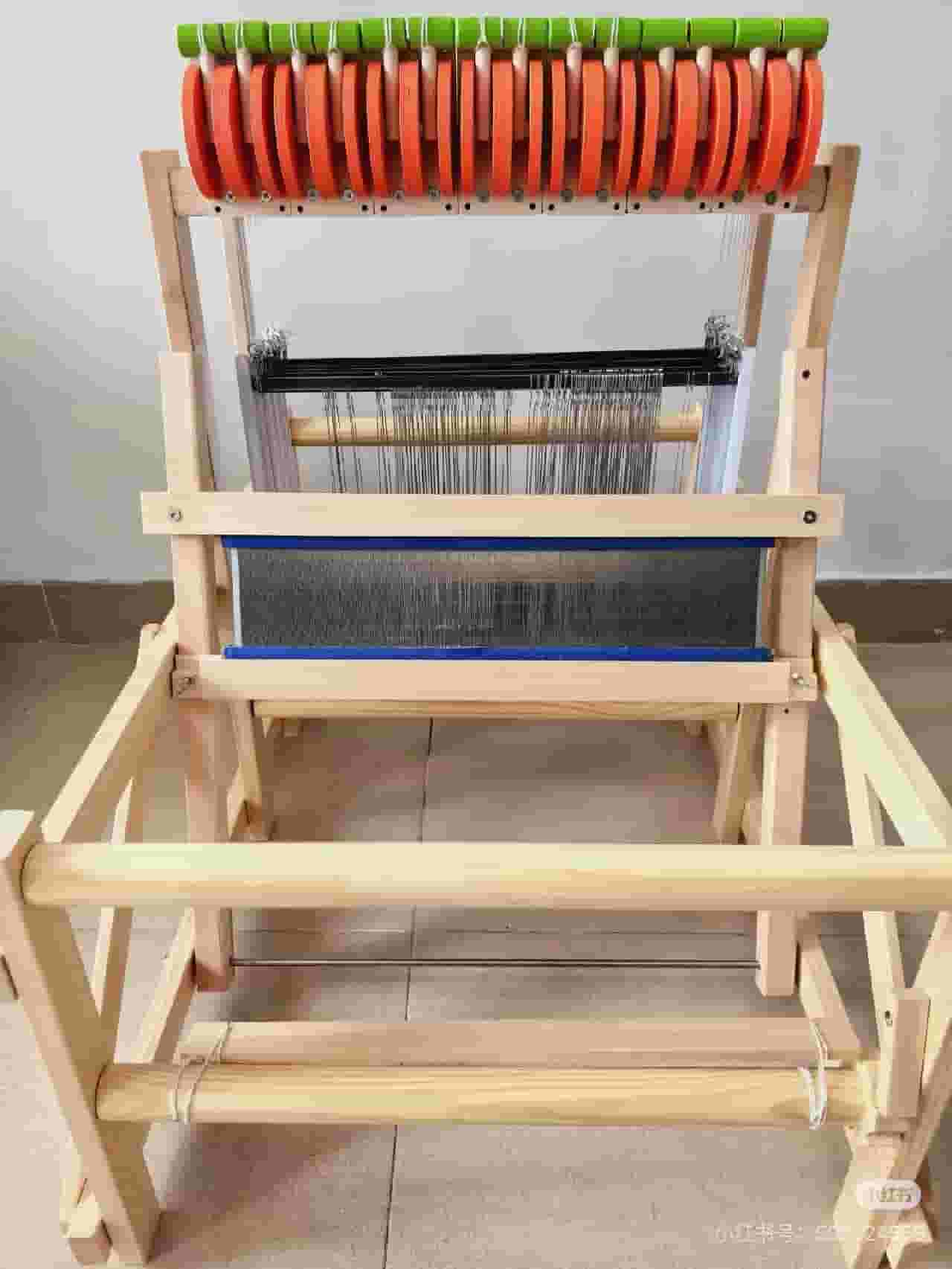
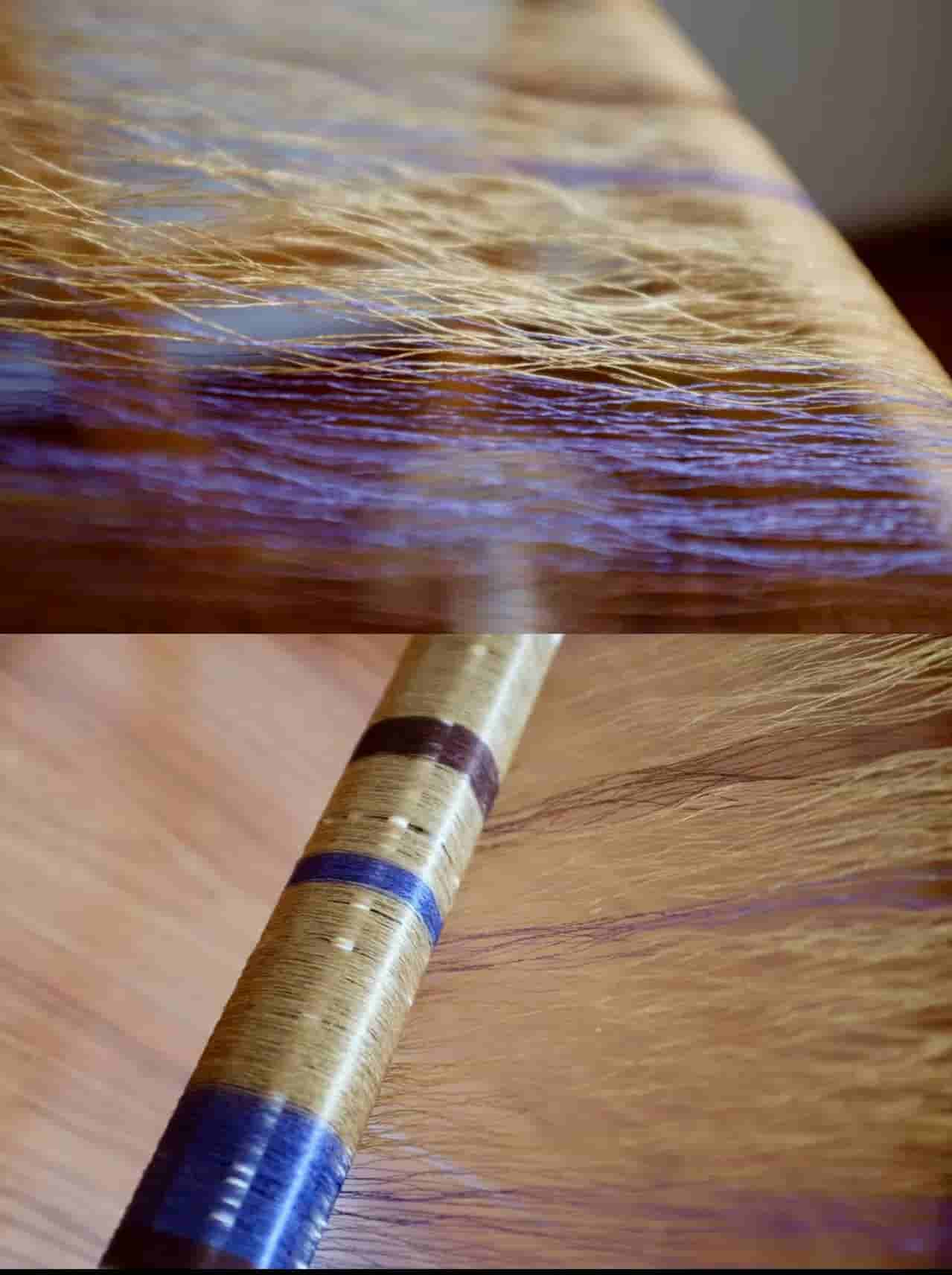
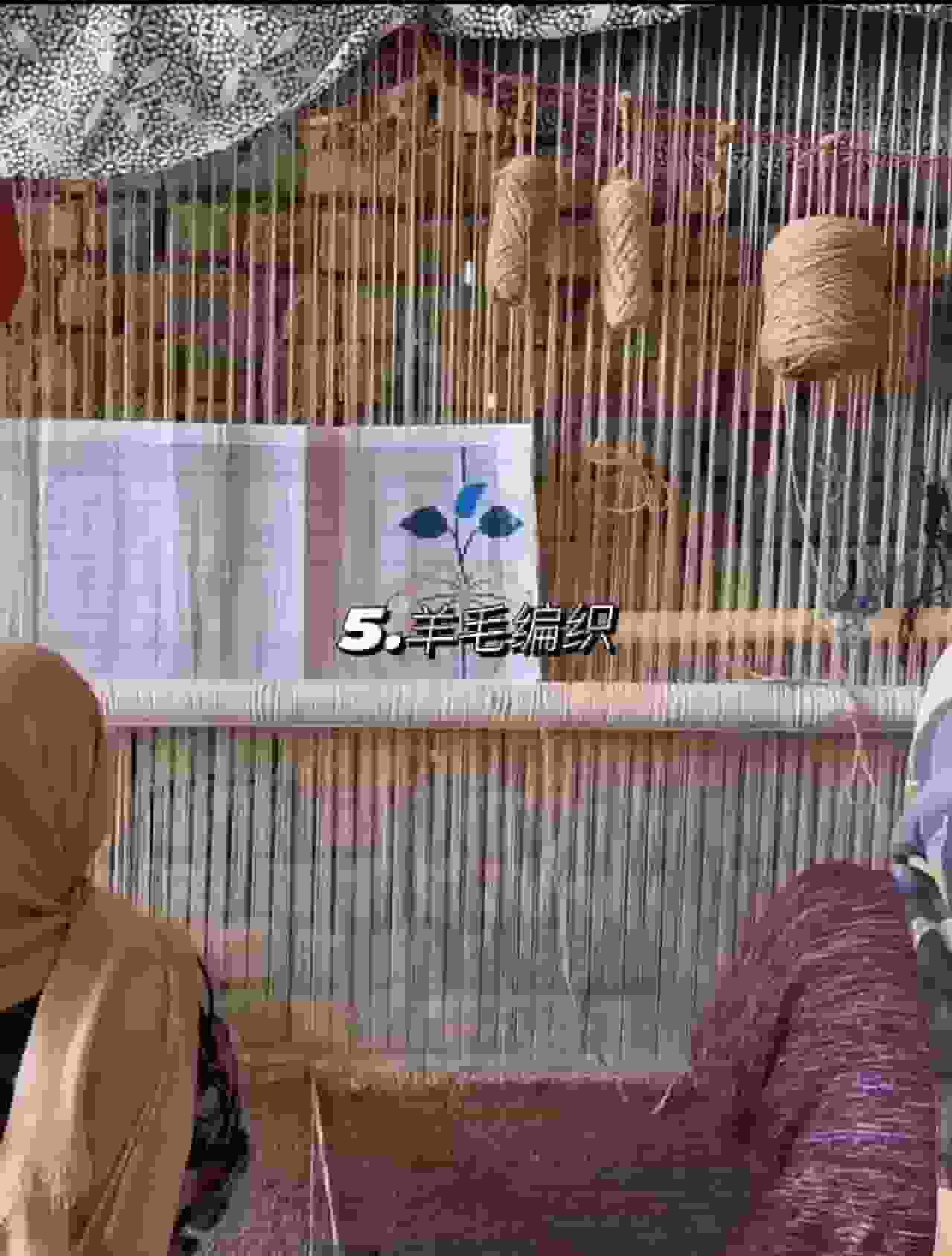
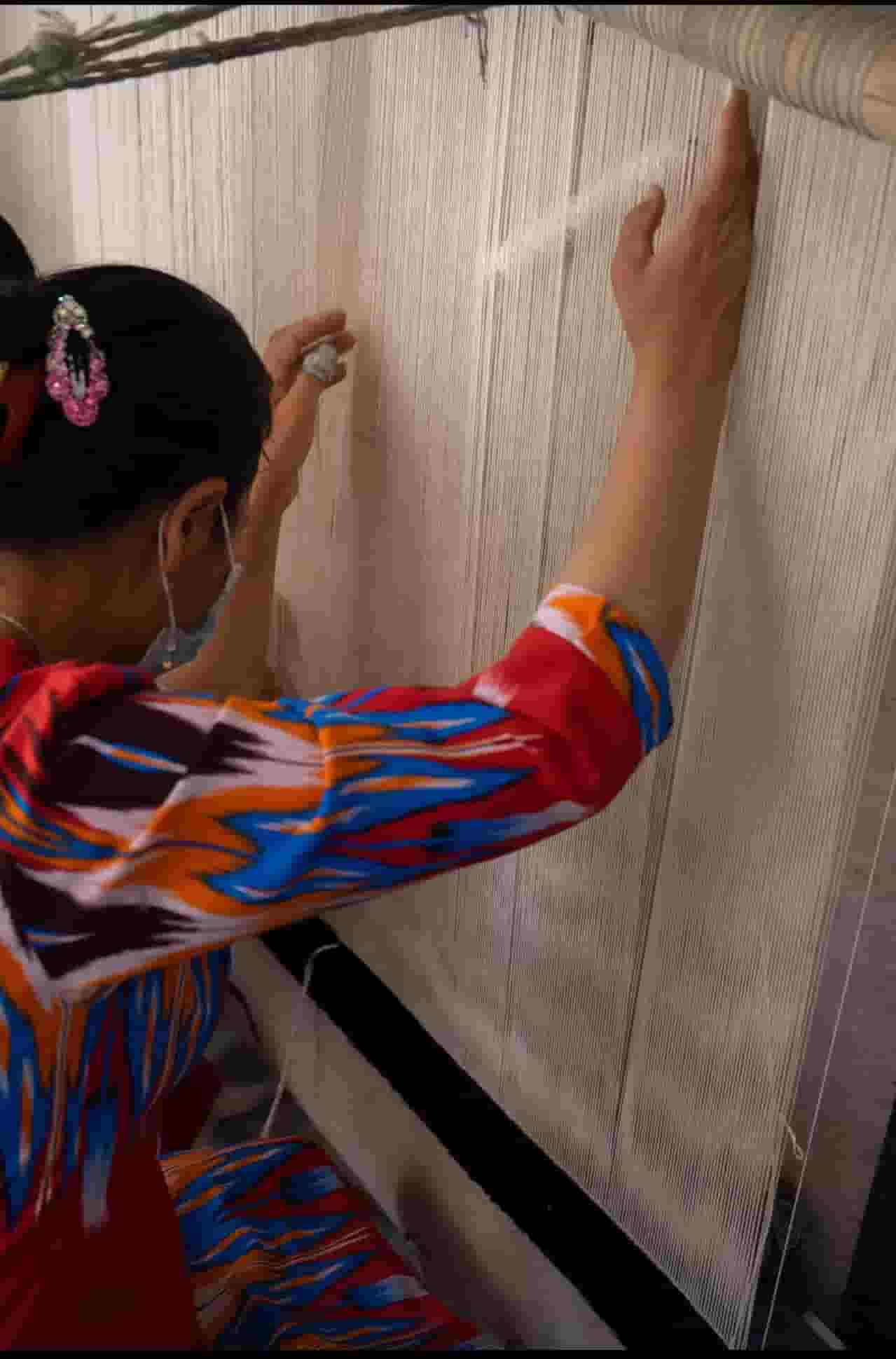
整经上架是上机织造前的骨架搭建工序。匠人在传统立式木质织机上均匀排布全部经线,依据预定地毯密度确定经线总数量,将经线横向拉直、上下绷紧,牢固固定在织机框架顶端与底部,形成平整稳定的编织基底。经线排布必须松紧保持一致,局部过松或者过紧都会造成最终地毯尺寸变形、毯面凹凸不平。整经完成后仔细检查所有经线,剔除断裂、粗细异常的丝线,保障整套经线规整统一,为后续标记纹样、栽绒编织搭建稳定基础。工序材料为未经染色的合股经线纱,工具为立式木织机、整经支架、固定木栓。
Warping and loom mounting builds the structural framework before weaving. Craftsmen arrange all warp threads evenly on the traditional vertical wooden loom. The total number of warp threads is determined by the preset carpet density. Warp threads are stretched horizontally and tightened firmly between the top and bottom of loom frames to form a flat and stable weaving base. Consistent tension must be maintained for all warp threads. Uneven tightness will lead to dimensional deformation and uneven carpet surface. After warping, all warp threads are inspected carefully, broken and irregular yarns are removed to guarantee neat warp arrangement and provide stable foundation for subsequent pattern marking and pile weaving. Raw material is undyed plied warp yarn, and tools include vertical wooden loom, warping support and fixing wooden pegs.
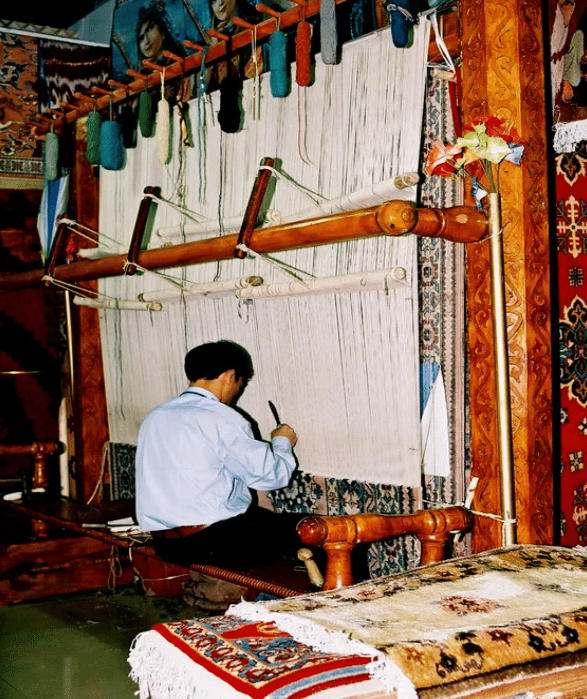
纹样标记放样 Pattern Marking and Layout
纹样标记放样决定地毯最终图案布局,体现传统织毯口传心授的传承特征。当代部分匠人会参考传统图谱,古法织造不使用完整打印图纸,匠人依托世代传承的纹样经验,直接使用炭笔或者有色纱线在绷紧的经线上标记轮廓点位,划分中心主纹、边框纹样、几何装饰区域,标注不同色块对应的配色位置。标记点位必须精准对称,契合维吾尔地毯均衡饱满的构图特点。放样全程自上而下分层规划,和后续自上而下编织顺序保持统一,有效防止图案错位、纹样歪斜。工序材料为炭笔、标记色线,工具包含标尺、立式织机。
Pattern marking and layout determines the final pattern arrangement of carpets and embodies the oral inheritance feature of traditional carpet weaving. Some modern craftsmen refer to traditional pattern albums, while ancient weaving adopts no complete printed drawings. Depending on inherited experience, craftsmen mark outline dots directly on tensioned warp threads with charcoal or coloured yarn, divide areas for central motifs, border patterns and geometric decorations, and mark positions for different colour blocks. Marking dots must be accurately symmetrical to fit the balanced and full composition characteristic of Uyghur carpets. Layout planning proceeds layer by layer from top to bottom, consistent with the weaving sequence, to avoid pattern dislocation and distortion. Materials are charcoal and marking yarn; tools are measuring rulers and vertical loom.
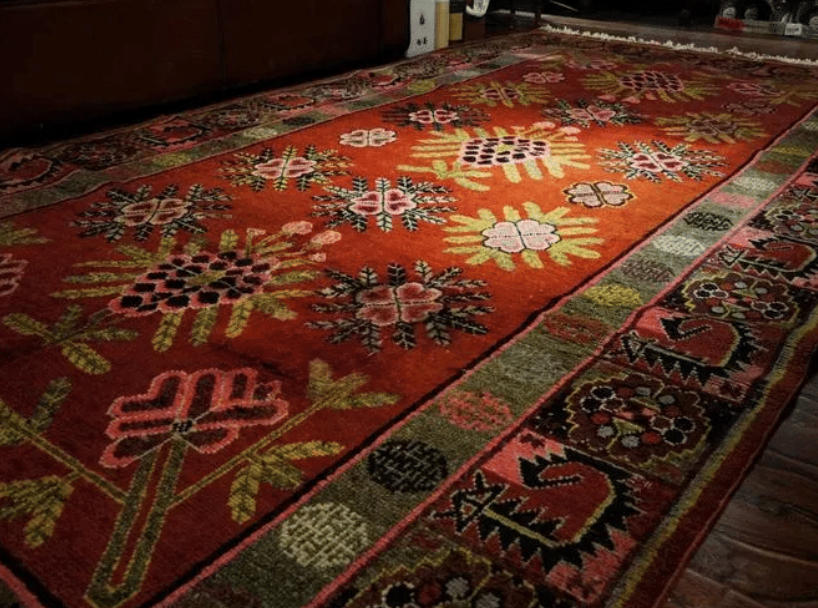
穿综引筘 Healding and Reeding
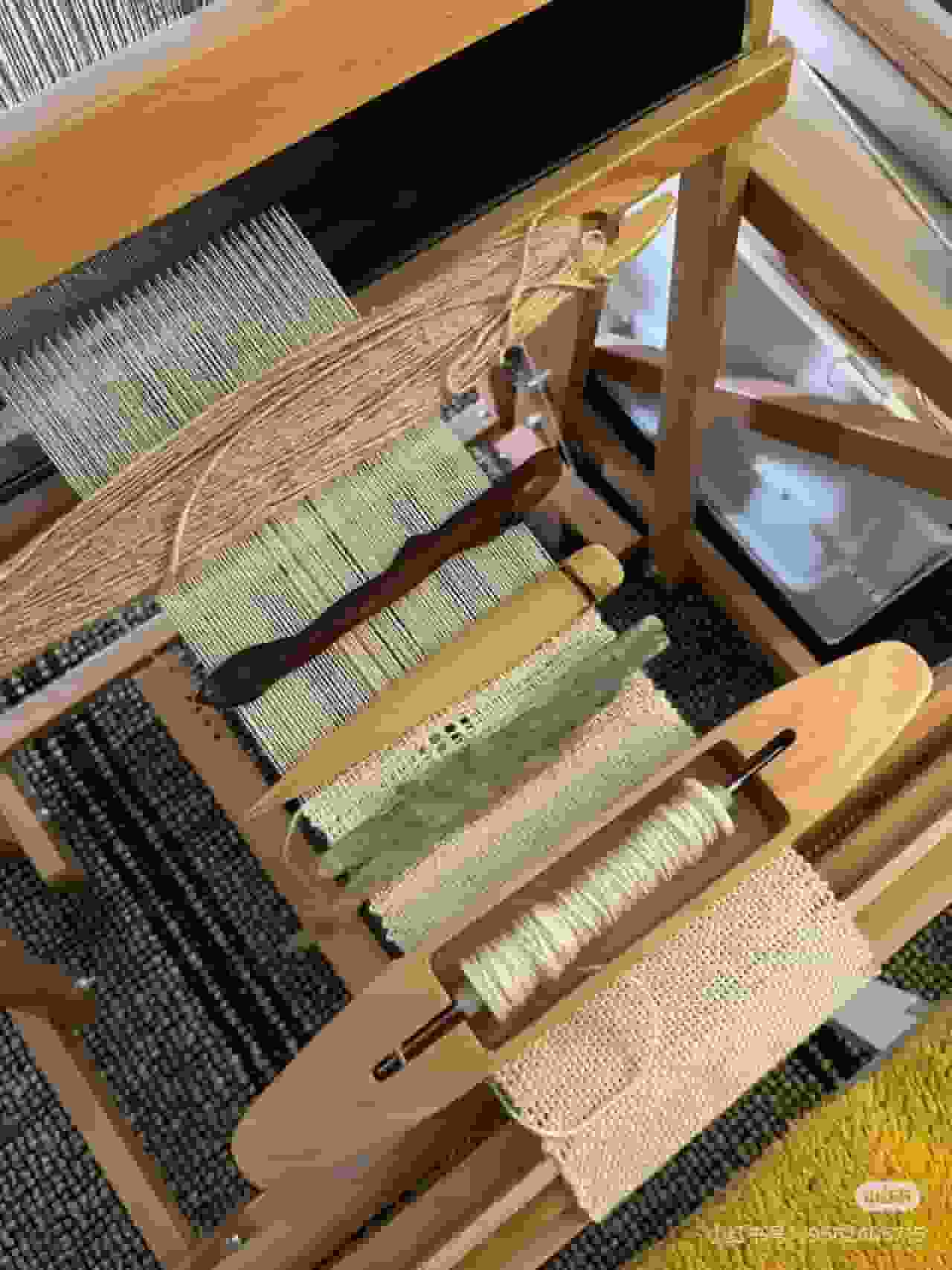
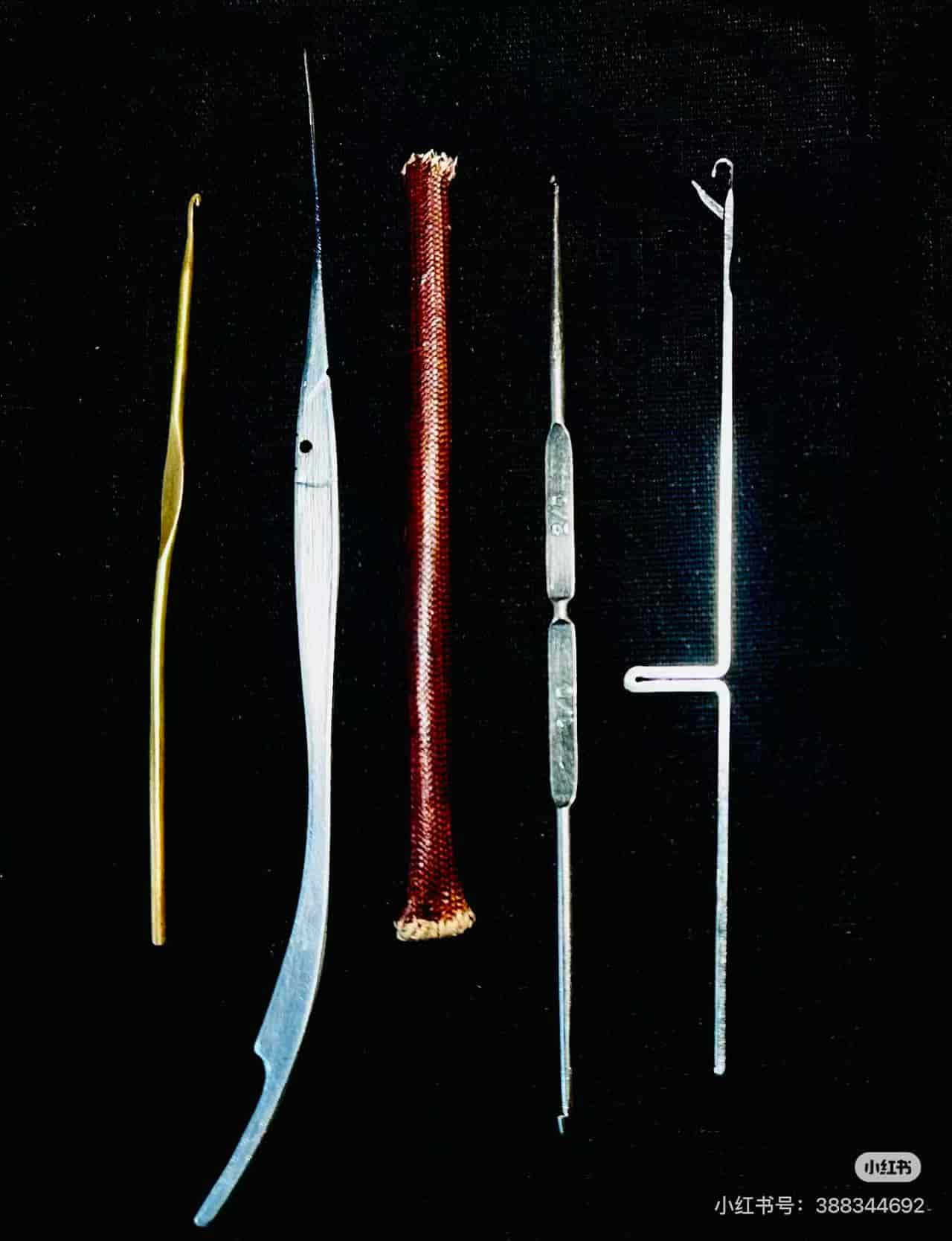
穿综引筘是梳理经线、规范织造间距的前置工序。匠人将全部经线依次穿过综框与钢筘(木筘)缝隙,借助综、筘分隔每一根经线,固定经线横向间距,控制毯面基础密度。综负责带动经线分层开合,形成纬线穿梭通道;筘起到梳理经线、压紧纬线、控制幅宽的作用。穿引时按照既定顺序依次操作,防止经线相互扭转缠绕,一旦经线顺序错乱,织造基底结构会彻底紊乱。这道工序精度极高,经线排布密度直接决定地毯精细等级,也就是行业所说的"道数"。工序材料为已经整经完成的经线,工具包含综丝、木筘、引线钩。
Healding and reeding sorts warp threads and standardizes weaving spacing before formal weaving. Craftsmen thread all warp threads through heald frames and slits of wooden reeds one by one. Healds and reeds separate individual warp threads, fix horizontal warp spacing and control basic carpet density. Healds drive warp threads to open layer by layer and form passage for weft yarn; reeds comb warp threads, compress weft and control carpet width. Threading follows fixed sequence to avoid warp twisting and tangling. Disorder of warp sequence will completely disrupt the base weaving structure. This procedure requires high precision. The density of arranged warp threads directly determines carpet fineness grade, known as "mesh count" within the industry. Raw material is pre-warped warp threads; tools include heald wires, wooden reeds and threading hooks.
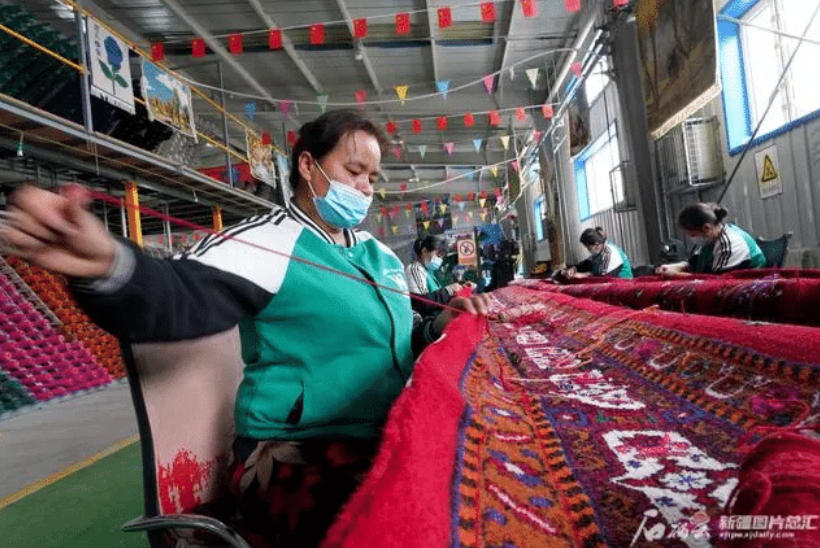
手工八字栽绒打结织造 Hand Weaving with Figure-eight Pile Knots
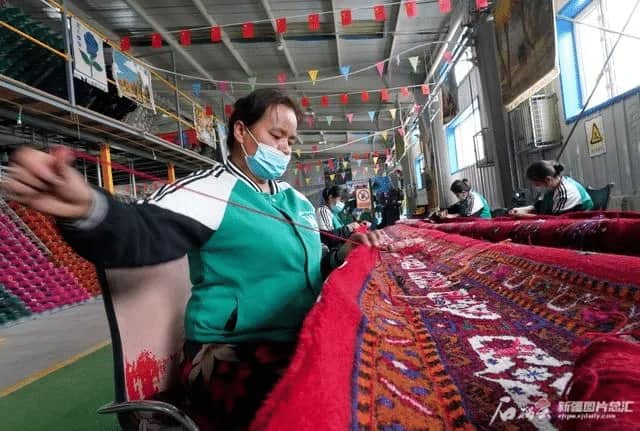
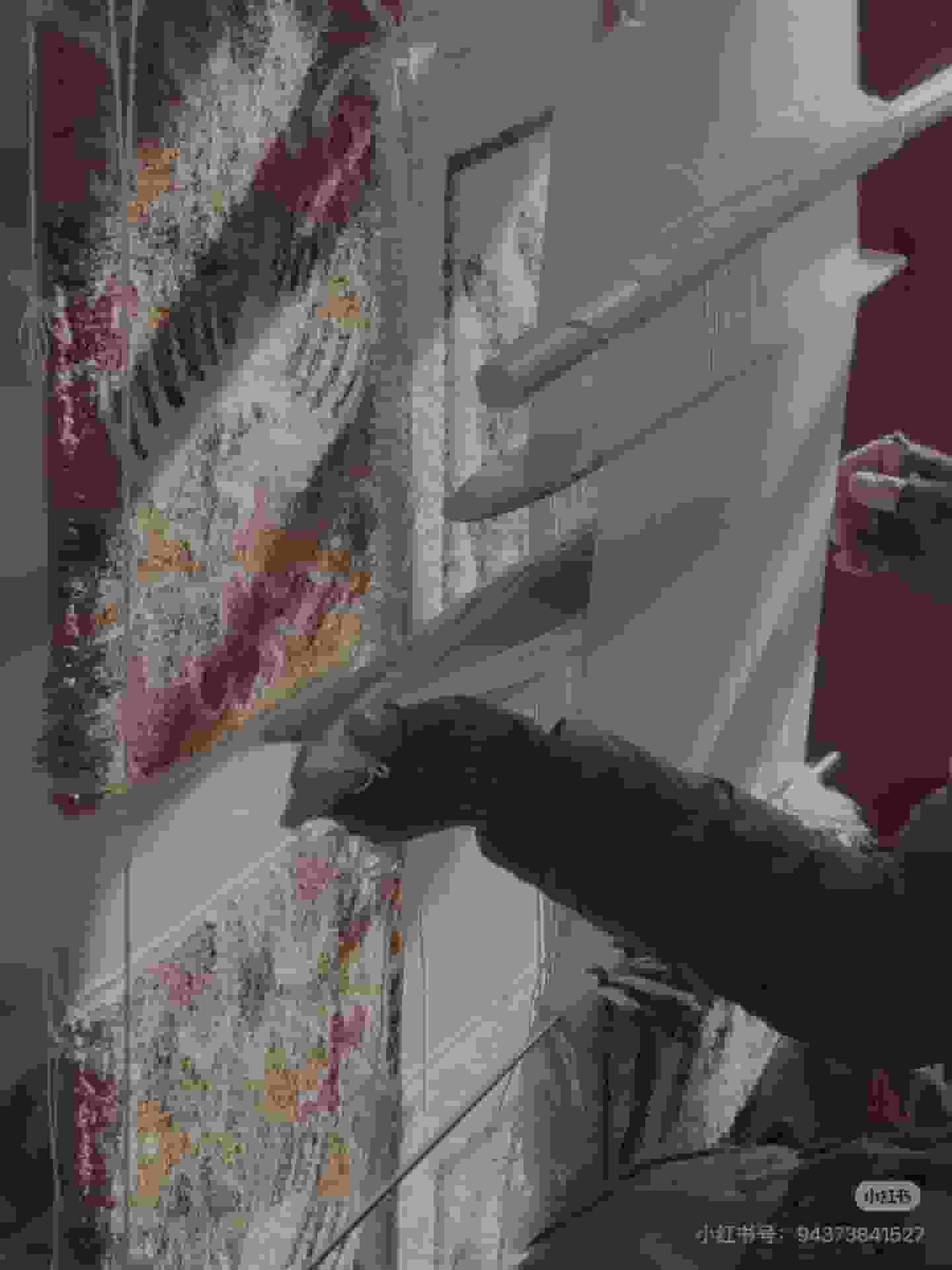
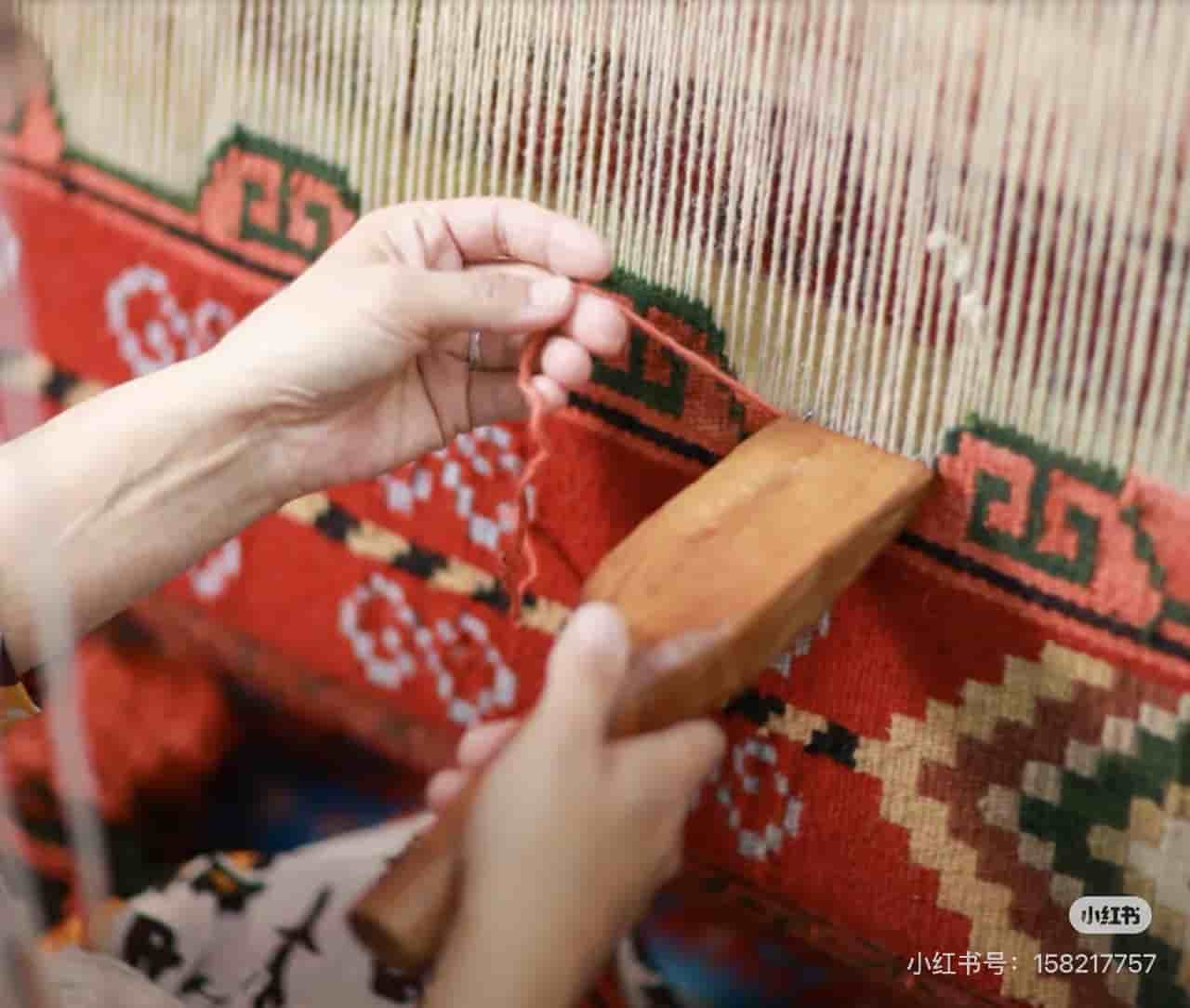
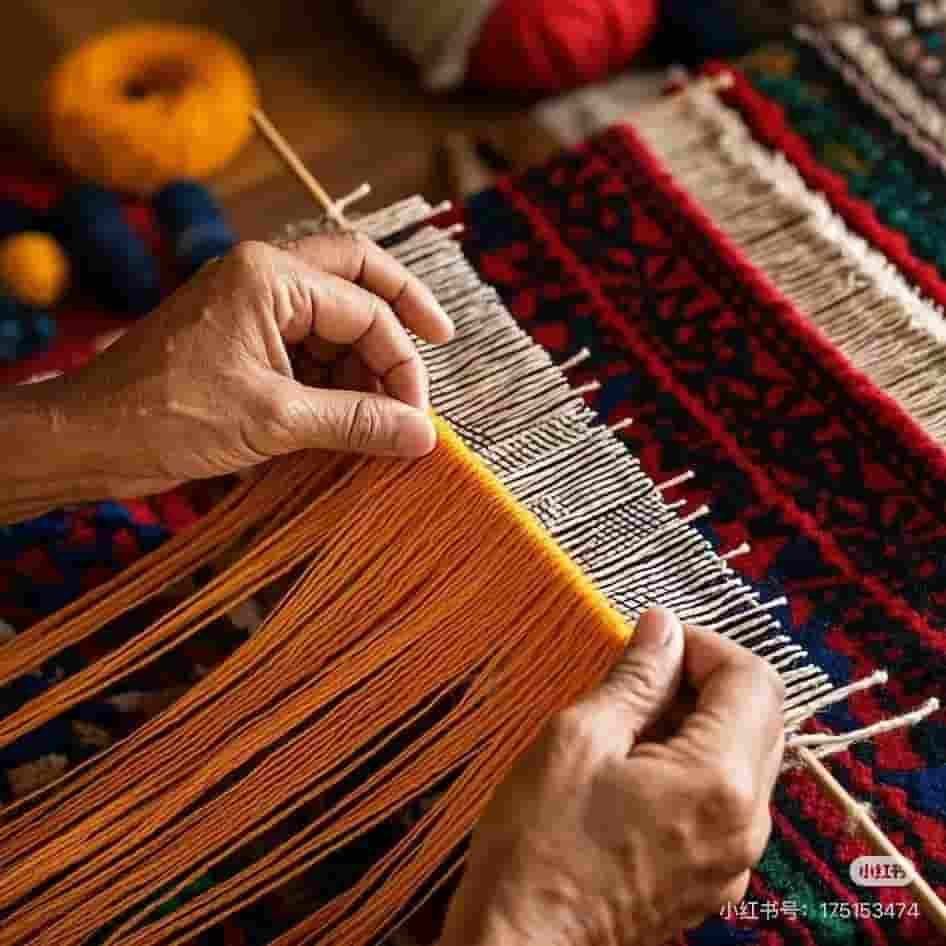
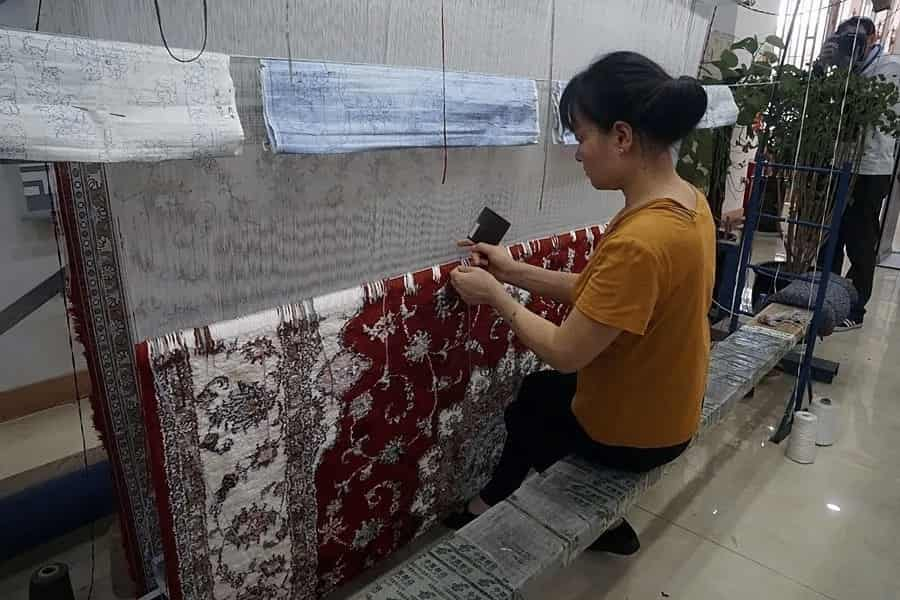
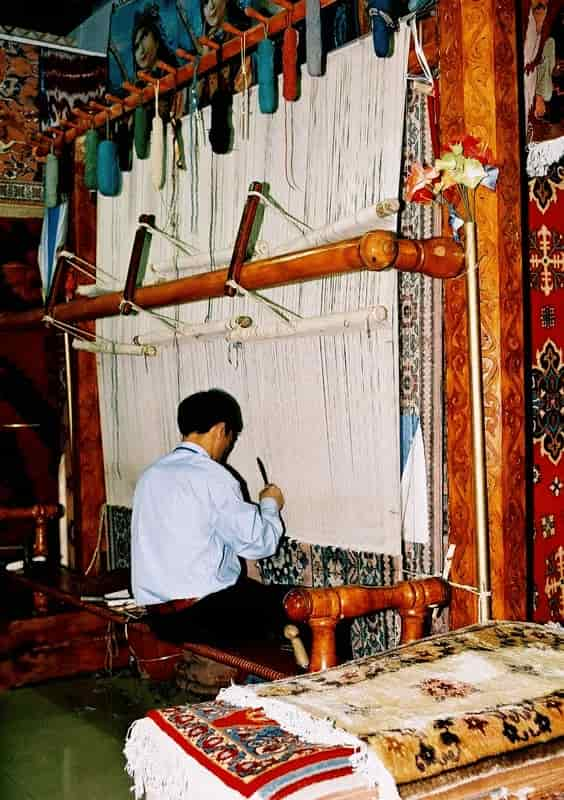
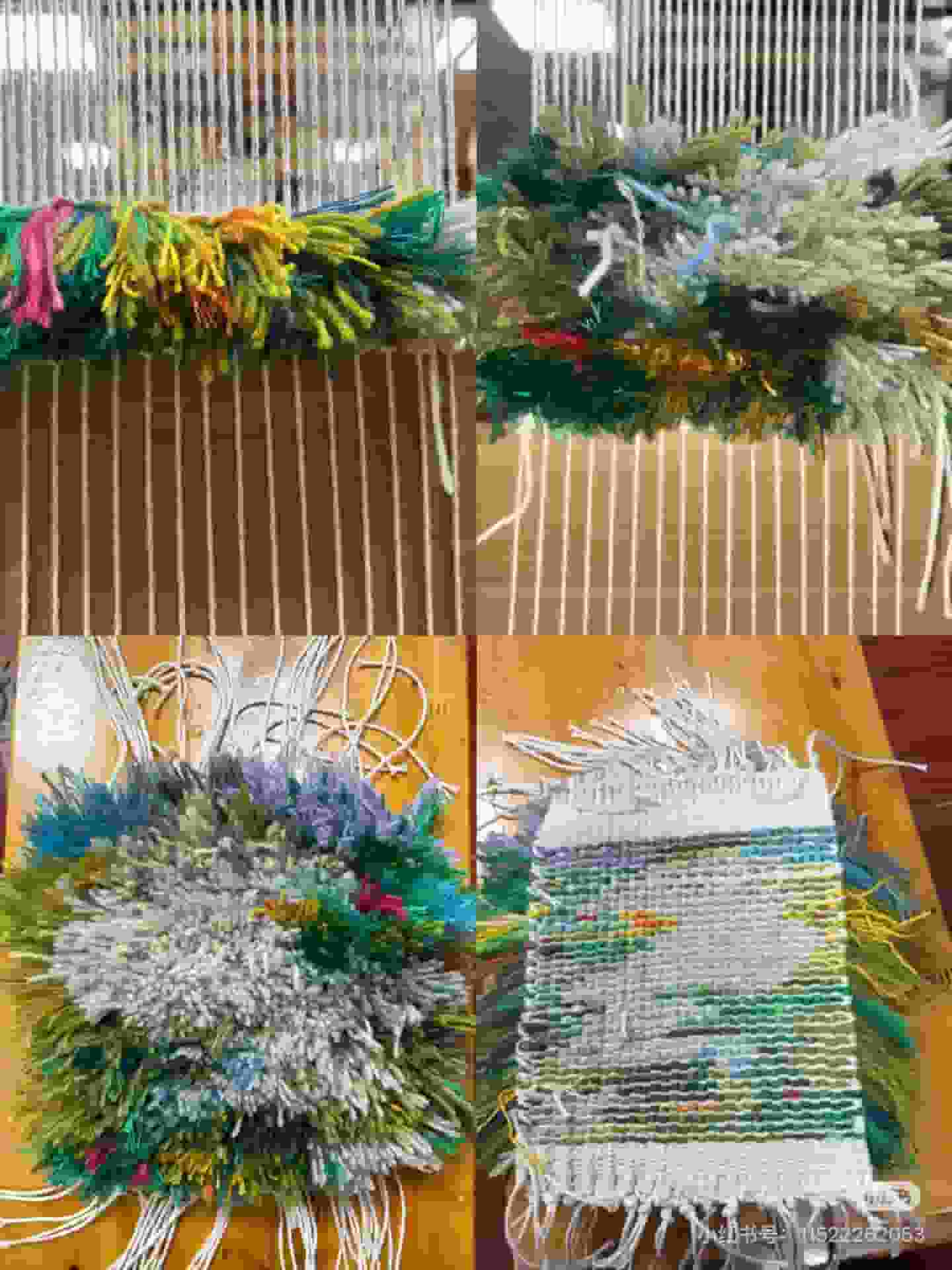
手工八字栽绒打结织造是整套技艺最核心、耗时最长的工序,也就是标志性的森纳结(八字结)工艺。匠人坐于立式织机前方,对照经线上标记的纹样点位,手持彩色绒纱,以八字形态将毛线捆缚在一对相邻经线上,完成打结之后使用织毯专用小刀切断纱线,形成独立凸起的绒头。完成一行栽绒结,穿入纬线并且用筘板捶打压实,稳固结扣。整块地毯从上至下逐行编织,成千上万独立绒头组合形成完整图案。八字结最大优势在于各个绒头互不牵连,局部磨损破损不会引发大面积脱线,地毯经久耐用。熟练匠人每日可完成的结扣数量有限,常规尺寸手工地毯往往需要数月持续织造。工序材料为各色染色绒纱、纬线,工具包含织毯小刀、木筘板、立式织机。
Hand weaving with figure-eight pile knots is the core and most time-consuming procedure of the whole craft, adopting the iconic Senna knot (figure-eight knot) technique. Sitting in front of the vertical loom, craftsmen refer to pattern marks on warp threads, fasten coloured pile yarn around two adjacent warp threads in figure-eight shape, then cut yarn with special carpet knife to form independent raised pile tufts. After finishing one row of knots, weft yarn is inserted and compacted firmly with reed batten to stabilize knots. The whole carpet is woven row by row from top to bottom, and complete patterns are composed of tens of thousands of independent pile tufts. The prominent advantage of figure-eight knots is that separate pile tufts are not connected with each other. Partial abrasion cannot cause large-scale thread loosening, so carpets enjoy long service life. Even skilled craftsmen can only finish limited knots each day, and standard-sized handmade carpets often require months of continuous weaving. Materials are dyed pile yarns of various colours and weft yarns; tools include carpet knives, wooden reed battens and vertical loom.
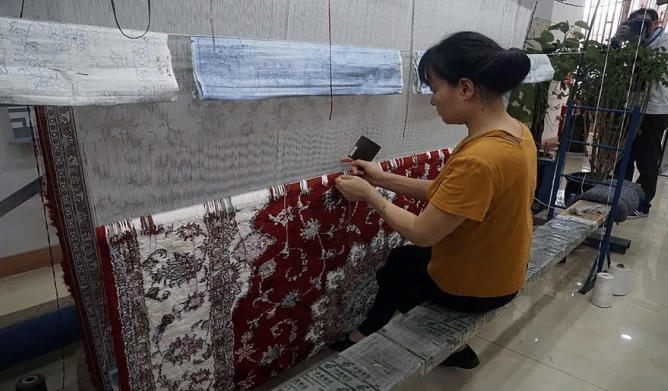
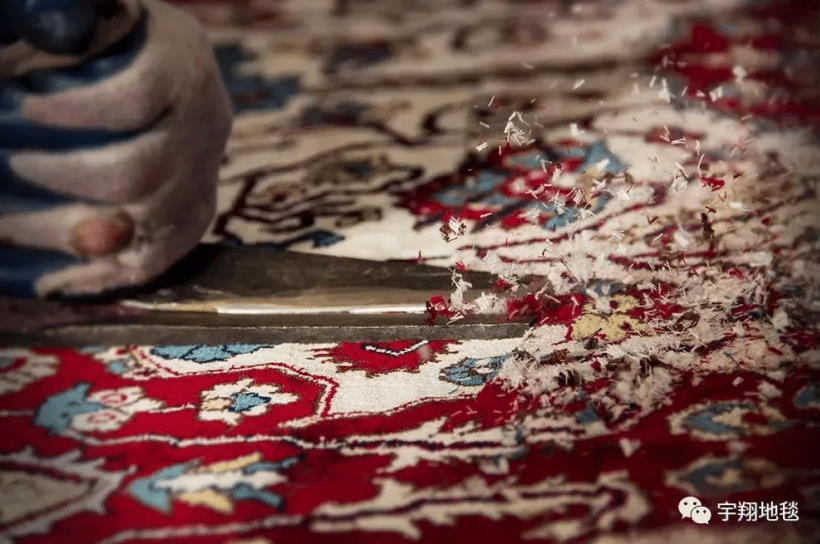
绒面修剪平整 Pile Trimming and Levelling
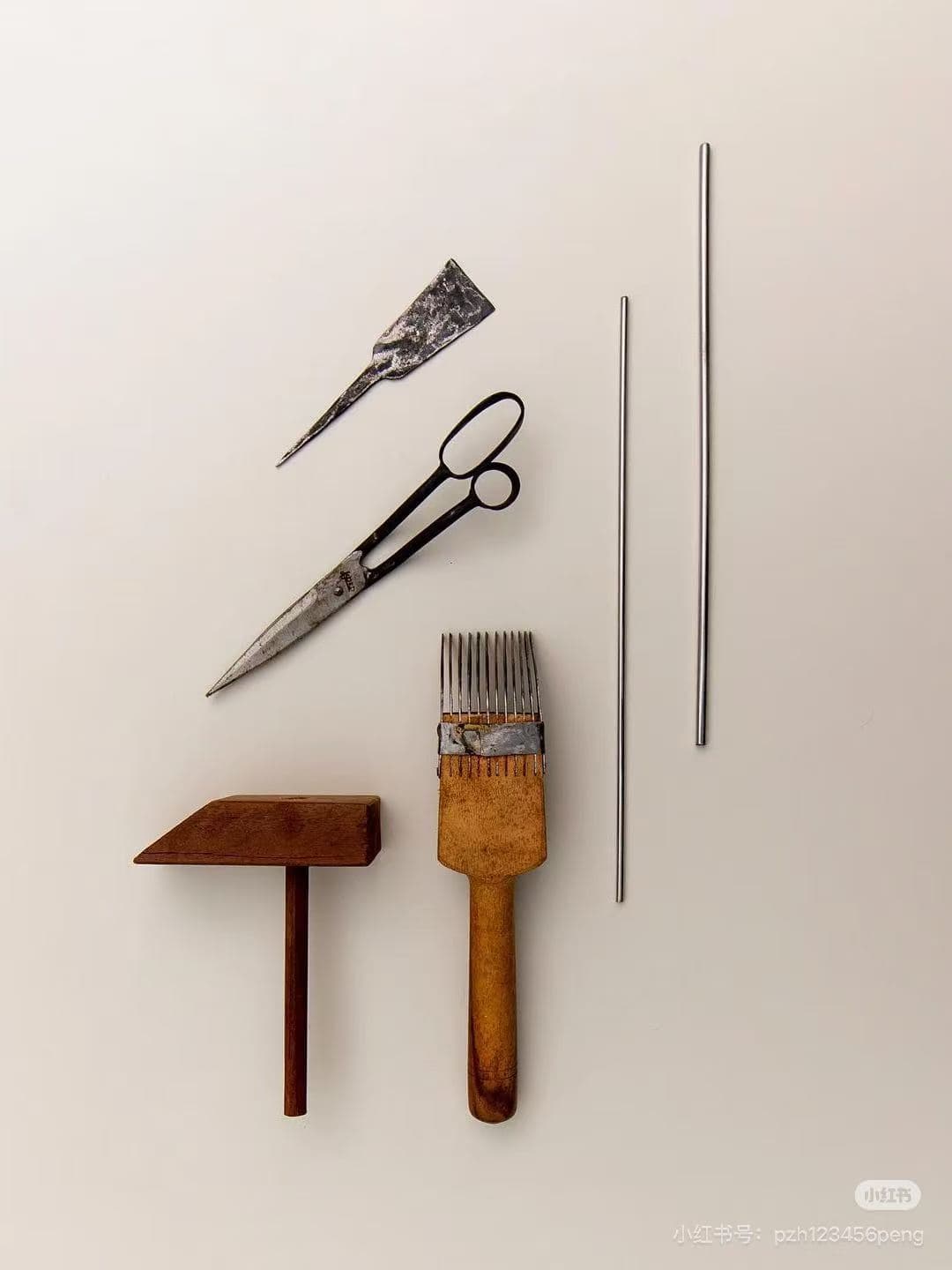
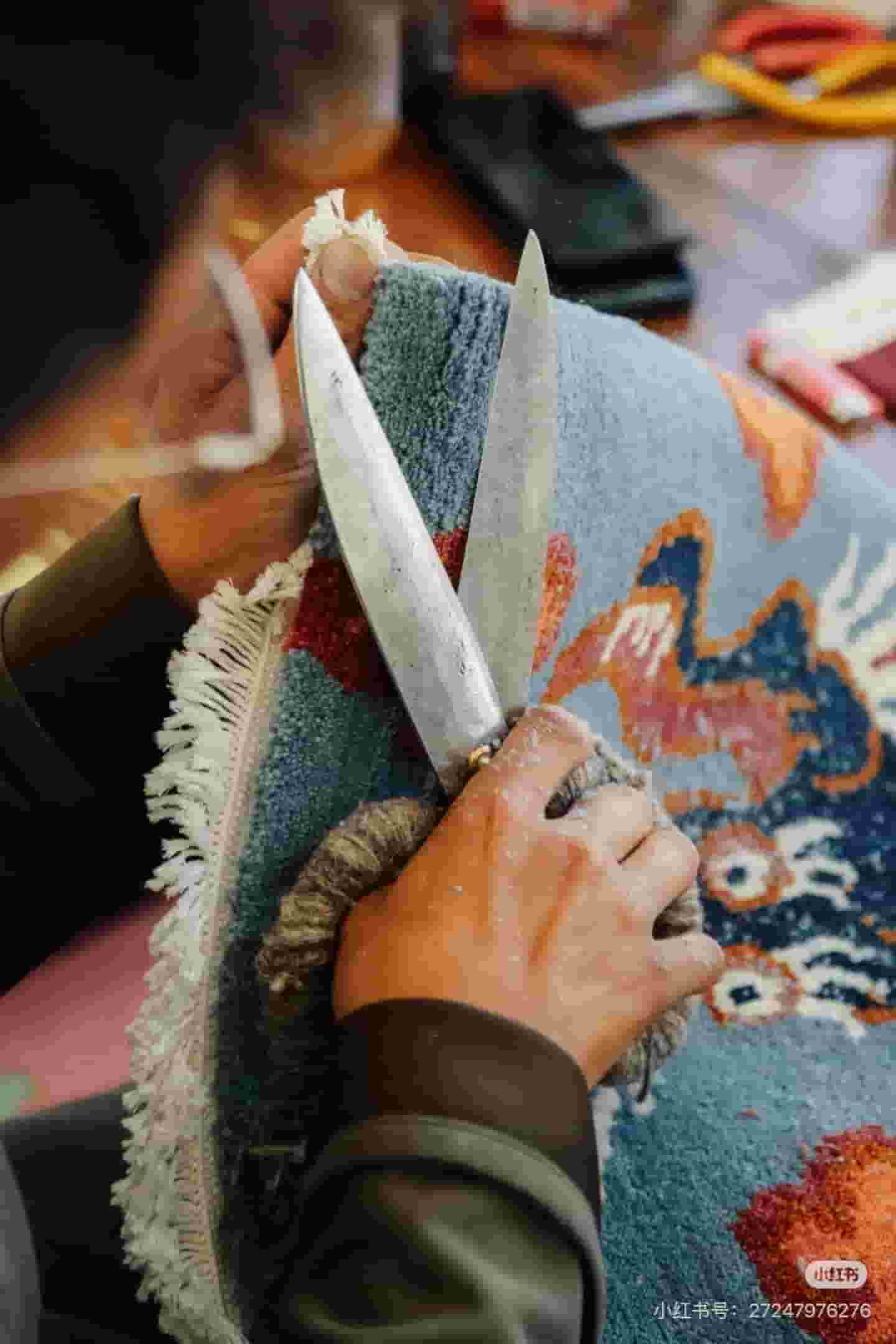
绒面修剪平整在地毯主体织造结束之后开展。地毯依旧固定在织机上,匠人使用弧形专用剪刀,统一修剪全部绒头,调整每一处绒头高度,削除高低突出的绒线,使整块毯面高度均匀平整,图案轮廓清晰立体。修剪力度需要均衡,不可过度裁剪,防止剪断结扣造成绒头脱落;同时依据纹样层次微调局部高度,让图案拥有自然层次感。修剪完成之后,仔细清理毯面散落的毛线碎屑。工序材料为织造完成的半成品地毯,工具为手工弧形绒剪。
Pile trimming and levelling is carried out after the main body of carpet is woven. While the carpet is still fixed on the loom, craftsmen trim all pile tufts uniformly with special curved scissors, adjust pile height, cut off protruding yarns and make the entire carpet surface flat with consistent pile height, forming distinct three-dimensional pattern outlines. Balanced trimming force is required. Excessive cutting must be avoided to prevent knot breakage and pile loss. Local pile height can be slightly adjusted according to pattern layers to create natural hierarchical effect. After trimming, scattered wool debris on the carpet surface is cleared away. Raw material is semi-finished woven carpet; tool is hand-made curved pile scissors.
下机 Carpet Removal from Loom
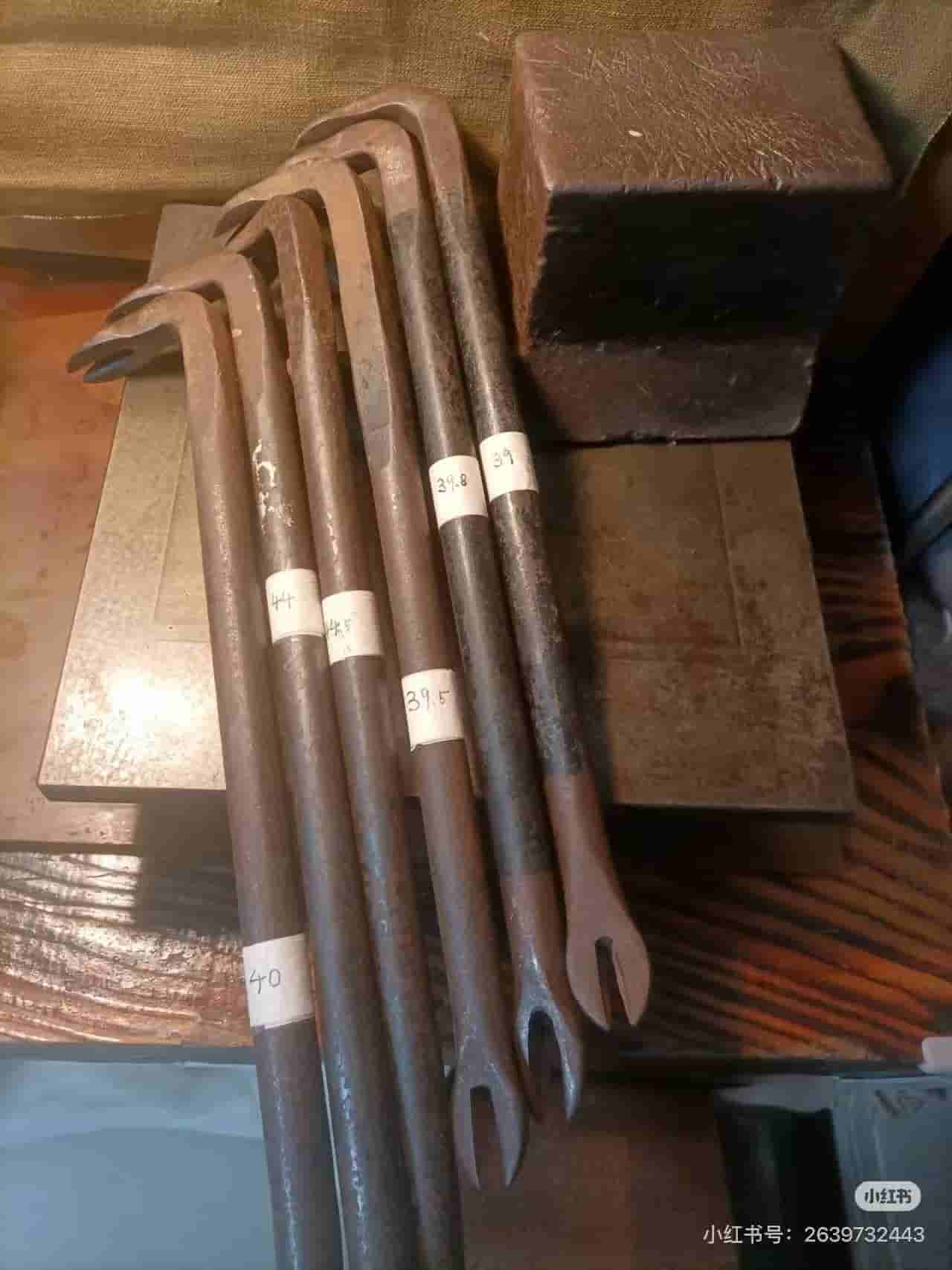
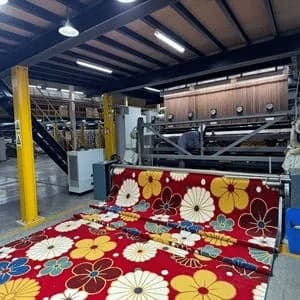
下机工序指将修剪完毕的半成品地毯完整从立式织机卸下。匠人松开织机上下两端固定经线的木栓,小心剪断边缘多余经线,缓慢取下整块地毯。操作过程保持平稳,避免拉扯、弯折毯体,防止新织成的绒结受力松动。取下地毯之后,先初步检查毯面,记录织造阶段出现的细小瑕疵,为后续洗涤修整做好准备。工序无额外消耗材料,工具包含剪刀、木撬棍。
Carpet removal from loom means taking trimmed semi-finished carpets off the vertical loom completely. Craftsmen loosen wooden pegs fixing warp threads at the top and bottom of the loom, carefully cut redundant warp threads on edges and take down the whole carpet slowly. Steady operation is required. Pulling and bending the carpet should be avoided to prevent loose newly woven pile knots. After removal, preliminary surface inspection is conducted to record minor defects formed during weaving for subsequent washing and finishing. No extra consumable materials are needed; tools are scissors and wooden crowbars.
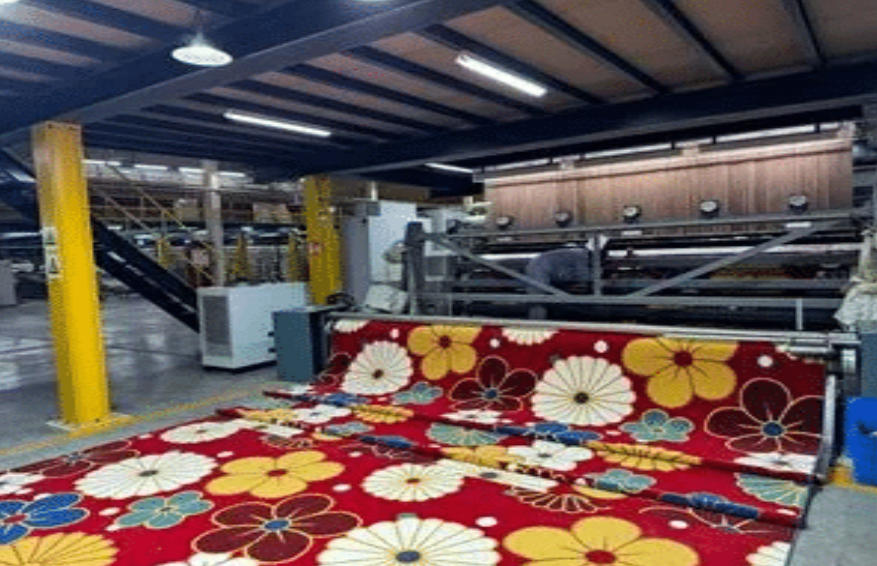
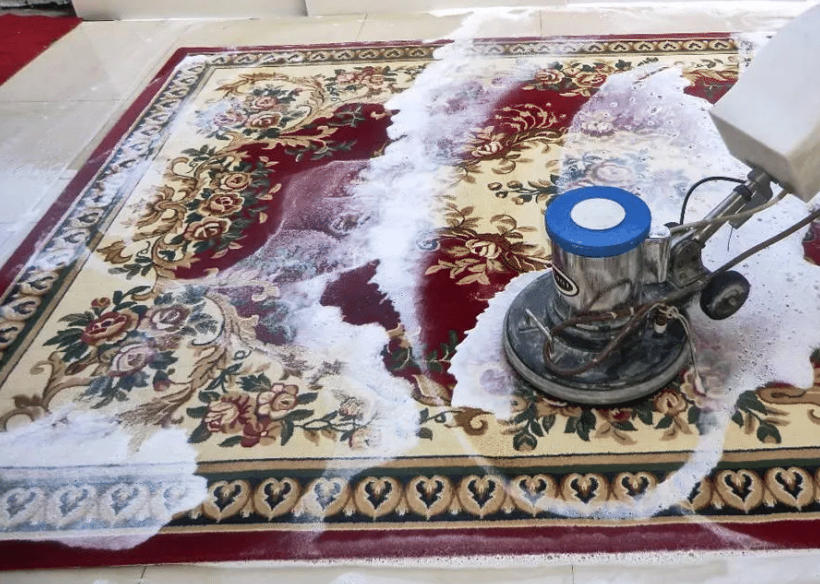
清水洗涤脱浮色 Water Washing to Remove Loose Pigment
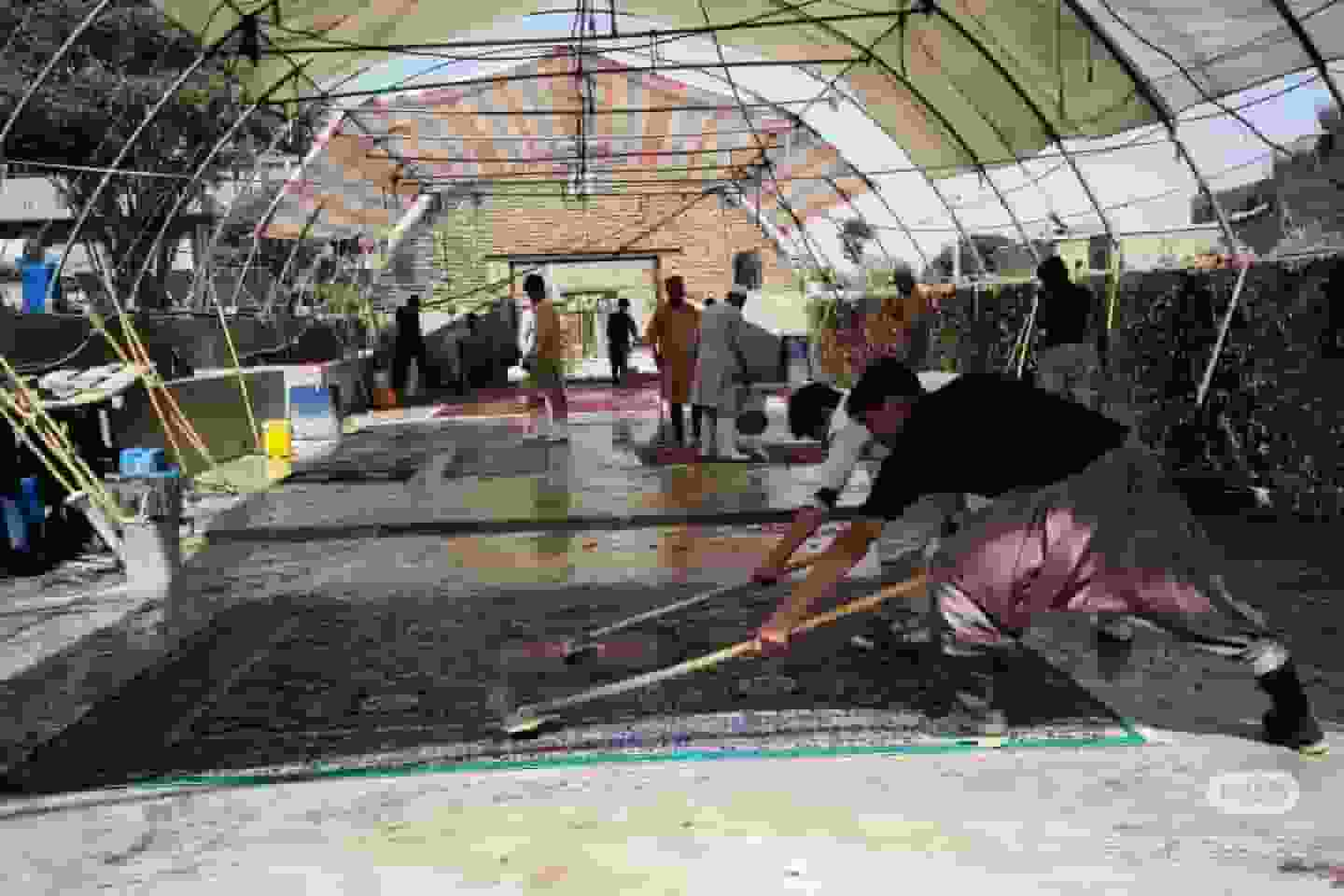
清水洗涤脱浮色用于清理毯面浮色、织造灰尘与杂质。匠人将下机后的半成品地毯放入清水当中充分浸泡,轻柔拍打、反复漂洗,洗去附着在绒头表层未牢固结合的游离色素以及生产过程积累的尘土。洗涤禁止大力揉搓,避免损伤栽绒结。多次漂洗直至水体不再出现明显掉色,洗涤完成之后不进行强力拧绞,依靠自然排水去除大部分水分。天然染料的轻微浮色属于正常现象,适度洗涤能够提升后期色彩稳定度。工序材料为半成品地毯、清水,工具为大型洗涤木槽。
Water washing to remove loose pigment eliminates surface loose dye, weaving dust and impurities. Semi-finished carpets taken from looms are fully soaked in clean water, tapped gently and rinsed repeatedly to wash off unfastened free pigment on pile surface and accumulated dust during production. Violent rubbing is forbidden during washing to protect pile knots. Rinsing continues until obvious colour bleeding disappears. Carpets are not wrung forcibly after washing, and most water is drained naturally. Slight loose colour of natural dyes belongs to normal phenomenon, and proper washing improves long-term colour stability. Materials are semi-finished carpet and clean water; tool is large wooden washing tank.
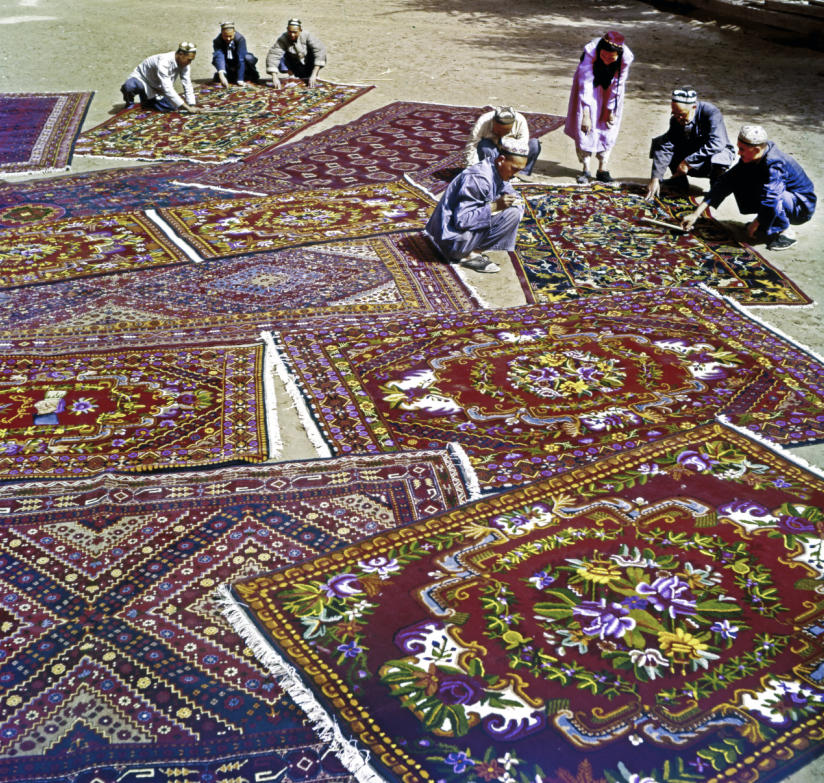
自然晾晒 Natural Air-drying
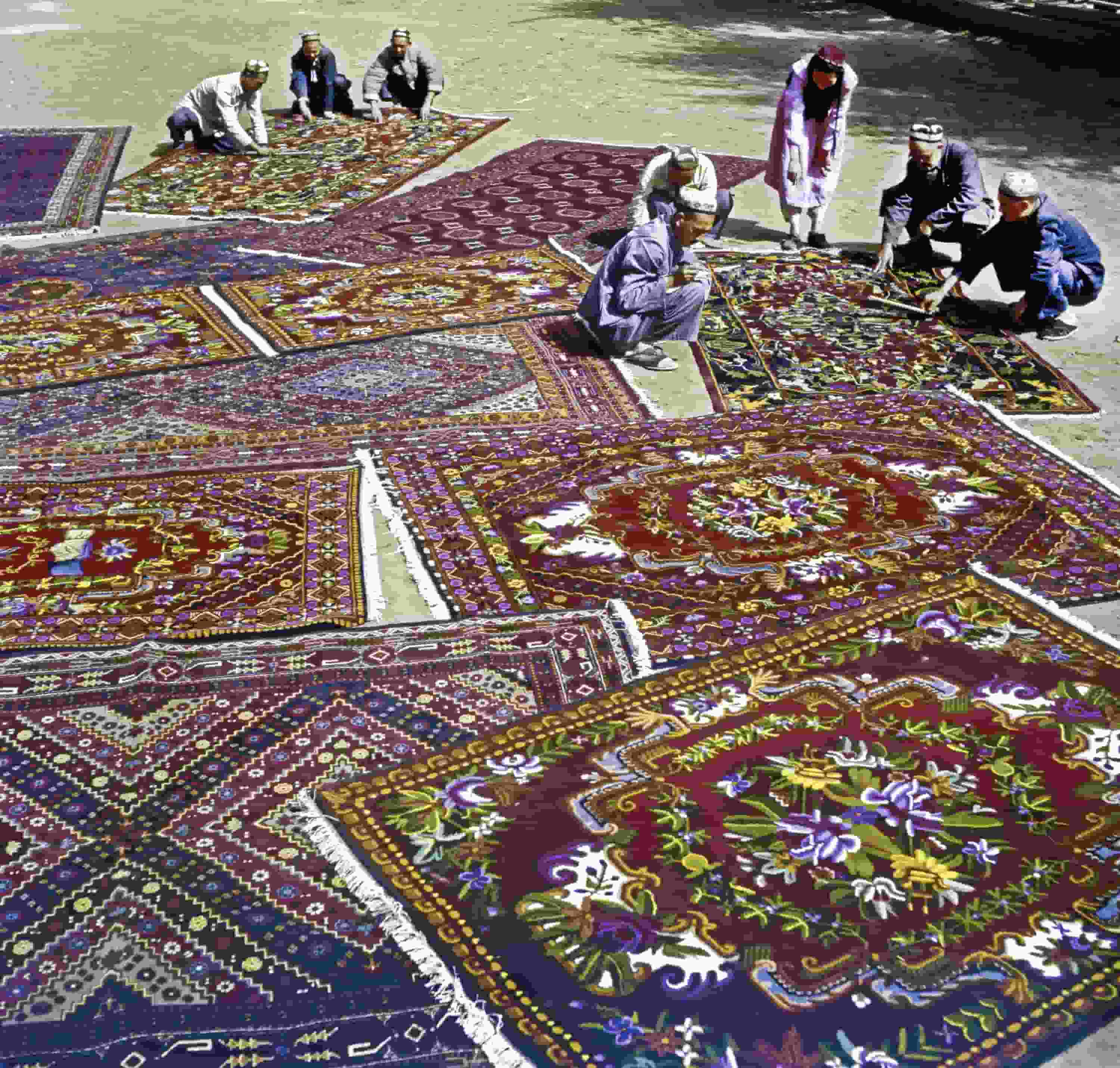
自然晾晒负责缓慢风干洗涤后的地毯。洗净的地毯平整摊开放置在通风阴凉场地,不能直接暴晒于烈日之下,强烈紫外线会造成天然染料褪色、羊毛纤维老化变脆。晾晒期间定时翻面,保证地毯正反两面均匀风干;全程管控干燥速度,过快风干容易导致毯面局部收缩变形。匠人定时观察干湿状态,完全干透之后收回。工序材料为洗涤完成的地毯,无额外工具。
Natural air-drying slowly dehydrates washed carpets. Cleaned carpets are spread flat on ventilated and shaded ground. Direct exposure to blazing sun is prohibited, as intense ultraviolet rays cause natural dye fading and aging brittleness of wool fibers. Carpets are turned over regularly during drying to achieve uniform dehydration on both sides. Drying speed should be controlled. Excessively fast drying easily triggers partial shrinkage and deformation. Craftsmen check humidity regularly and collect carpets once thoroughly dried. Raw material is washed carpet, and no extra tools are required.
成品修整 Final Finishing
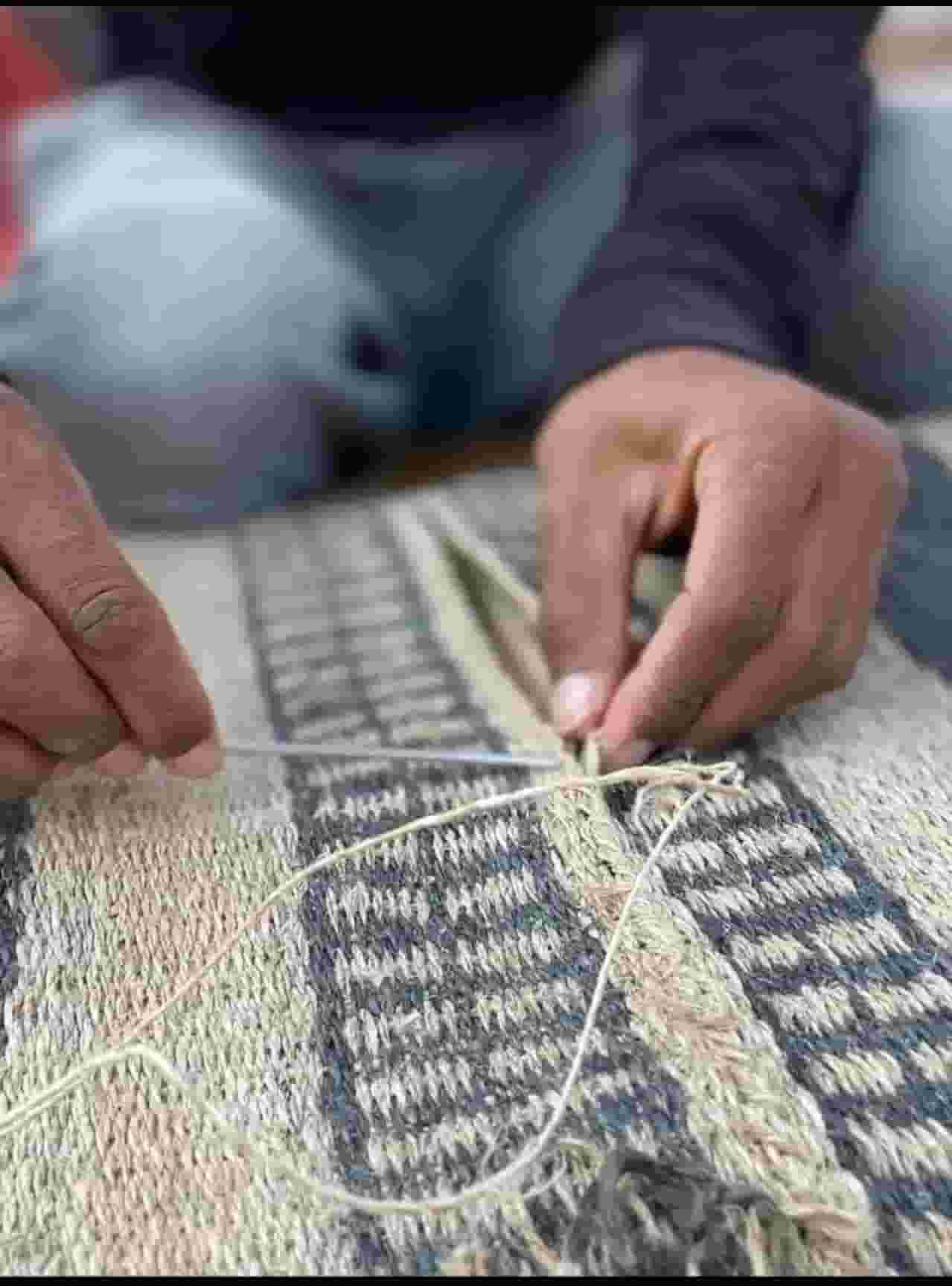
成品修整是整套工艺最后一道收尾工序。地毯完全干燥之后,匠人开展全面人工查验,仔细排查毯面断线、绒头缺损、边缘不整齐等各类瑕疵。针对细小破损进行手工修补,修剪杂乱边缘毛线,规整地毯四边轮廓,清理残留线头与杂物。完成全部修补整理后再次整体检视,确认纹样完整、毯面平整、色彩协调,符合传统工艺标准,最终得到成品维吾尔族手工栽绒地毯。工序材料为干燥后的半成品地毯,工具包含小剪刀、修补纱线、缝针。
Final finishing serves as the last finishing procedure of the whole craft. After complete drying, craftsmen conduct comprehensive manual inspection to detect defects including broken yarn, missing pile tufts and irregular edges. Minor damage is repaired manually, messy edge yarns are trimmed, four sides of carpets are shaped, and residual thread scraps and impurities are cleared away. Overall inspection is carried out after all repairs. Only carpets with intact patterns, flat surface and harmonious colours conforming to traditional craft standards become finished handmade Uyghur knotted pile carpets. Raw material is dried semi-finished carpet; tools include small scissors, repair yarn and sewing needles.
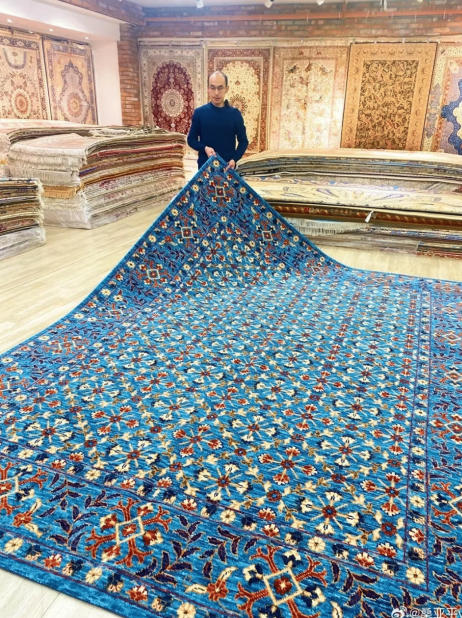
文化内涵与特色Cultural Connotations and Features
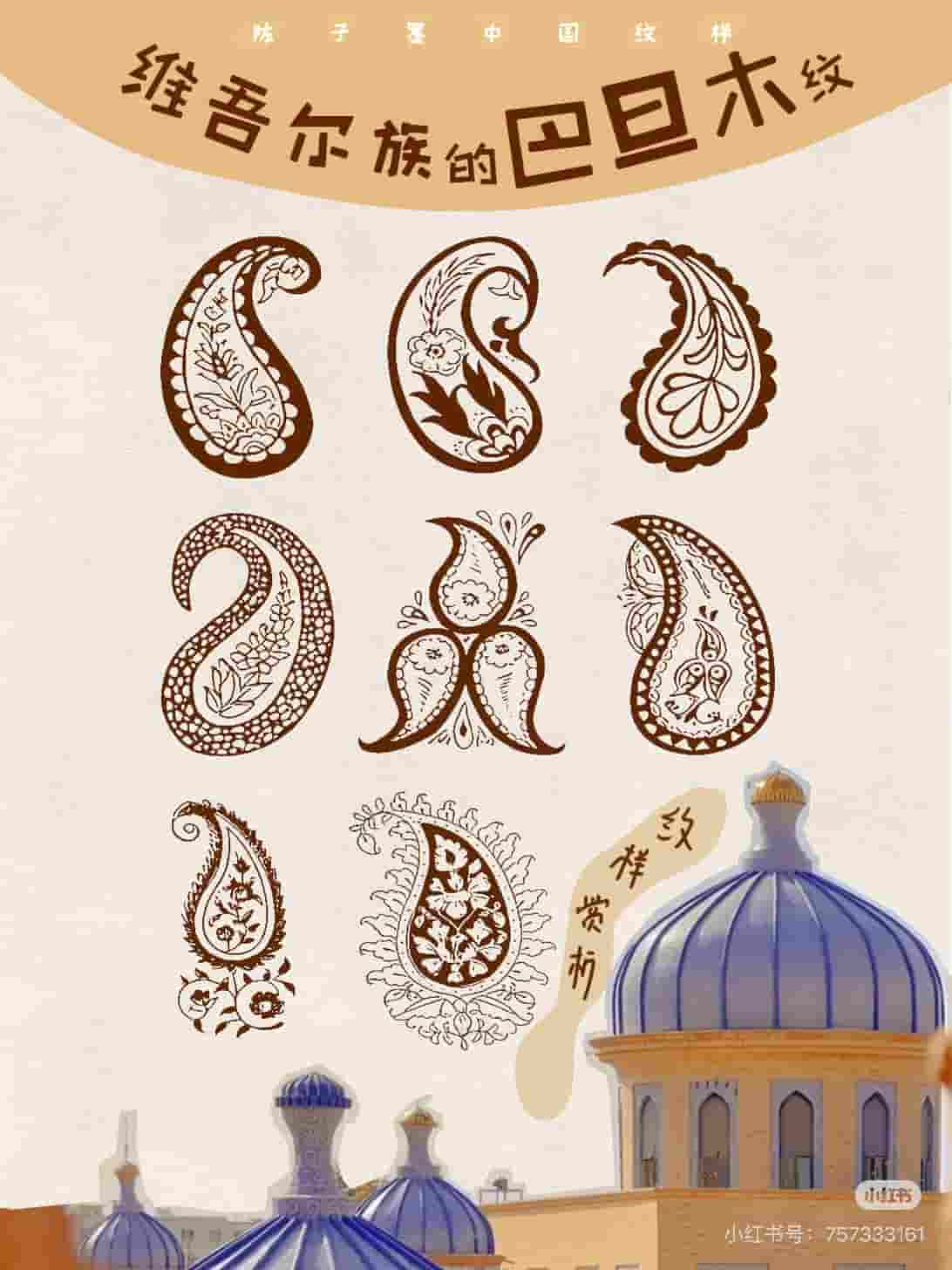
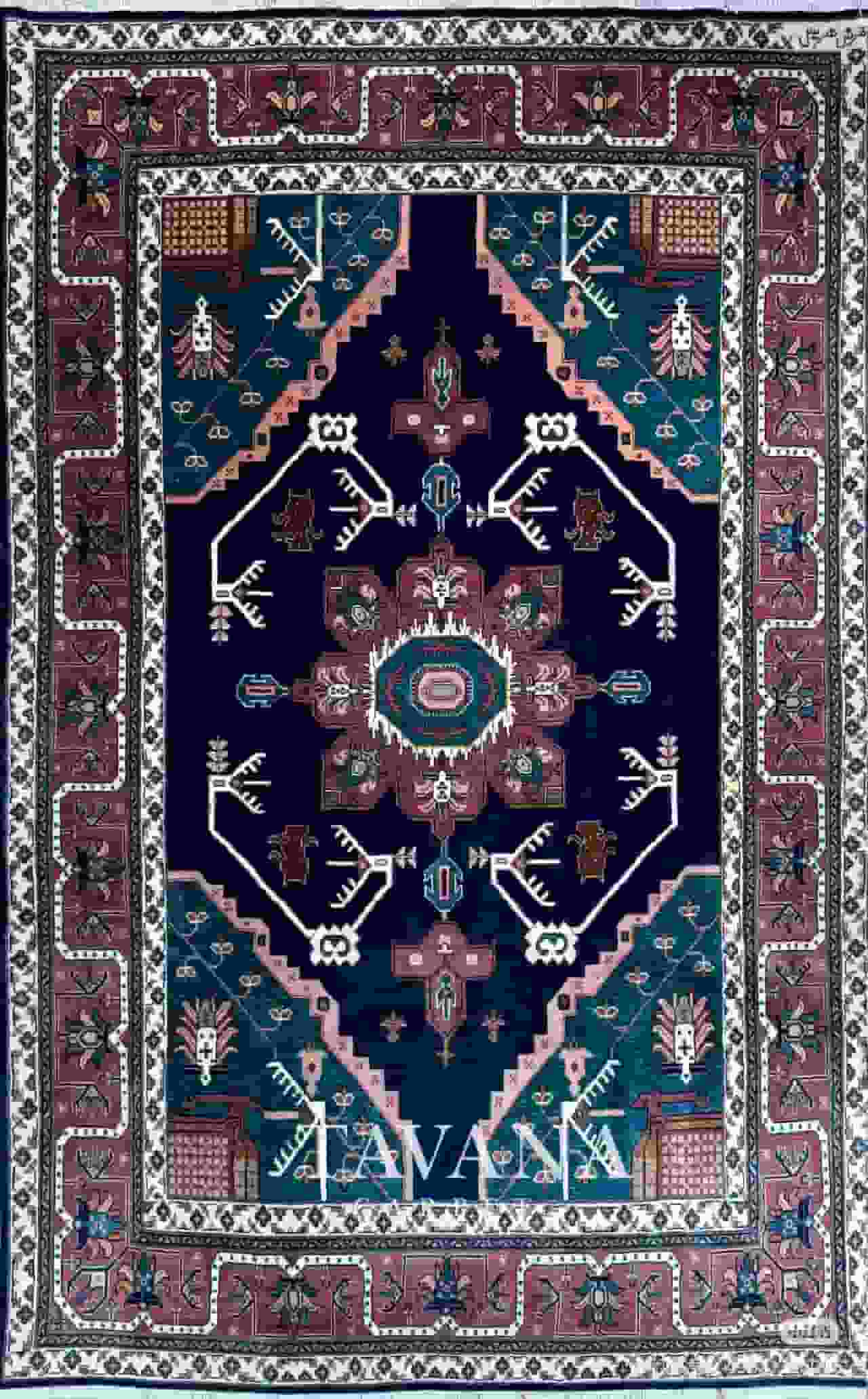
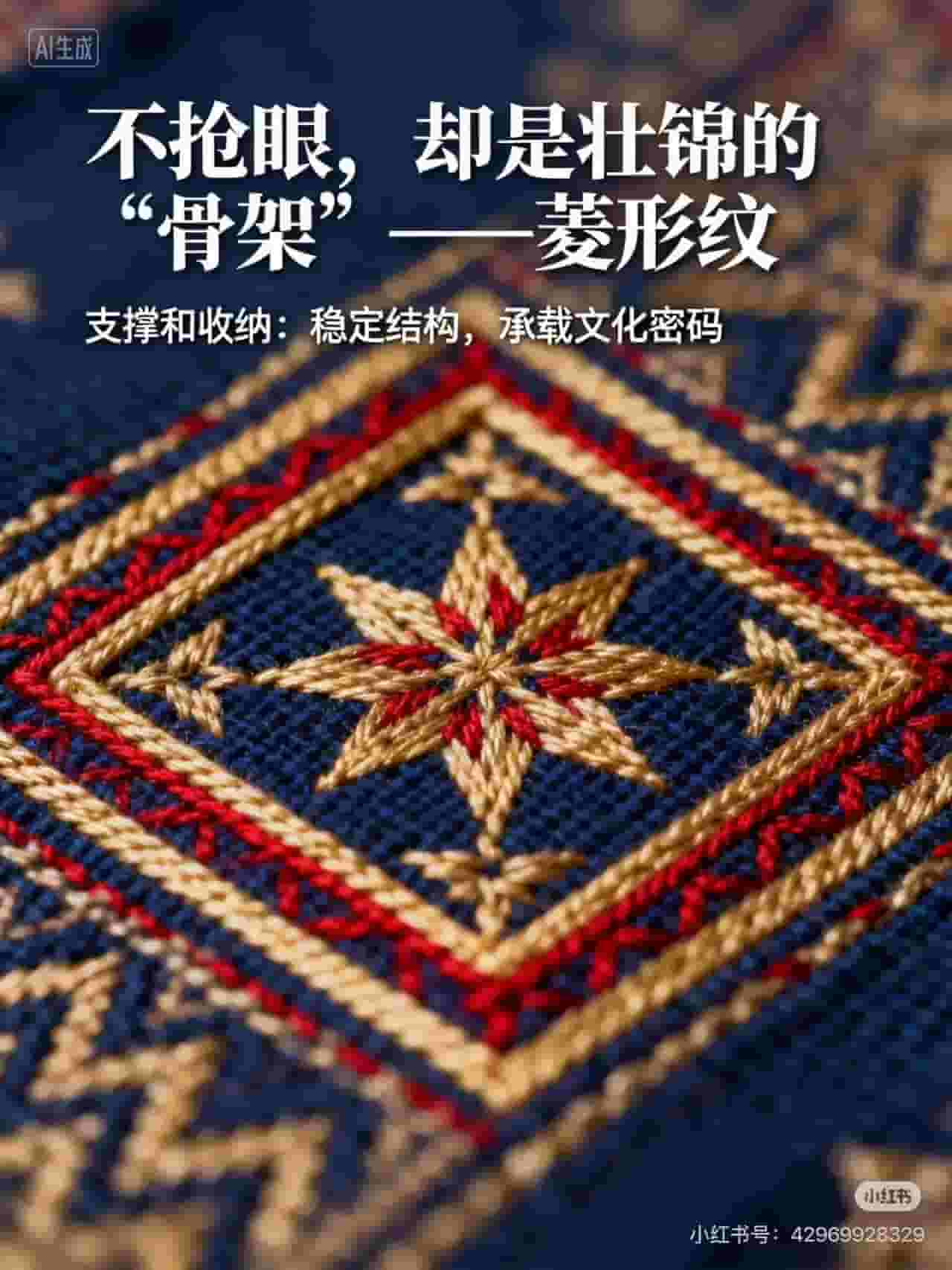
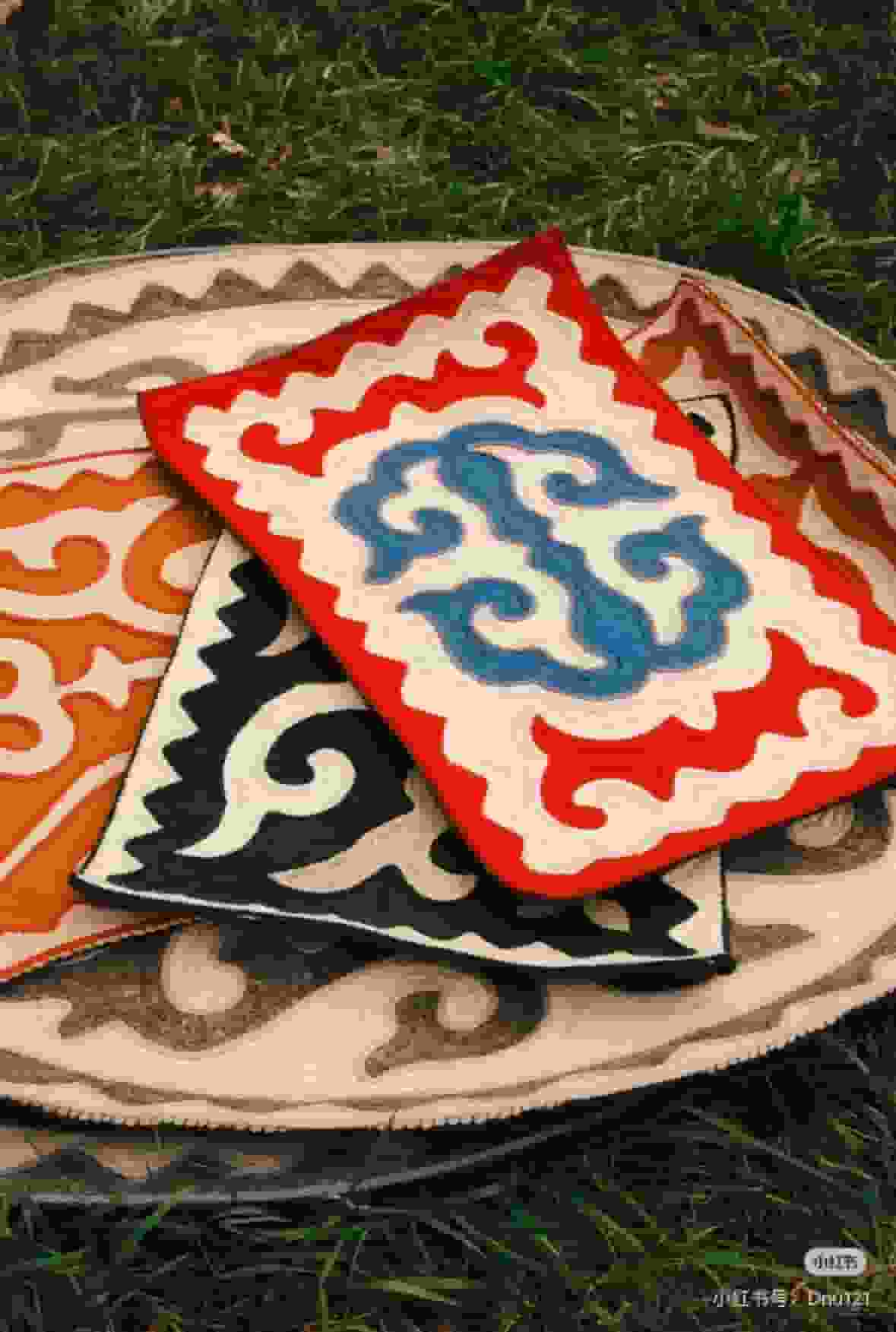
维吾尔族手工地毯之上纷繁多样的装饰纹样并非单纯的视觉装饰,而是经过千百年传承积淀形成的视觉文化符号体系,凝聚着南疆维吾尔族群世代相传的价值理念、对自然万物的理解以及朴素美好的精神寄托。各类植物纹样在地毯图案体系中占据核心位置,石榴纹象征家族兴旺、子孙绵延、生生不息;巴旦木花纹寄托着民众祈求平安健康、福寿绵长的心愿;连绵舒展的花卉藤蔓寓意绿洲永续、生机常在。大量几何纹样传承自古代西域先民的游牧图腾文化,循环往复的菱形纹、回纹代表生命周而复始、绵延不绝;羊角纹寄托着百姓期盼畜牧丰收、衣食充裕的愿望;热瓦甫纹、梳子纹、流苏纹等器物纹样,则将维吾尔族民众日常生产生活的景象提炼、简化为装饰图案。整套纹样体系融合绿洲农耕文明与草原游牧文明双重文化基因,同时吸纳古于阗文明、波斯艺术、阿拉伯装饰美学的诸多元素,是古丝绸之路多元文明持续交流融合留下的宝贵文化印记。在漫长历史中,维吾尔族匠人借助地毯纹样传递内心愿景,依托无声的图案完成民族文化的代际传递,地毯也因此演变为承载族群记忆的重要精神载体。
The numerous decorative patterns on Uyghur handmade carpets are not merely visual ornaments, but a visual cultural symbol system accumulated over thousands of years. They embody the values passed down from generation to generation among southern Xinjiang Uyghur communities, people's understanding of nature, and simple and sincere spiritual aspirations. Plant patterns occupy a core position in the pattern system of carpets. The pomegranate pattern symbolizes prosperous families, continuous descendants and eternal vitality; the almond blossom pattern expresses people's wishes for peace, health and longevity; continuous vine and flower patterns represent sustainable oases and endless life. A large number of geometric patterns inherit the nomadic totem culture of ancient Western Regions ancestors. Recurring rhombus patterns and meander patterns stand for cycles of life and eternity; the horn pattern embodies people's expectation of prosperous animal husbandry and sufficient food and clothing. Utensil patterns including rawap patterns, comb patterns and tassel patterns refine and simplify scenes from Uyghur people's daily production and life into decorative motifs. The complete pattern system integrates dual cultural genes of oasis farming civilization and grassland nomadic civilization. Meanwhile, it absorbs many elements from ancient Khotan civilization, Persian art and Arabian decorative aesthetics, serving as precious cultural heritage left by continuous exchanges and integration of diverse civilizations along the ancient Silk Road. Over a long period of history, Uyghur craftsmen conveyed inner visions through carpet patterns, and realized intergenerational inheritance of national culture via silent motifs. Therefore, carpets have evolved into vital spiritual carriers that preserve ethnic memories.
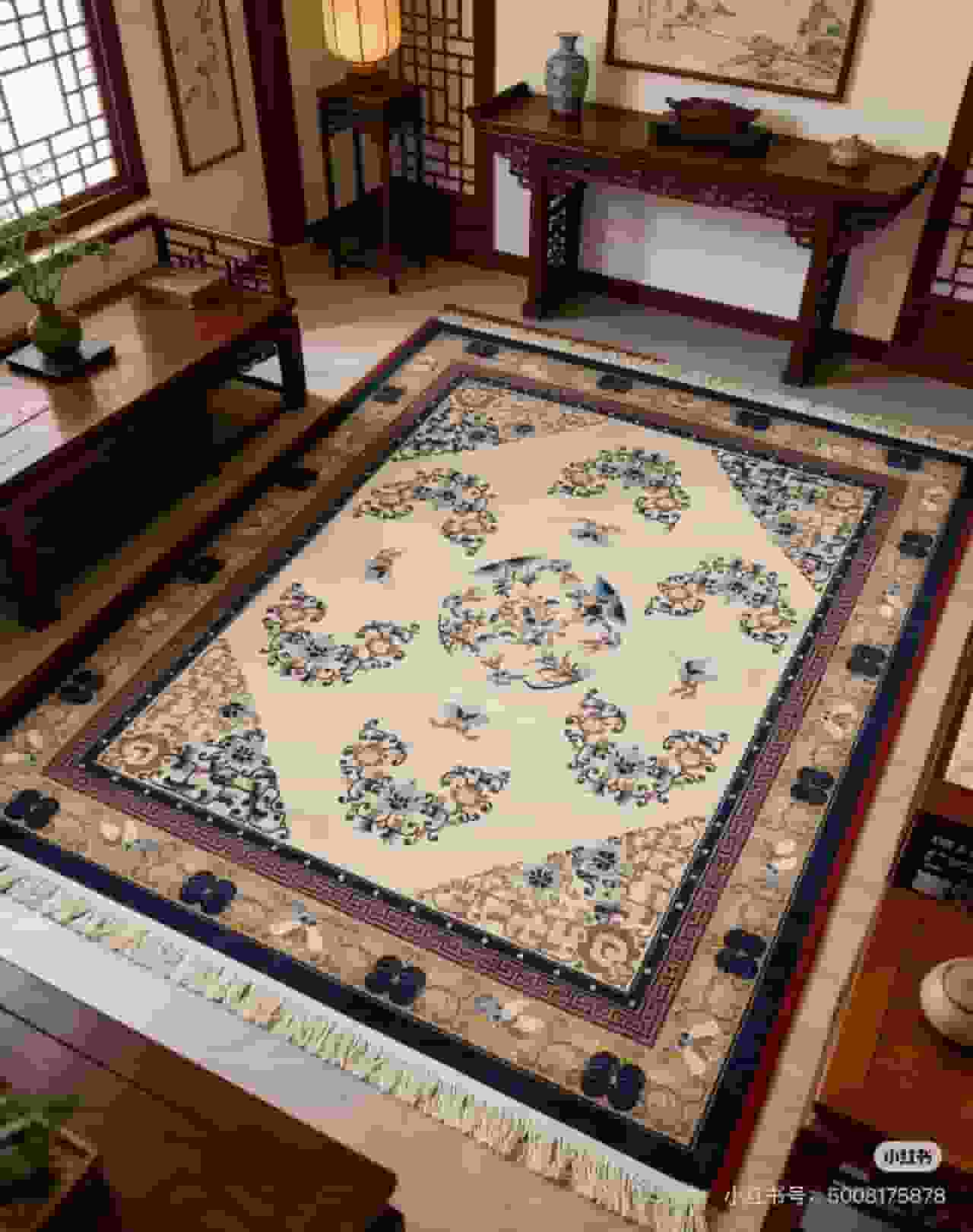
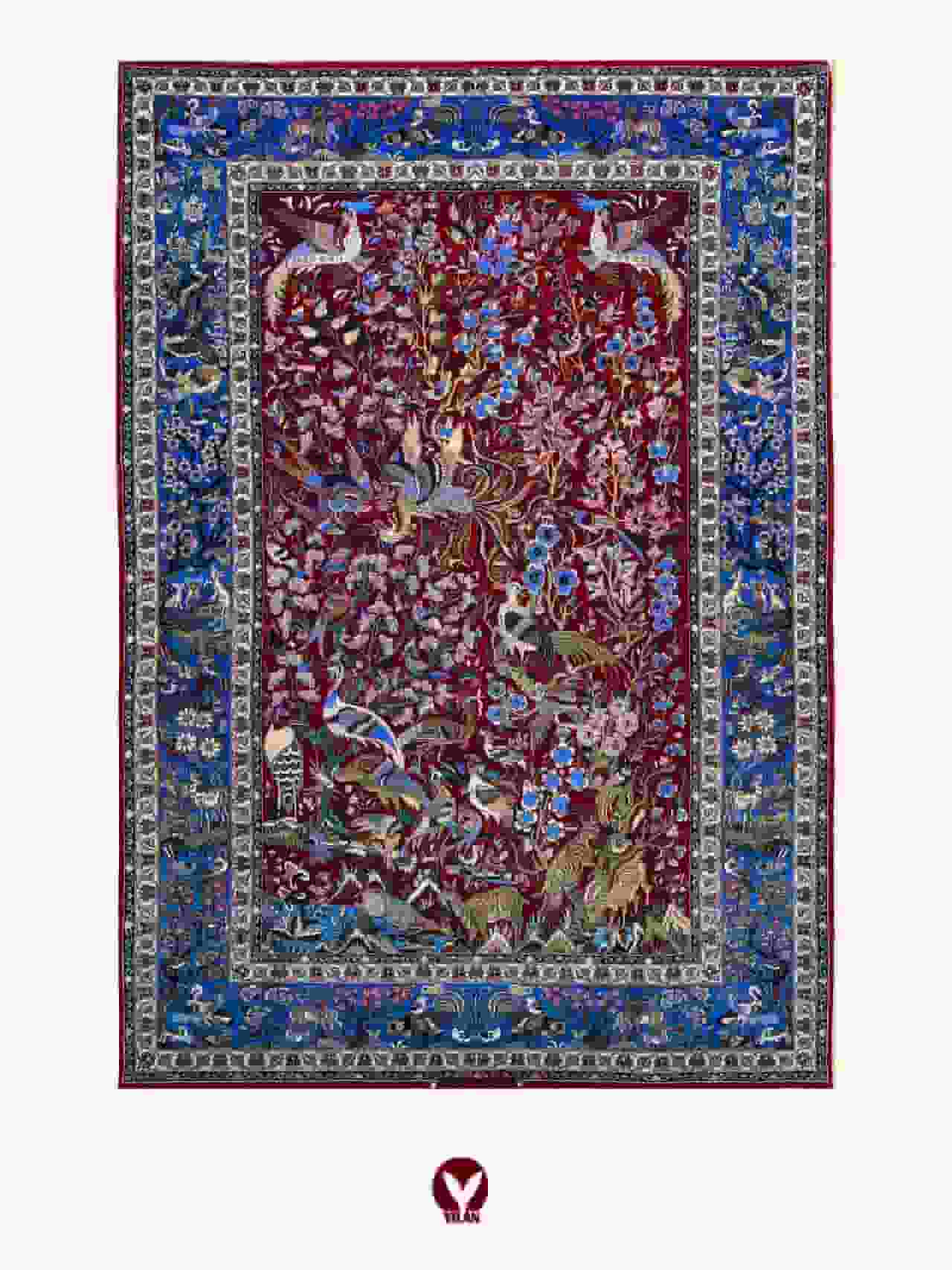
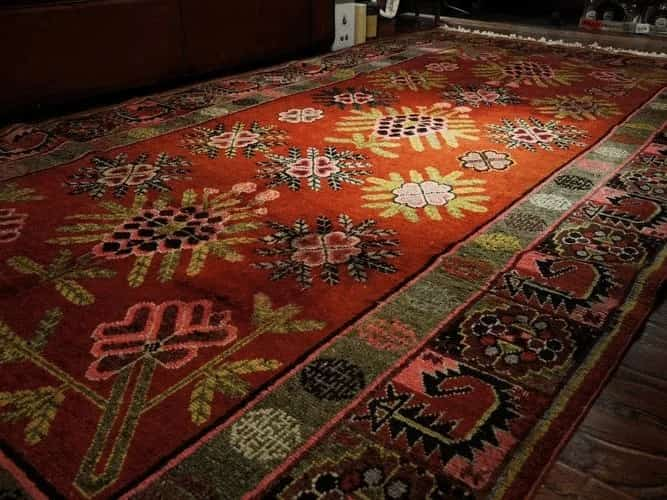
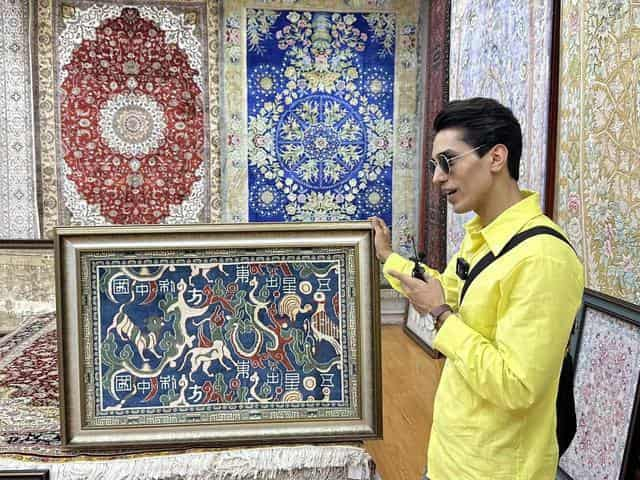
维吾尔族传统手工地毯拥有辨识度极高的艺术特色。在构图布局层面,普遍采用中心主纹样搭配多层边框的经典范式,整体画面均衡对称、饱满厚重。中心区域铺展主体装饰图案,外围环绕多层风格各异的装饰边框,层次分明,秩序感突出,构图注重疏密平衡,大面积底色与错落分布的纹样相互映衬,视觉效果沉稳大气,契合维吾尔族长久以来形成的传统审美取向。在色彩运用方面,传统织造依靠石榴外皮、茜草根、靛蓝草、核桃青皮等天然植物染料进行染色,色调温润厚重,色彩对比鲜明却不浮夸艳俗,藏蓝、赭红、米白、墨绿是最为经典的色彩组合,冷暖色调相互平衡调和。天然染料赋予地毯柔和内敛的色彩质感,相较于现代化工染料,不易在长期光照下快速褪色,拥有独一无二的复古美感。与此同时,独特的八字栽绒打结工艺造就地毯立体的绒面质感,让纹样富有空间层次感。传统匠人大多不机械复刻图纸,依靠经验现场放样织造,使得每一件手工地毯都存在细微的独特变化,不存在两张完全一模一样的作品,赋予手工织物鲜活、不可复制的艺术生命力。
Traditional Uyghur handmade carpets possess highly recognizable artistic characteristics. In terms of composition layout, they generally adopt the classic mode of a central main pattern surrounded by multi-layered borders. The whole picture is symmetrical, balanced, full and solemn. The central area displays main decorative motifs, encircled by multiple decorative borders of different styles with distinct layers and a strong sense of order. The composition pursues a balance between density and sparsity. Large-area base colors set off scattered patterns, creating a calm and grand visual effect, which conforms to the traditional aesthetic orientation formed by Uyghur people over centuries. In terms of color application, traditional weaving adopts natural plant dyes such as pomegranate peel, madder root, indigo and green walnut husk. The hues are mild and profound with striking yet elegant color contrast. Navy blue, ochre red, off-white and dark green are the most classic color combinations, where cold and warm tones coordinate and balance each other. Natural dyes endow carpets with soft and restrained texture. Compared with modern chemical dyes, they resist rapid fading under long-term sunlight and deliver an unparalleled retro aesthetic. Furthermore, the unique figure-eight pile-knotting technique creates three-dimensional pile surfaces of carpets, adding spatial layers to patterns. Most traditional craftsmen do not mechanically copy drawings but lay out patterns on site based on experience. As a result, every handmade carpet bears subtle unique variations. No two identical carpets can be produced, endowing handmade textiles with vivid and irreproducible artistic vitality.
这项织毯技艺具备浓厚且不可复制的南疆地域特征,根植于塔里木盆地边缘独特的绿洲文明,地域自然环境与人文环境共同塑造了技艺的整体面貌。和田、洛浦等核心产区坐落于昆仑山北麓,广阔的山地草场孕育出品质优良的和田绵羊,产出的半粗羊毛为地毯织造提供稳定优质原料;南疆荒野、绿洲中大量野生植物资源,为天然植物染色源源不断提供原材料。作为古丝绸之路南道上的交通枢纽,和田长期处于多元文明交汇地带,中原纺织技艺、中亚波斯织毯艺术与西域本土文化在此相互吸收、融合,逐步发展出区别于土耳其地毯、中亚其他地区织毯的独立艺术风格。南疆常年干燥多风沙,独特气候条件促使地毯成为民众重要生活用具,铺设地面能够隔绝寒气、阻挡尘土,悬挂墙面可以防潮保温,高度适配绿洲民居的居住环境。独特的自然条件、生产方式催生了织毯工艺,织毯也逐渐从一门手工技艺转变为绿洲居民赖以依托的生活必需品,地域属性深深烙印在整套织造技艺之中。
This carpet weaving craftsmanship bears profound and irreproducible southern Xinjiang regional features, rooted in the unique oasis civilization on the edge of the Tarim Basin. The regional natural and cultural environment jointly shapes the overall appearance of the craft. Core production areas such as Hotan and Lop are located at the northern foot of the Kunlun Mountains. Extensive mountain pastures breed high-quality Hotan sheep, whose semi-coarse wool provides stable and premium raw materials for carpet weaving. Abundant wild plant resources in southern Xinjiang's wilderness and oases continuously supply raw materials for natural plant dyeing. As a transportation hub on the southern route of the ancient Silk Road, Hotan has long been a meeting place of diverse civilizations. Central Plains textile techniques, Central Asian Persian carpet art and local Western Regions culture absorbed and integrated with one another, gradually developing an independent artistic style different from Turkish carpets and carpets from other Central Asian regions. Southern Xinjiang features a dry and windy climate all year round. The special climatic conditions make carpets essential daily supplies for local residents. Carpets laid on floors insulate against cold and dust, while those hung on walls prevent moisture and keep warmth, perfectly adapting to the living environment of oasis dwellings. Unique natural conditions and production modes gave birth to carpet weaving, which gradually developed from a handicraft into an indispensable daily necessity for oasis residents. Regional features are deeply imprinted on the whole set of weaving techniques.
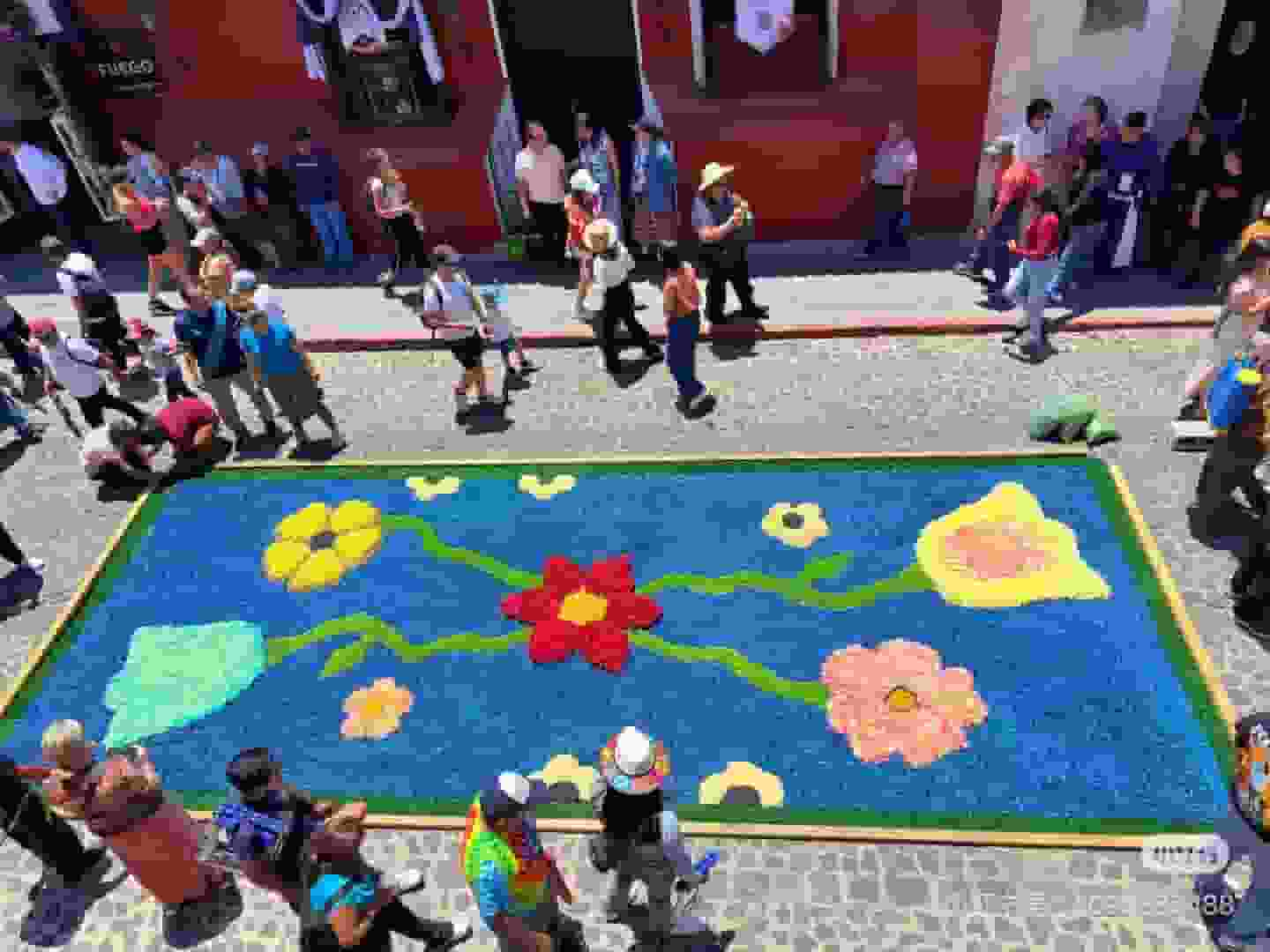
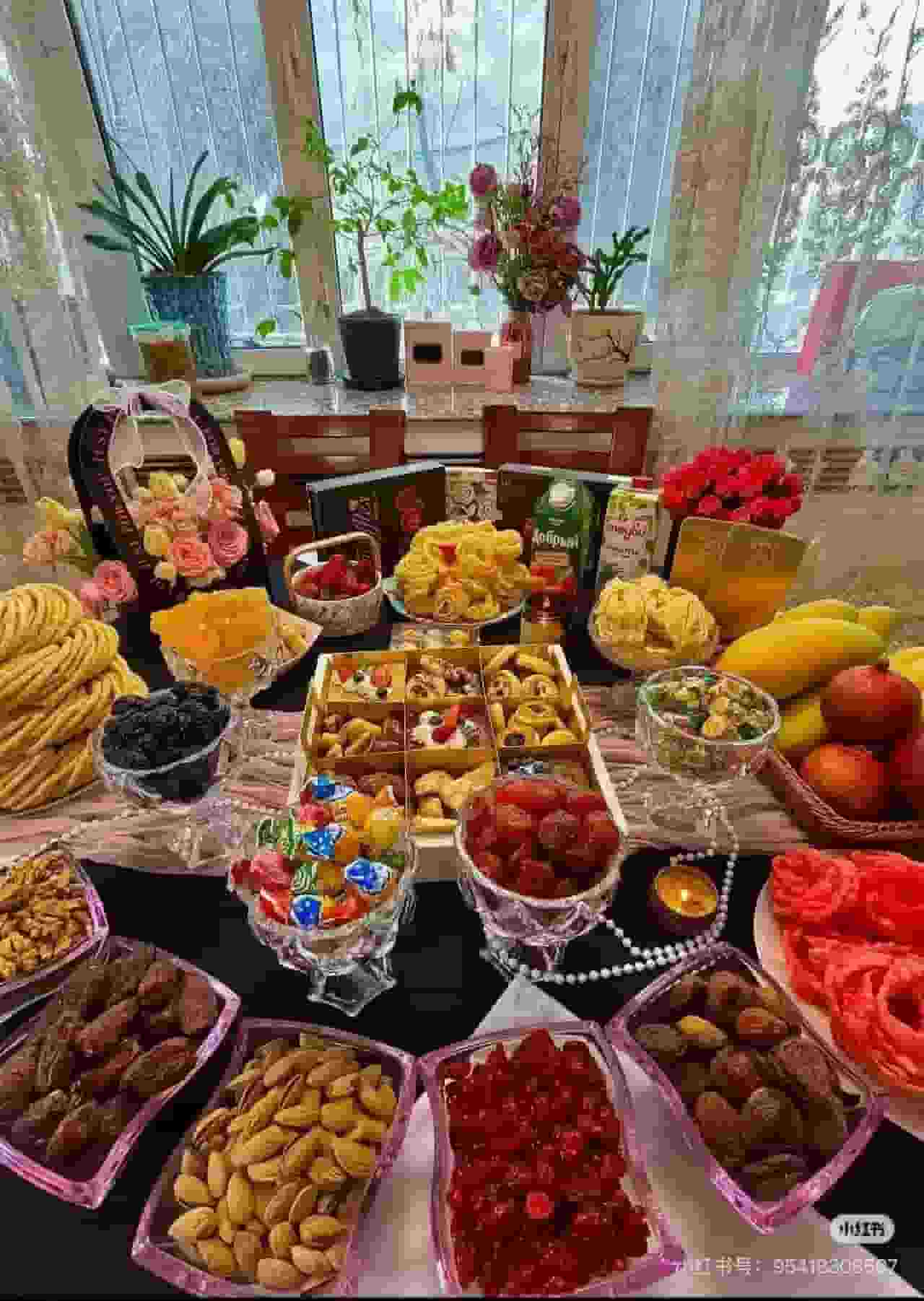
地毯深度融入维吾尔族民众的精神信仰与民俗生活,和本土信仰、各类民间习俗有着紧密联系。在维吾尔传统民居当中,地毯是厅堂不可或缺的基础陈设;每逢肉孜节、古尔邦节等重大民族节庆,家家户户都会陈设精致地毯招待来访宾客,充分彰显当地人热情好客的民族品格。在日常宗教礼拜活动里,地毯常被用作拜毯,洁净平整的毯面承载民众的精神诉求,民众普遍将整洁完好的地毯视作内心虔诚的外在表现,由此形成爱护织物、保持洁净的生活习惯。在传统婚嫁习俗中,手工编织地毯是重要陪嫁嫁妆,女方家庭准备手工地毯赠予新人,寓意祝愿新婚家庭安稳和睦、富足美满,承载亲友真挚的祝福。除此之外,地毯还广泛运用于丧葬仪式、民间庆典等各类重要场合。织毯、选购地毯、家中地毯的摆放方式,逐步形成约定俗成的民间规范。地毯早已超越普通生活用品的范畴,成为各类民俗仪式不可或缺的载体,持续维系着维吾尔族世代传承的传统生活礼仪与风俗。
Carpets are deeply integrated into Uyghur people's spiritual beliefs and folk customs, maintaining close connections with local faiths and various folk traditions. In traditional Uyghur residences, carpets are fundamental furnishings in halls. During major ethnic festivals such as Roza Festival and Corban Festival, every household displays exquisite carpets to receive guests, fully reflecting the nation's hospitable character. In daily religious worship activities, carpets are often used as prayer rugs. Clean and flat rug surfaces carry people's spiritual pursuits. Local residents generally regard tidy and intact carpets as external manifestations of inner piety, thus forming a lifestyle of cherishing textiles and maintaining cleanliness. In traditional marriage customs, handwoven carpets serve as important dowries. Bride's families present handmade carpets to newlyweds, wishing the young couple a stable, harmonious and prosperous family, embodying sincere blessings from relatives and friends. In addition, carpets are widely used in funeral rituals, folk celebrations and other important occasions. Rules about carpet weaving, selection and indoor placement have gradually become established folk norms. Far beyond ordinary daily goods, carpets have become indispensable carriers of various folk rituals, continuously sustaining traditional living etiquettes and customs passed down among Uyghur people for generations.
综合来看,维吾尔族地毯织造技艺融合南疆自然环境、丝绸之路多元文明、民间信仰与日常民俗。地毯纹样作为丰富的文化符号,承载着民众的精神向往;独特的构图、色彩体系与手工织造技法构筑起鲜明的艺术特征;南疆独有的绿洲文明孕育出技艺浓厚的地域风格;同时这项手工艺深度嵌入民众各类民俗与信仰活动。维吾尔族手工地毯不只是兼具实用价值与观赏价值的手工艺品,更是记录维吾尔族历史发展、审美观念、精神追求的重要物质载体,是丝绸之路文明交融留存下来弥足珍贵的非物质文化遗产。
To sum up, Uyghur carpet weaving craftsmanship incorporates the natural environment of southern Xinjiang, diverse civilizations along the Silk Road, folk beliefs and daily customs. As abundant cultural symbols, carpet patterns carry people's spiritual aspirations; unique composition, color systems and hand-weaving techniques form distinct artistic characteristics; the exclusive oasis civilization of southern Xinjiang nurtures the strong regional style of the craft. Moreover, this handicraft is deeply embedded in all kinds of folk customs and belief activities of local residents. Uyghur handmade carpets are not only handicrafts with both practical and ornamental value, but also important tangible carriers recording the historical development, aesthetic concepts and spiritual pursuits of the Uyghur people. It is an invaluable intangible cultural heritage preserved by the cultural integration along the Silk Road.
传承与保护现状Inheritance and Protection Status
维吾尔族地毯织造技艺列入第二批国家级非物质文化遗产名录(项目编号Ⅷ-110),经过长期发展,形成以国家级代表性传承人为核心、多元传承模式并行的发展格局。该项目国家级代表性传承人为买吐送·吐地(洛浦县,第三批国家级非遗传承人),自幼跟随父亲学习全套手工栽绒地毯织造工艺,精通和田传统十六种地毯样式,长期依托洛浦县时代地毯厂开展传习工作,招收本地村民为学徒,持续培养织毯匠人,代表作包含《十二木卡姆》《丝绸之路》主题艺术挂毯。除此之外,帕米尔·阿力甫、麦吾兰·穆合塔尔、阿尔孜古丽·穆太力普等自治区级、县级传承人持续活跃在产业一线,构成多层次传承梯队。
Inscribed on the second batch of National Intangible Cultural Heritage List (No.Ⅷ-110), Uyghur carpet weaving craftsmanship has formed a multi-layered inheritance system centered on national-level representative inheritors. Maitusong Tudi, the national-level representative inheritor registered in Lop County, mastered the complete set of hand-knotted carpet techniques under the tutelage of his father. He is proficient in sixteen classic traditional Hotan carpet styles. Based on Lop County Shidai Carpet Factory, he recruits local villagers as apprentices and cultivates numerous weaving artisans. His representative works include tapestries themed on Twelve Muqam and the Silk Road. Besides national inheritors, regional and county-level inheritors including Pamir Alifu, Mawlan Muhtar and Arzigul Mutalip work actively in the industry, forming a complete inheritance echelon.
长久以来,这项技艺主流传承方式分为家族传承与师徒口传心授两类。传统模式以家族世袭传承为根基,织毯手艺在家庭内部代代延续,孩童从小在织机旁耳濡目染,熟悉原料加工、扎染、栽绒打结全套流程;向外传播则采用师徒传承模式,没有标准化教材,依靠匠人现场示范、手把手教学,纹样布局、八字栽绒结手法、天然染料配比等核心经验依靠长期实践体悟。近年来,部分非遗工坊创新传承形式,开展集中培训班,打破过去封闭的家族传承局限,但核心手工技艺依旧离不开长时间实操练习。
For centuries, two primary inheritance modes have been adopted: family inheritance and mentorship through verbal instruction and hands-on teaching. Traditionally, techniques were passed down within clans. Children grew up beside wooden looms and gradually mastered the whole procedures from raw material treatment, plant dyeing to pile knotting. The external transmission relies on master-apprentice teaching without standardized textbooks. Core experience such as figure-eight pile knots, pattern layout and natural dye formula can only be acquired through long-term practice under on-site demonstration. In recent years, many intangible cultural heritage workshops have innovated training models by organizing centralized courses, breaking the closed limits of family inheritance. Nevertheless, proficiency in core handmade skills still requires long-term practical training.
各级政府持续出台多项政策推进技艺保护。首先落实传承人扶持政策,为国家级、自治区级传承人提供专项补助,支持传承人开展授课、展览、作品创作;确定洛浦县时代地毯厂作为法定项目保护单位,搭建稳定传习阵地。其次大力扶持非遗工坊建设,在洛浦、和田打造多家集织造、体验、展示一体的非遗生产性保护基地,吸纳乡村妇女就近就业,实现非遗与乡村振兴相结合。同时积极推进文旅融合发展,组织匠人参加中国—亚欧博览会、全国非遗大展等各类展会,在和田团城、洛浦文旅景区设立技艺体验展厅,面向游客展示织造全过程;推动非遗进校园、进社区,开展技艺科普,扩大大众认知。当地行业协会同步助力品牌培育,鼓励匠人注册自主品牌,推动手工地毯对外销售,拓展国内与海外市场。
Governments at all levels have carried out systematic protection measures. Financial subsidies are provided for national and regional inheritors to support training, exhibitions and artistic creation. Lop County Shidai Carpet Factory is designated as the official protection institution of this heritage project to provide stable venues for skill inheritance. Local authorities support the construction of intangible cultural heritage workshops in Hotan and Lop, integrating carpet production, tourist experience and exhibition. These bases offer local rural residents nearby employment opportunities and combine heritage protection with rural revitalization. Cultural and tourism integration is vigorously promoted. Craftsmen are invited to participate in China-Eurasia Expo and national heritage exhibitions. Experience halls are built in tourist attractions of Hotan and Lop to demonstrate weaving procedures to visitors. Campaigns of bringing heritage knowledge into schools and communities are launched to raise public awareness. Industrial associations help build local brands and expand domestic and overseas sales channels for handmade carpets.
尽管保护工作稳步推进,维吾尔族地毯织造技艺依旧面临多重现实挑战。第一是传承人老龄化问题突出,资深手工织毯匠人大多为中老年人;整套工艺工序繁复,一张高密度手工地毯织造周期长达数月,工作强度大、收入回报周期漫长,许多年轻人不愿意花费数年时间潜心学习,青年后备人才储备不足,部分古法纹样、高端打结技艺存在传承断层风险。第二是工业化产品带来强烈市场化冲击,机器织造地毯生产成本低廉、出货速度快、售价更低,大量抢占大众消费市场;纯手工地毯定价偏高,普通家庭消费意愿有限。第三,传统天然植物染色工艺费时费力,原料采集难度上升,不少工坊简化工序改用化工染料,传统古法工艺存续空间不断压缩;传统图案设计偏复古,和当代年轻人家居审美存在差距,产品创新力度仍有待加强。
Despite positive progress, the craft is confronted with severe challenges. First of all, the aging of inheritors becomes a prominent problem. Most experienced weavers are middle-aged and elderly people. Handmade carpet production contains complicated procedures; a single high-density carpet often takes several months to complete with heavy workload. Young people are reluctant to spend years learning this craft, leading to insufficient young successors. Some ancient patterns and sophisticated knotting techniques face the risk of being lost. Secondly, industrial machine-woven carpets create fierce market competition. Machine-made products cost less and have shorter production cycles with lower prices, occupying the mass consumer market. Pure handmade carpets carry relatively high prices, which discourages ordinary consumers. Thirdly, traditional natural plant dyeing is time-consuming, and raw plant materials are harder to collect. Many workshops turn to chemical dyes to simplify production, narrowing the living space of ancient traditional techniques. In addition, classic traditional patterns cannot fully meet modern aesthetic demands of young consumers, requiring further creative upgrading of products.
总体来看,当前维吾尔族地毯织造技艺已经构建起"传承人传习+工坊生产+文旅推广"的保护体系,政策扶持为技艺延续提供重要保障。但人才断层、工业化冲击、产品创新不足等难题依旧制约长久发展。未来需要持续优化传承培育机制,鼓励青年匠人开展纹样创新、数字化图案设计,平衡传统技艺原汁原味保护与市场化创新发展,让千年织毯技艺持续活态传承。
To sum up, a comprehensive protection framework combining inheritance teaching, workshop production and cultural tourism promotion has been established. Policy support lays a solid foundation for the survival of Uyghur carpet weaving craftsmanship. However, talent shortage, industrial competition and insufficient product innovation still restrict its sustainable development. In the future, authorities and craftsmen need to optimize youth training systems, encourage inheritors to innovate patterns and apply digital design. Balancing authentic protection and market-oriented innovation will help sustain this millennia-old weaving technique for long-term living inheritance.
图片展示Photo Gallery
工艺流程图片Craft Process Photos
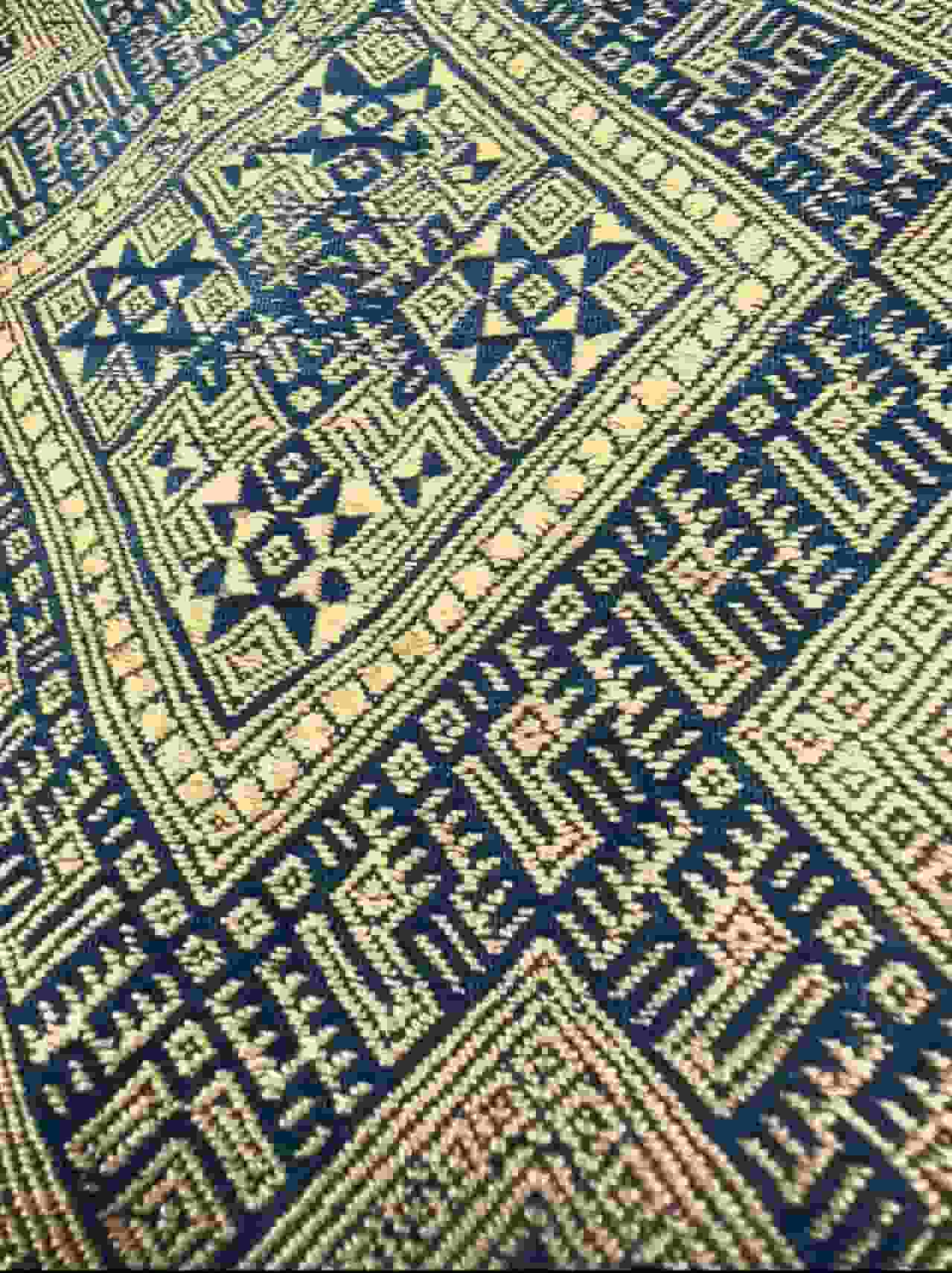
八角星
eight-pointed star
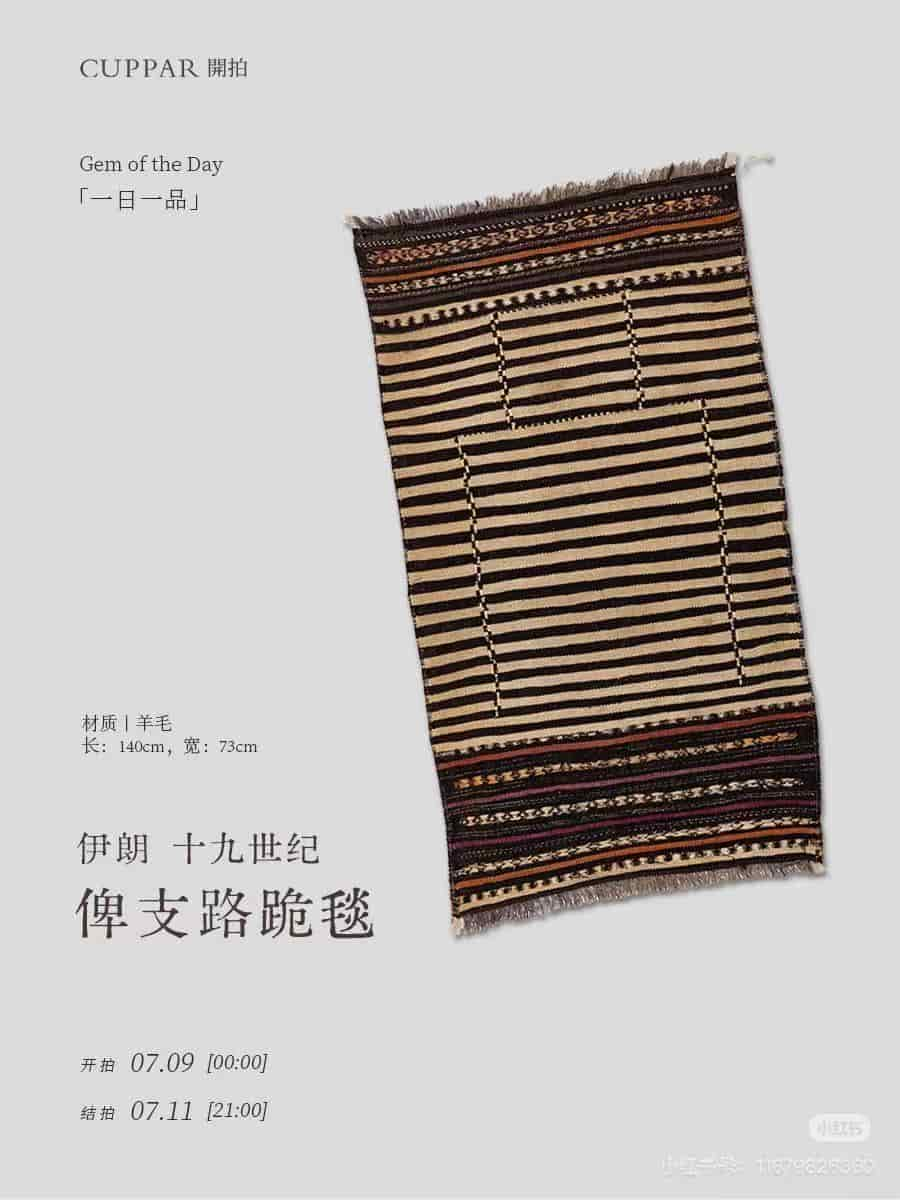
拜毯
Bai Tan
八字节
eight bytes
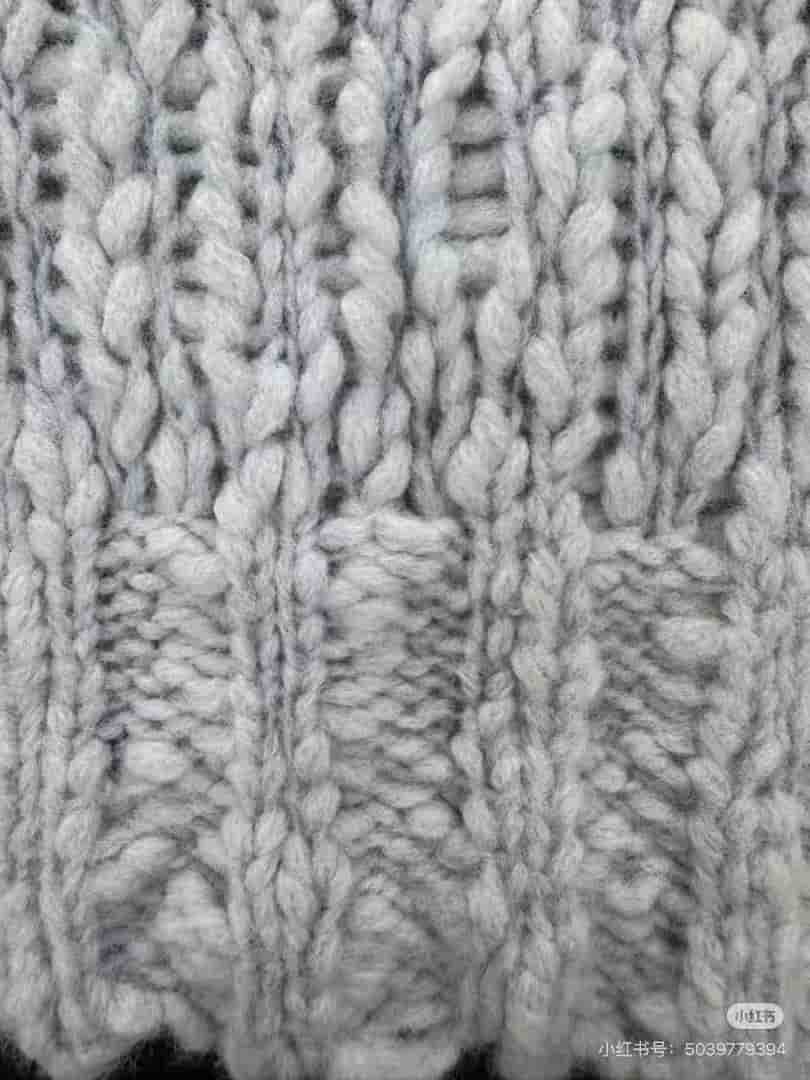
半粗毛羊毛
Semi coarse wool
穿综引筘
Wearing integrated reed
巴旦木纹
Badan wood grain
边框
border
弹毛弓
Bullet hair bow
靛蓝草
Indigo Grass
多次浸染
Multiple immersion dyeing
古精绝国
Ancient and exquisite country
穿综
drawing-in
彩色绒纱
Colored velvet yarn
单股毛线
Single strand yarn
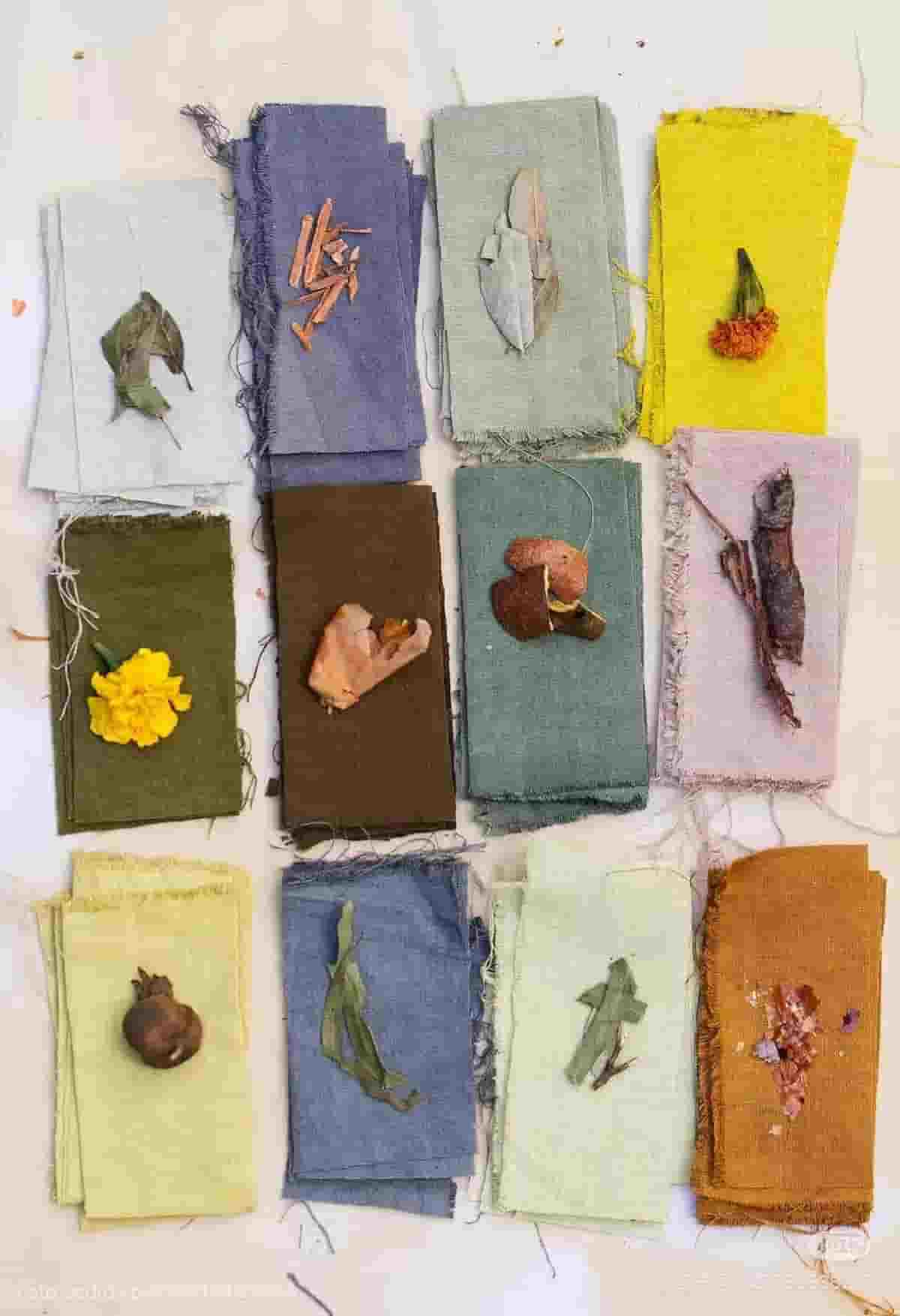
草木色素
Plant pigments
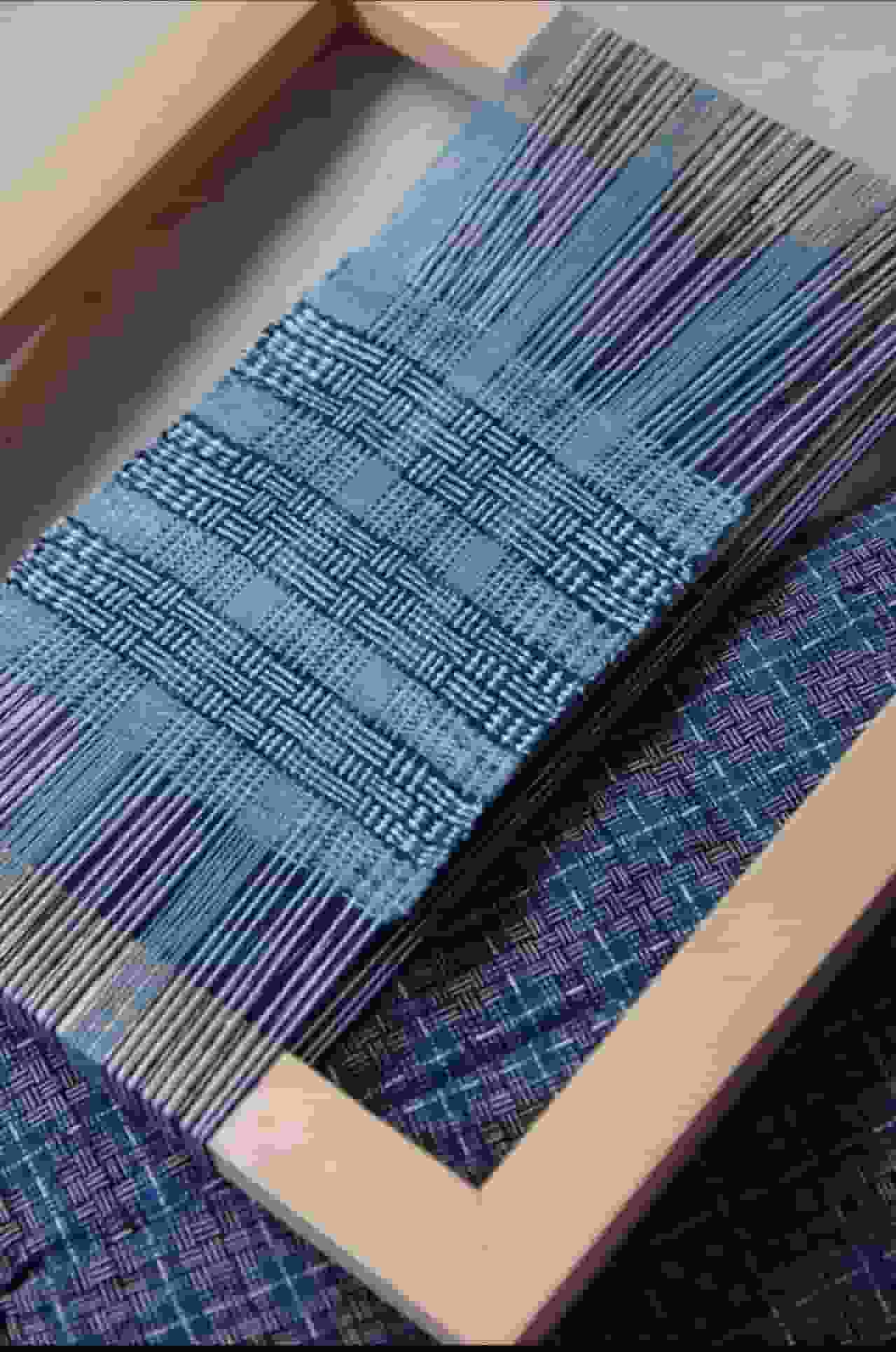
底布经纬纱
Bottom fabric warp and weft yarn
核桃皮
Walnut peel
高温速染
High temperature rapid dyeing
经线
meridian
喀什市
Kashgar City
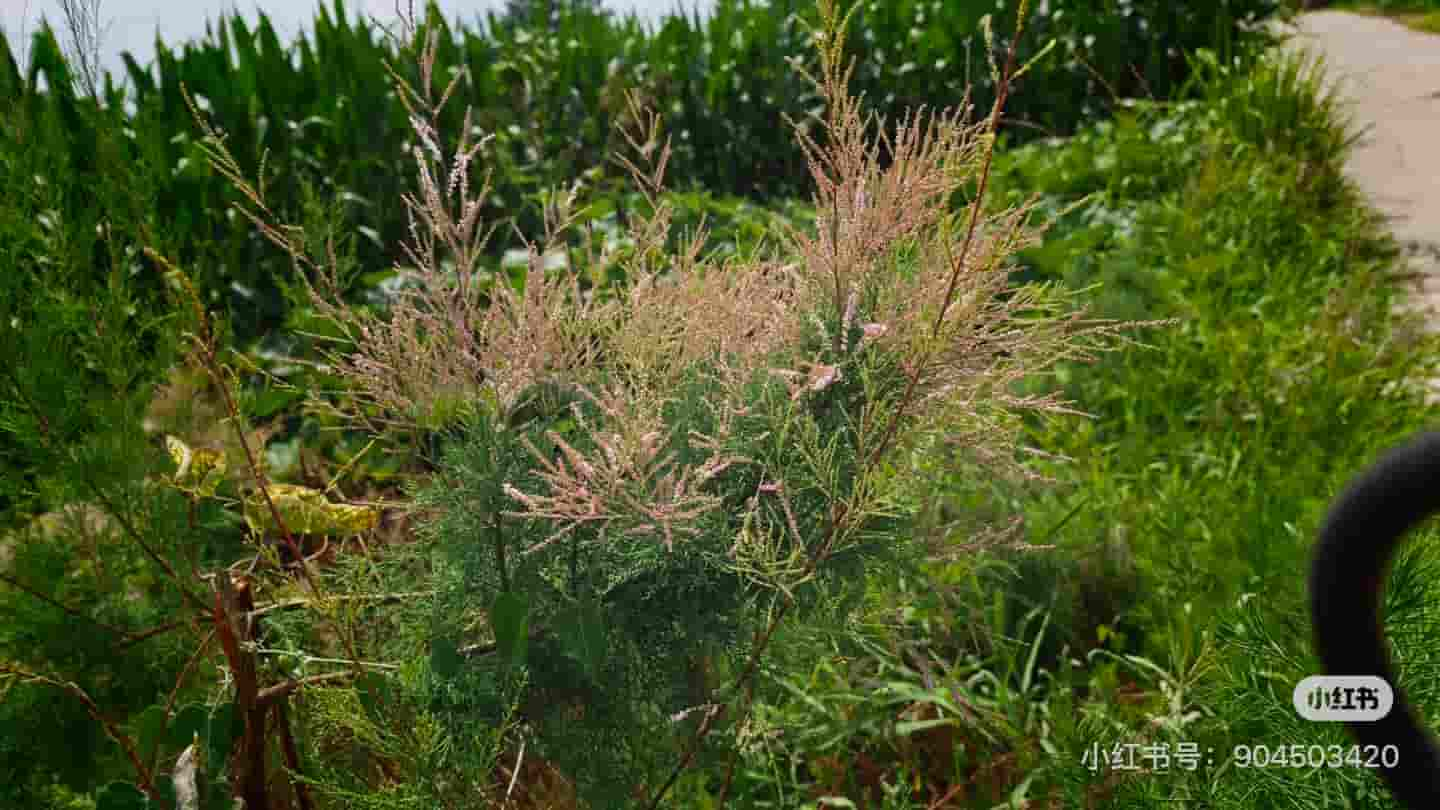
红柳根
Red Willow Root
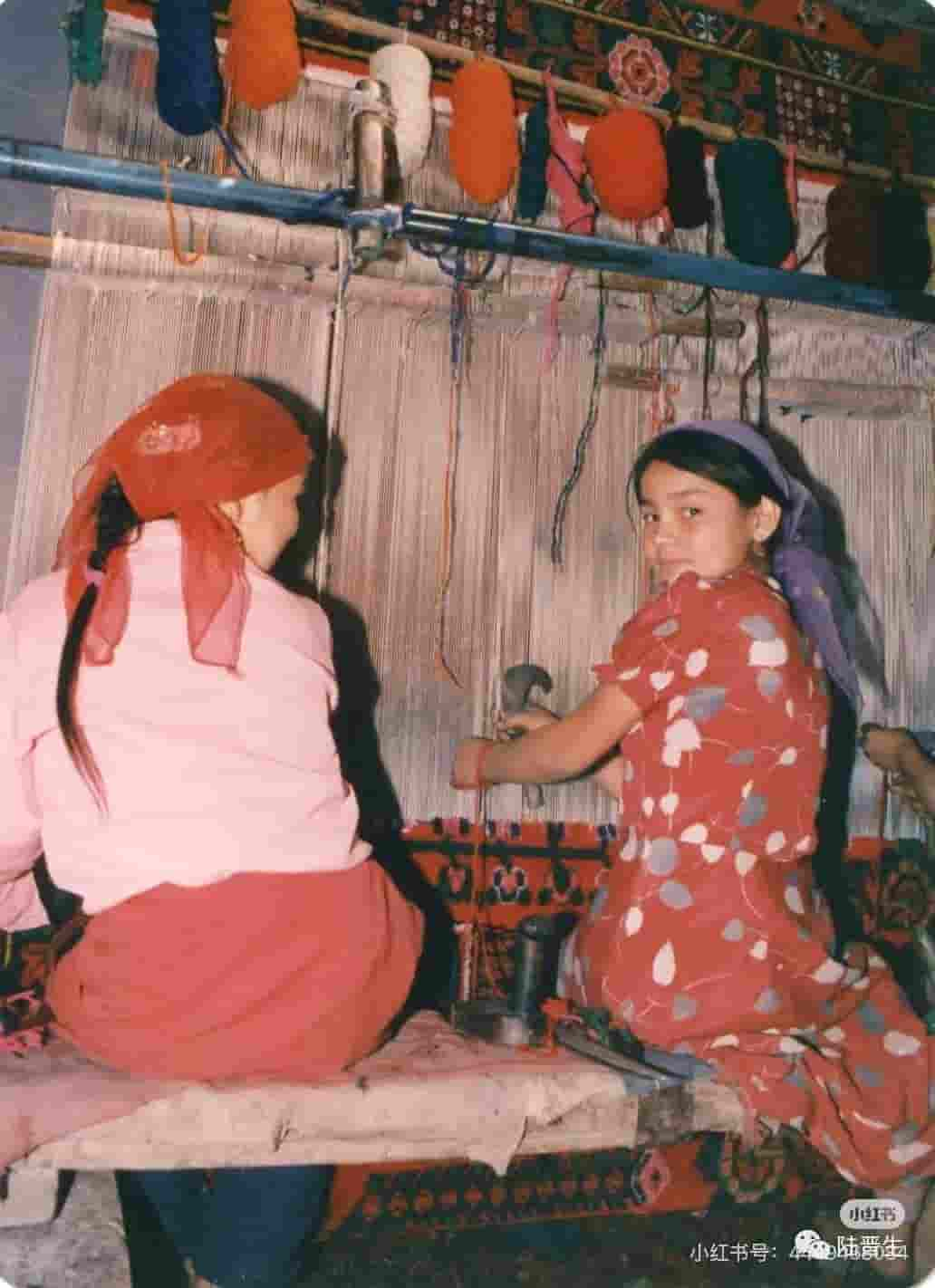
卷筒
roll
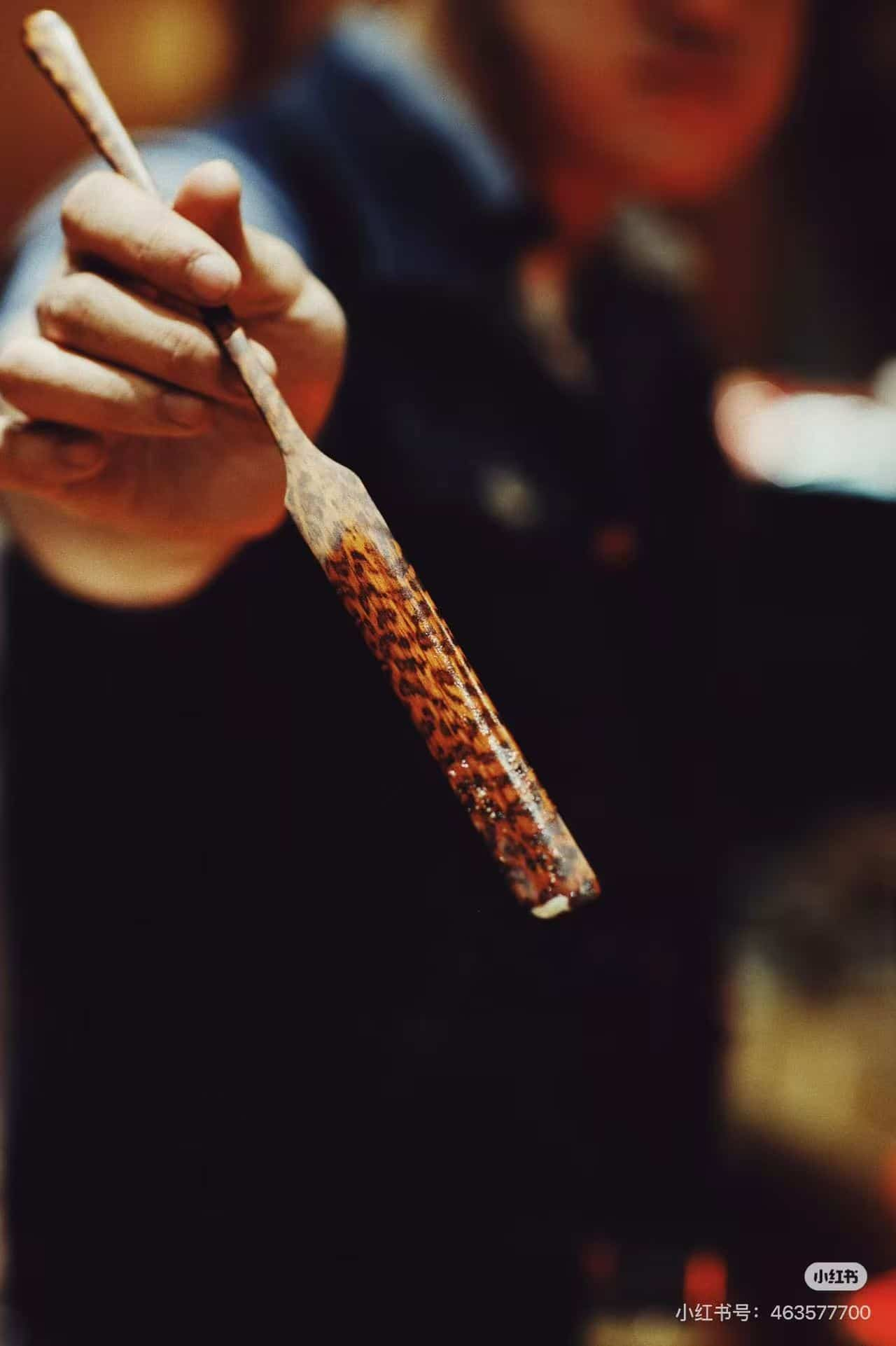
搅拌木棍
Mixing wooden stick
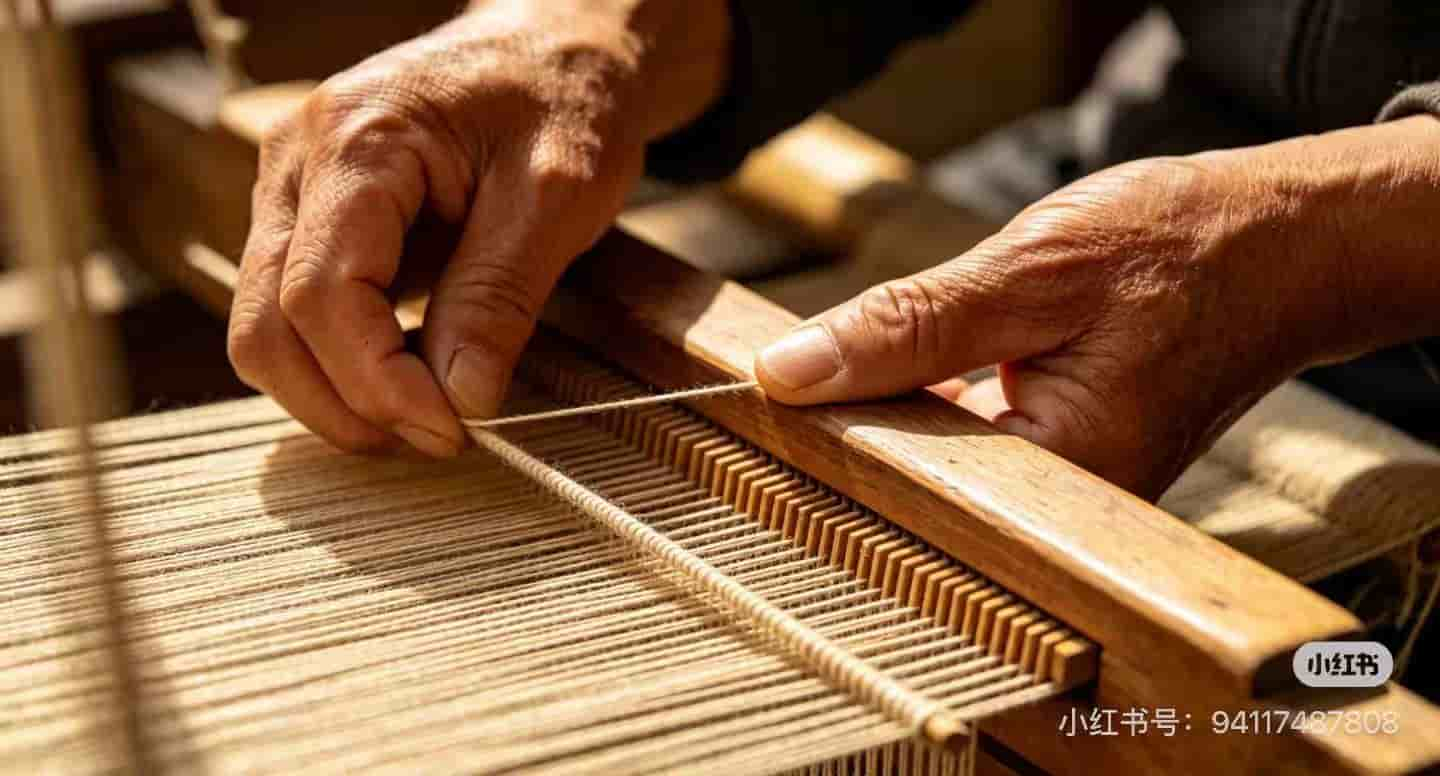
筘齿
Reed teeth
立体绒面
Three-dimensional velvet surface
简牍
Bamboo slips
立式木织机
Vertical wooden loom

洛浦县
Luopu County
经轴
warp beam
桑蚕丝
mulberry silk
宫廷花毯作坊
Palace Flower Carpet Workshop
染纱
dyeing yarn
民丰县
Minfeng County
民间庆典
Folk celebrations
牡丹纹
Peony pattern
木盆
wooden basin
棉线
cotton thread
明矾
Alum
流苏纹
Tassel pattern
尼雅遗址
Niya Site
几何纹
geometric patterns
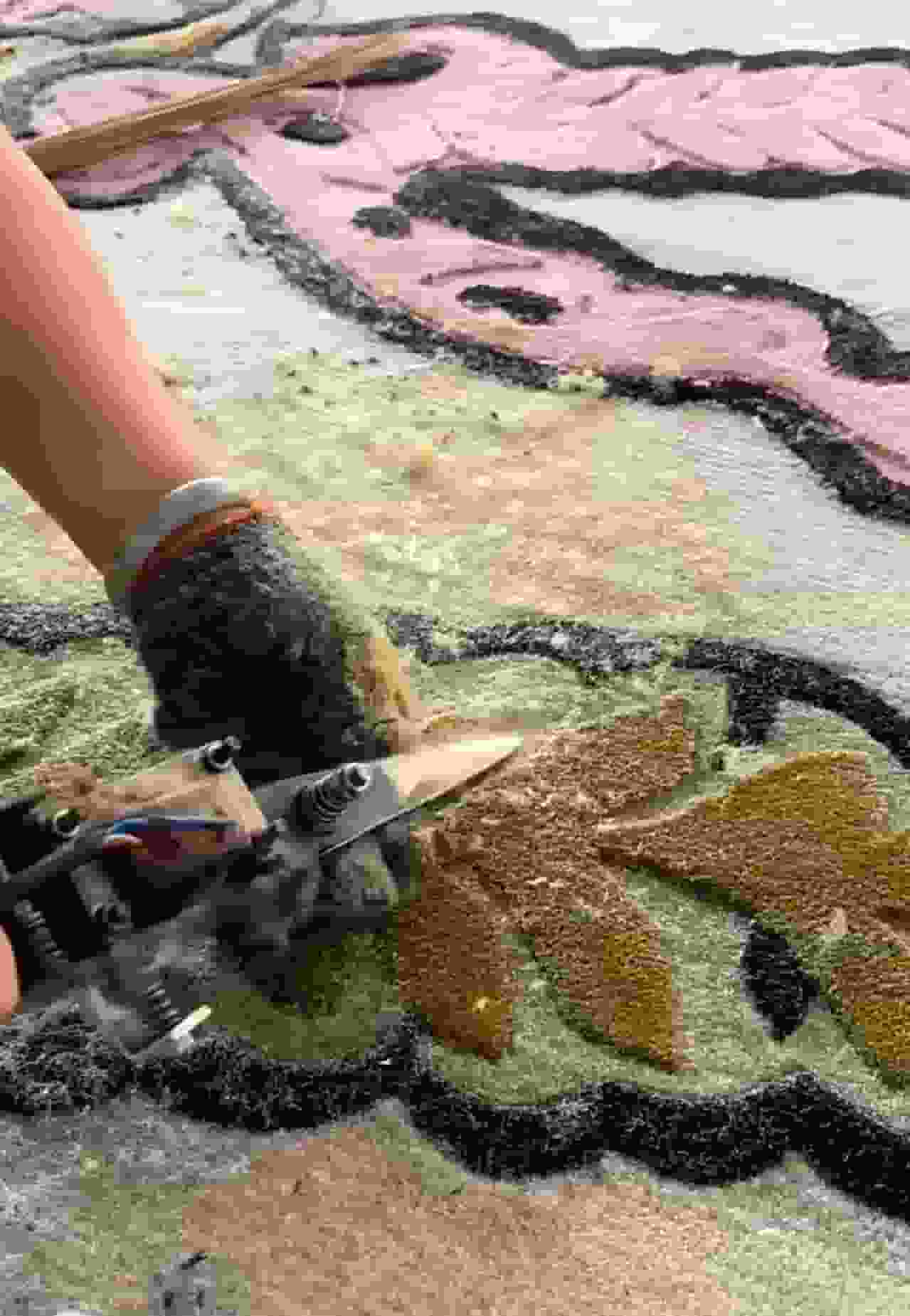
剪花
Cutting flowers
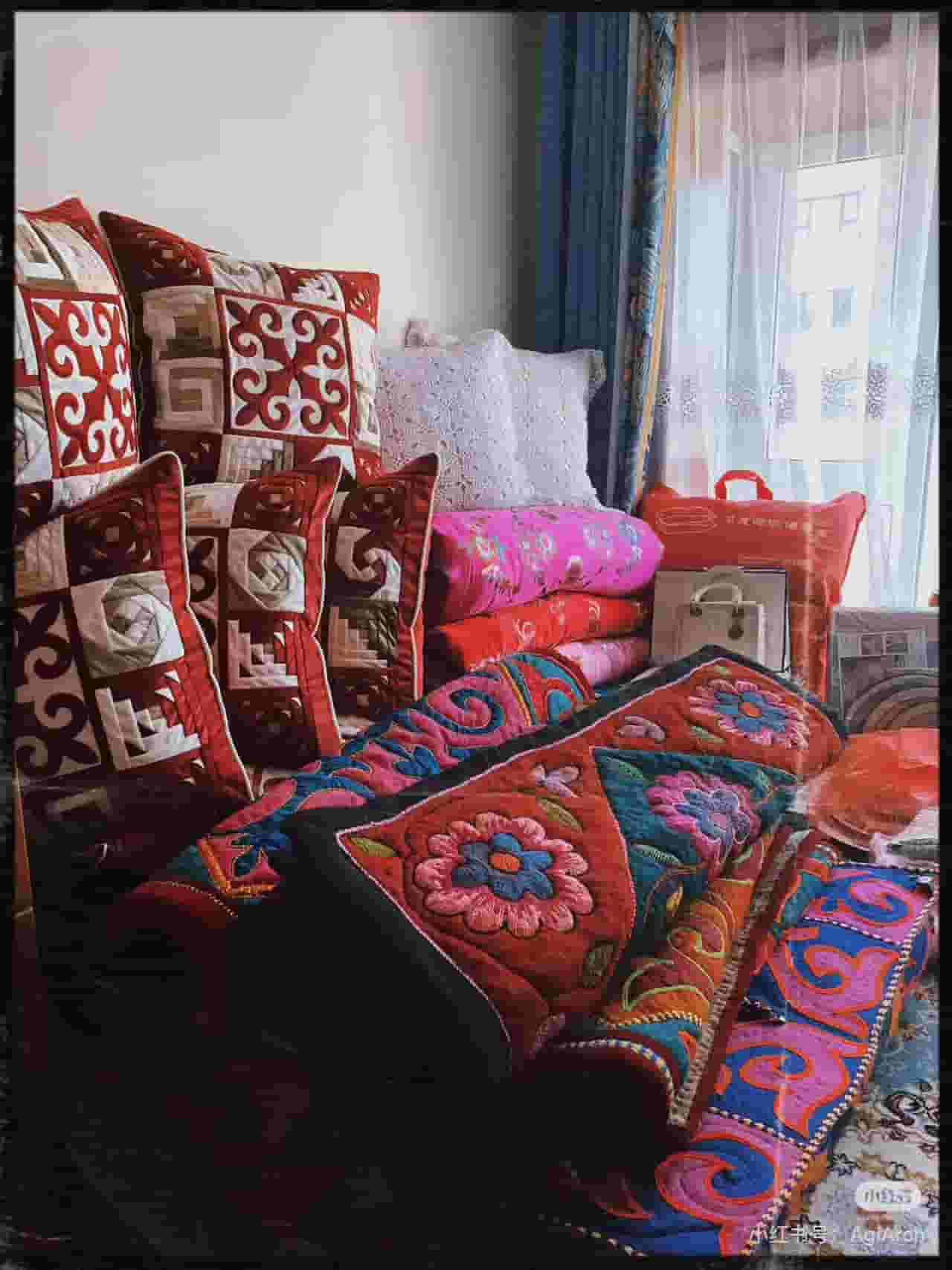
陪嫁嫁妆
Dowry
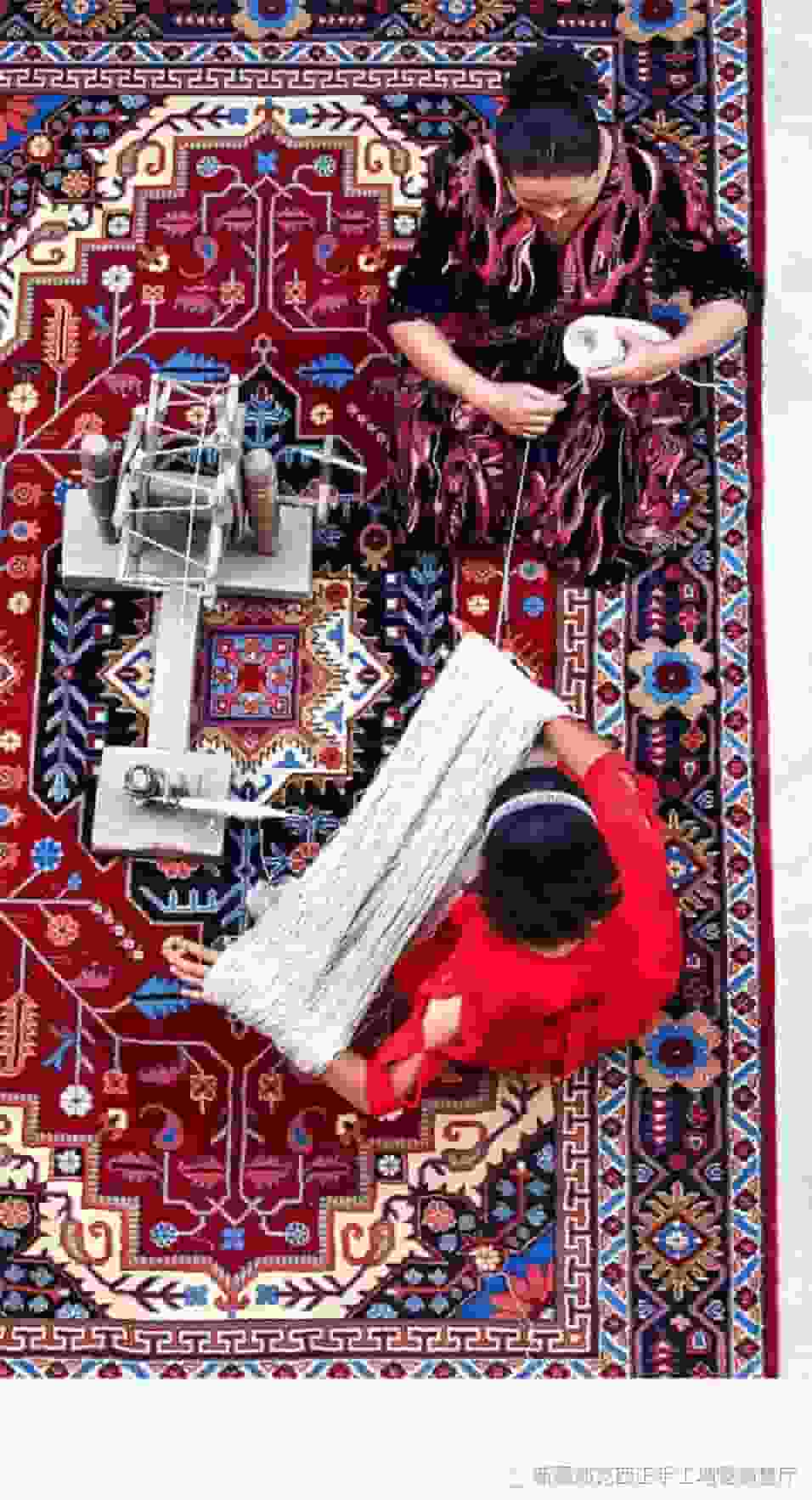
捻线合股
Twisting and splicing
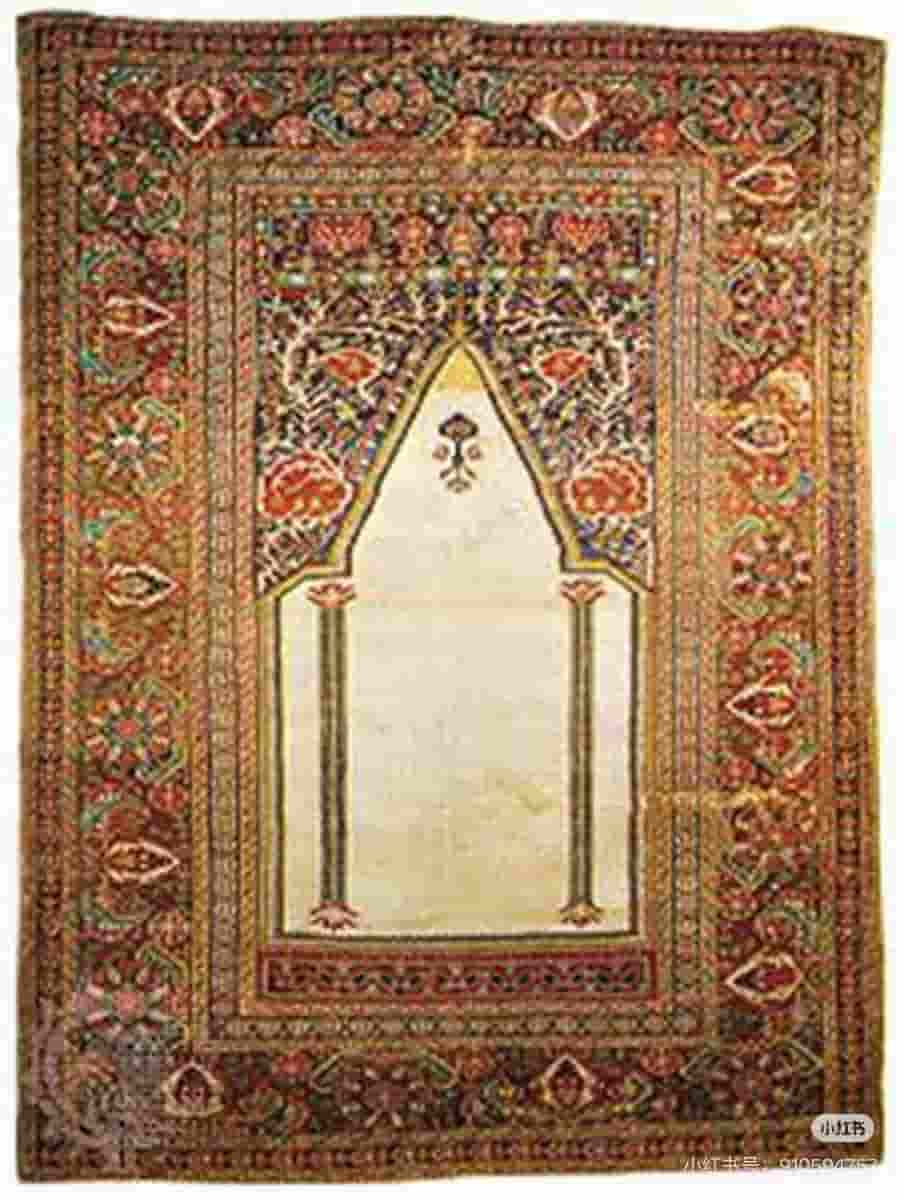
祈祷专用地毯
Prayer specific carpet
森纳结
Senna Jie
菱形纹
Diamond pattern
麻线
flax thread
古尔邦节
Eid al-Adha
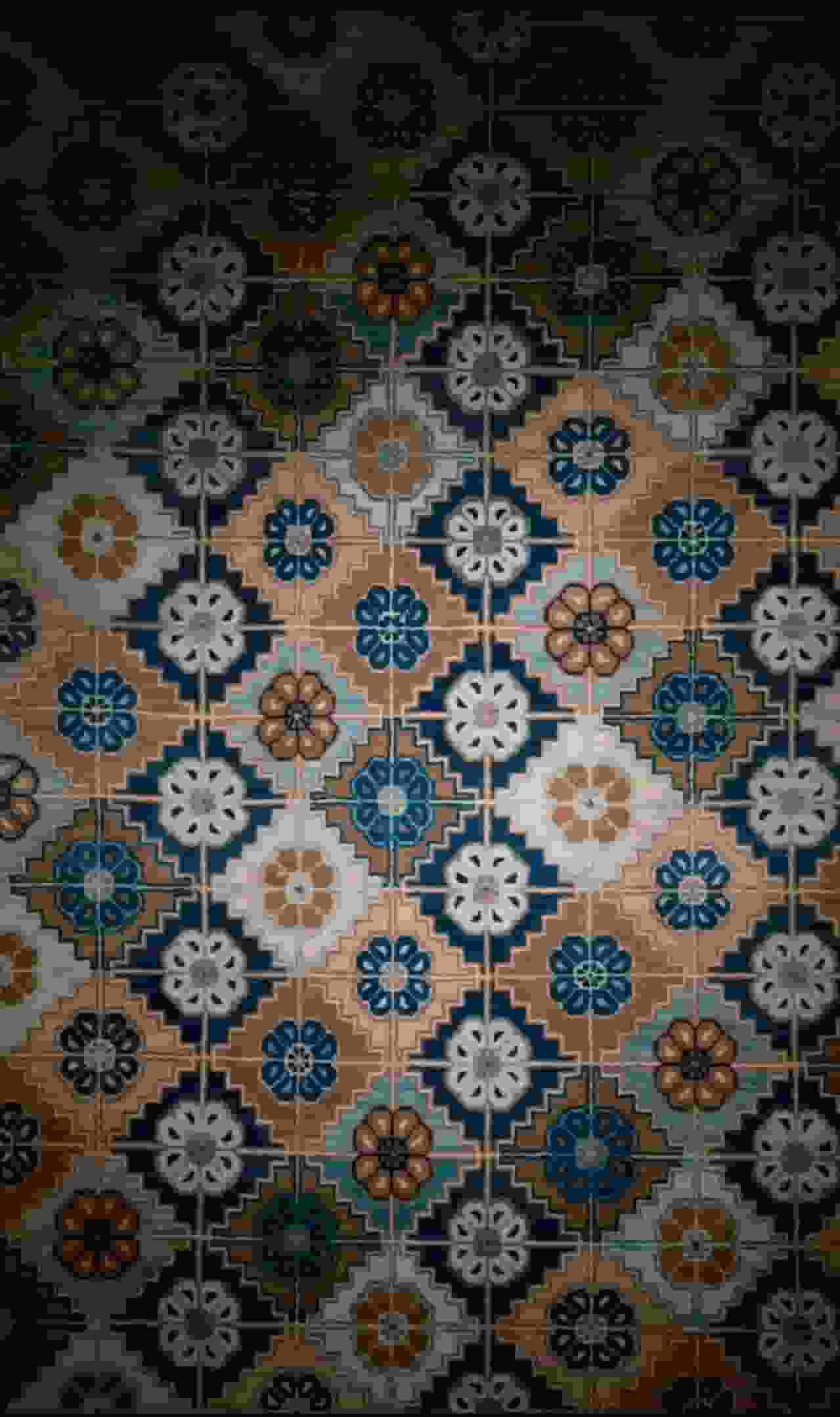
对称均衡
Symmetric equilibrium
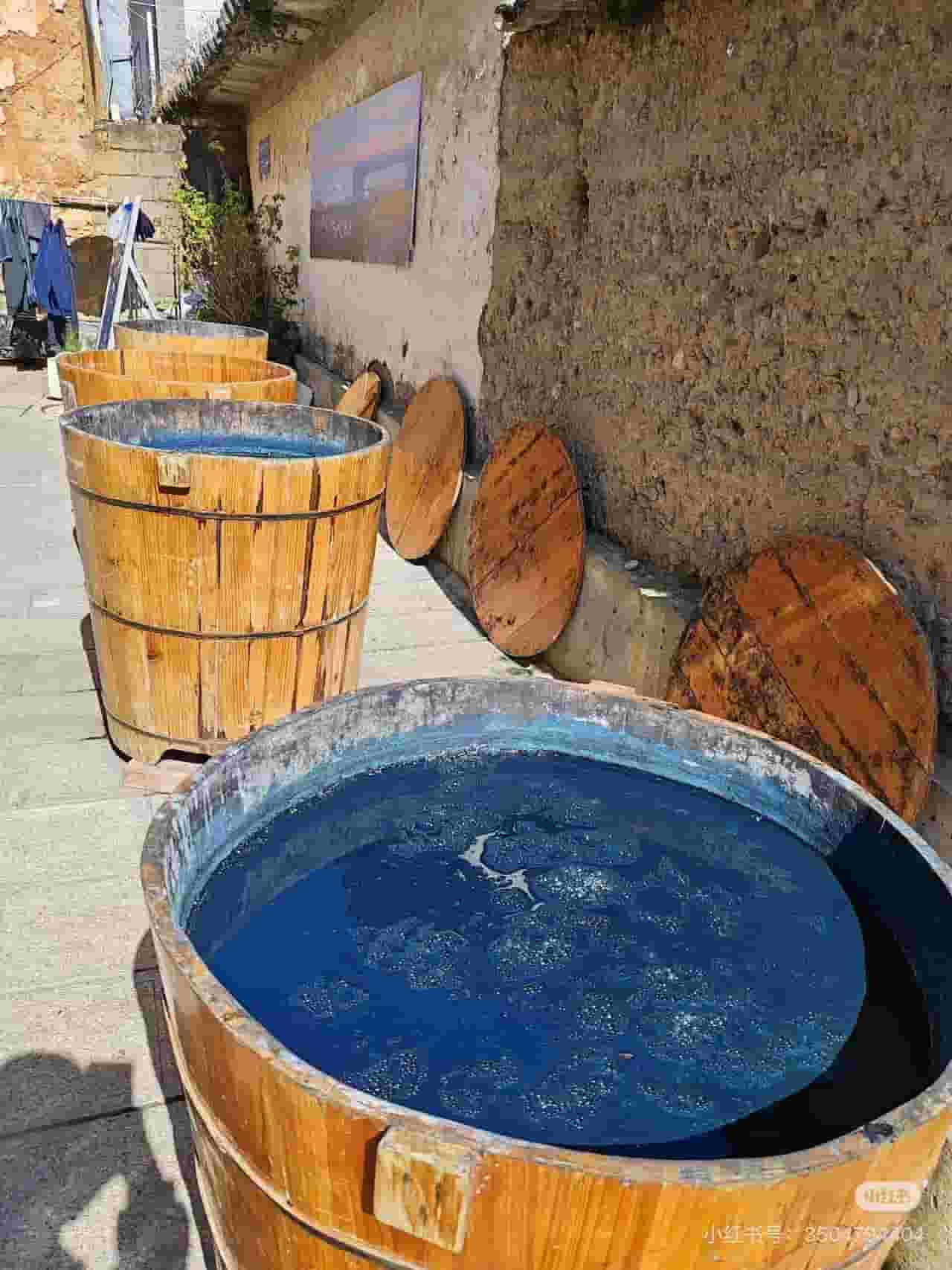
传统染缸
Traditional dyeing vat
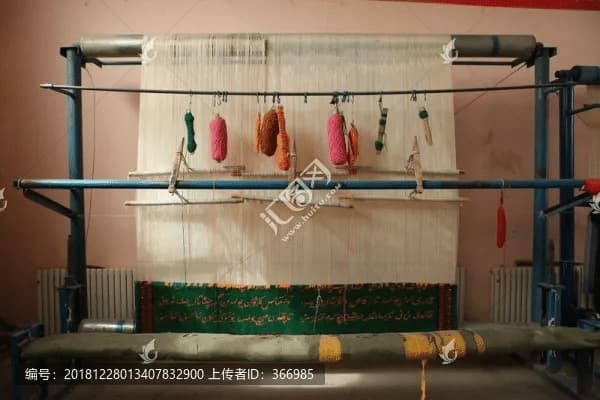
纱线晾晒卷筒
Yarn drying drum
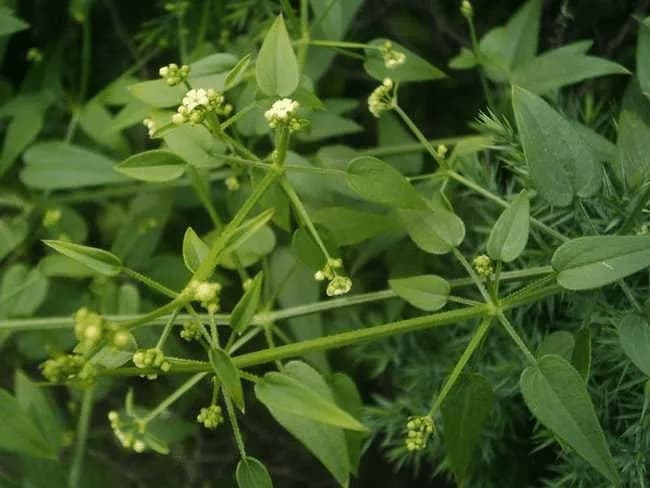
茜草
Madder
徒手放样
Freehand layout
捞纱木棍
Laosha wooden stick
色彩对比浓烈
Intense color contrast
羊角纹
Sheep horn pattern
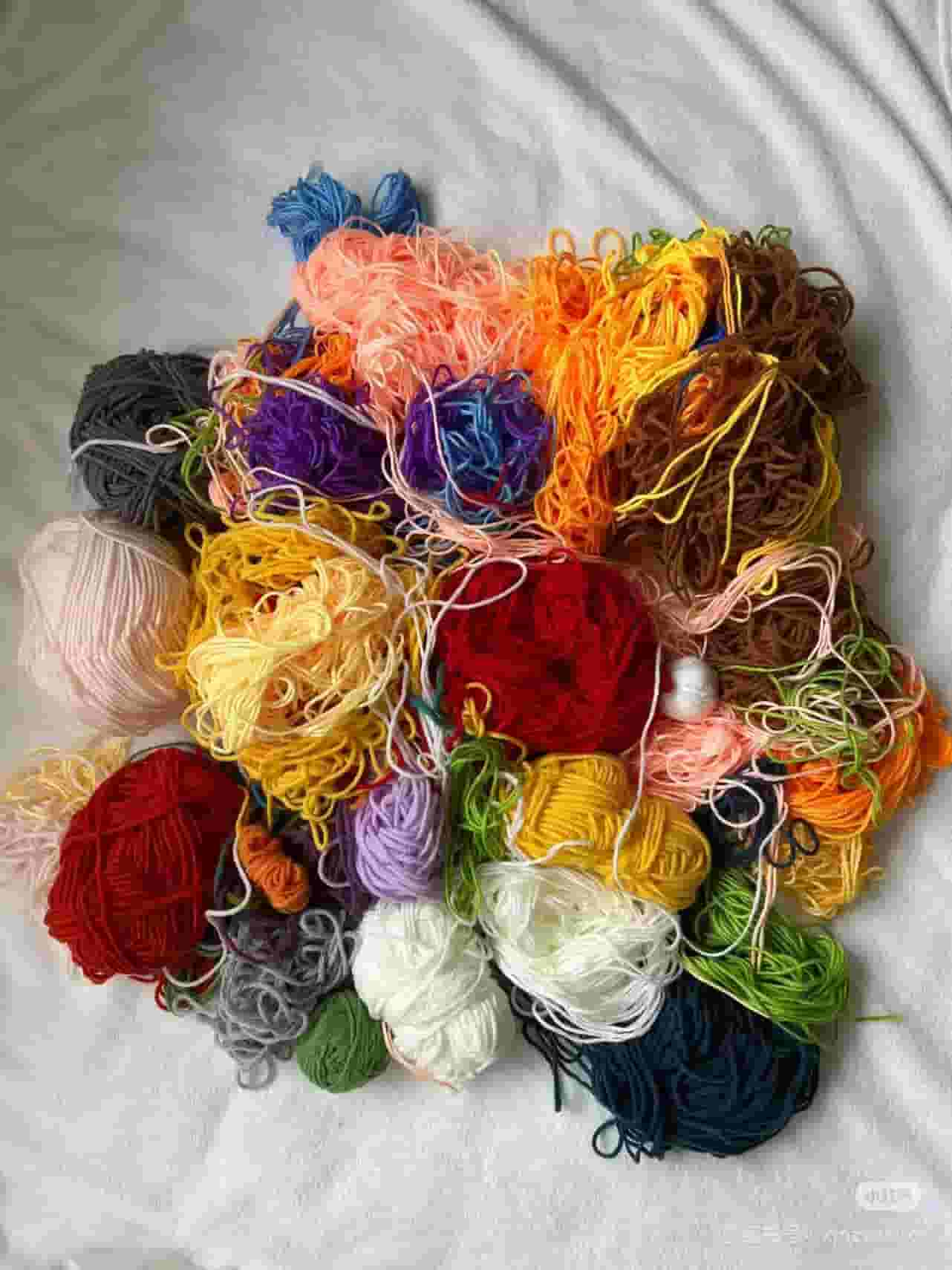
毛线碎屑
Yarn scraps
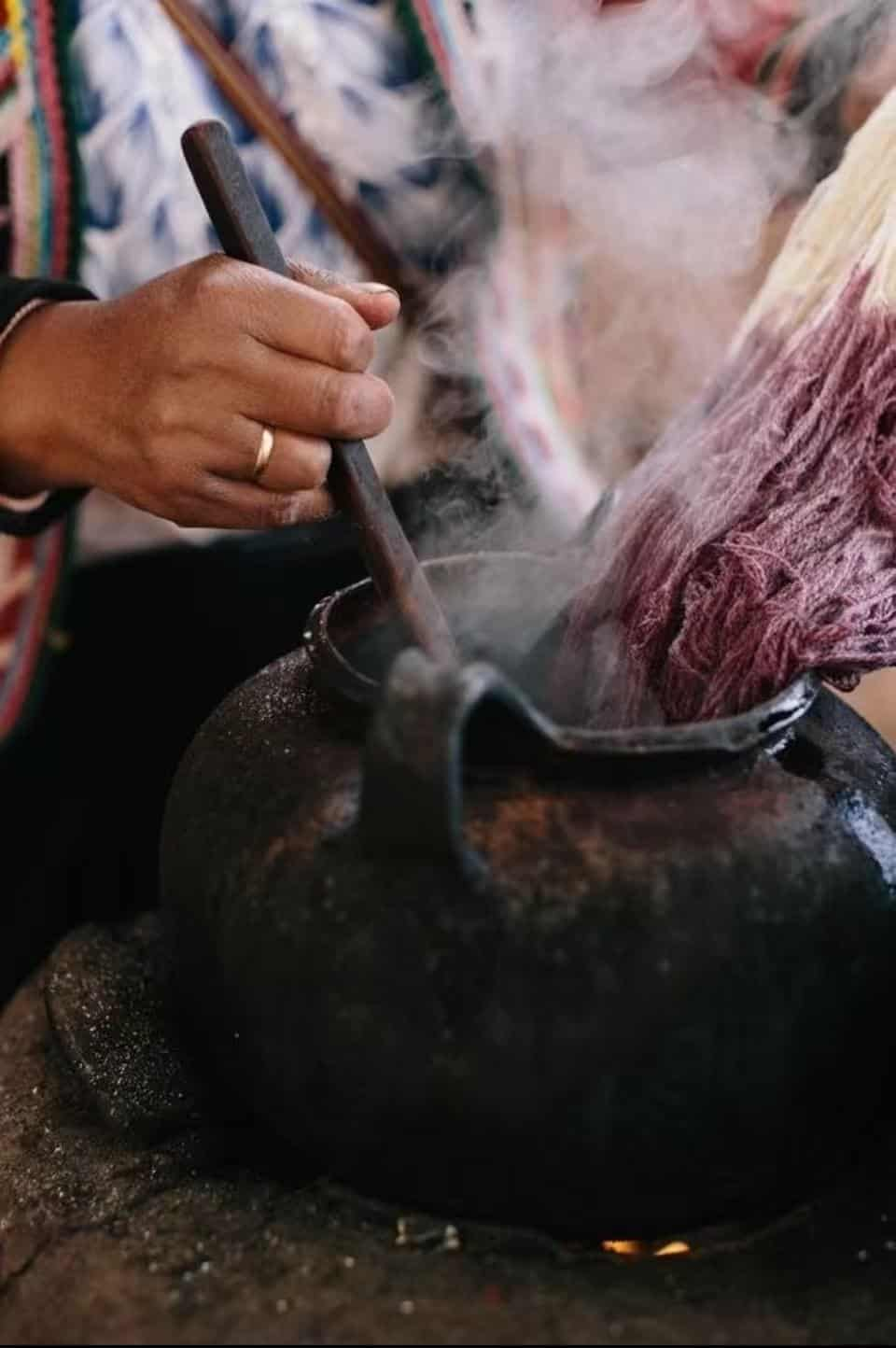
媒染剂
mordant
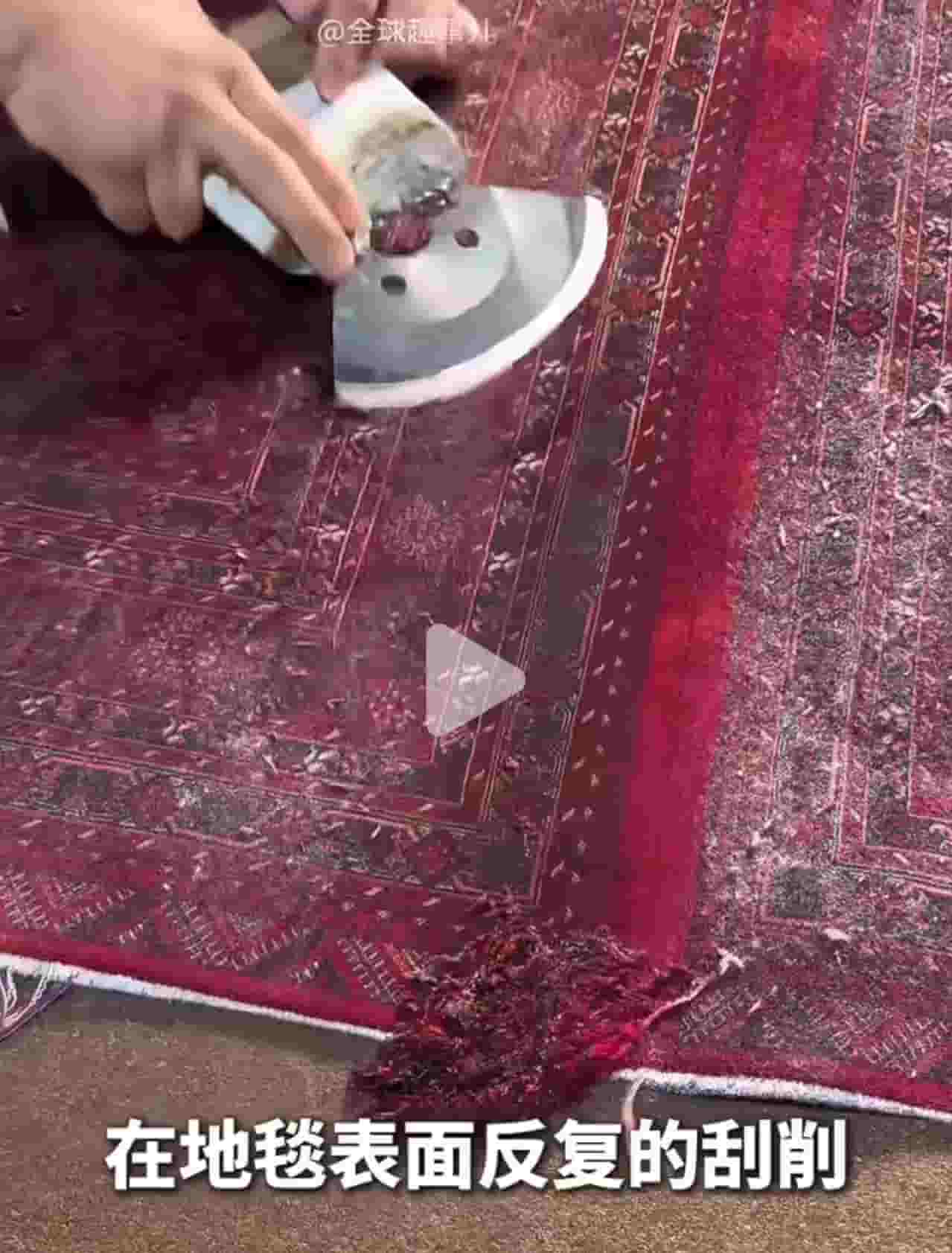
平整
level
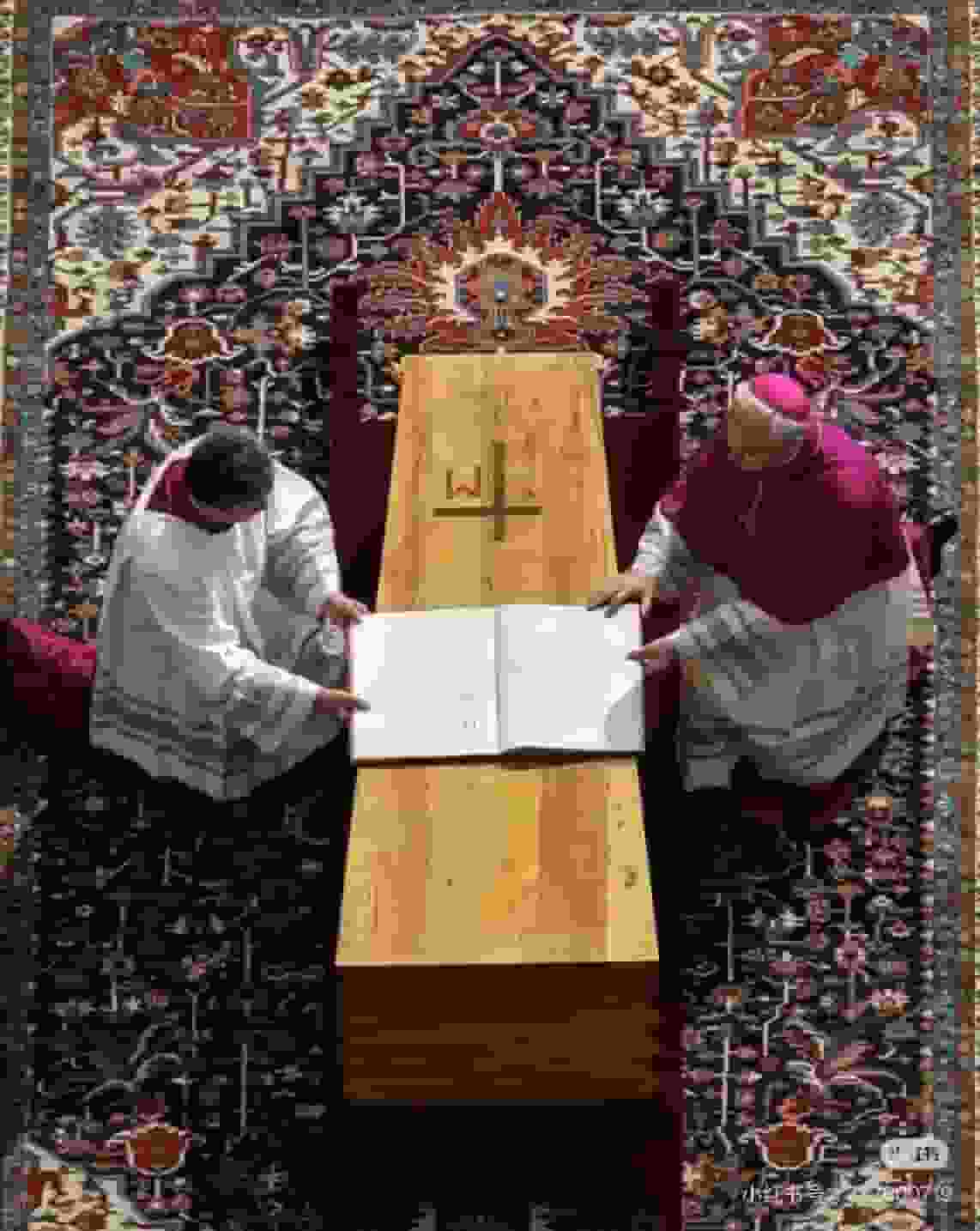
丧葬仪式
funerary rites
色调柔和
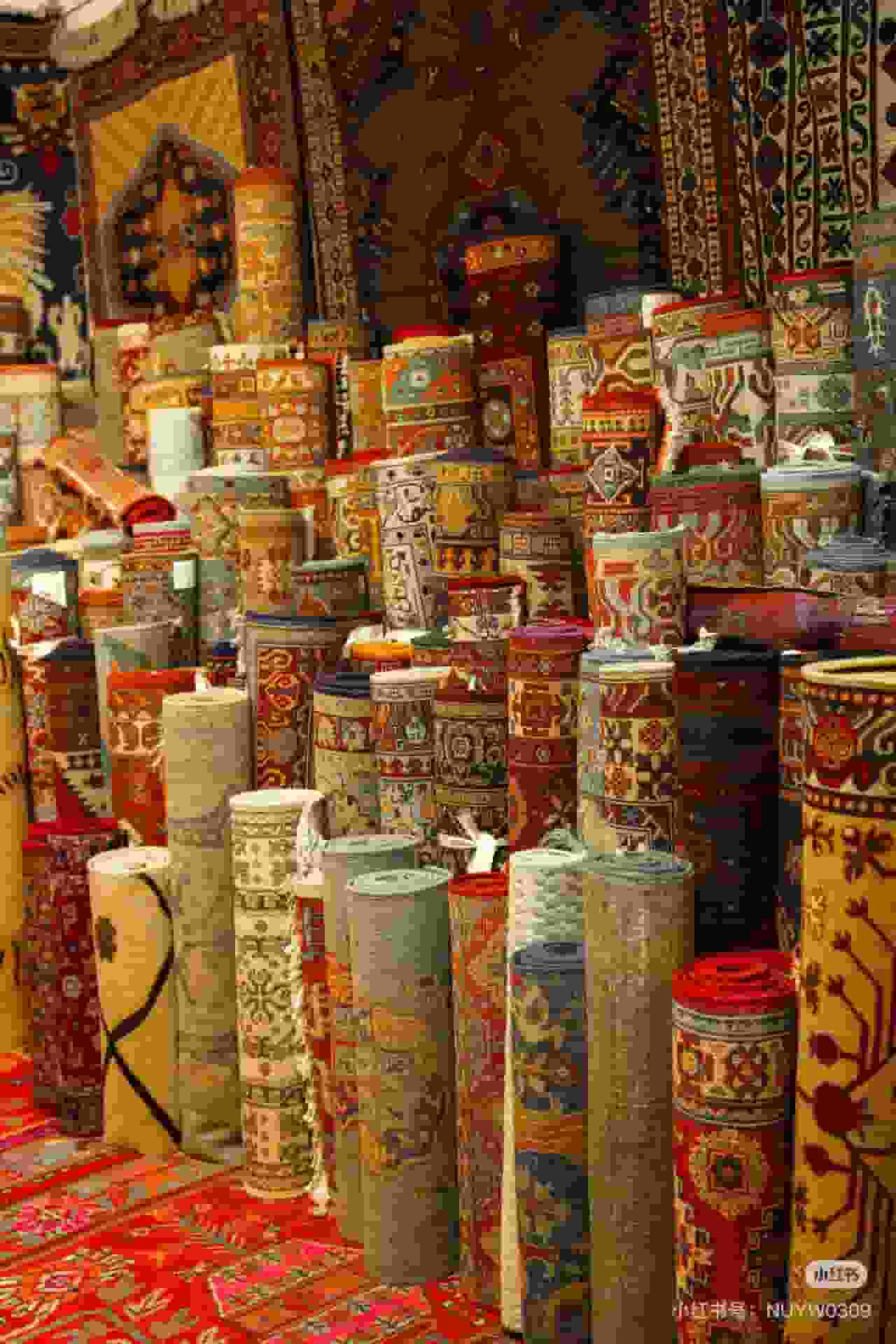
Soft color tone
于阗
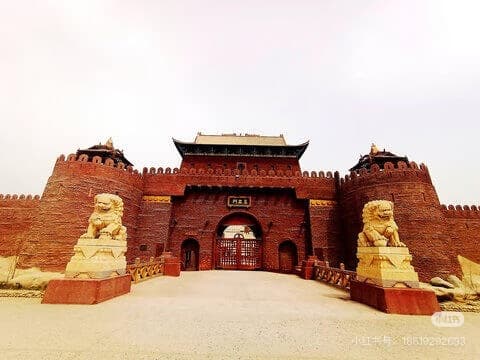
khotan
生命树
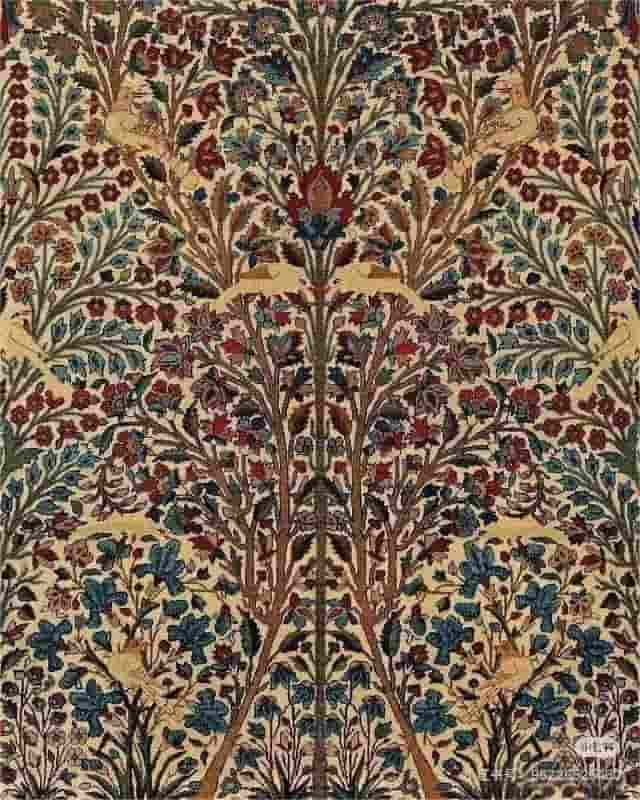
Tree of Life
茜草根
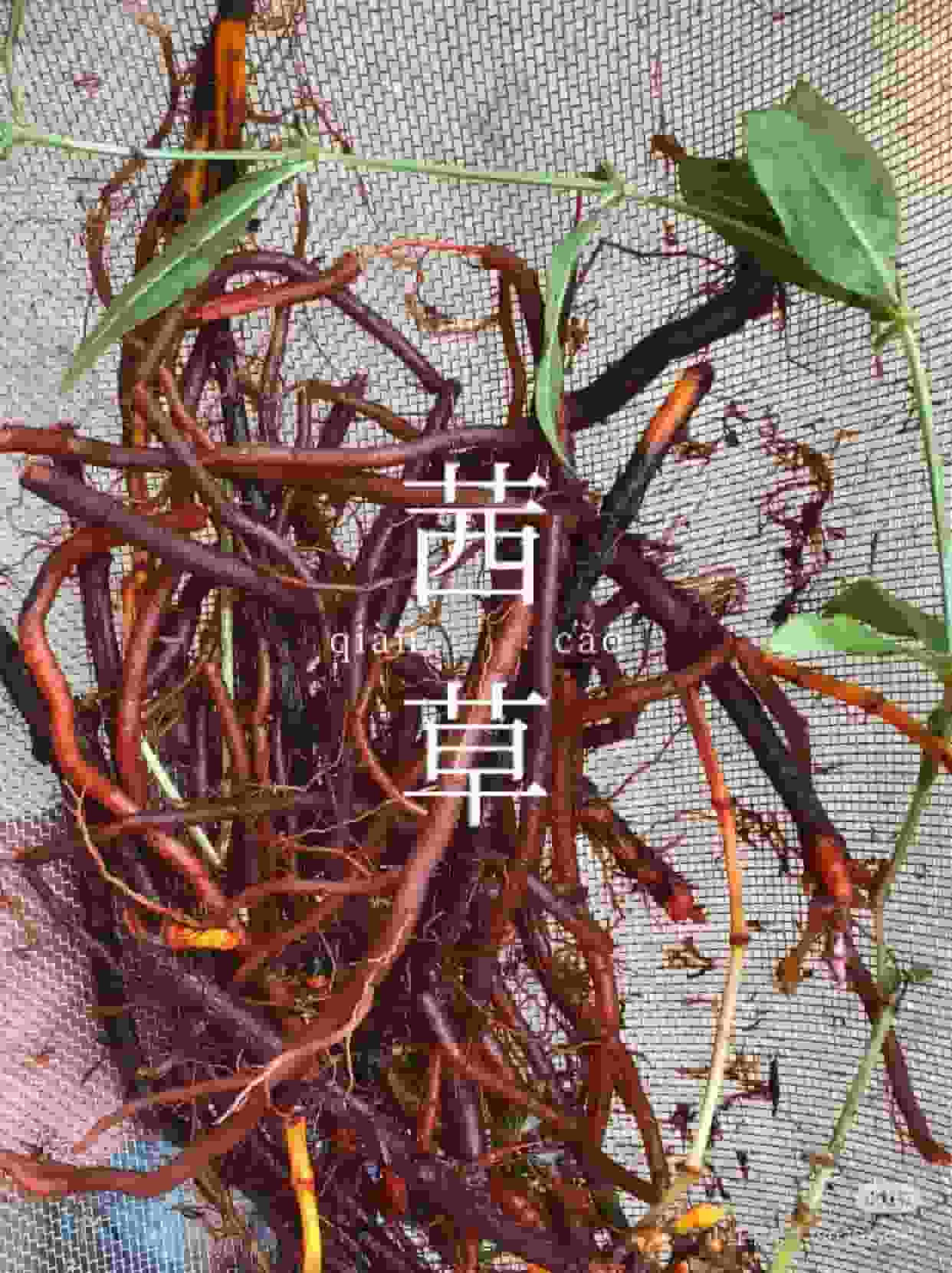
Qian Grassroots
手工毛梳
Handmade hair comb
树纹栽绒地毯残片
Tree patterned plush carpet fragments
下机
deplane
木质纺车
Wooden spinning wheel
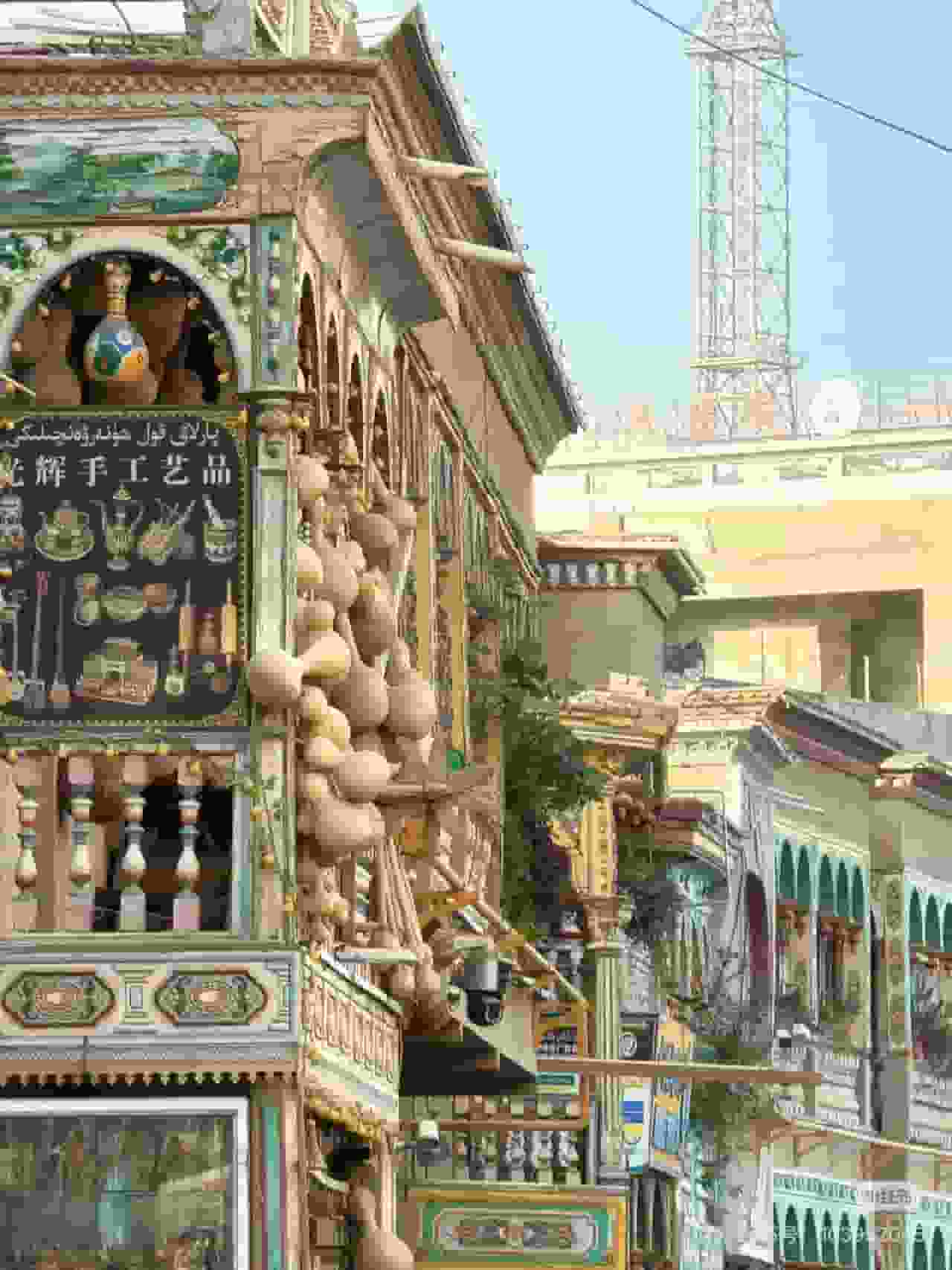
莎车县
Shache County
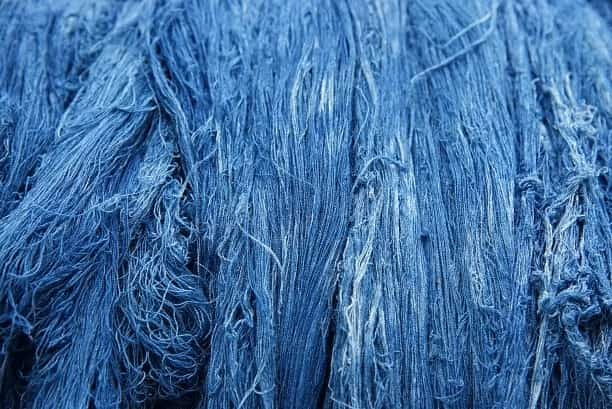
靛蓝
indigo
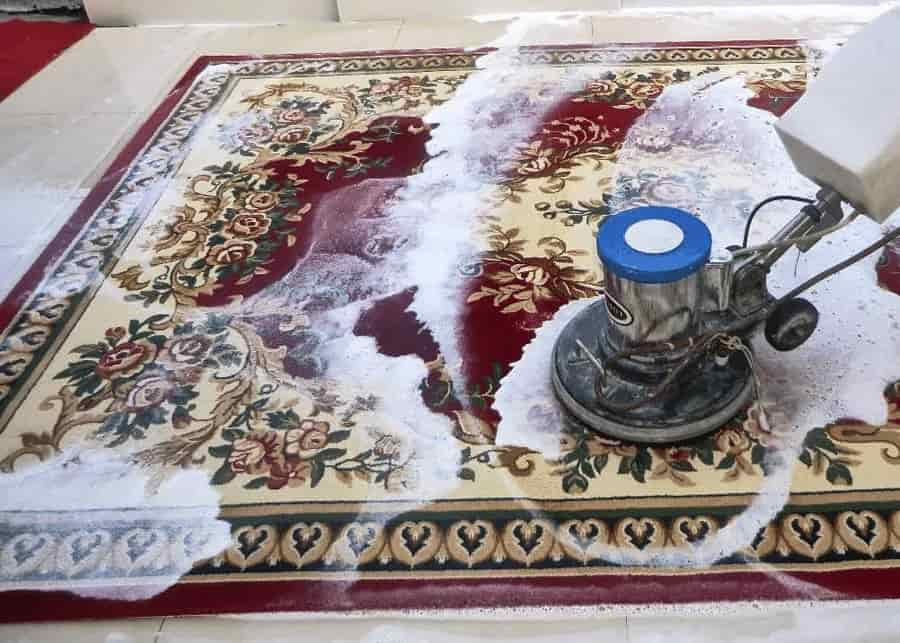
清水洗涤脱浮色
Wash with clean water to remove floating color
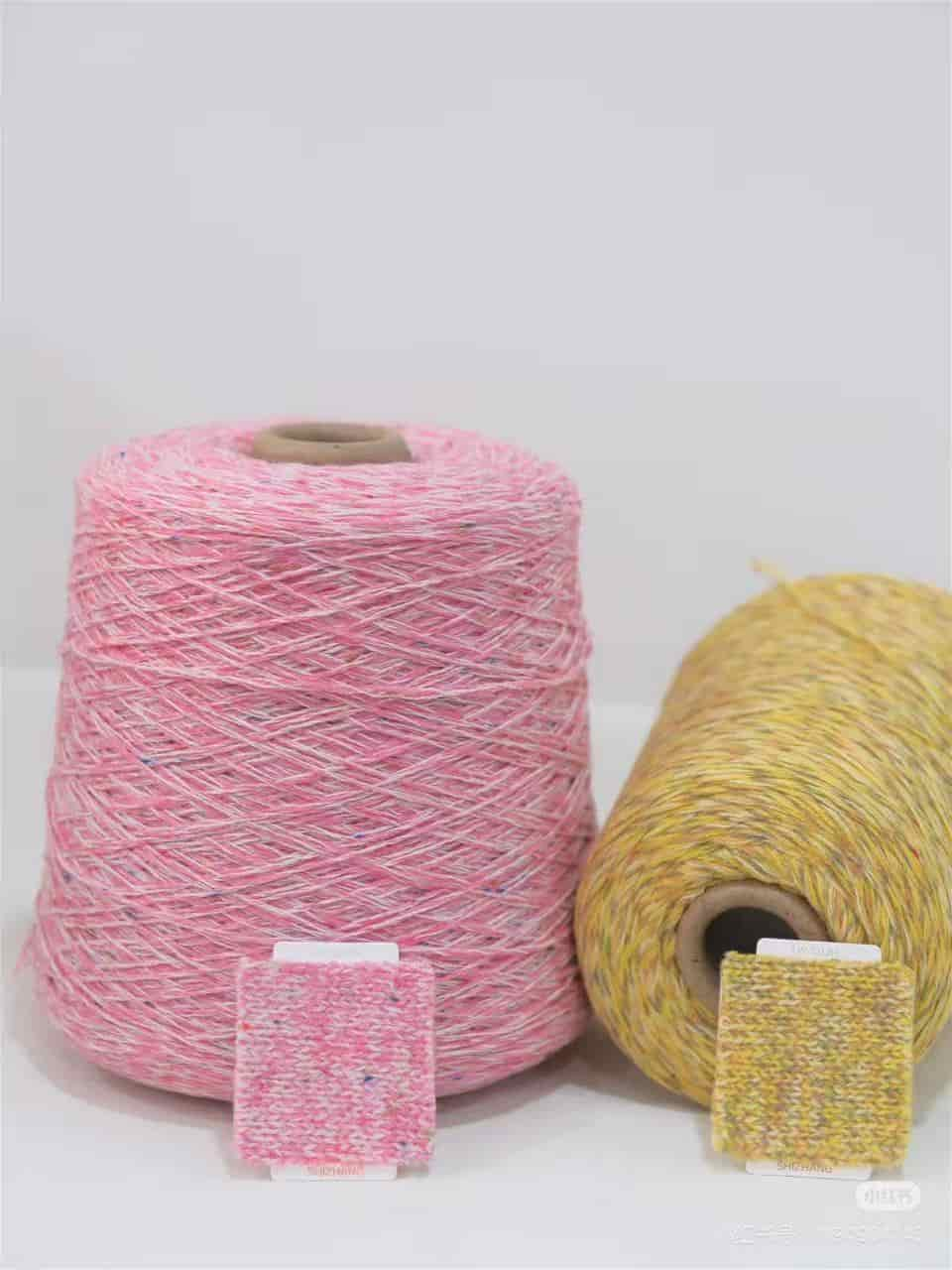
合股毛线
Blended yarn
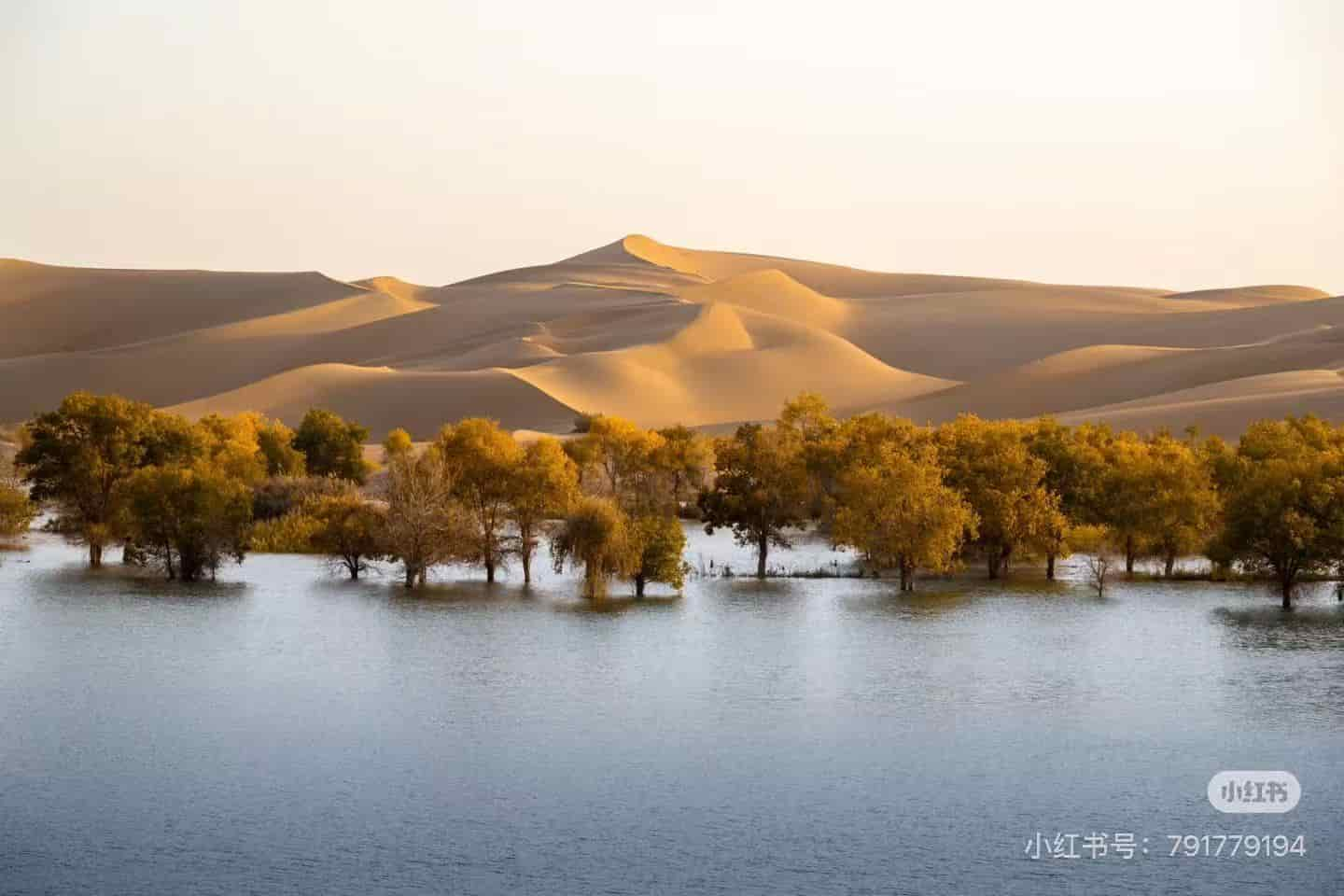
塔里木盆地
Tarim Basin
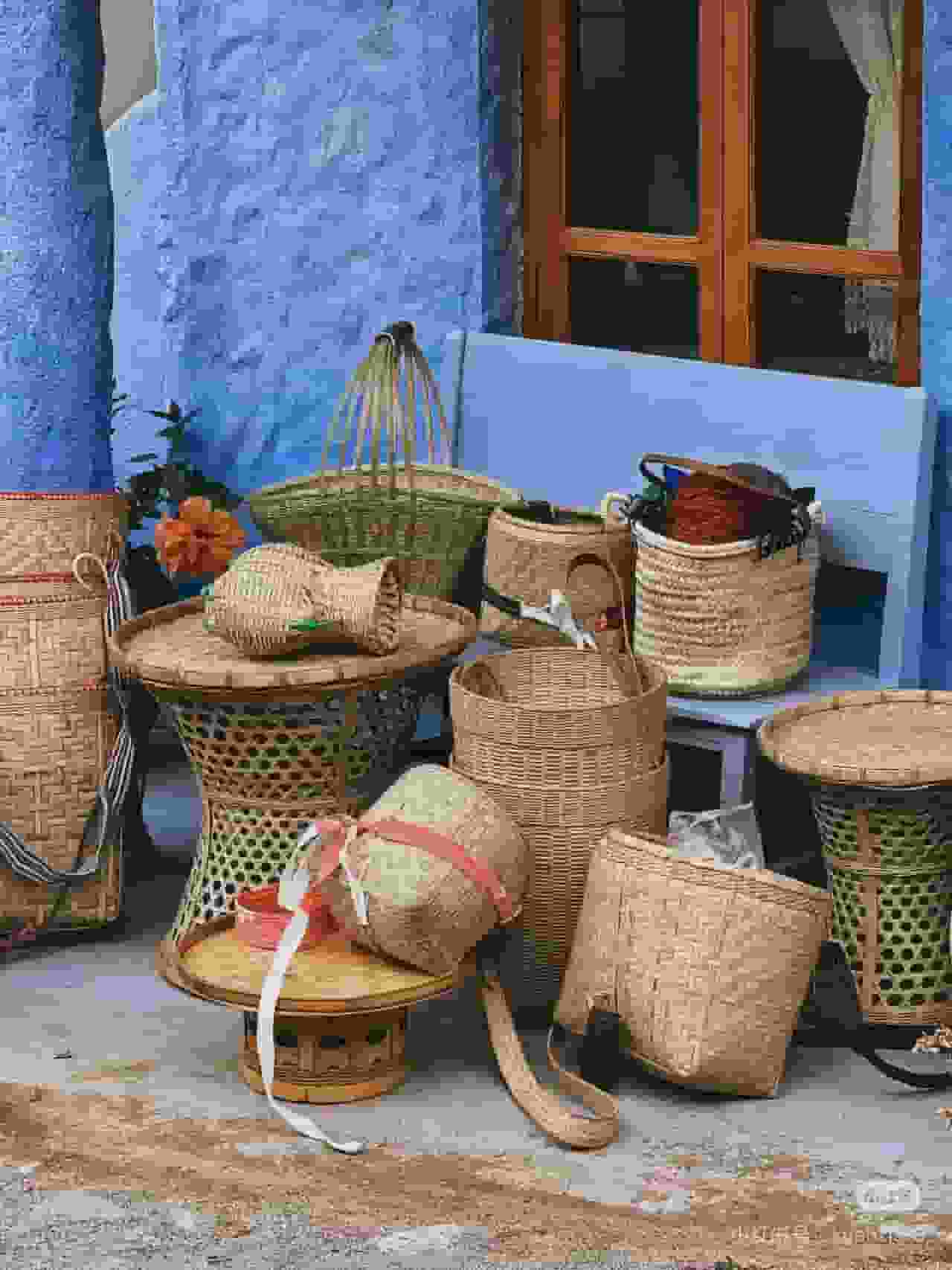
竹筐
bamboo basket
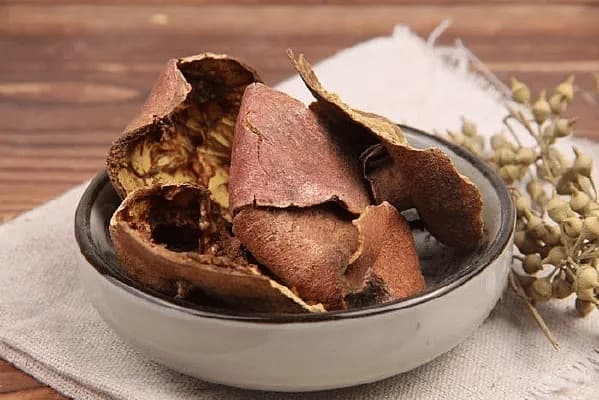
石榴皮
pomegranate peel
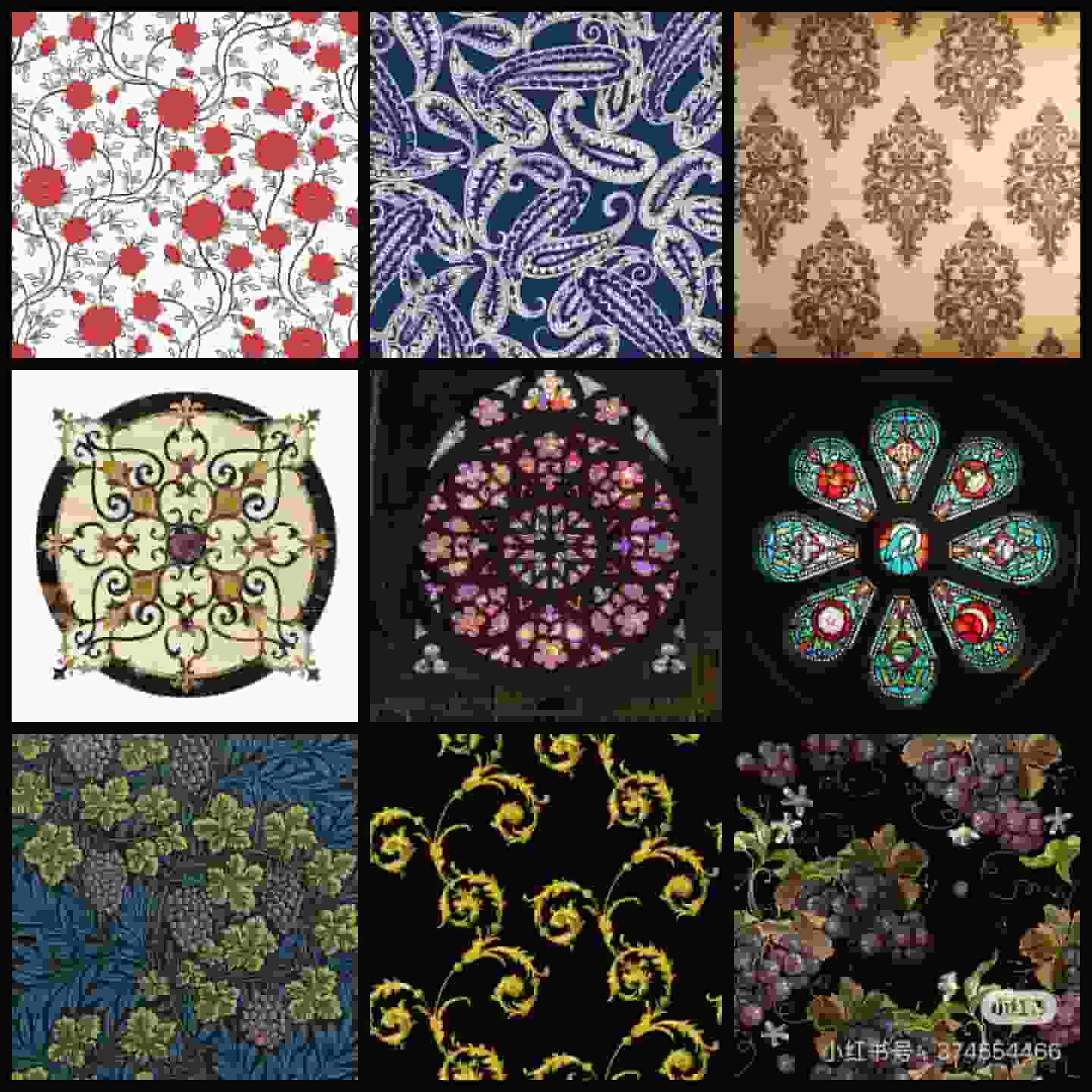
藤蔓纹
Vine pattern
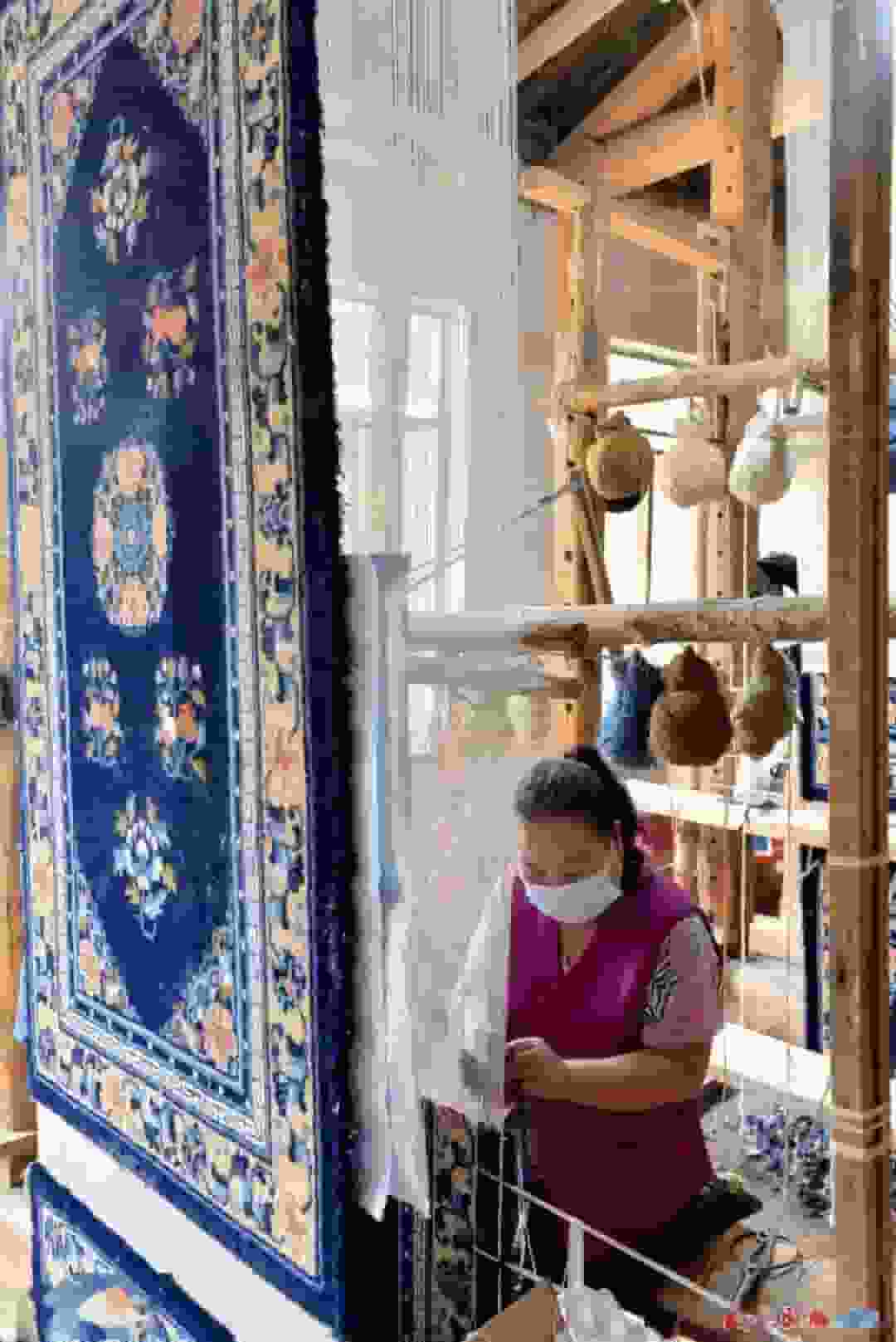
梳毛纺纱
Combing and spinning yarn
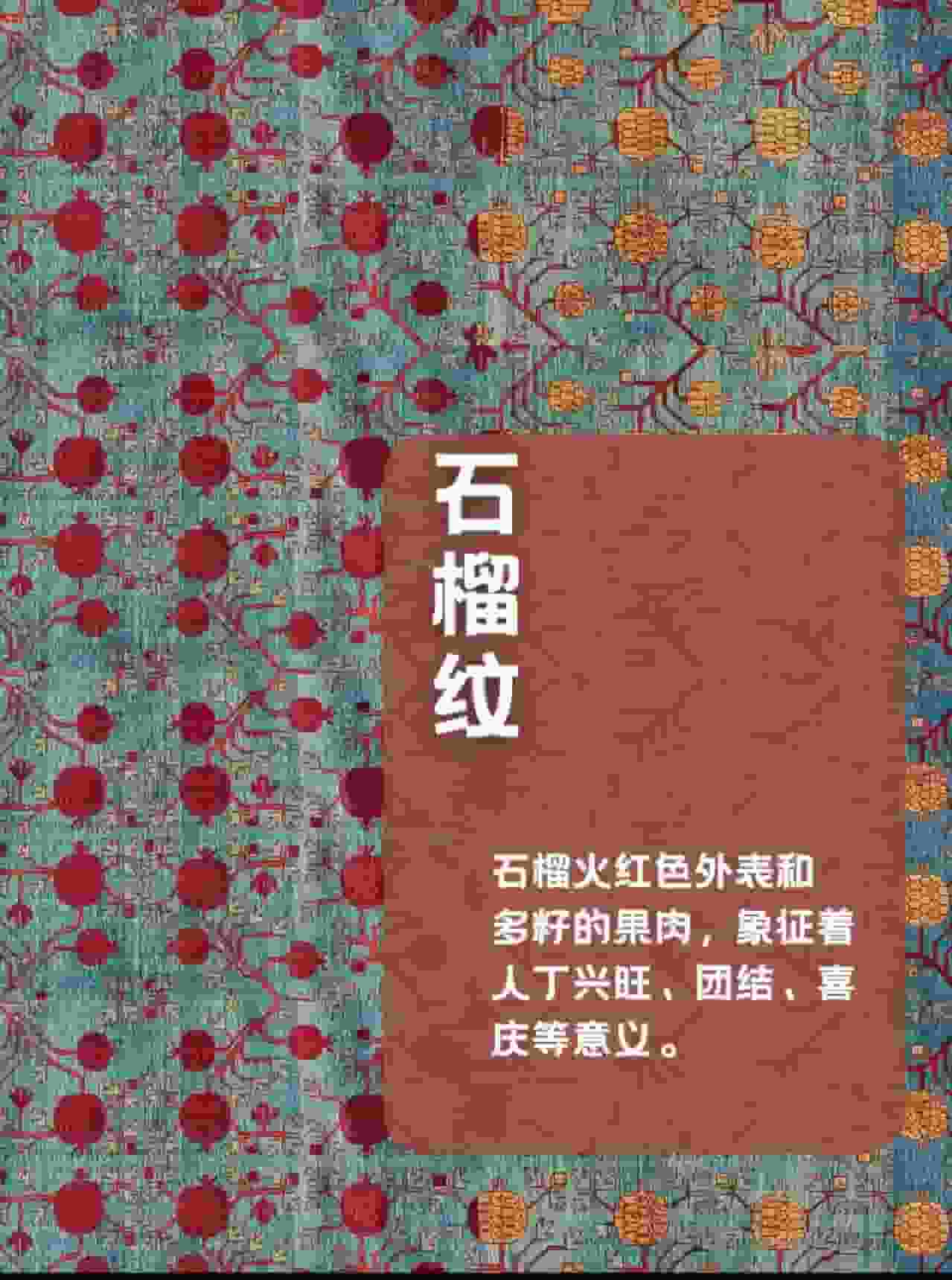
石榴花纹
Pomegranate pattern
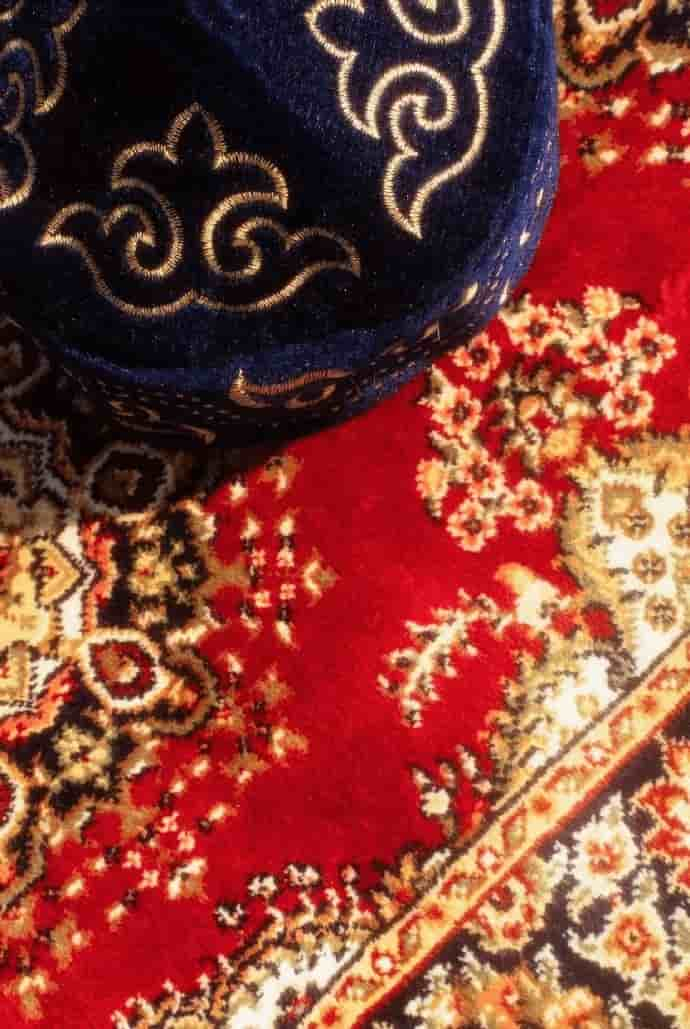
天然植物染色
Natural plant dyeing
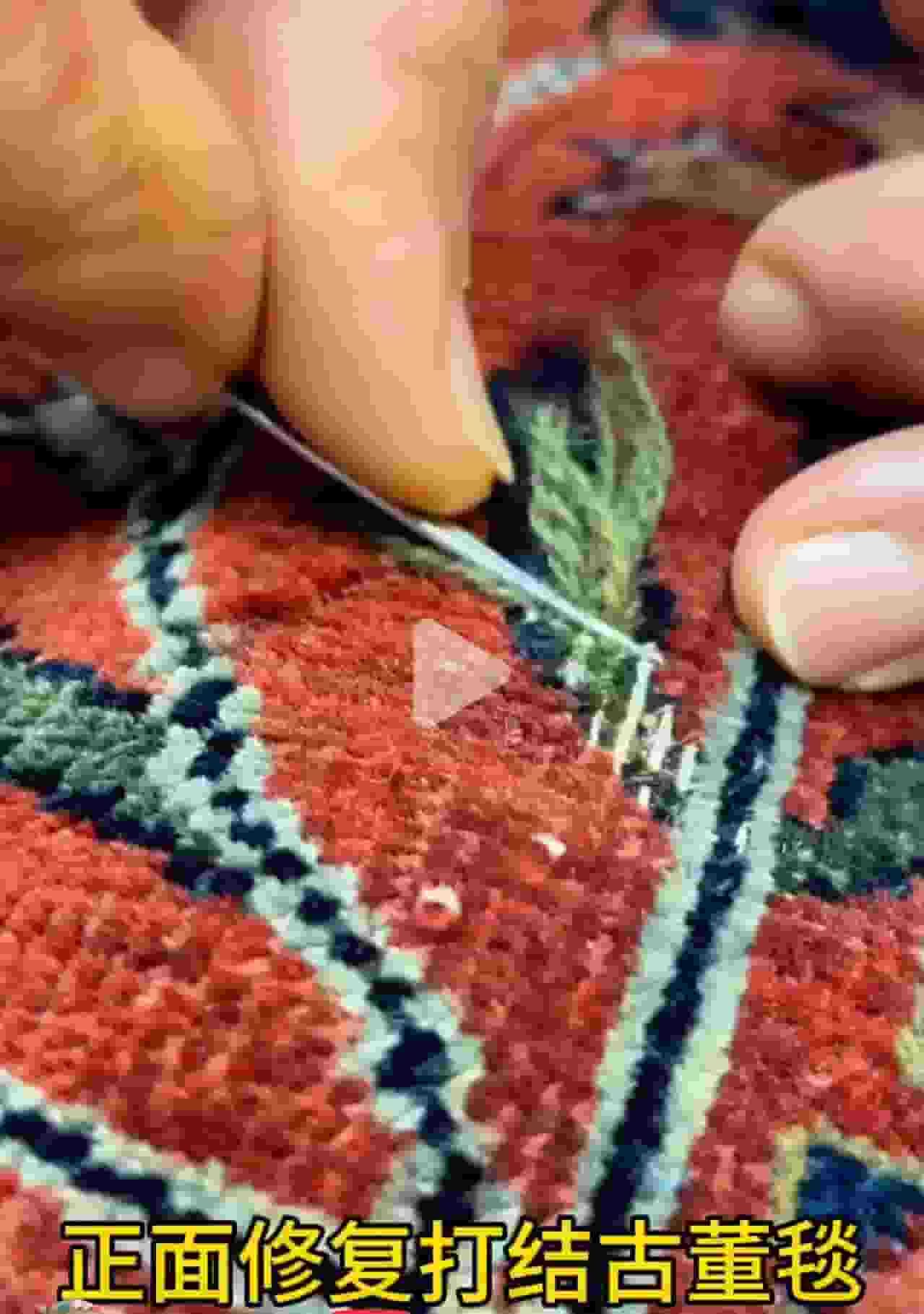
修补瑕疵
Repair defects
纱线收纳筐
Yarn storage basket
纹样标记放样
Pattern marking layout
染液
dye liquor
织毯专用小刀
Specialized small knife for weaving blankets
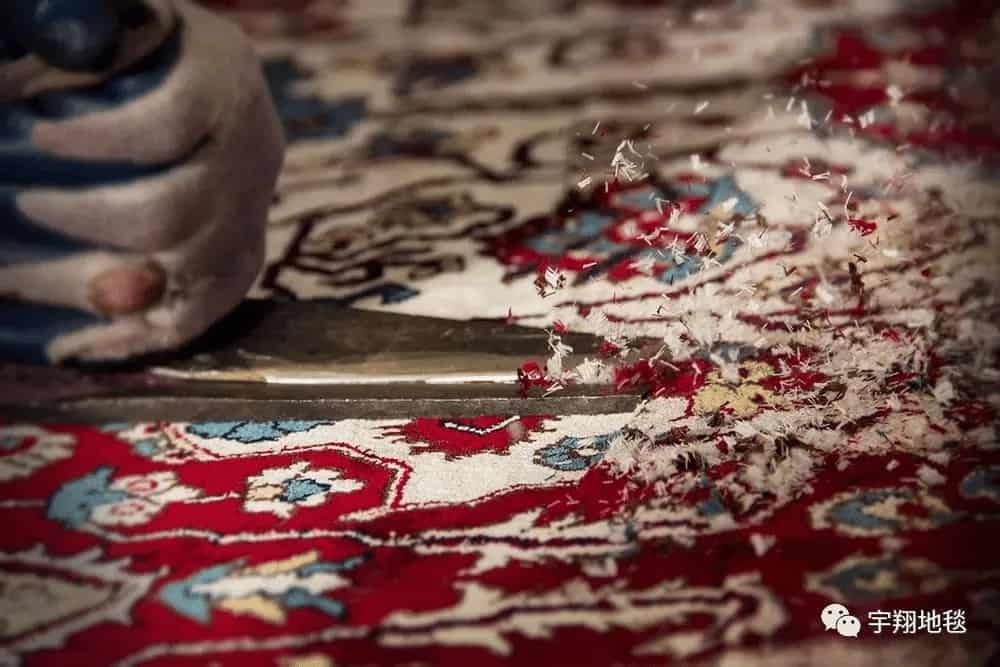
绒毛修剪平整
Smooth trimming of fluff
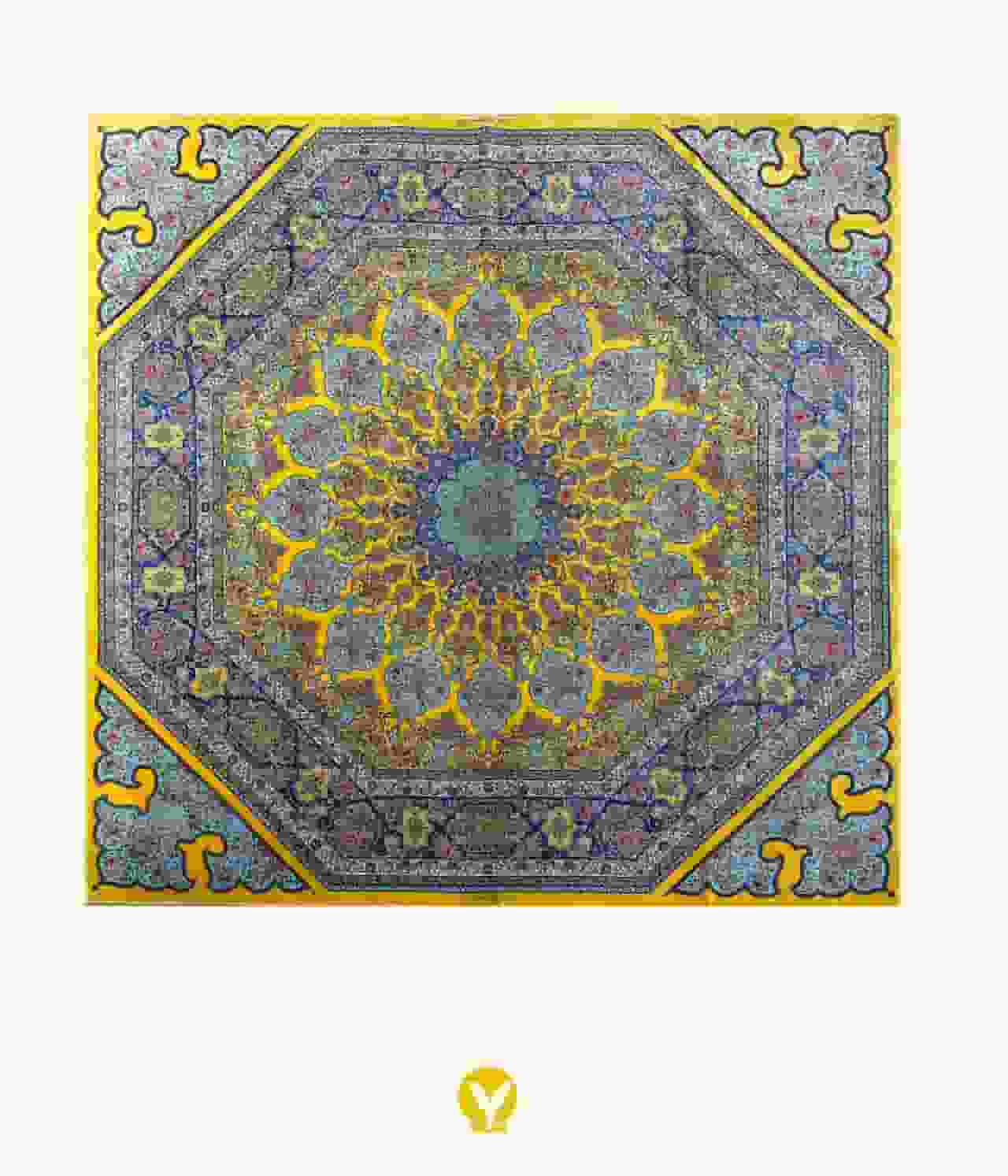
中心主纹
Central main pattern
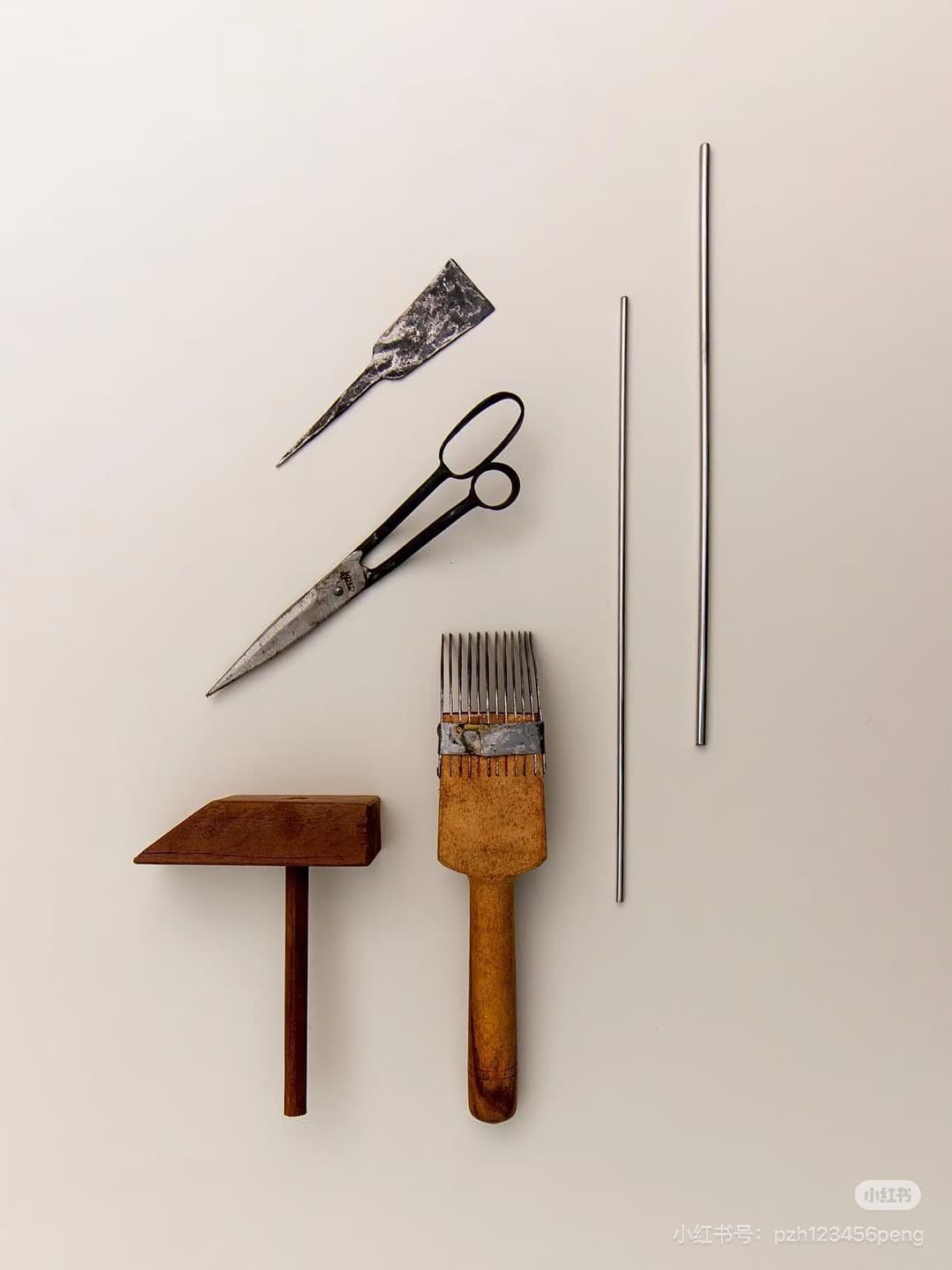
专用剪刀
Special scissors
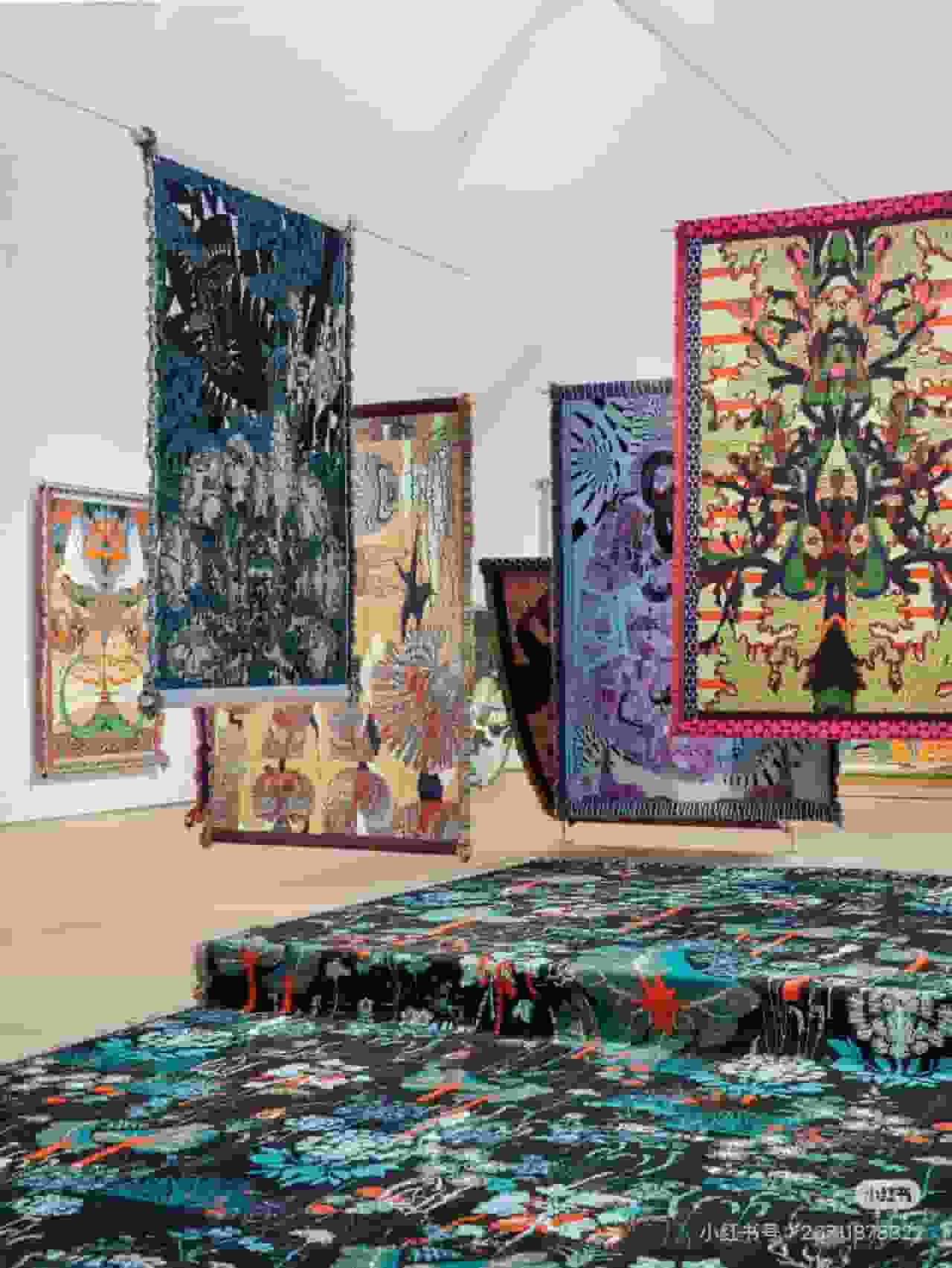
艺术挂毯
artistic tapestry
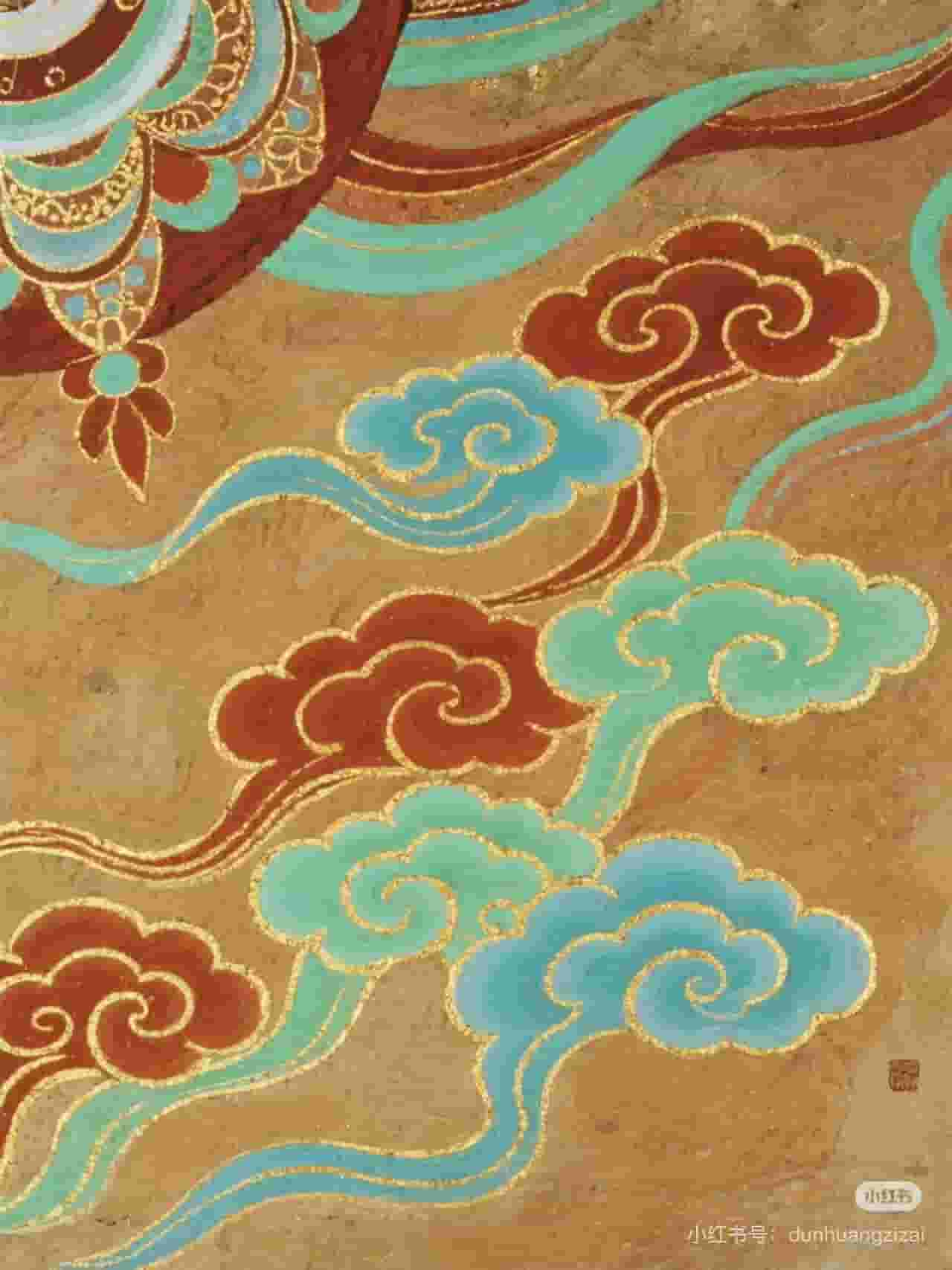
云纹
cloud pattern
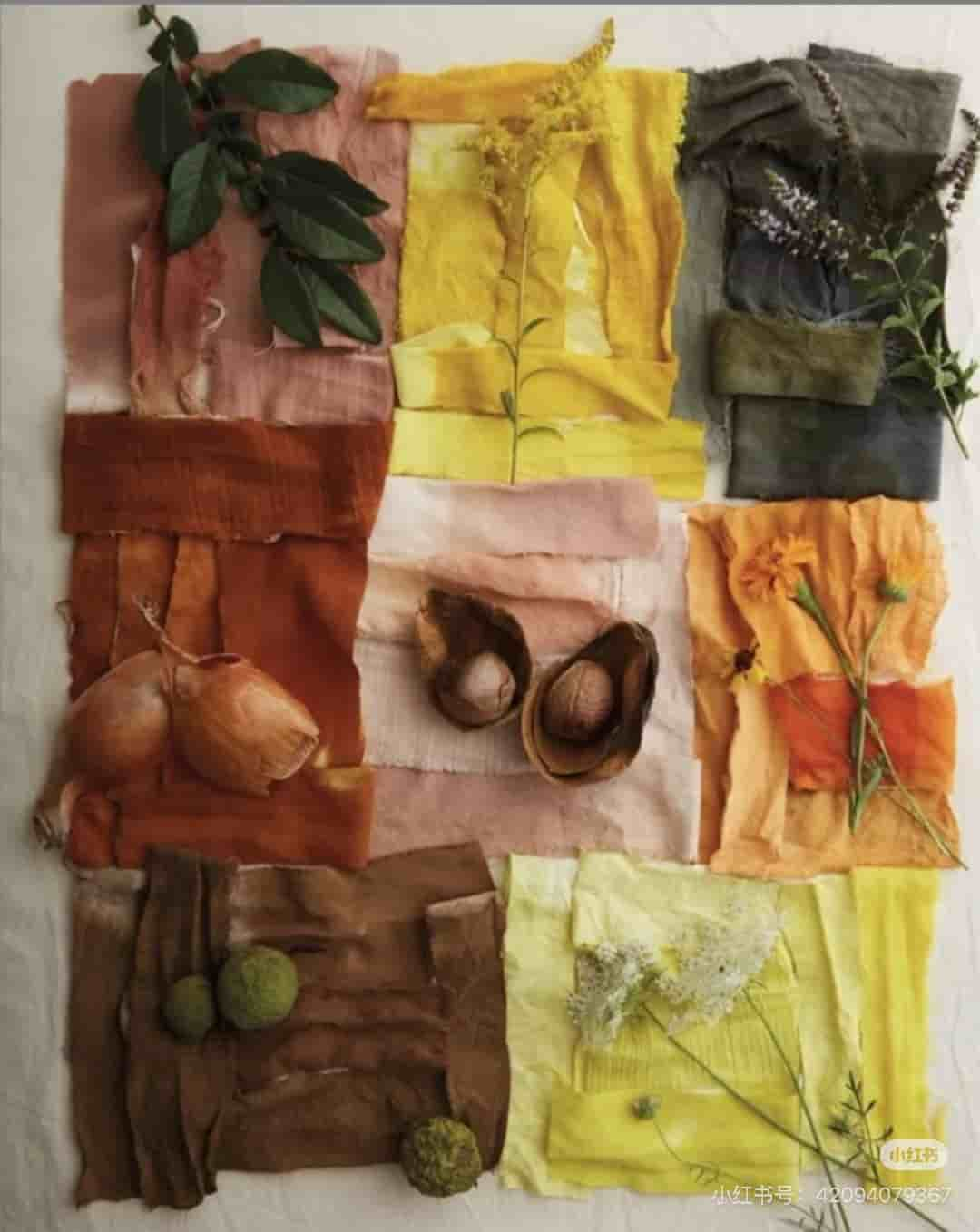
天然植物染料
Natural plant dyes
梳毛
grooming
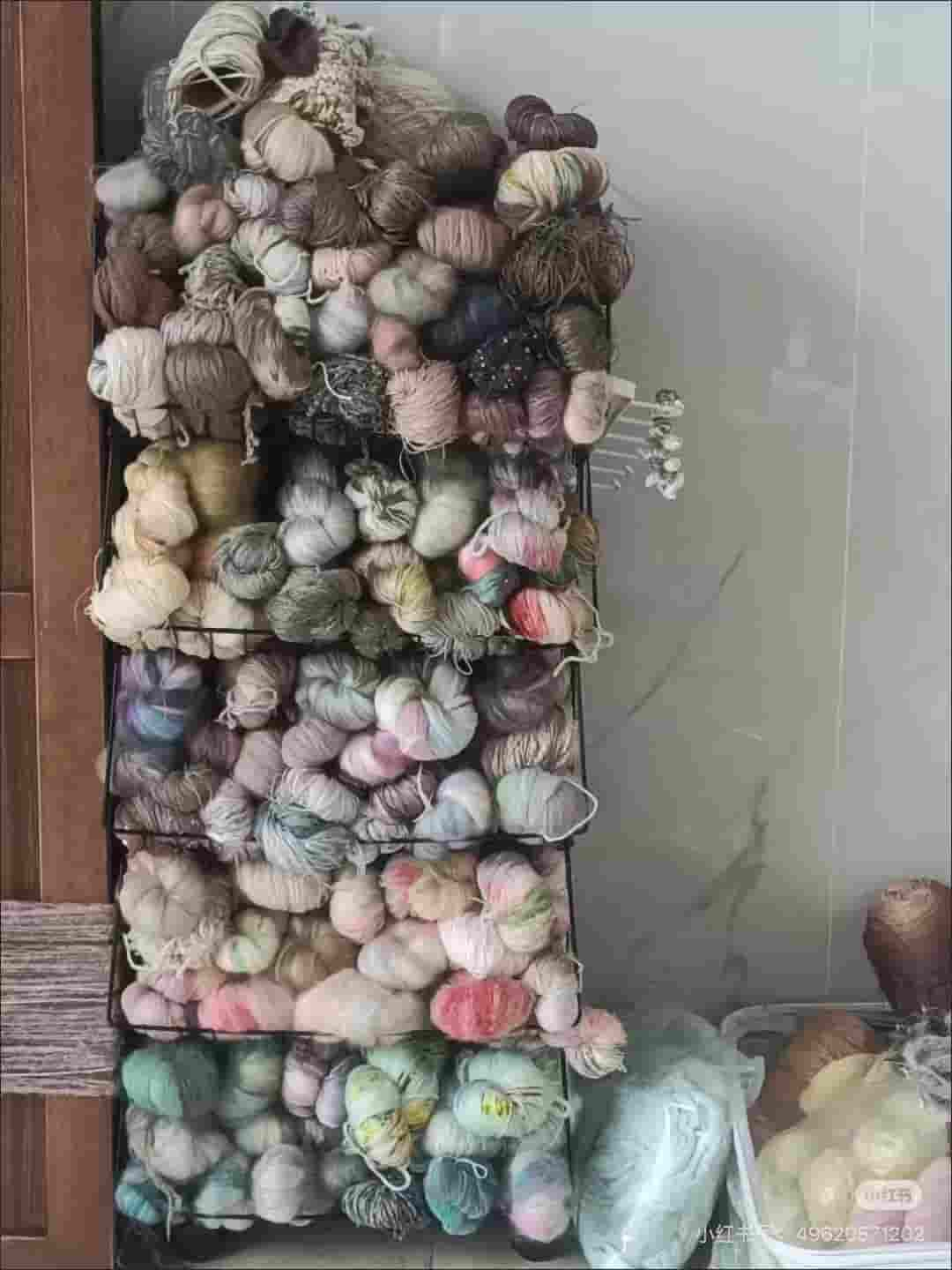
纱线支撑架
Yarn support frame
维吾尔族地毯织造技艺
Weaving Techniques of Uyghur Carpets
逐层编织
Layer by layer weaving
绒头
Velvet hair
踏板
pedal
自然晾晒
sun-drying
综丝
heald
手工八字栽绒打结织造
Handmade Eight Character Plucking, Knotting, Weaving
原料分拣洗毛
Raw material sorting and wool washing
综眼
Comprehensive Eye
综框
Integrated frame
整经上架
Complete Scripture Listing
丝线束
Silk thread bundle
纬线
parallel
先染后织
Dyeing before weaving
核桃青衣
Walnut green
引线钩
Lead hook
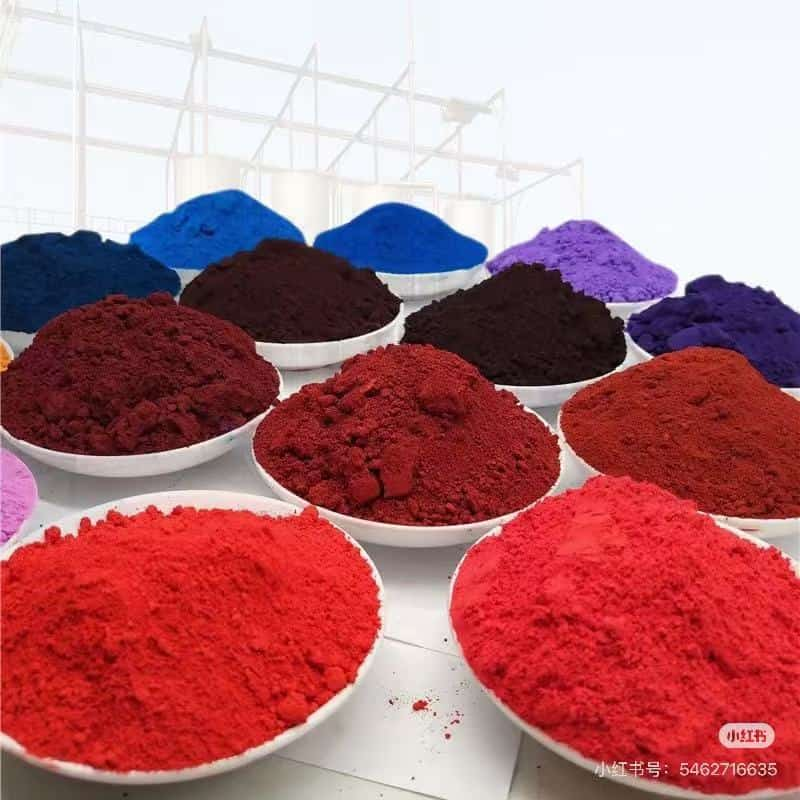
化工染料
Chemical dyes
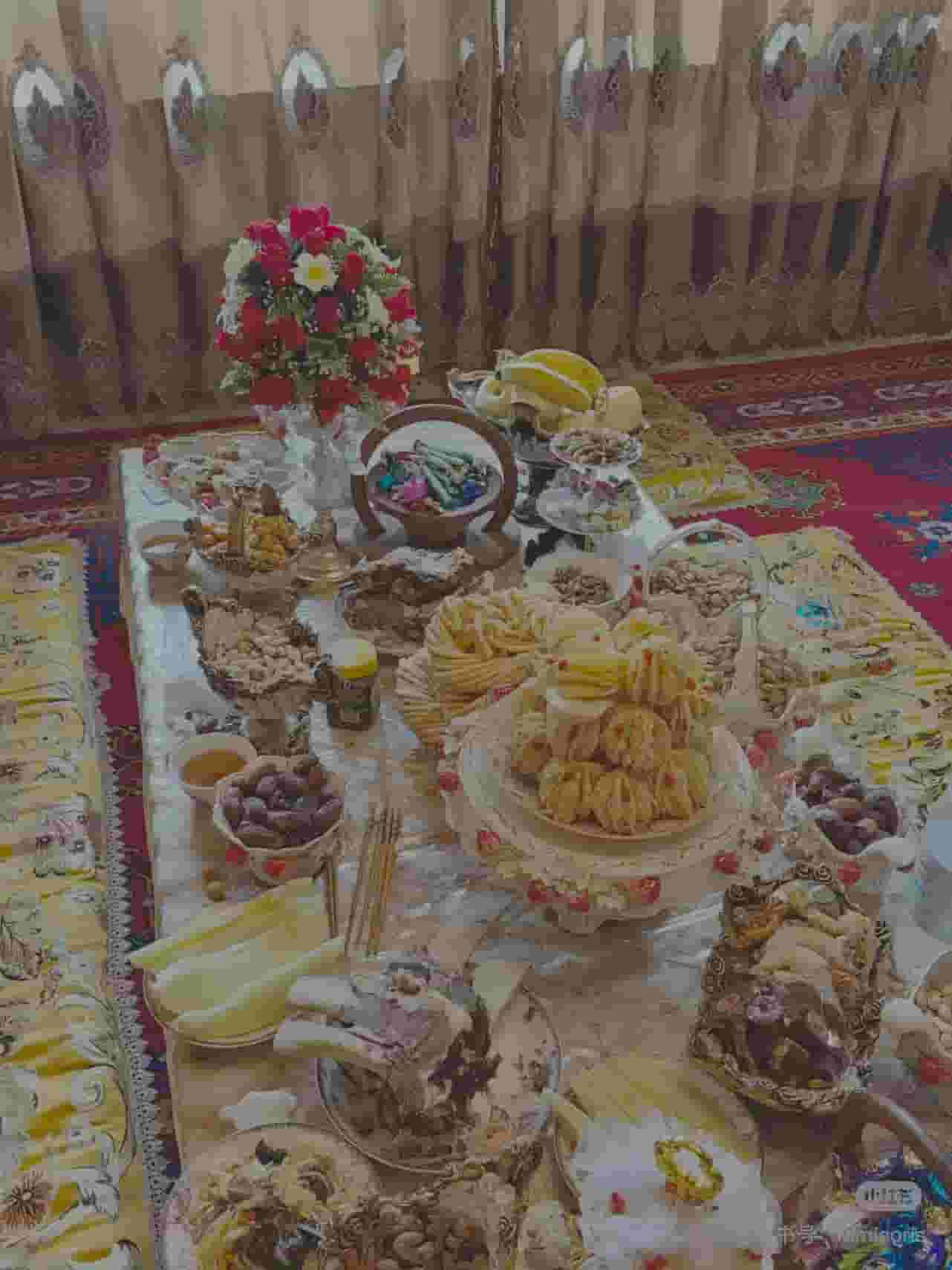
肉孜节
Rouzi Festival
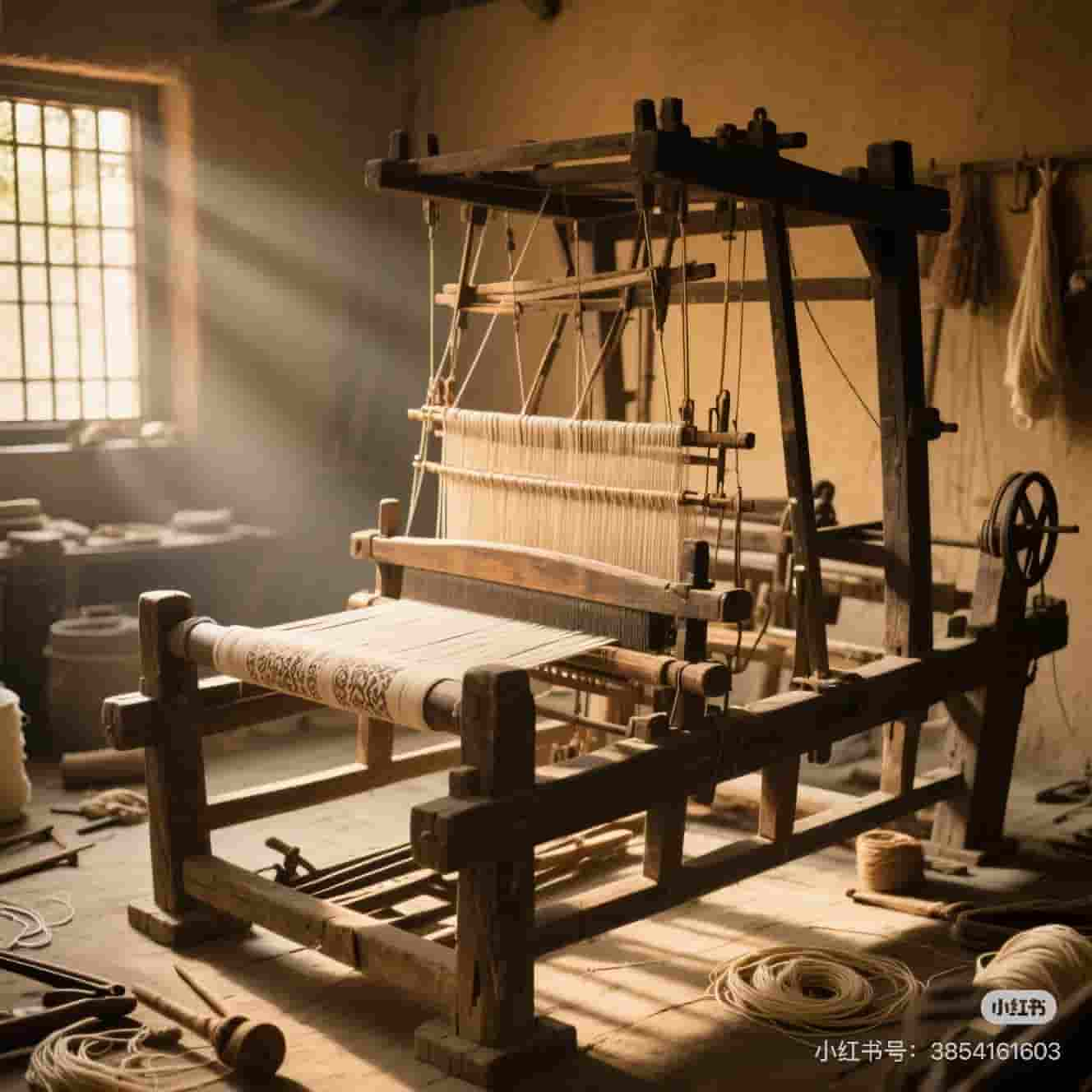
纺车
spinning wheel
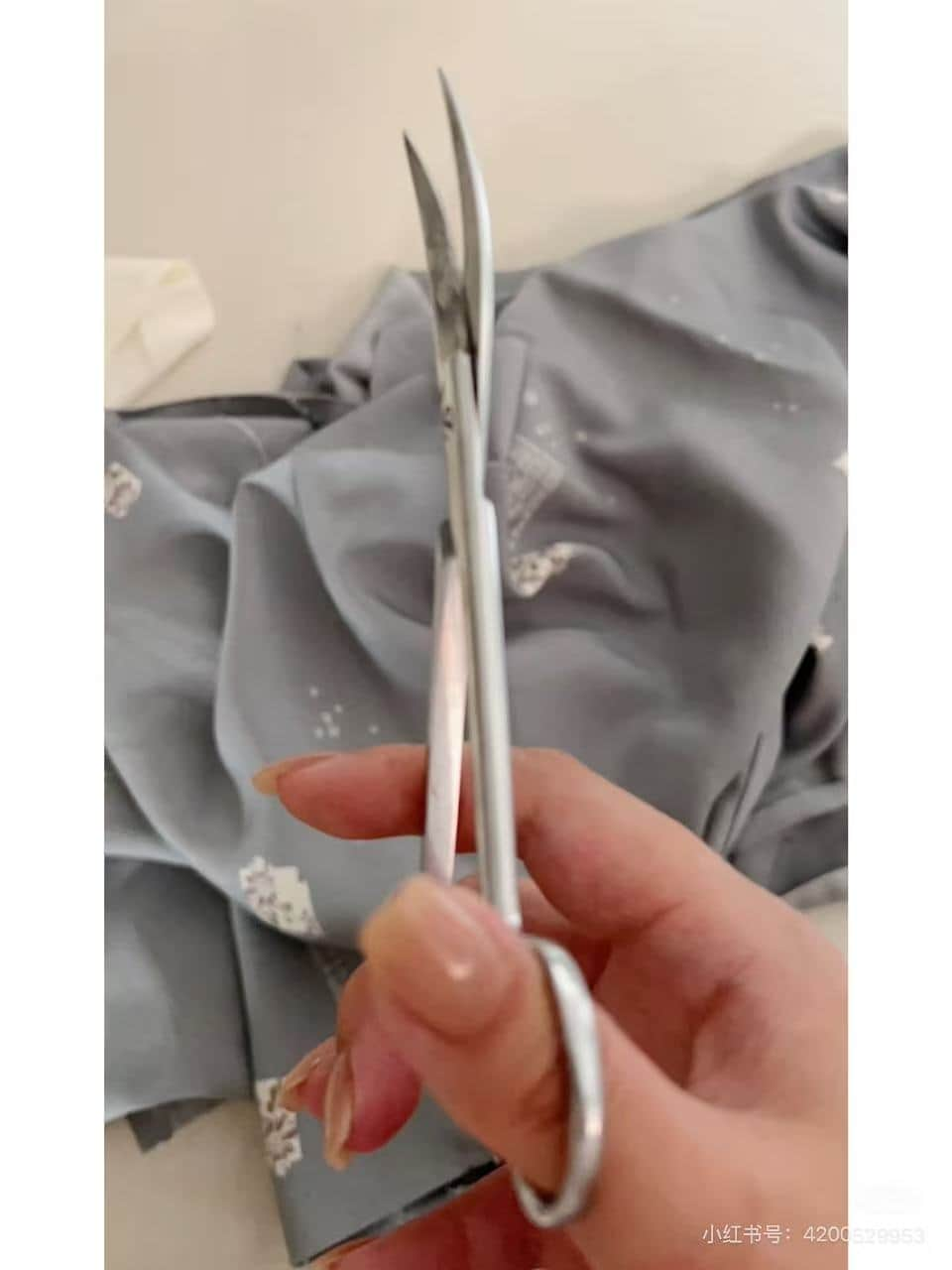
弧形专用剪刀
Arc shaped specialized scissors
小剪刀
small scissors
化纤原料
Chemical fiber raw materials
地毯
carpet
横向往复
Lateral reciprocating
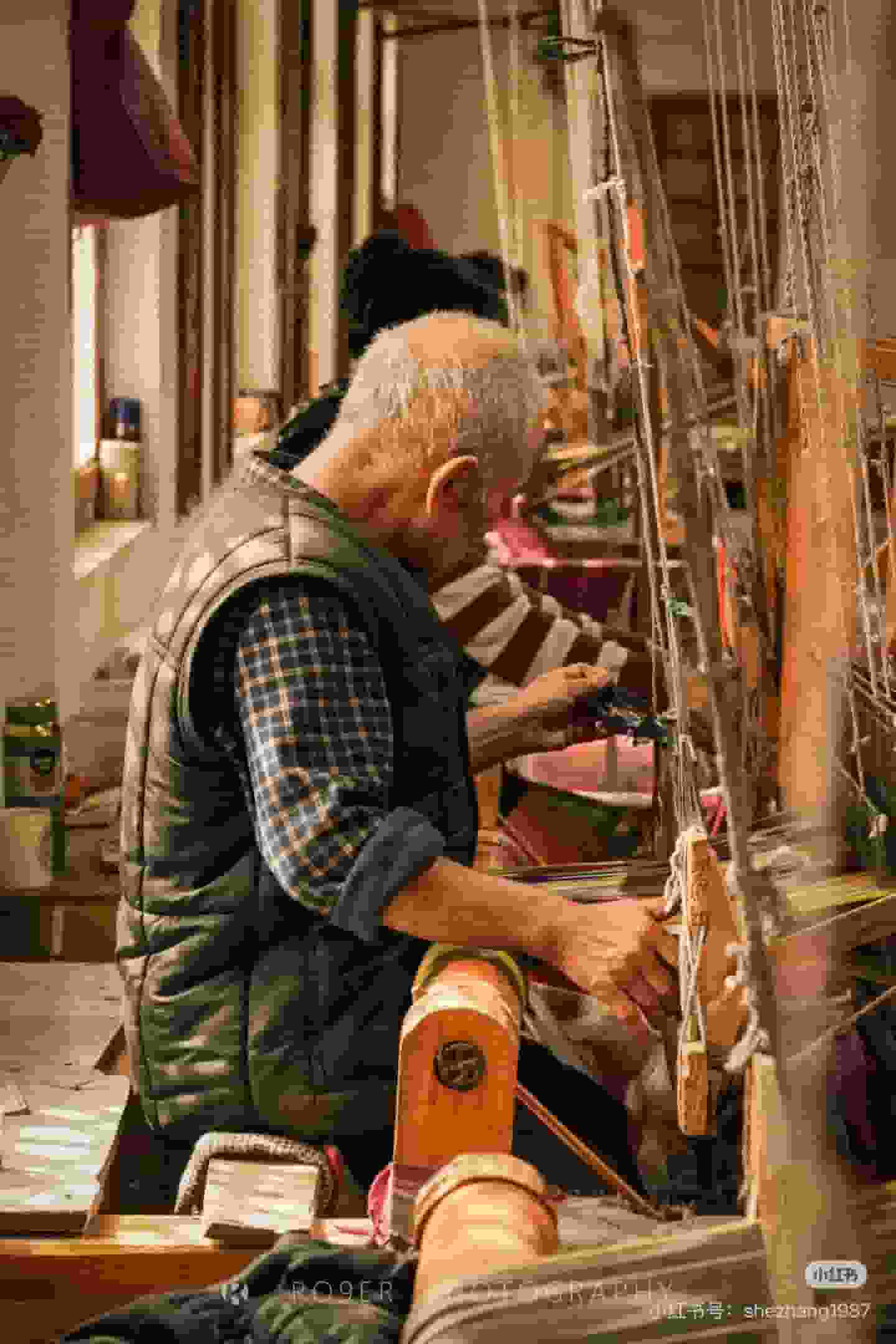
非遗工坊
Intangible Cultural Heritage Workshop
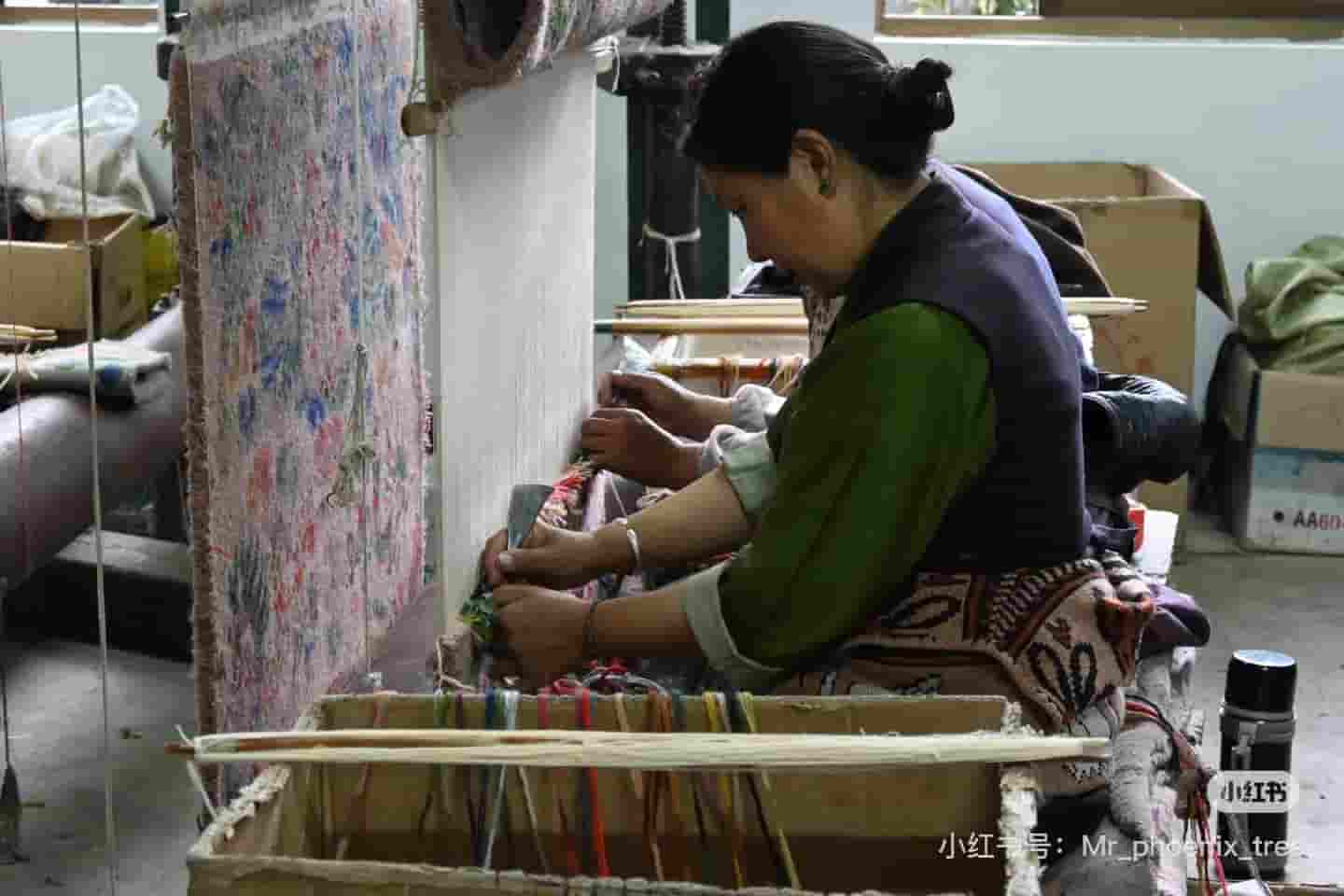
纺纱
spinning
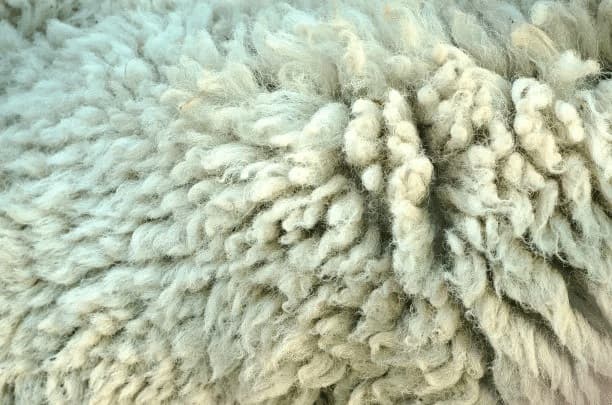
半粗羊毛
Semi coarse wool
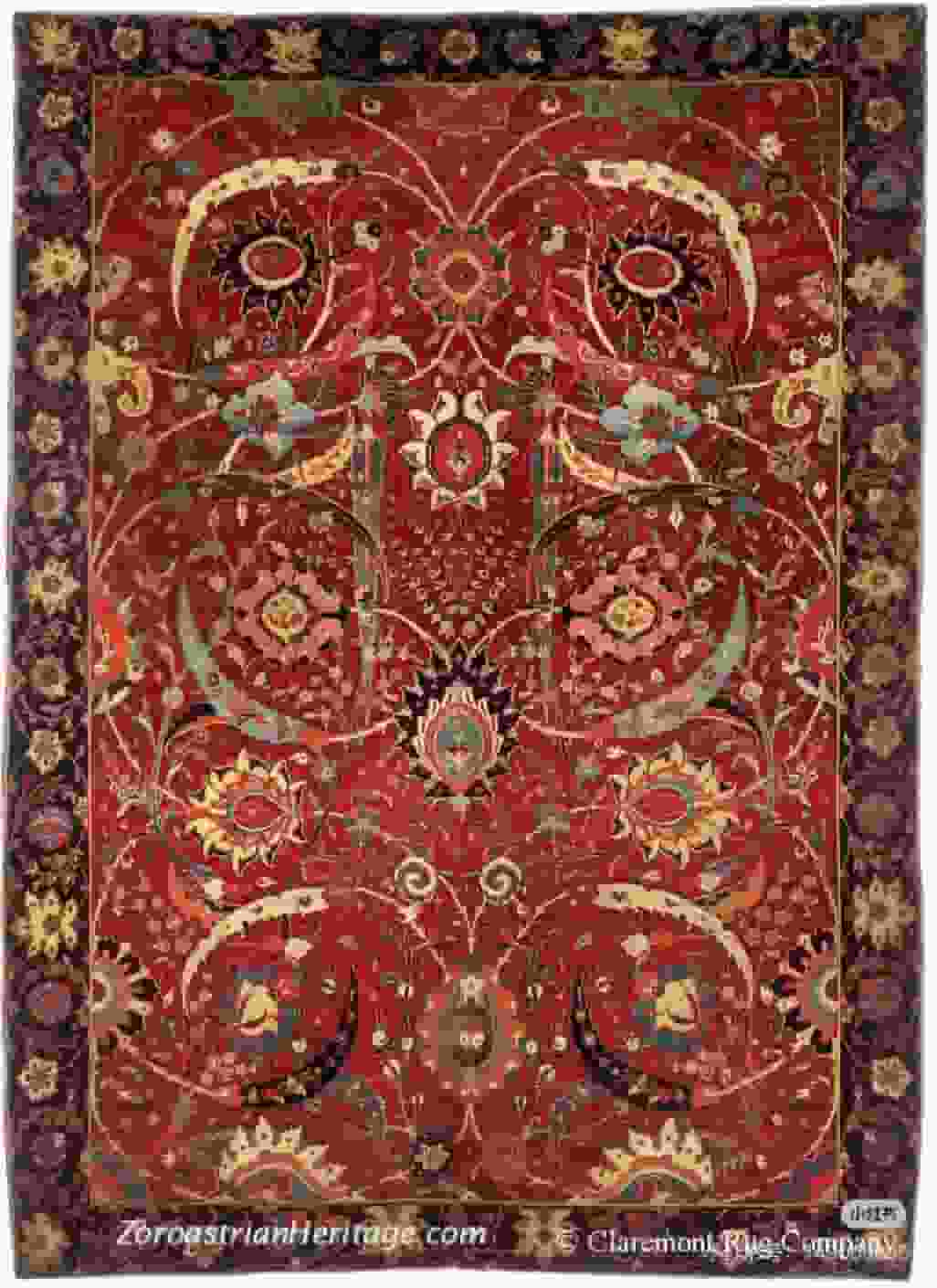
花瓶纹
Vase pattern
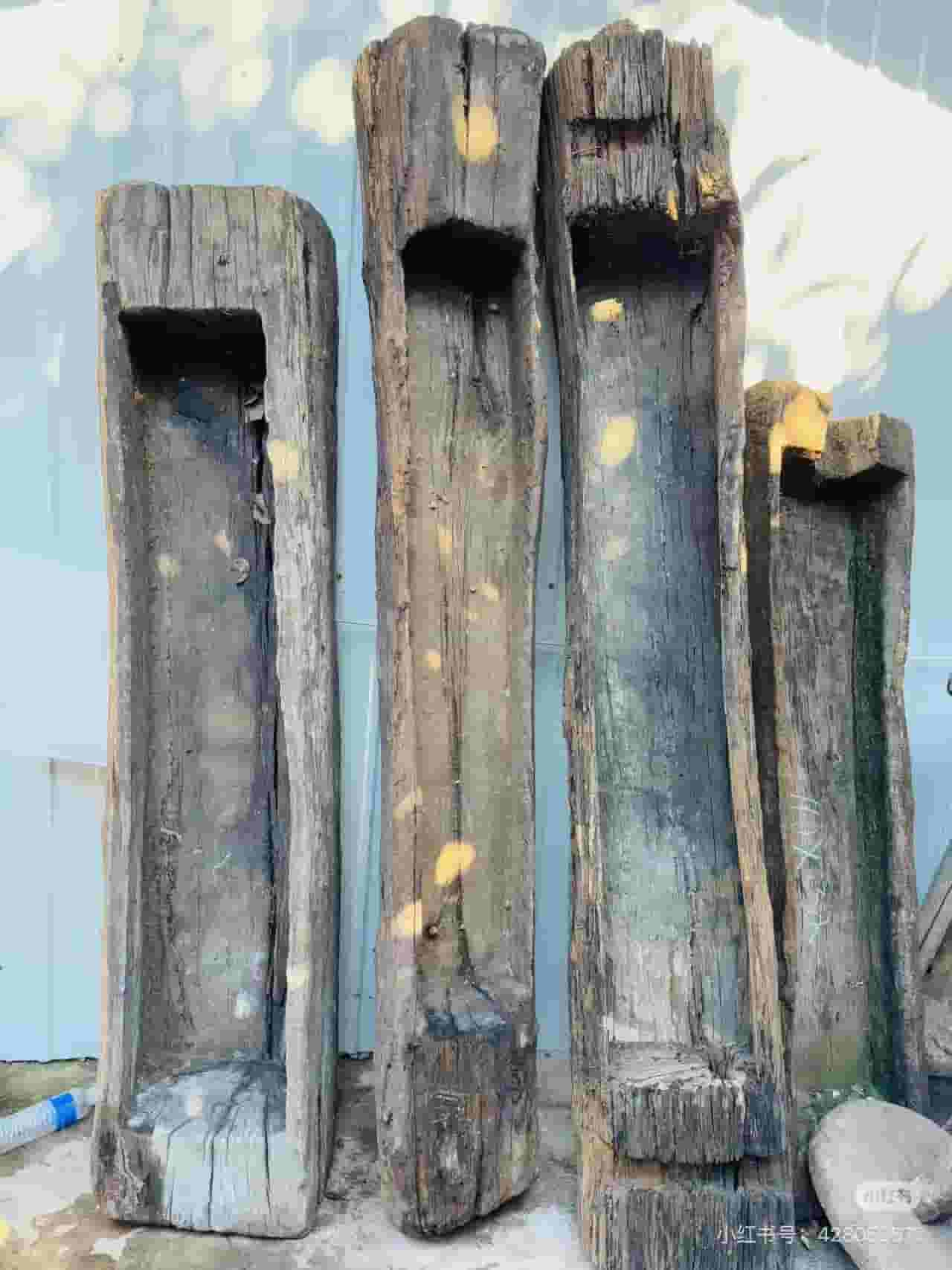
大型洗涤木槽
Large washing wooden sink
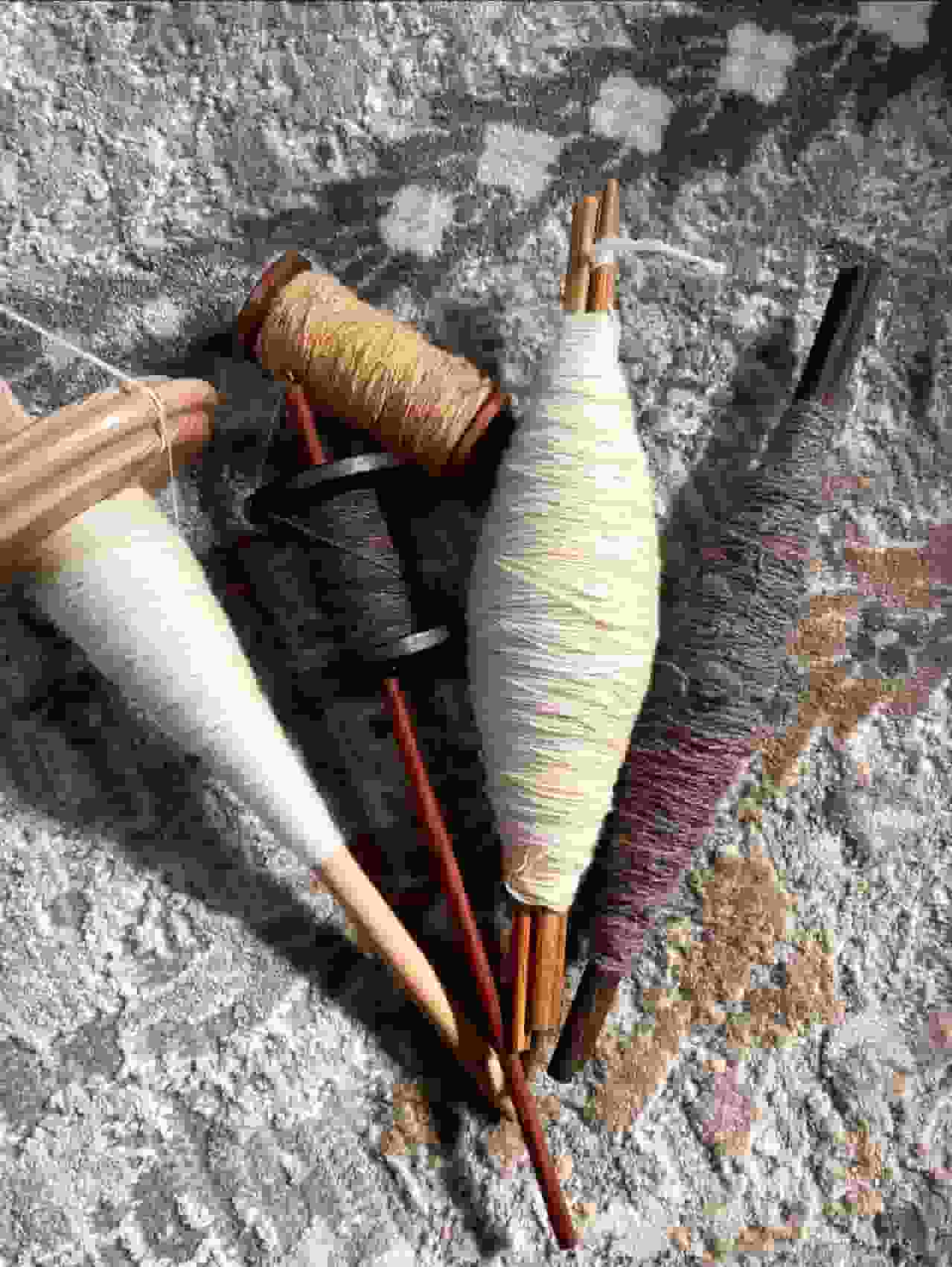
纺锤
spindle
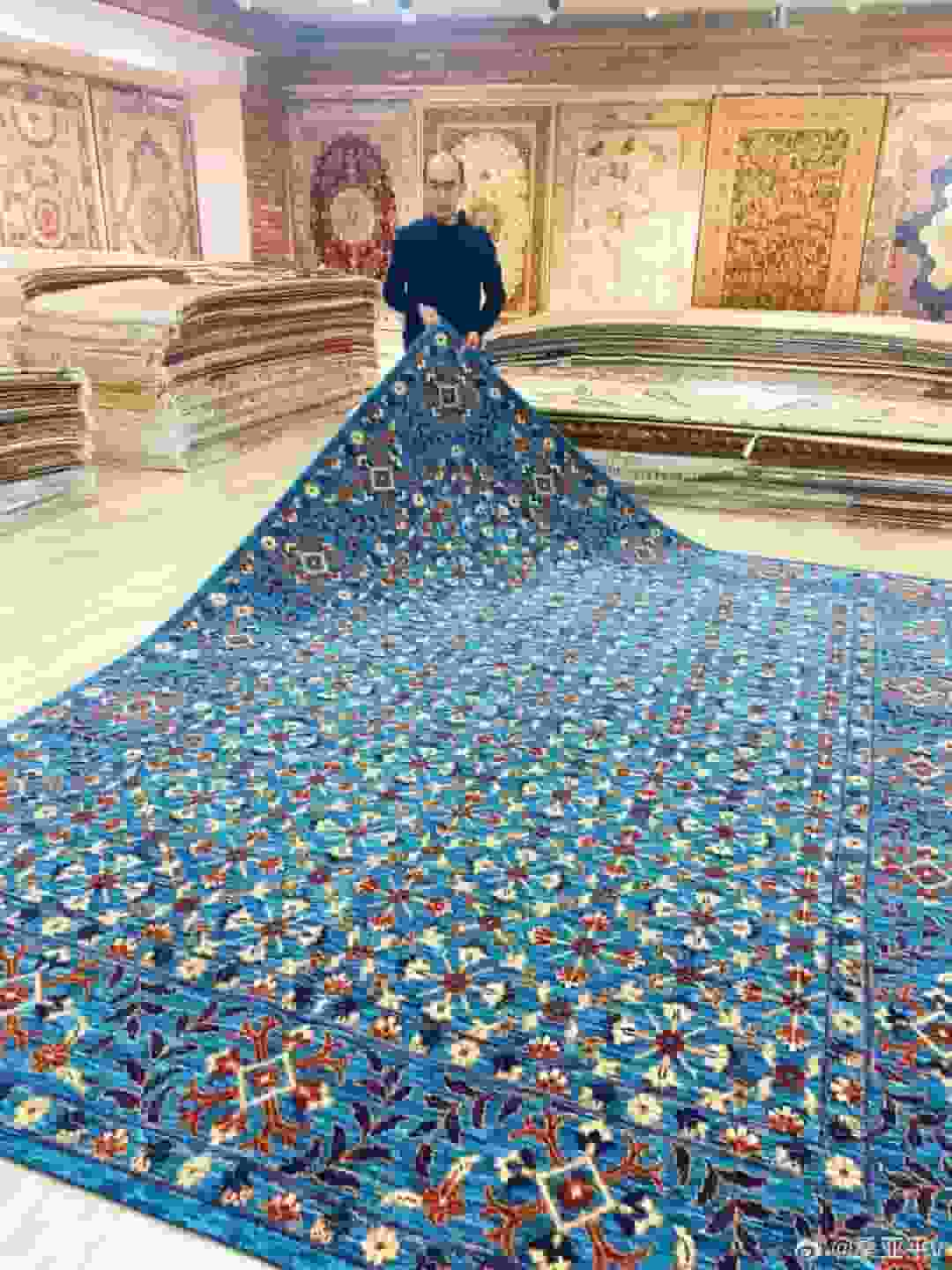
成品修整
Finished product repair
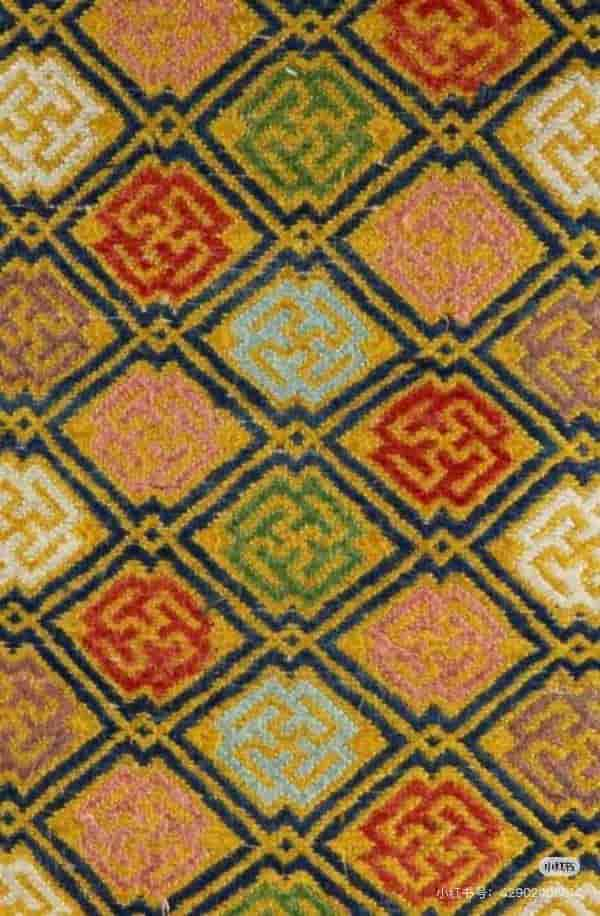
回纹
meander
博览会
expo
裁绒技法
Woolen cutting technique
缝针
Sewing needle
避光
light-proof
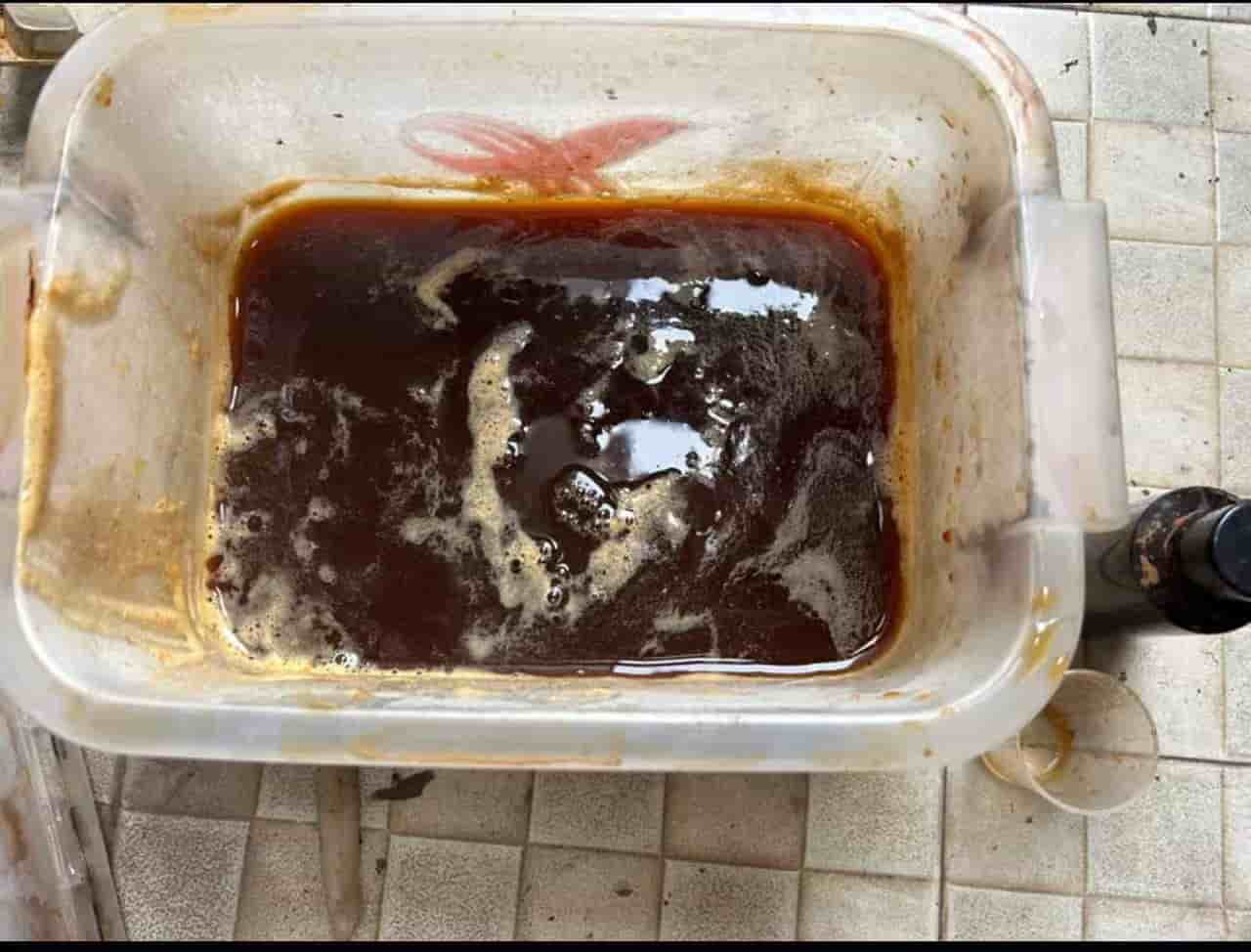
铁锈水
Rust water
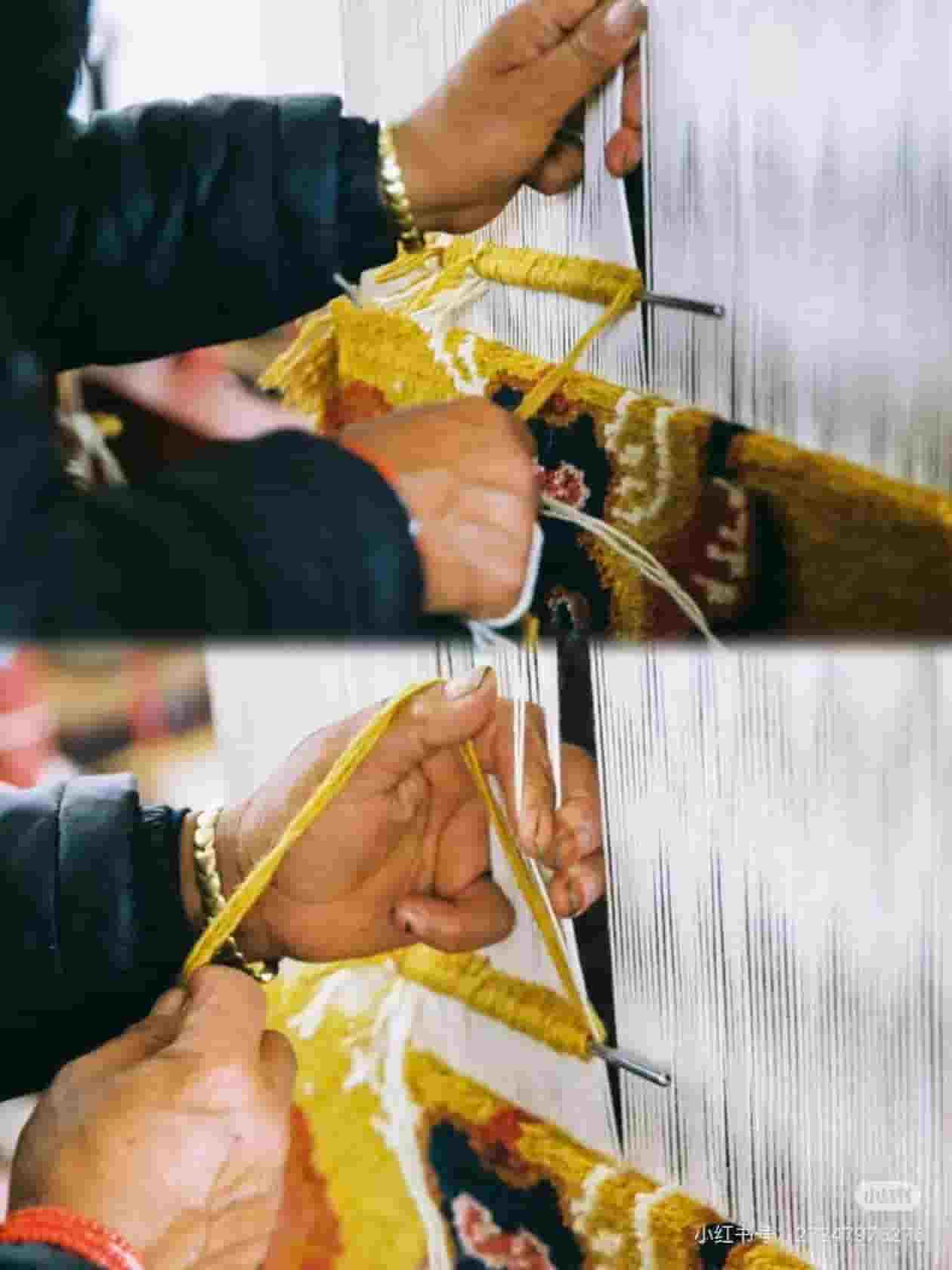
打结
knot
视频展示Video Gallery
视频资料Video Resources
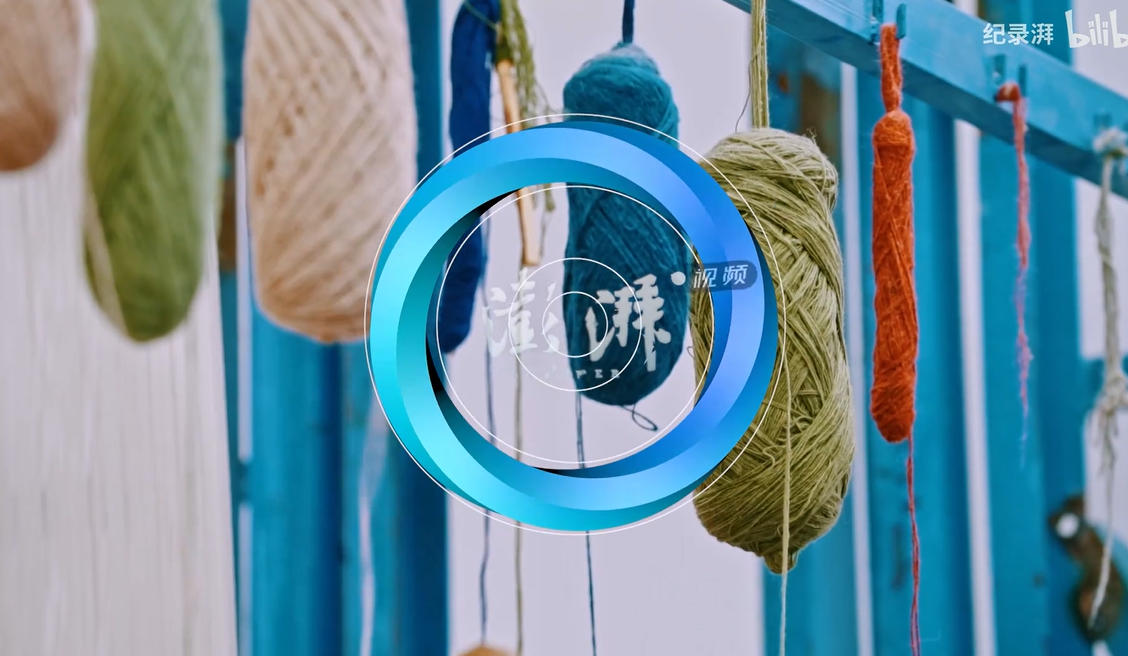
万人说新疆 P1 两千年非遗传承的和田地毯这样编成
People Talk About Xinjiang P1: How Hotan Carpets, 2,000-Year-Old Intangible Cultural Heritage, Are Woven
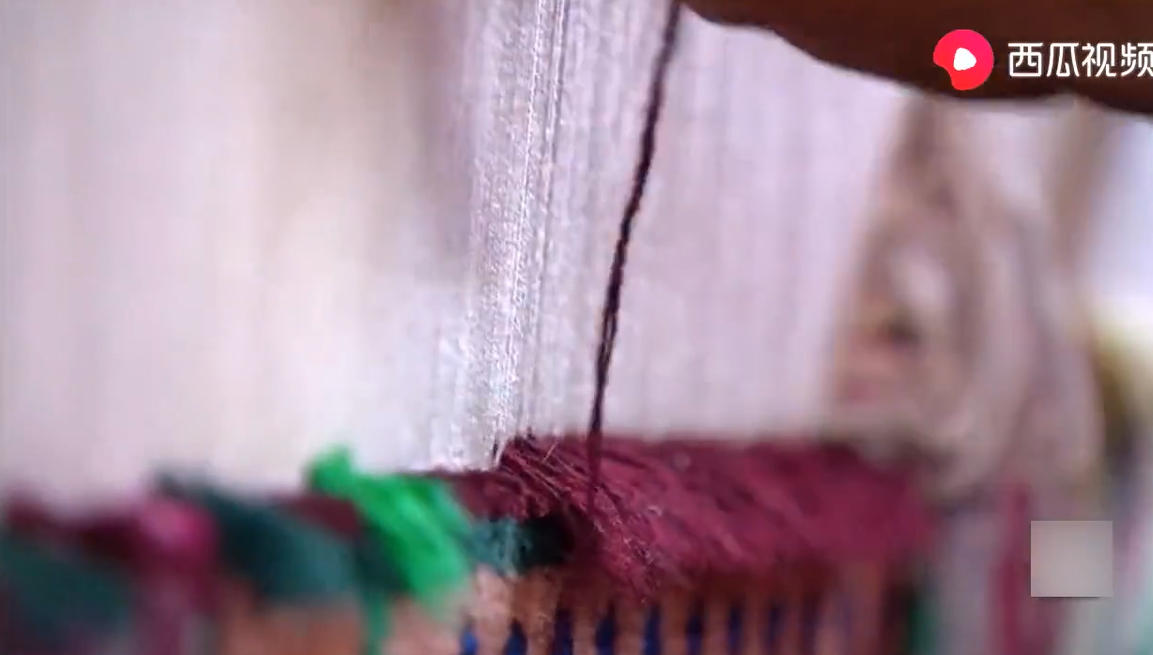
《新疆记事》之《手工地毯》 P1
Records of Xinjiang: Handwoven Carpets P1
参考文献与资料来源References and Sources
中国非物质文化遗产数字博物馆. 地毯织造技艺(维吾尔族地毯织造技艺)[EB/OL]. https://www.ihchina.cn/project_details/14502.html
中国非物质文化遗产数字博物馆. 买吐送·吐地[EB/OL]. https://www.ihchina.cn/art/detail/id/3117.html
贾应逸, 张亨德. 新疆地毯史略[M]. 北京: 轻工业出版社, 1984.
李安宁. 新疆民间工艺美术[M]. 乌鲁木齐: 新疆美术摄影出版社.
新疆日报. 洛浦织毯人的大舞台[N]. 2026-07-24.
和田地区融媒体中心. 半生织毯守匠心 让老手艺焕发新活力[EB/OL]. 2026.
中新网新疆. 90后设计师赋能和田传统地毯织造技艺[EB/OL]. 2026.